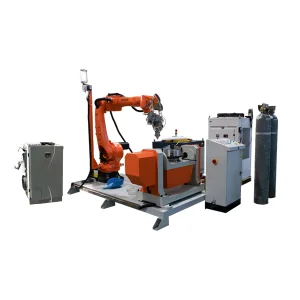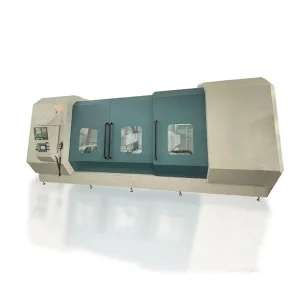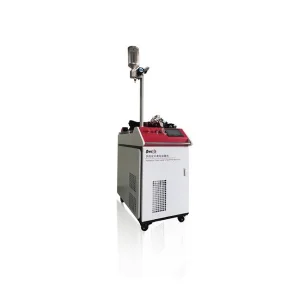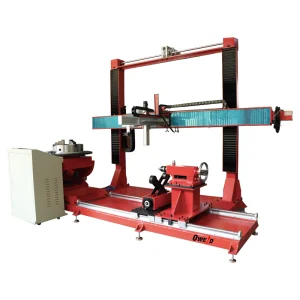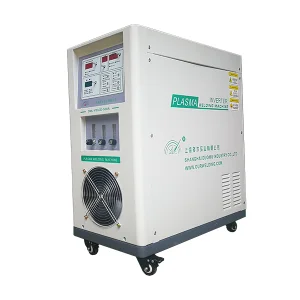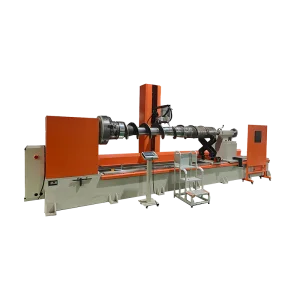
In the modern industrial era, the concept of "Surface Engineering" has transitioned from a maintenance luxury to a strategic necessity. Global cladding manufacturers are now at the forefront of the Circular Economy, where the goal is no longer to replace worn components but to remanufacture them with superior surface properties. The global market for cladding in welding—encompassing Plasma Transferred Arc (PTA) and Laser Cladding—is projected to reach unprecedented heights as industries like Mining, Oil & Gas, and Aerospace seek to reduce carbon footprints and operational expenditures (OPEX).
High-quality cladding provides a metallurgical bond that far exceeds the performance of traditional thermal sprays. By applying a layer of wear-resistant or corrosion-resistant material (such as Stellite, Tungsten Carbide, or Inconel) onto a cheaper base metal, factories can extend the service life of critical parts by 300% to 500%. This is the essence of Information Gain in procurement: understanding that the value is not in the machine itself, but in the metallurgical integrity and the "dilution rate" control that advanced Chinese factories like Shanghai Duomu have perfected.
Years R&D Experience
Component Life Extension
Technical Response Time
Global Industry Partners
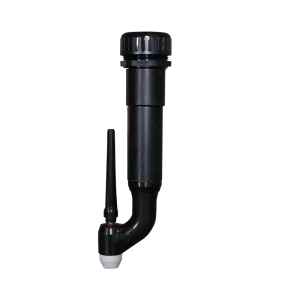
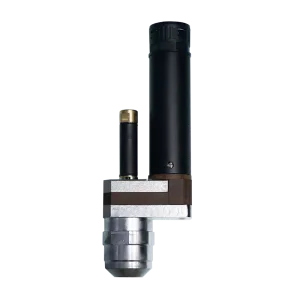
Unlike Western suppliers that outsource components, Shanghai Duomu maintains an independent R&D team that develops hardware and software in-house, ensuring seamless compatibility between plasma torches and automation platforms.
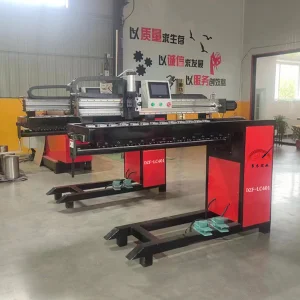
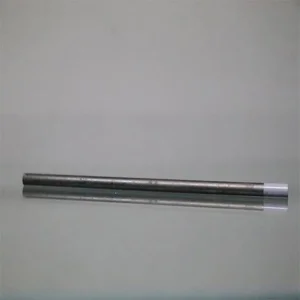
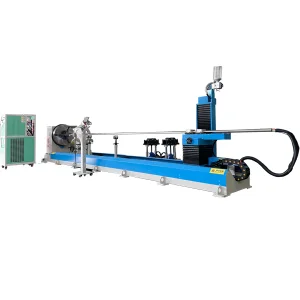
Chinese manufacturing efficiency allows for the design and production of custom cladding robots—such as the Hydraulic Rod Cladding machine—within weeks, rather than months, without compromising on E-E-A-T standards.
By leveraging a localized supply chain for high-grade tungsten and electronic components, we provide high-end Laser and PTA systems that offer superior precision at a fraction of the cost of European equivalents.

Hardfacing of soil-engaging tools to withstand extreme abrasion.

High-precision laser cladding for turbine blade repair and engine components.
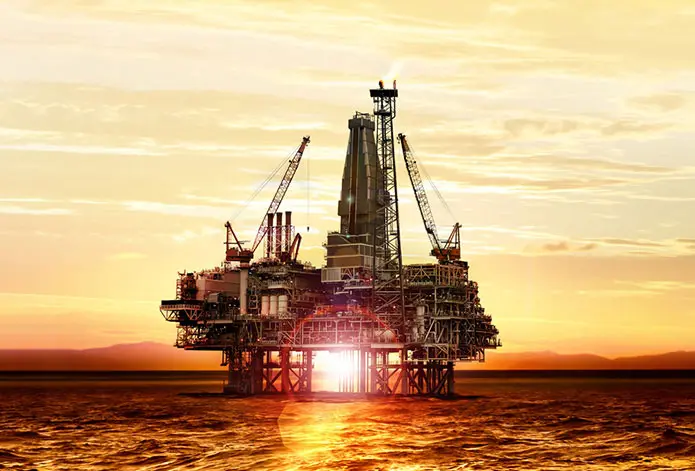
Corrosion-resistant cladding for drill stabilizers and mud pump valves.
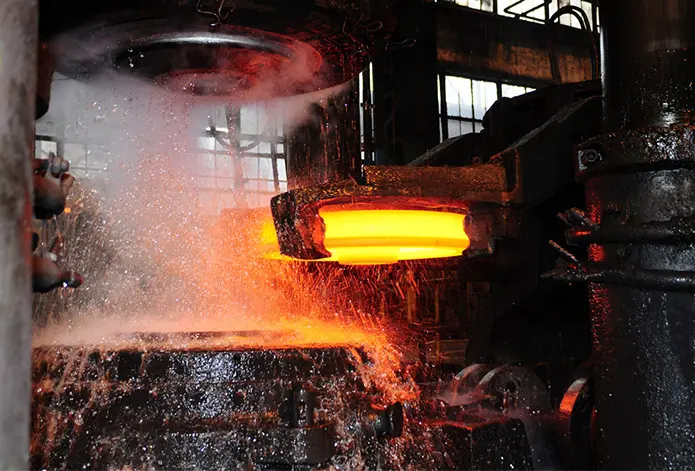
Restoration of heavy rolls and forging dies using automated PTA systems.
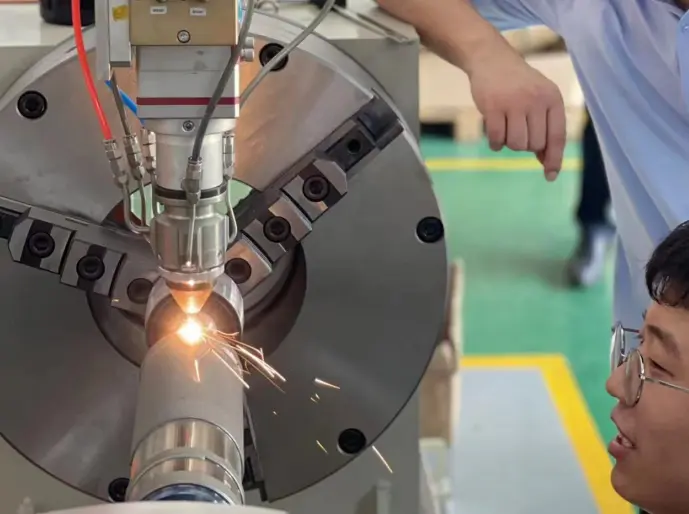
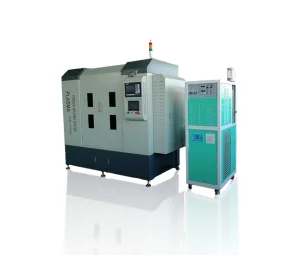
Our Technical Department represents the pinnacle of surface remanufacturing expertise. We don't just sell machines; we provide Total Process Solutions. Our R&D team focuses on solving the most difficult challenge in welding cladding: the Dilution Rate. By optimizing the Heat Affected Zone (HAZ), our PTA systems achieve a high-purity overlay in a single pass, which is critical for maintaining the hardness of Tungsten Carbide overlays in mining applications.
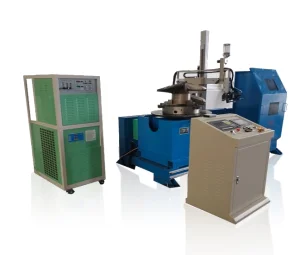
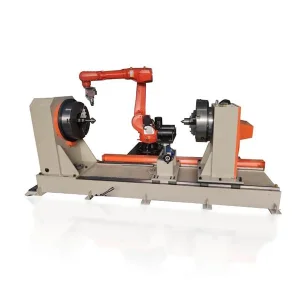
Our laser hardening robots utilize advanced AI algorithms to track complex geometries, ensuring uniform hardness profiles that manual welding simply cannot replicate. This "Expertise" and "Authoritativeness" is why global leaders in nuclear power and water conservancy trust Shanghai Duomu.
As we look toward 2030, the industry is moving toward "Intelligent Cladding." This involves the integration of IoT sensors within the welding torch to monitor weld pool stability in real-time. Procurement managers today are increasingly focused on "Total Cost of Ownership" (TCO) rather than just the initial purchase price. A high-quality PTA cladding machine from a reliable manufacturer reduces secondary machining costs and minimizes wire/powder waste, providing long-term economic gains.
Laser cladding produces minimal waste and lower emissions compared to traditional electroplating.
Combining additive manufacturing (cladding) with subtractive manufacturing (CNC) in a single cell.
Automated visual inspection of the cladding bead to ensure zero-defect production.
A: PTA (Plasma Transferred Arc) offers a higher deposition rate and is more cost-effective for large-scale hardfacing. Laser Cladding provides a smaller heat-affected zone and higher precision, making it ideal for delicate parts and aerospace applications.
A: Every machine undergoes rigorous stress testing and metallurgical analysis of the output cladding layer. We follow ISO standards and provide full technical documentation to ensure E-E-A-T compliance for our global clients.
A: Yes, our systems are designed with open architecture, allowing for easy integration with Fanuc, KUKA, and ABB robotic arms for fully automated factory environments.
"The dilution rate control on the DML-V03CD is exceptional. We've seen a 40% reduction in powder consumption."
— Heavy Equipment Maintenance Director"Switching to Duomu's laser hardening robot saved our production line from frequent downtime in our oil valve manufacturing."
— Petrochemical Plant Manager"Their technical support team understands the metallurgy, not just the electronics. Truly a partner in surface engineering."
— Aerospace Research EngineerConnect with our senior engineering team today for a customized cladding solution that fits your specific industrial needs.