1 / 3

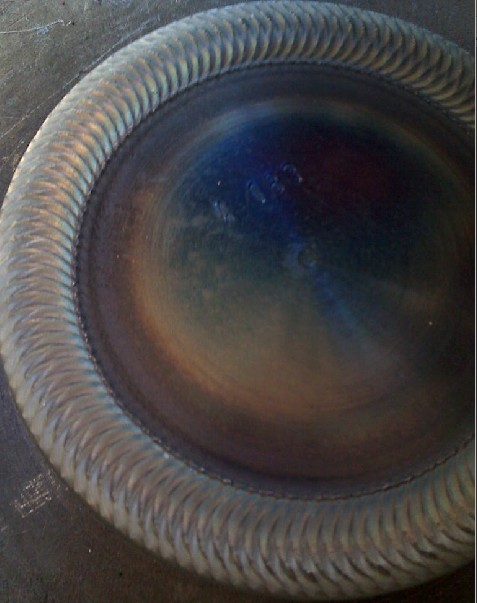
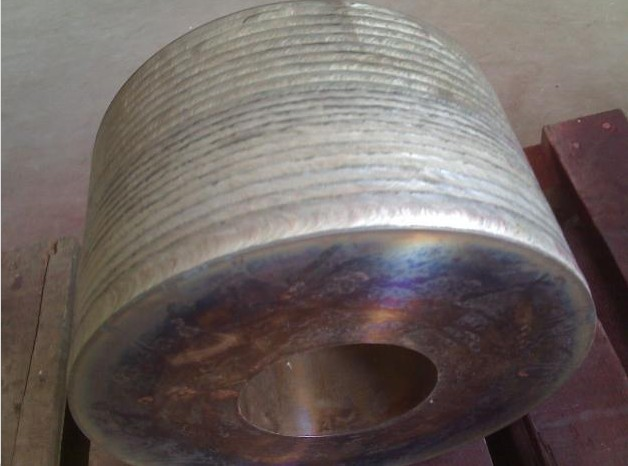
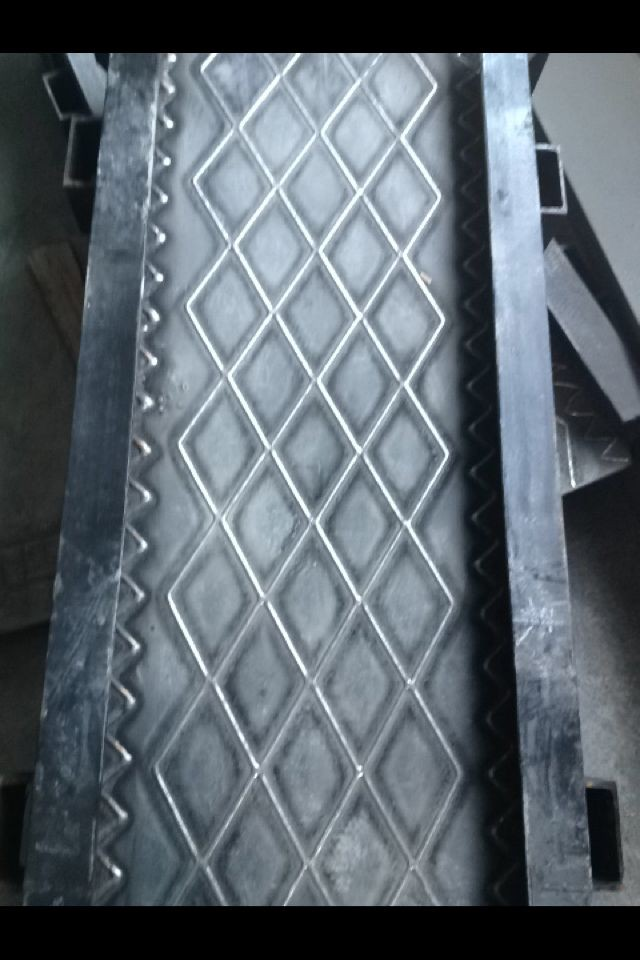
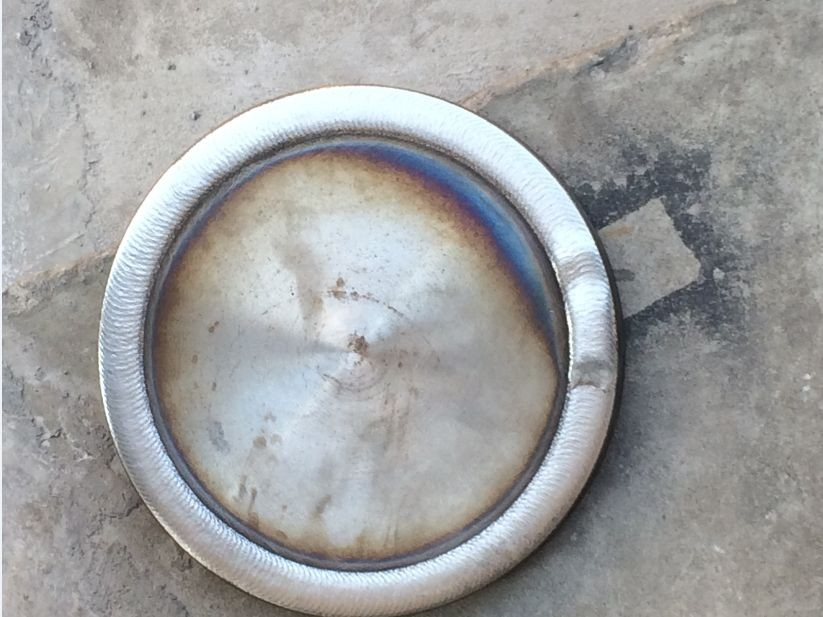
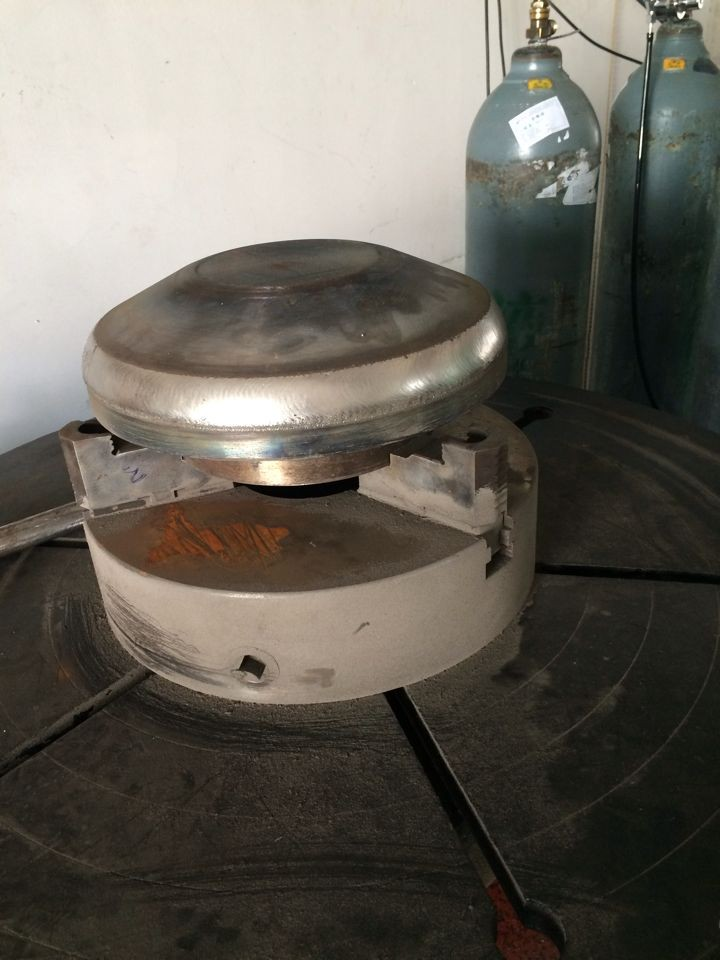
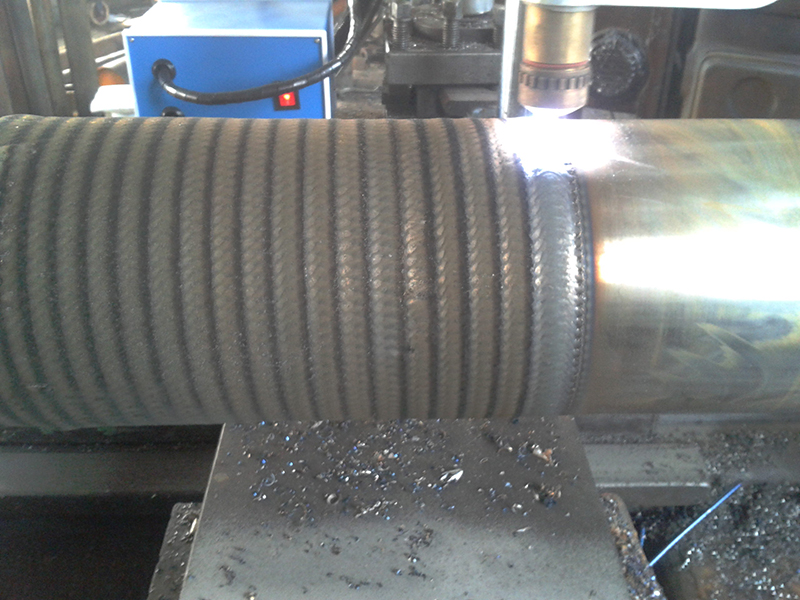
Plasma powder surfacing is a kind of surfacing technology which uses plasma arc as heat source, uses high temperature produced by plasma arc to heat alloy powder and substrate surface rapidly and melt, mix, diffuse and solidify together. After plasma beam leaves, it self excites and cools to form a layer of high-performance alloy layer, so as to realize strengthening and hardening of part surface. The thickness, width and hardness of the surfacing layer can be adjusted freely within a certain range by adjusting the relevant surfacing parameters.
After plasma powder surfacing, a fusion interface is formed between the base material and the surfacing material, which has high bonding strength; the surfacing layer has compact structure, good corrosion resistance and wear resistance; the dilution of the base material and the surfacing material is reduced, and the material characteristics change little; using powder as the surfacing material can improve the selectivity of the alloy design, especially the refractory material can be successfully overlaid, and the wear resistance and wear resistance of the workpiece can be improved High temperature, corrosion resistance.
| Category | Parameter | Data/Details |
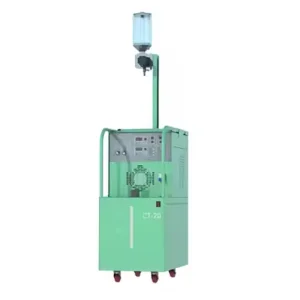
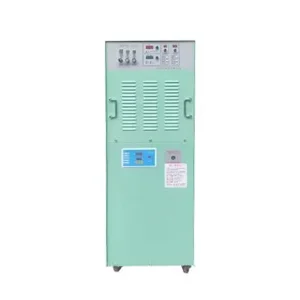
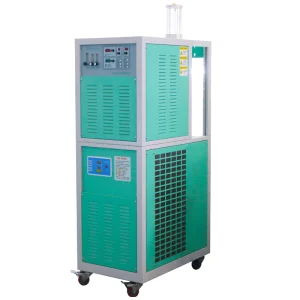
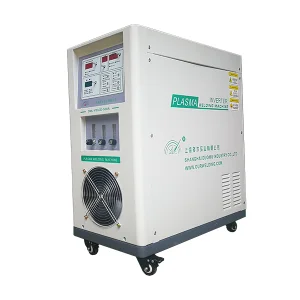
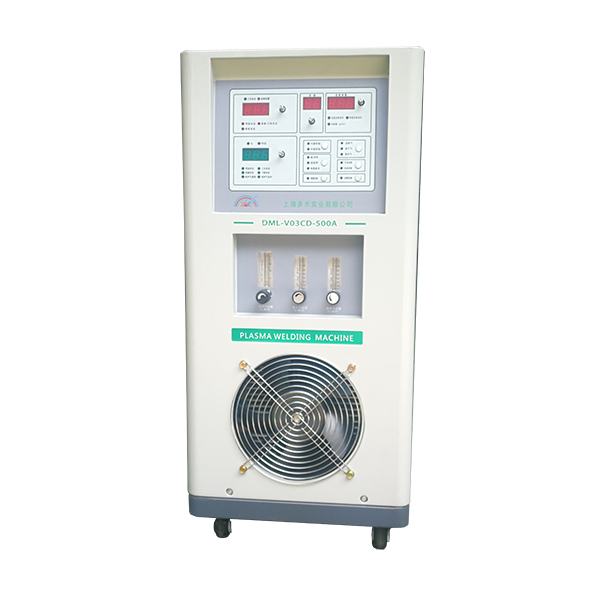
| Name | Plasma powder welding machine | |
| Model | DML-V03CD | |
| Welding Power Supply | Rated Voltage | AC380V 50HZ |
| Input Power | 25KW | |
| Arc Current | 3-20A | |
| Welding Current | 3-500A | |
| Current Rise/Drop Time | 0-5.0s | |
| Load Duration Rate | 90% | |
| Weight | 161kg | |
| Dimensions | 800*500*1558 mm | |
| Cooling System | Power / Refrigerant | 2000W / R22 |
| Compressor | Panasonic 1/2 HP | |
| Water Storage | 8.5L (304 Stainless steel) | |
| Pump | South Special Pump (90W) | |
| Welding Torch | Powder Form | Double hole taper symmetrical feeding |
| Applicable Current | 5-300A | |
| Sustainable Time | >20h | |
| Powder Feeder | Feeding Form | Accurate impeller type |
| Storage Capacity | 8KG | |
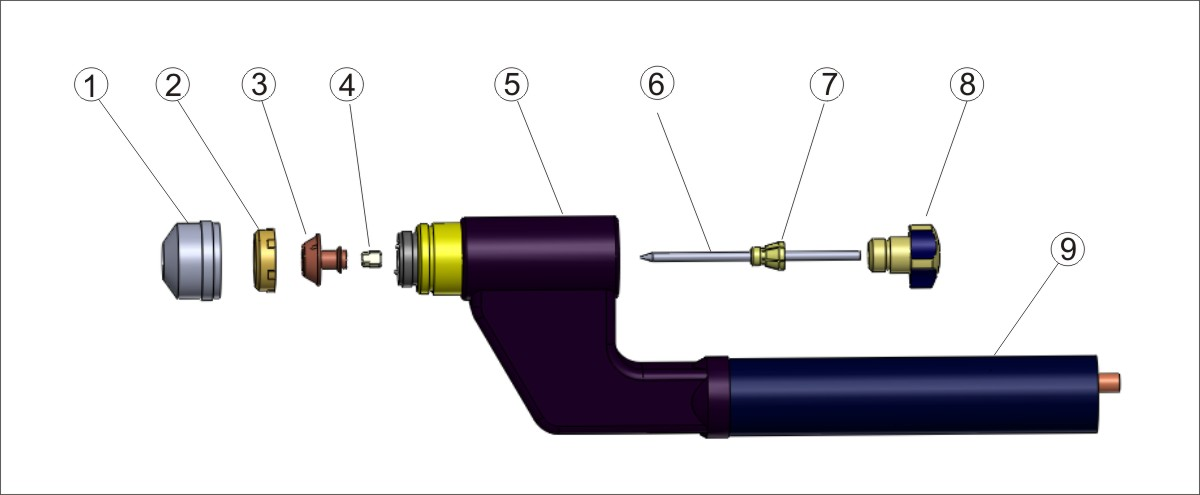
Schematic diagram of 300A stack welding gun
1. Gas shield | 2. Copper nozzle locking ring | 3. Copper nozzle | 4. Middle ring | 5. Surfacing gun body | 6. Tungsten electrode | 7. Tungsten electrode clamp | 8. Welding gun cap
| Name | Specification / Model | Qty | Remarks |
| Plasma stack welding machine | DML-V03CD | 1 | - |
| Plasma welding torch | Integrated die casting | 1 | - |
| Powder feeder | Impeller type | 1 | Accurate powder feeding |
| Argon pressure reducer | yqAr-731L | 2 | Floating ball type |
| Cooling water tank | 2P Refrigeration | 1 | Integrated unit |
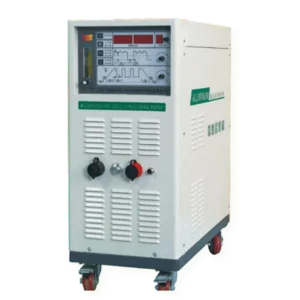
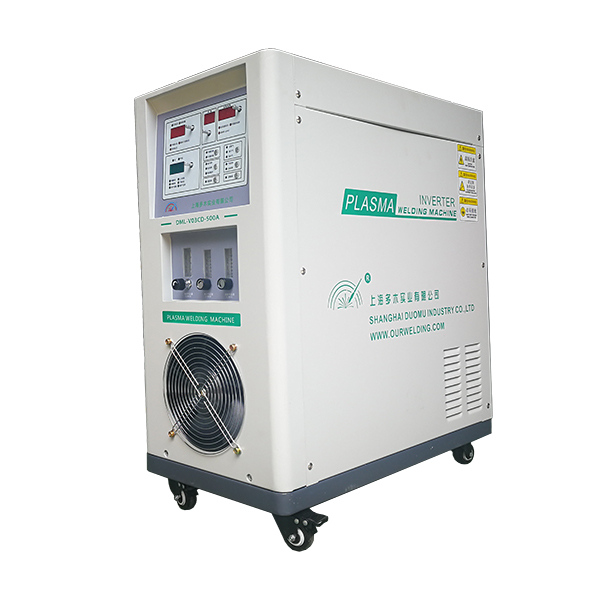
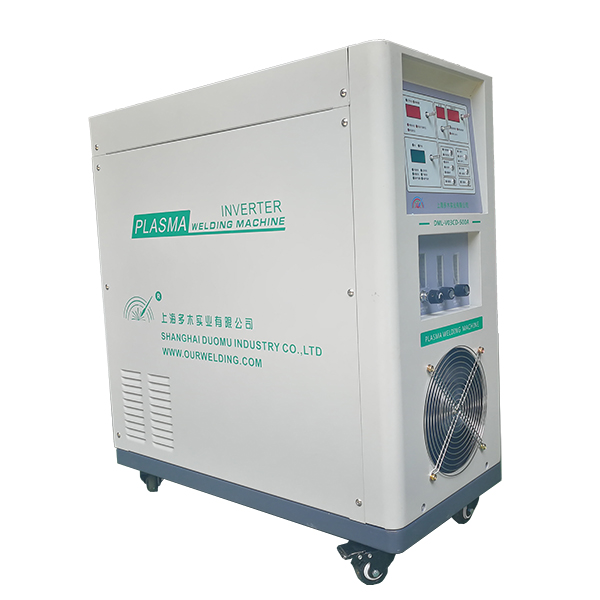
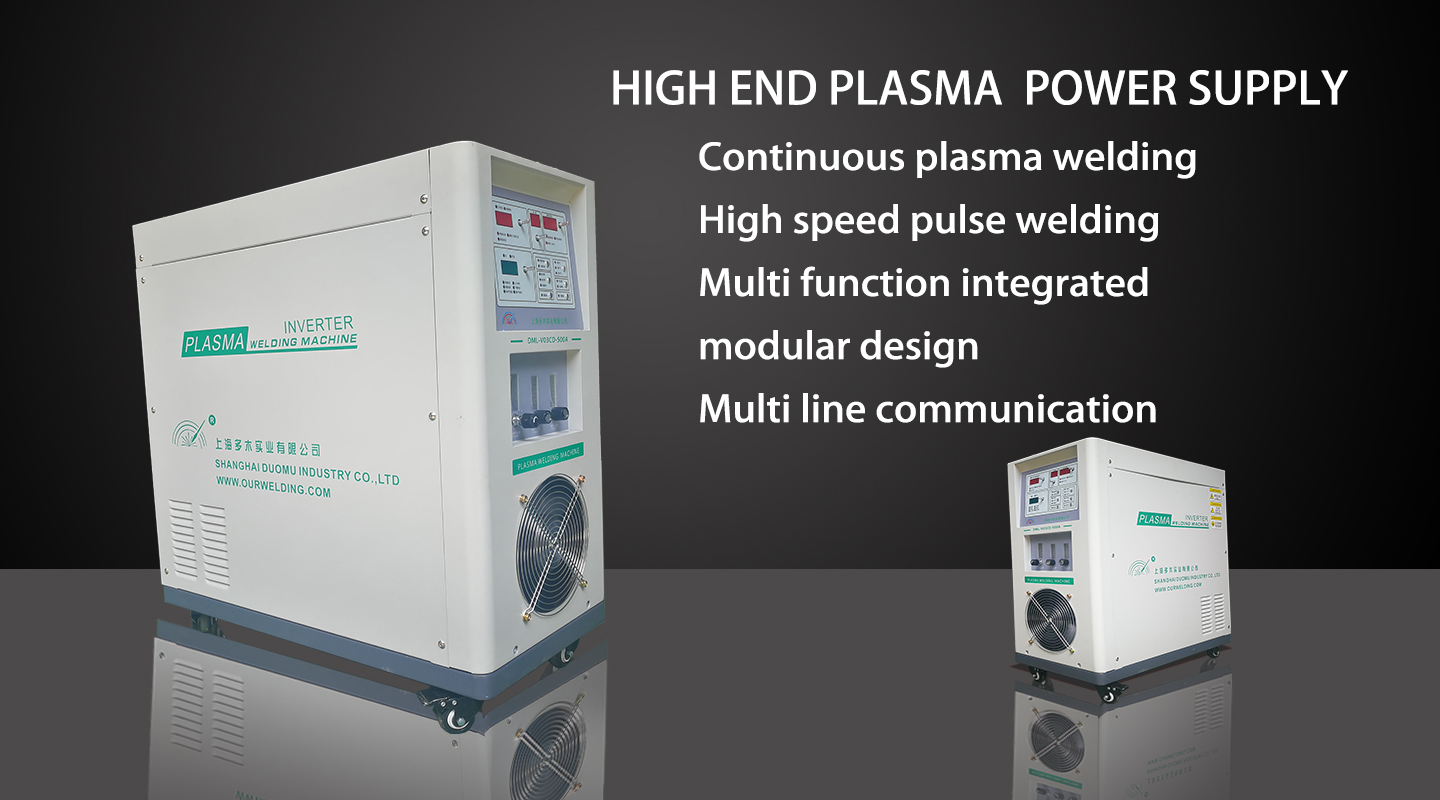
Welding Machine Power Supply: Many market options use combined argon arc units which are bulky. Our system uses a pure plasma power supply system, achieving a smaller size and lighter weight suitable for any occasion.
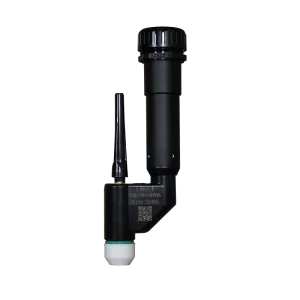
Plasma Torch: We utilize a built-in powder feeding system and polyethylene insulation material for the handle. This prevents the powder blockage and electric leakage common in external feeding systems, ensuring user safety and stable production.
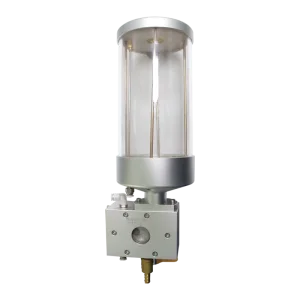
Powder Feeder: Moving beyond the common scraper type which causes uneven feeding, our advanced impeller type feeder allows for accurate control of feeding size and speed.