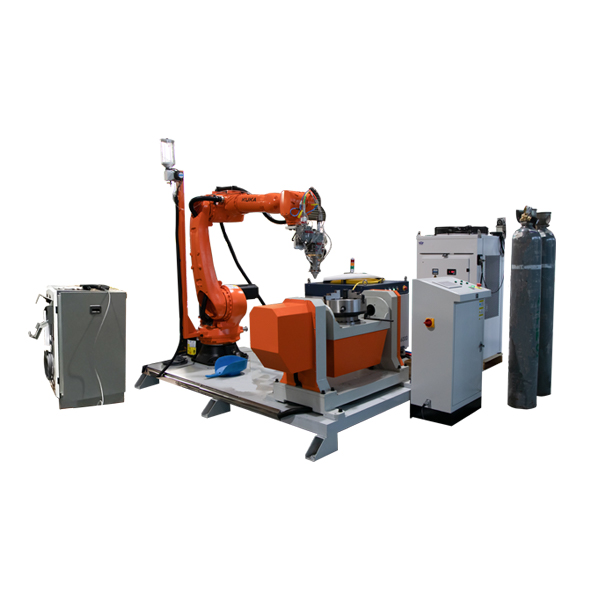
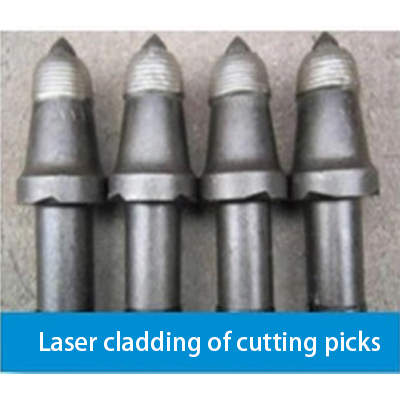
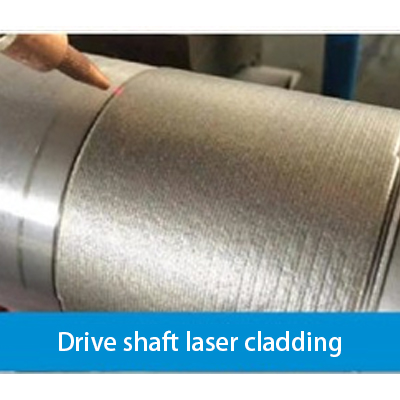
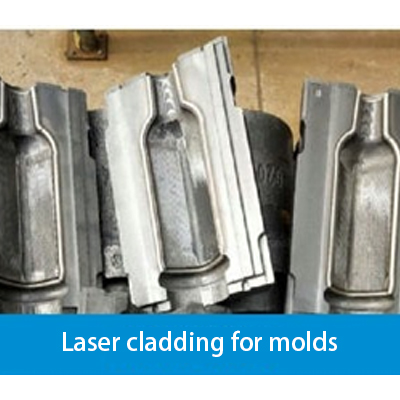
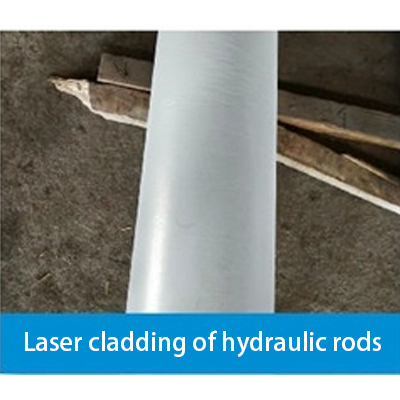
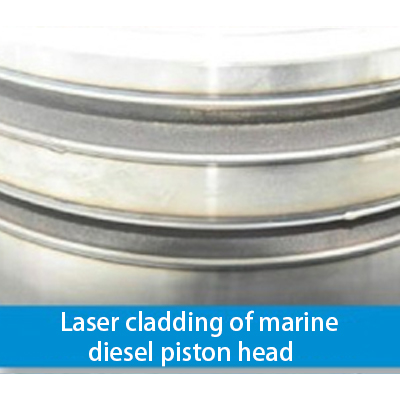
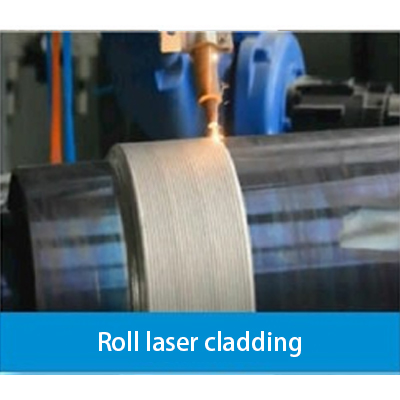
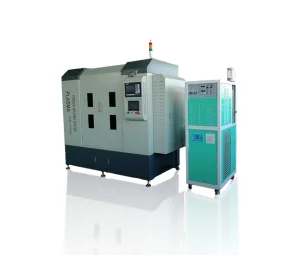
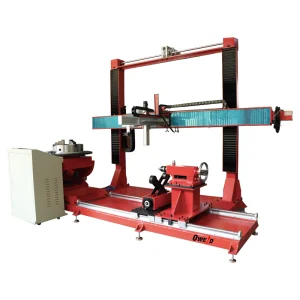
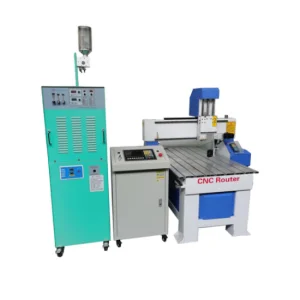
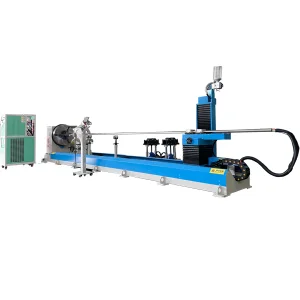
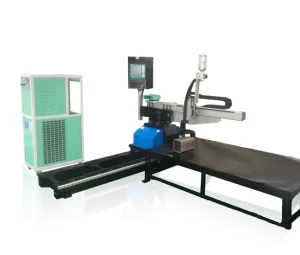
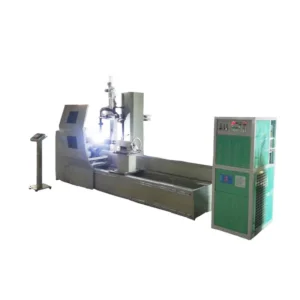
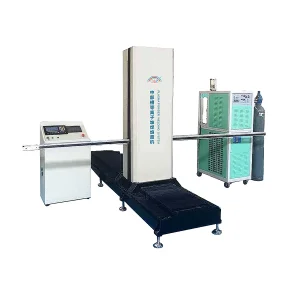
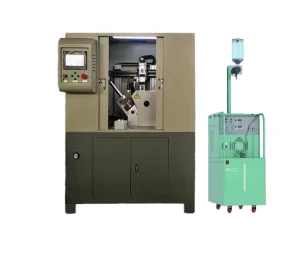
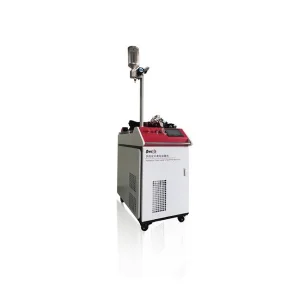
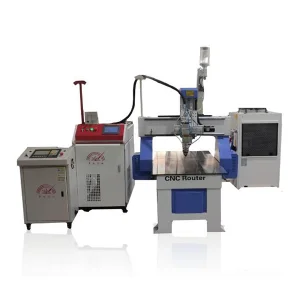
Fully-automatic laser cladding equipment is a high-precision and high-efficiency surface treatment equipment that melts metal powder by laser and deposits it on the surface of the substrate to form a cladding layer that improves abrasion and corrosion resistance.This kind of equipment is widely used in aerospace, automobile manufacturing, mold repair, petrochemical and other industries.
Fine focusing of the laser beam, precise control of the thickness and shape of the cladding layer.
2. Material Versatility
A wide range of materials can be melted and clad, such as alloy, stainless steel, cobalt-based, nickel-based, and so on.
3. Low Heat Input
Reduce workpiece deformation, suitable for high precision parts.
4. High Automation
Improve production efficiency and reduce the risk of manual operation.
Equipment Gallery
Technical Parameters
Item
Model
Qty
Brand
Note
Laser
RFL-C6000
1
Raycus
6000w
Laser Chiller
TFLW-6000WDR
1
Tongfei
/
Laser Torch
TS-8.20A
1
/
/
Powder Feeder
DM-S03
1
/
/
Robot Arm
KR70 2100
1
KUKA
Arm Span 2100mm
Robot Control Cabinet
KR C5
1
KUKA
/
Robot Remote Control
KUKA smartPAD
1
KUKA
/
Control System
PLC
1
/
/
Double-axis Position Changer
HB-50
1
/
Load Capacity 500kg
Chuck
K21-320
1
Huantong
Max. clamping dia: 320mm
One-piece Base
Customized
1
/
/
Overall Equipment Footprint
5x3m, Height 1.8m
Technology Overview
Laser cladding technology utilizes a high-energy laser beam to melt and adhere the cladding material (e.g. powder or wire) to the surface of the workpiece. After cooling, a dense cladding layer is formed. This process enhances the wear, corrosion and high temperature resistance of the workpiece.
Frequently Asked Questions
Q1: How does laser cladding technology improve workpiece performance?
A: By melting cladding materials like powder or wire onto the surface using a high-energy laser, a dense protective layer is formed upon cooling. This significantly enhances wear, corrosion, and high-temperature resistance.
Q2: What materials are suitable for this laser cladding system?
A: The system supports a versatile range of cladding materials, including various alloys, stainless steel, cobalt-based materials, and nickel-based materials.
Q3: Why is low heat input important in laser cladding?
A: Low heat input minimizes the heat-affected zone, reducing the risk of workpiece deformation. This makes it ideal for processing high-precision parts.
Q4: What is the main configuration of the robotic cladding system?
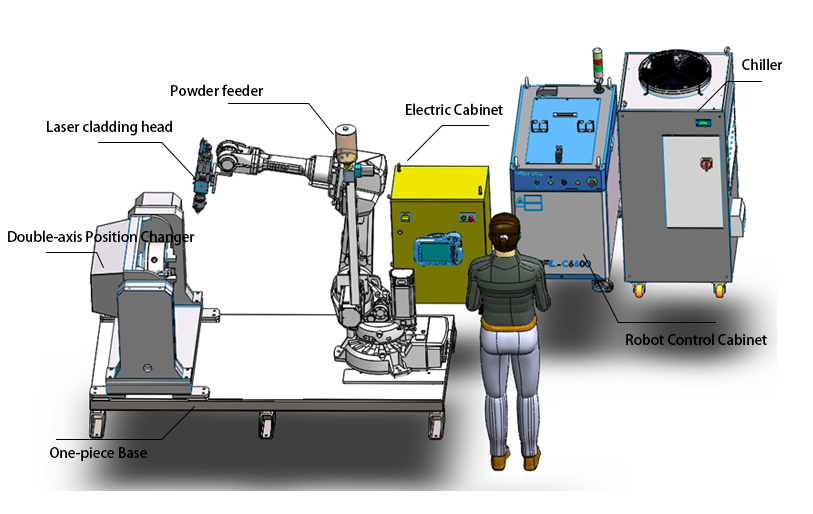
A: The standard configuration includes a Raycus RFL-C6000 Laser, Tongfei Laser Chiller, KUKA Robot Arm, KUKA Control Cabinet, PLC Control System, and a Double-axis Position Changer.
Q5: What is the space requirement for setting up this equipment?
A: The overall footprint of the equipment setup is approximately 5x3 meters, with a physical system height of 1.8 meters.