Home >
Laser Cladding >
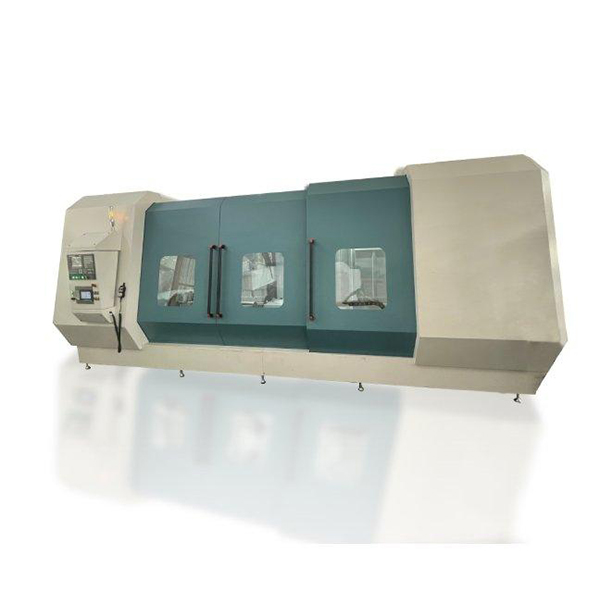
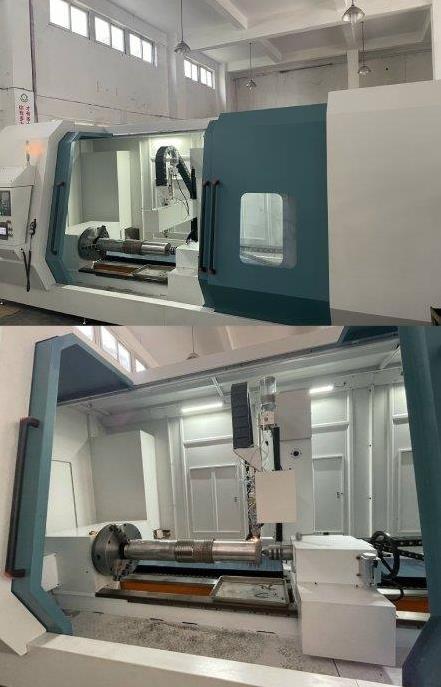
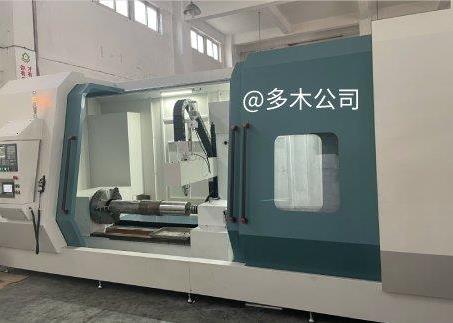
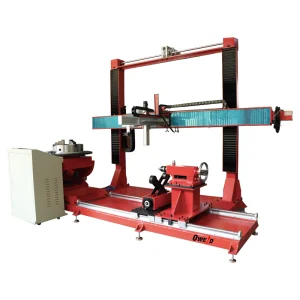
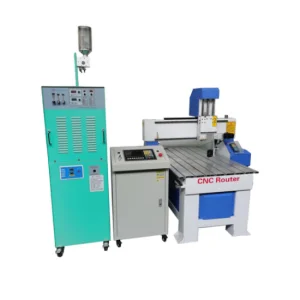
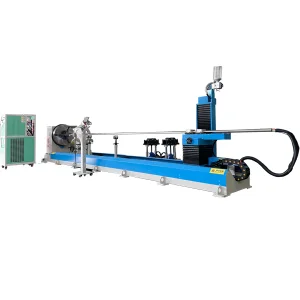
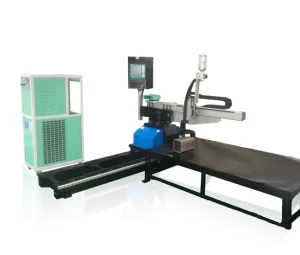
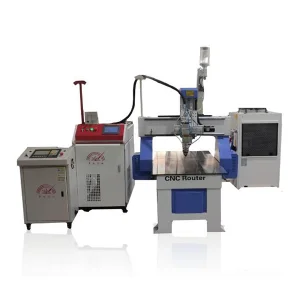
Custom Laser cladding equipment for hydraulic rod Supplier, Suppliers
1 / 1
Custom Laser cladding equipment for hydraulic rod Supplier, Suppliers
Laser cladding technology applied to hydraulic support is a new surface modification technology in recent years, mainly for the hydraulic support column and piston rod surface surface reinforcement treatment. The application of laser cladding technology in hydraulic support column repair is described below.The working principle of laser cladding technology is, using high energy laser beam as a heat source, will have high hardness, good anticorrosion function of alloy powder, hydraulic support column and jack surface at the same time melting metallurgical reaction and has the function of wear resistance of laser cladding layer, so as to achieve the purpose of hydraulic support service life, compared with the traditional electroplating process, laser cladding technology has significant technical advantages.
Laser cladding has the typical characteristics of low heat transport, and can meet the requirements of strength, wear resistance and corrosion resistance according to the damage form and degree of the hydraulic support column. Because the properties and ratio of cladding materials have a great impact on the laser cladding effect, the appropriate binder and cladding elements should be preferred to ensure the good secondary protection effect after the fine repair of the smooth weld grains.
Laser cladding technology applied in coal mine hydraulic support is a new surface modification technology in recent years, mainly to strengthen the hydraulic support column and the outer surface of the piston rod. The working principle of this technology is that the use of high energy laser beam as a heat source, will have high hardness, good corrosion function of alloy powder, hydraulic support column and jack surface at the same time melting metallurgical reaction and form has the function of wear resistance of laser cladding layer, so as to achieve the purpose of hydraulic support service life.
Compared with the traditional electroplating process, laser cladding technology has significant technical advantages. High-speed laser cladding metal powder is made of iron-based alloy powder. Take the 6000W high-speed laser cladding equipment with a large market share as an example:
Efficiency & Quality
Dilution rate is less than 3%; cladding thickness of 0.6mm meets requirements; high powder utilization (70% coaxial, 90% central).
Surface Properties
Surface roughness about Ra10um, hardness greater than HRC55, with significantly improved wear resistance.
Durability
Metallurgical combination with substrate; shear strength > 500Mpa; high microhardness and strong corrosion resistance.
Above is the application of laser cladding technology in the hydraulic support column repair. Laser cladding and inner wall cladding technology, with its own technical advantages, combined with substrate metallurgy, high surface treatment efficiency, outstanding economic benefits, and green pollution-free advantages, is the inevitable choice of hydraulic support surface treatment technology development.
Frequently Asked Questions
Q1: What are the primary benefits of laser cladding for hydraulic supports?
Laser cladding provides exceptional strength, wear resistance, and corrosion resistance. It creates a metallurgical bond with the substrate, significantly extending the service life of hydraulic columns and piston rods.
Q2: How does laser cladding compare to traditional electroplating?
Laser cladding offers significant technical advantages, including better metallurgical bonding, higher surface hardness (HRC55+), and is a green, pollution-free process compared to traditional electroplating.
Q3: What are the technical specifications of the 6000W cladding equipment?
The equipment maintains a dilution rate of less than 3%, achieves a cladding thickness of approximately 0.6mm, and offers high powder utilization rates between 70% and 90%.
Q4: What is the hardness and shear strength of the resulting cladding layer?
The surface hardness is greater than HRC55, and the metallurgical bond provides a shear strength exceeding 500Mpa.
Q5: What is the typical surface roughness after the cladding process?
After the cladding process, the coated layer typically achieves a surface roughness of approximately Ra10um before final finishing.
Q6: Why is laser cladding considered a green technology?
It is a green, pollution-free technology that provides high surface treatment efficiency and outstanding economic benefits without the hazardous environmental impact associated with chemical plating.