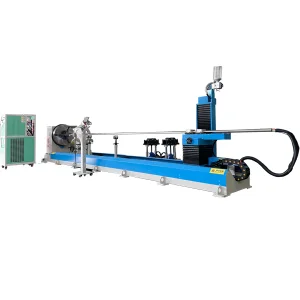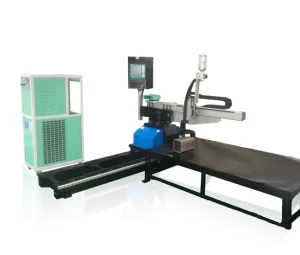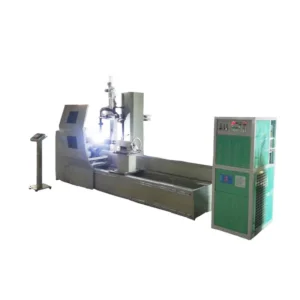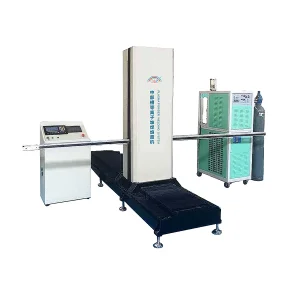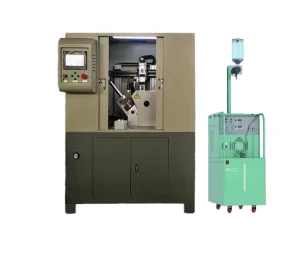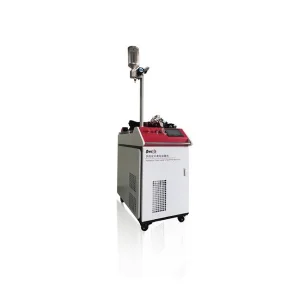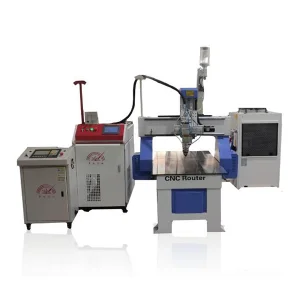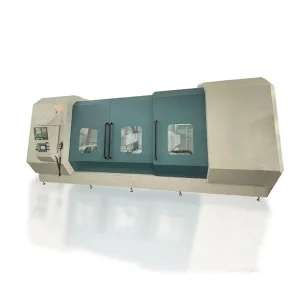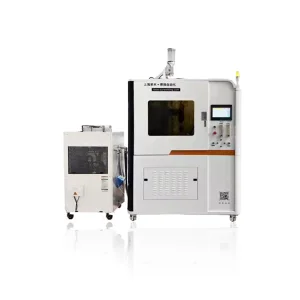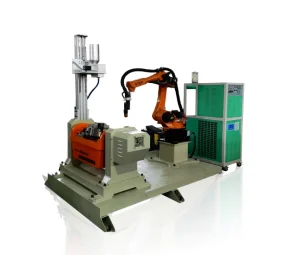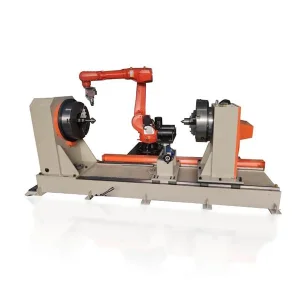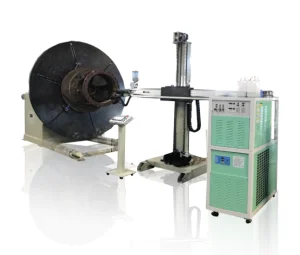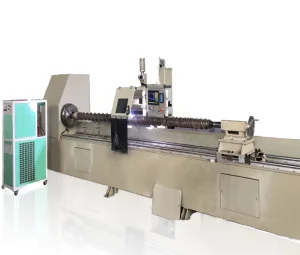
High-precision equipment engineered for durability and extreme performance.
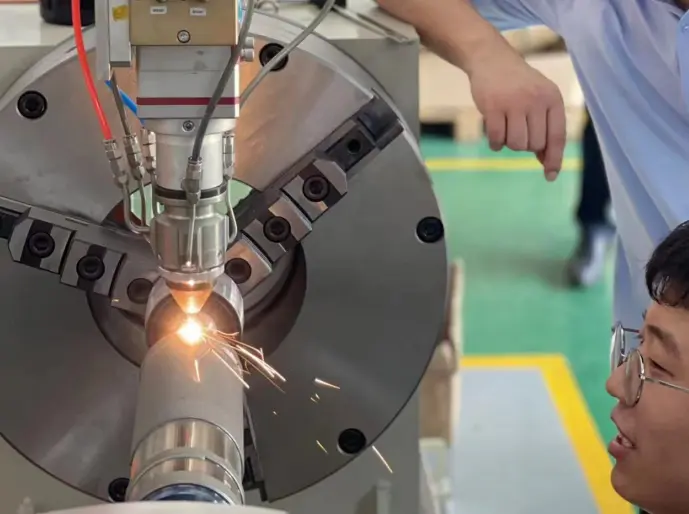
The global market for Laser Cladding and Plasma Transferred Arc (PTA) technology is undergoing a paradigm shift. As industries move toward a "Circular Economy," the focus has transitioned from simply replacing worn components to advanced remanufacturing. Laser cladding, as a key subset of Directed Energy Deposition (DED), provides a precise, low-heat-input method to bond high-performance alloys onto structural substrates.
From the deep-sea oil rigs in the Gulf of Mexico to the high-precision aerospace labs in Europe, laser cladding is the gold standard for surface enhancement, offering metallurgical bonding with minimal dilution rates (< 5%).
While Plasma Transferred Arc (PTA) remains a robust and cost-effective solution for heavy-duty applications (like mining picks and hydraulic rods), Laser Cladding offers superior control over the Heat Affected Zone (HAZ). This is critical for delicate components where thermal distortion must be avoided.
Our R&D team at Shanghai Duomu specializes in hybrid approaches, integrating robotic automation with high-speed cladding to achieve processing speeds that traditional welding cannot match.
We don't just sell machines; we provide lifecycle extension strategies for:
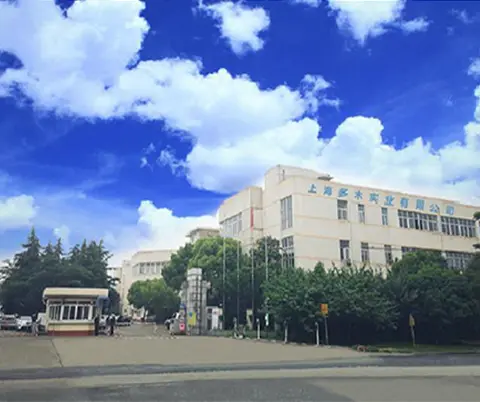
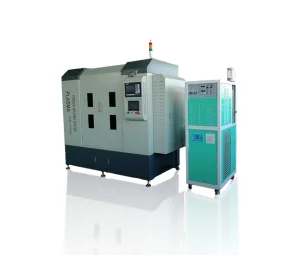
Shanghai Duomu has been a leading manufacturer and exporter of PTA cladding machines and Laser cladding machines for more than ten years. Our technical background is rooted in rigorous mechanical engineering and metallurgy.
Our independent R&D team develops, produces, and sells plasma cladding equipment that maintains efficient long-term operation. The laser cladding equipment we provide supports large-scale remanufacturing projects with mature technological means, ensuring every micron of deposited material meets international quality standards.
Tailored solutions for regional industrial compliance and specific operational environments.

Enhancing the lifespan of plows and harvesters in abrasive soil conditions across North America and Eastern Europe.

High-precision repairs for critical engine components, meeting stringent AS9100-style safety and quality standards.
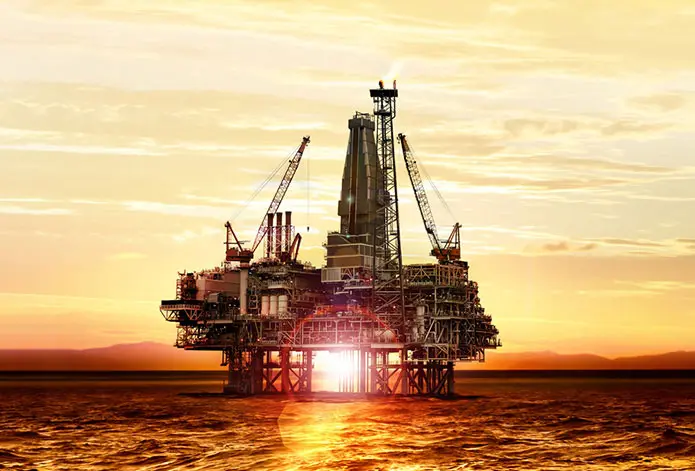
On-site repair solutions for drill bits and pipes, reducing downtime in offshore and remote desert extraction sites.
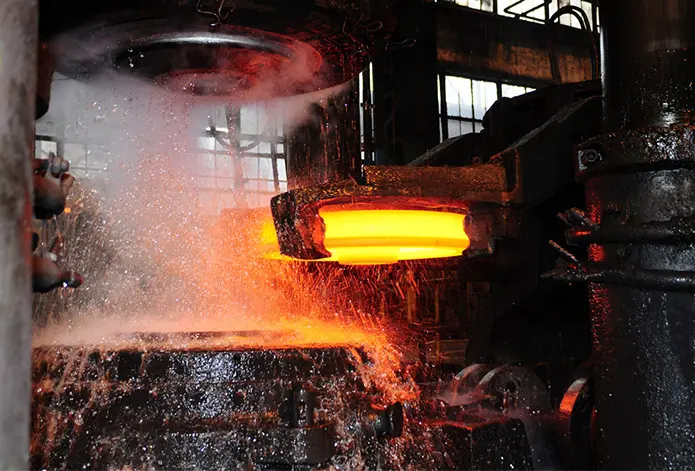
Extending the life of continuous casting rollers and forge dies subjected to extreme thermal cycling.
Integration of real-time melt pool monitoring and AI feedback loops to adjust laser power and powder feed rates dynamically, ensuring zero-defect cladding.
Advancing EHLA technology to replace traditional hard chrome plating, offering environmental compliance and significantly faster processing speeds.
Combining additive cladding with subtractive CNC milling in a single robotic cell for finished-part-ready production of complex geometries.
Explore our specialized range of automatic and robotic cladding solutions.
Expert insights into Laser Cladding and PTA technology.
Laser cladding uses a coherent light beam as the heat source, offering lower heat input and smaller heat-affected zones (HAZ). PTA (Plasma Transferred Arc) uses a plasma arc, which is generally more cost-effective for larger, thicker coatings where slight dilution is acceptable.
By providing precise data on powder flow, beam intensity, and metallurgical bond quality, laser cladding allows engineers to optimize material usage—effectively using expensive alloys only where they are needed most.
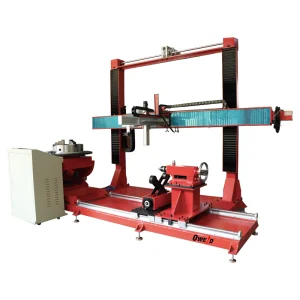
Yes. Our equipment, such as the DLM-LC501 Gantry System and the DH1440-B06 Robot, is designed with industry-standard protocols for seamless integration into automated factory environments.
We support a wide range of powders, including Cobalt-based (Stellite), Nickel-based, Iron-based, and Tungsten Carbide composites, tailored for specific wear or corrosion challenges.
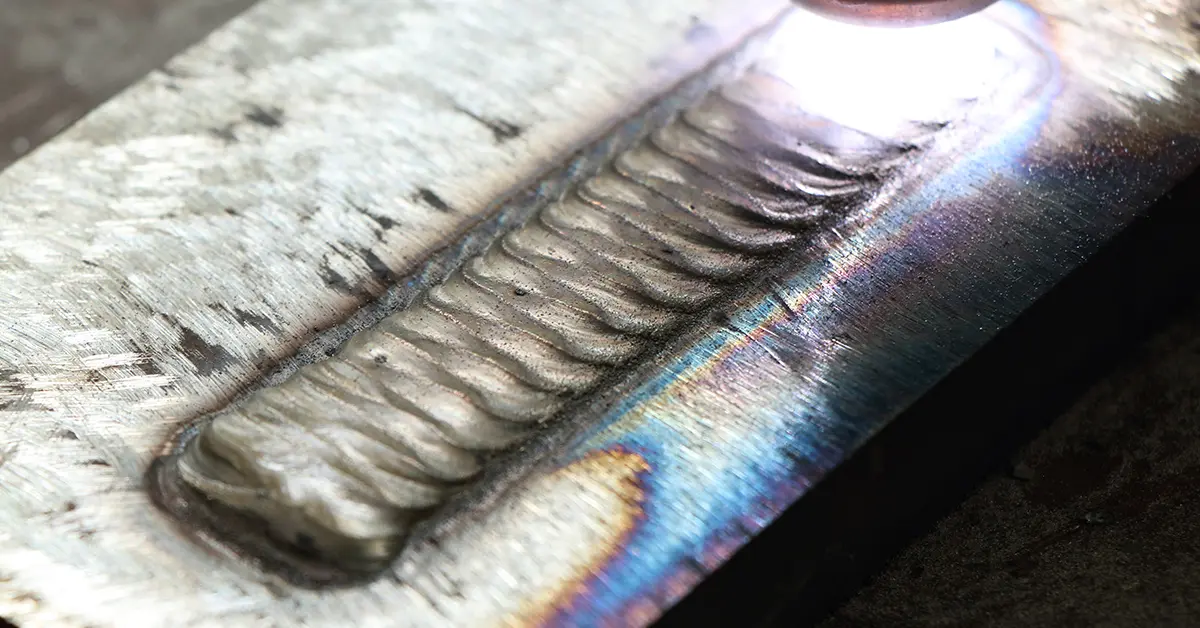
"In PTA hardfacing, the dilution rate is a critical factor affecting performance. Our DML-V03CD system ensures a high-quality overlay by optimizing welding parameters."
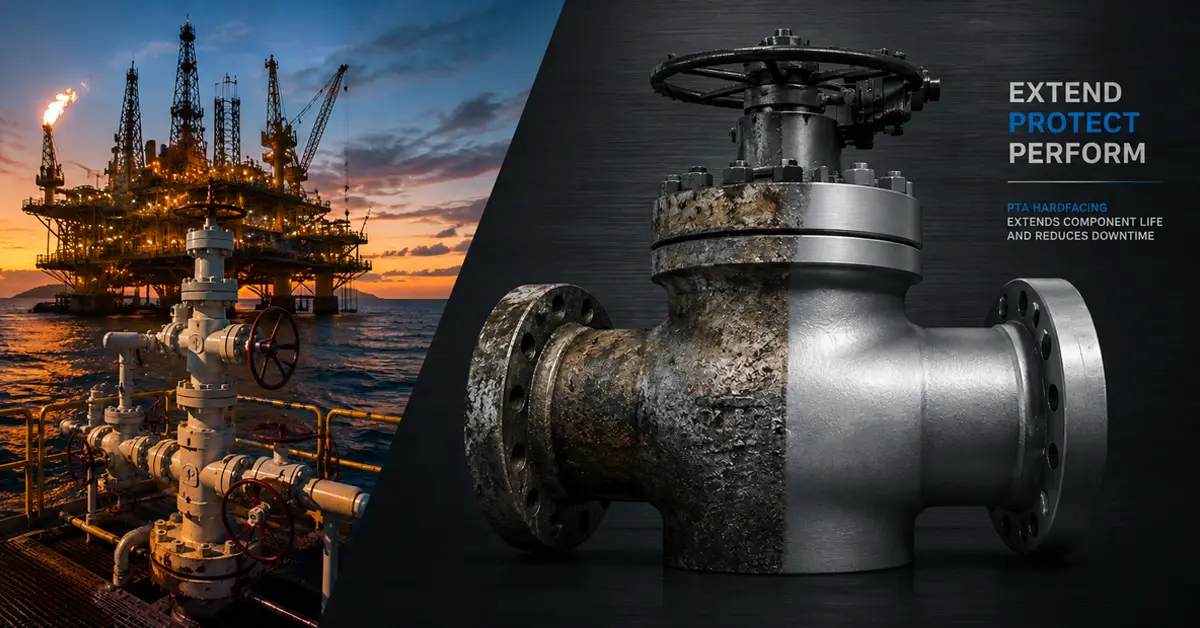
"Downtime is the real cost in Oil & Gas. Our mud pump valve seat cladding solutions focus on extending MTBF (Mean Time Between Failures)."
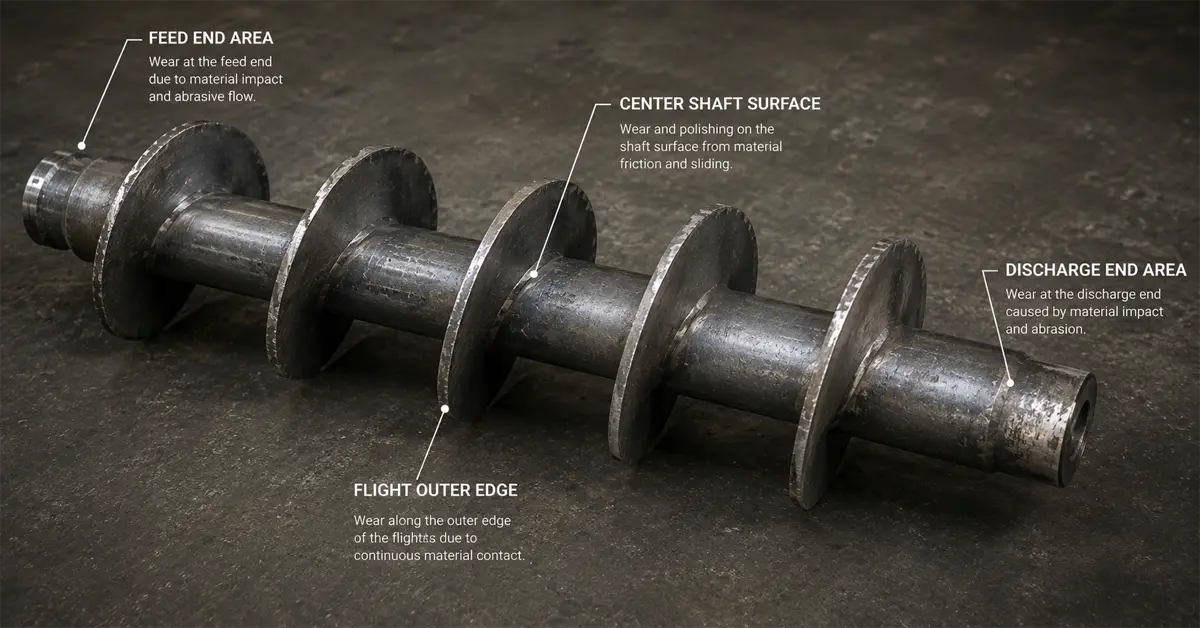
"Screw conveyors are frequent causes of unplanned production stops. Hardfacing them with our DLG-NC401 system significantly reduces maintenance cycles."
Ready to upgrade your surface engineering capabilities? Our experts are available 24/7 for consultations.