🔹
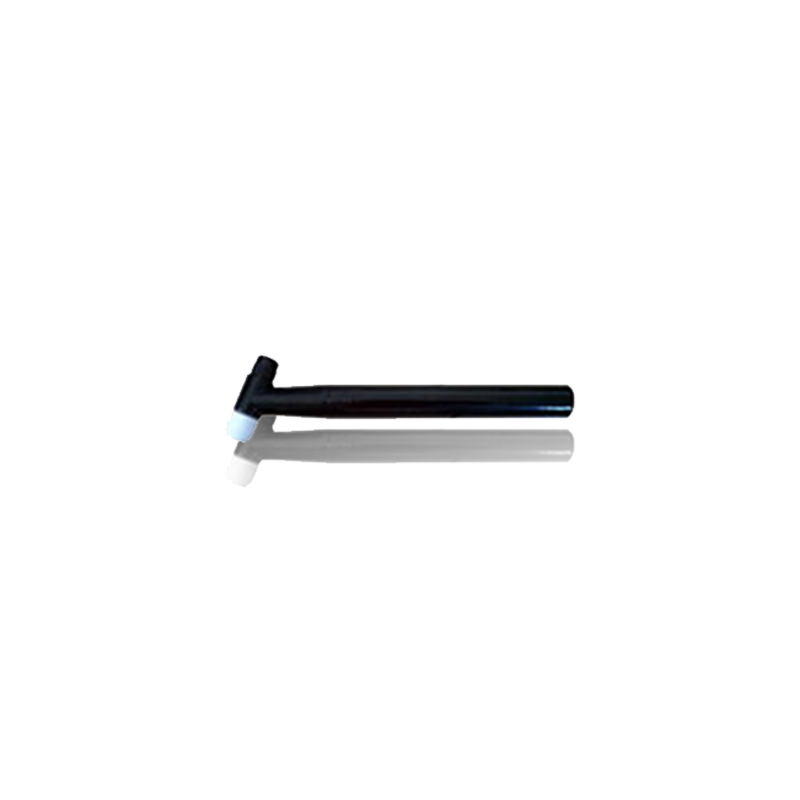
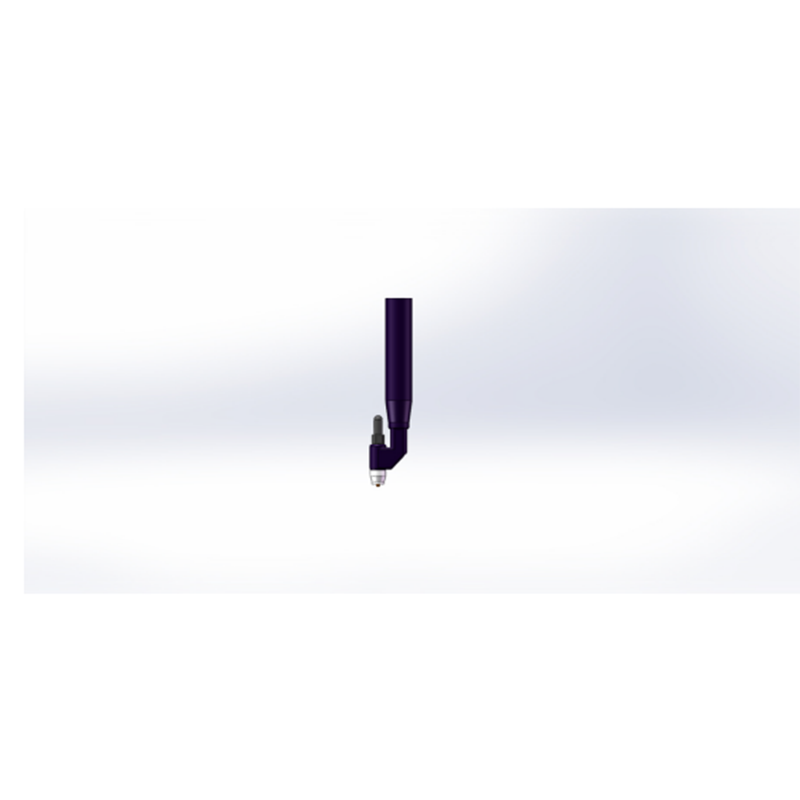
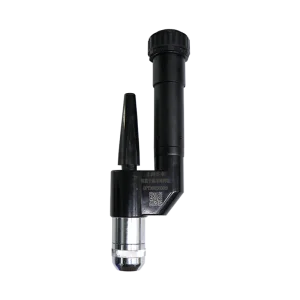
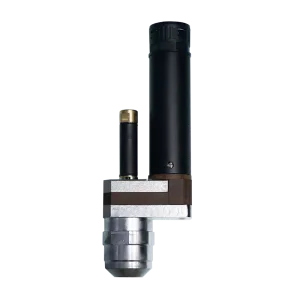
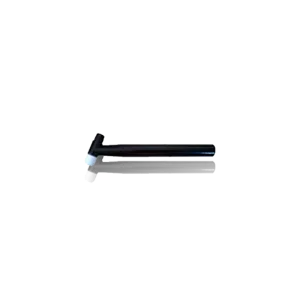
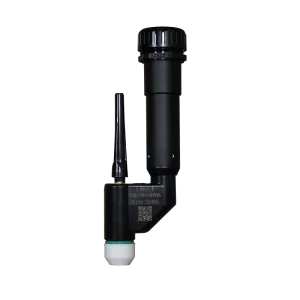
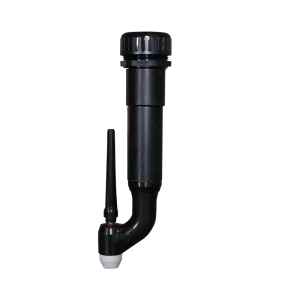
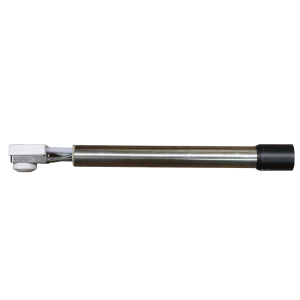
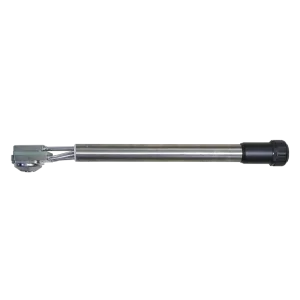
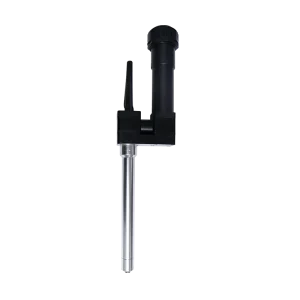
This plasma torch is designed for plasma butt welding with a smart shape, consisting of thermal elements, a nozzle, and an integrated internal water cooling system.
⚙️
It is safe to operate both manually and automatically. Due to its small and deft design, it easily enters tight spaces where other tools cannot reach. Given its low power requirements, it is ideal for welding dainty and precision work pieces.
💡
Operational Guidance: During work, a plasma torch angle between
80-110 degrees is recommended.
- If the angle is too large, splashing may increase.
- Caster Angle: (Arc toward welded parts) Results in a narrow welding bead, deep melting pool, but potentially poor formation.
- Front Rake: Results in a wide welding beam, shallow melting pool, and excellent formation.
⚠️
Safety & Maintenance:
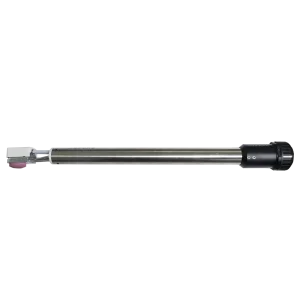
A holder is provided for hand-welding safety. Avoid contacting the nozzle during operation. Periodically clean the nozzle to prevent powder blockages. After cutting power, let the welder rest for 10 minutes before putting it away.
Frequently Asked Questions
Q1: What are the primary applications for the PT8013-HQ plasma torch?
A: The PT8013-HQ is specifically designed for plasma butt welding, particularly for dainty or precision work pieces where space is limited.
Q2: What is the recommended powder size for this torch?
A: The torch is compatible with alloy powders ranging from 70 to 200um in size.
Q3: How does the cooling system work in this model?
A: It features an integrated water-electricity system with indirect water cooling for the nozzle and dedicated cooling for the main arc.
Q4: What torch angle is best for a wide welding beam?
A: Using a "front rake" angle will provide a wider welding beam and better formation, although the melting pool will be shallower.
Q5: How often should I perform maintenance on the nozzle?
A: It is essential to clean the nozzle termly (regularly) to prevent blockages caused by powder accumulation during the aggregate feeding process.
Q6: What is the duty cycle for the welding current?
A: The welding current ranges from 3-80A with a 90% temporary load rate, while the pilot arc current (3-20A) supports a 100% load rate.