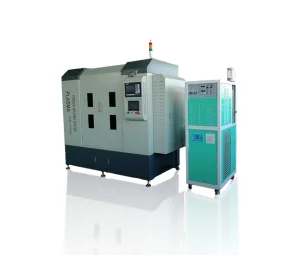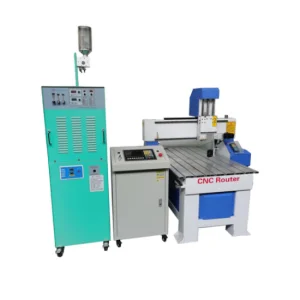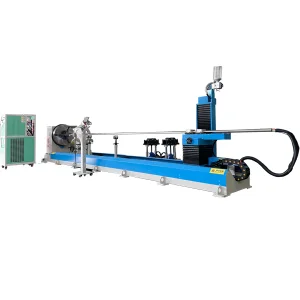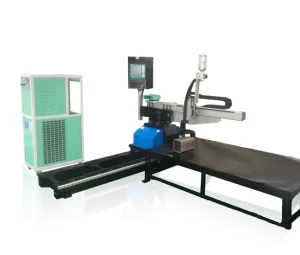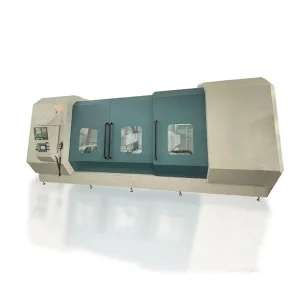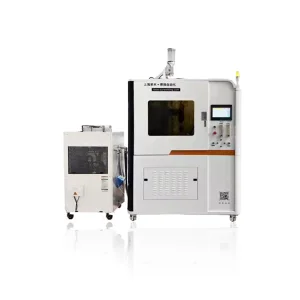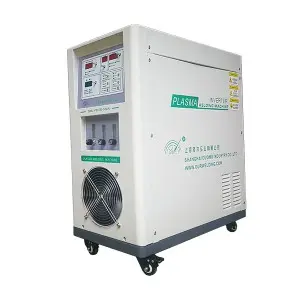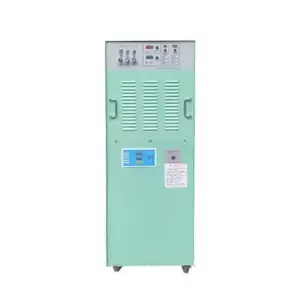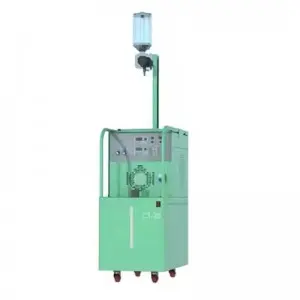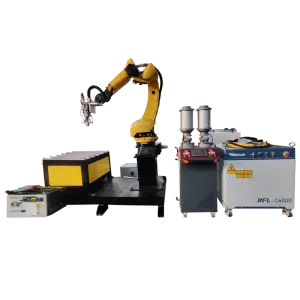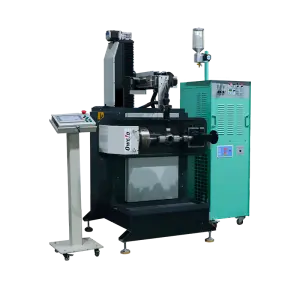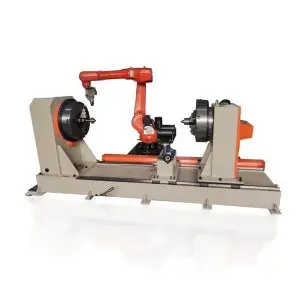
Direct supply of industrial-grade clad resurfacing systems optimized for heavy agricultural, cement, and petrochemical engineering hubs in Pakistan.
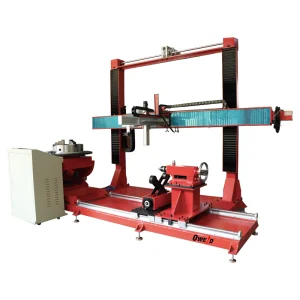
An in-depth whitepaper analysis on industrial remanufacturing, localized wear challenges, and China-Pakistan supply chain advantages.
As Pakistan undergoes significant infrastructure expansion under the China-Pakistan Economic Corridor (CPEC) framework, key sectors such as cement manufacturing in Hattar and Dera Ghazi Khan, sugar milling in central Punjab, and oil exploration in Sindh are experiencing unprecedented demands for equipment reliability. Traditional component maintenance relies heavily on frequent replacements, leading to high import bills and substantial downtime.
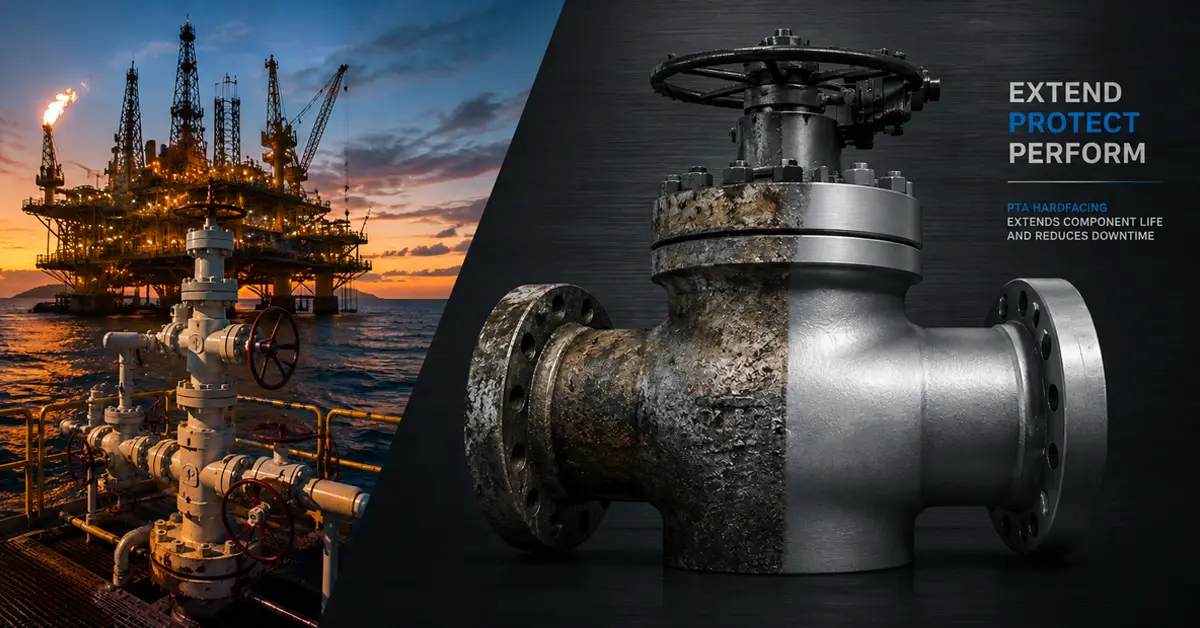
For example, in Pakistan’s sugarcane harvesting regions, soil abrasive characteristics generate high silica friction on harvesting blades and tillage tools. Manual hardfacing methods fail within weeks due to high heat input that warps the base steel. Similarly, in Karachi’s maritime refineries and Sui Gas extraction fields, pump components and valves endure corrosive chemical attack coupled with severe sand erosion. Standard components require advanced metallurgical layers (such as Stellite, Inconel, and Nickel-Chromium-Boron-Silicon alloys) deposited using precise automated gantry cladding systems to guarantee years of service life instead of months.
Across the globe, the shift toward a circular economy has pushed remanufacturing to the forefront of heavy industry. Global procurement managers now specify laser cladding for repair and pre-emptive hardening of new parts. From mining drill bits to steam turbine rotor blades, the ability to selectively apply expensive superalloys only on the contact surface saves raw material cost while achieving performance characteristics equivalent to or superior to solid alloy components.
In Pakistan, accessing these advanced additive technologies has historically been constrained by limited local technical expertise. By importing integrated, automatic plasma and laser cladding equipment, local engineering firms and heavy machinery plants can establish in-house repair setups, significantly bolstering regional self-reliance and boosting national manufacturing efficiency.
Partnering with a leading Chinese equipment manufacturer like Shanghai Duomu provides Pakistani enterprises with a distinct competitive advantage. Our modern facility integrates cutting-edge CNC programming, multi-axis robotic articulators, and state-of-the-art solid-state laser systems. This technological superiority translates into robust, highly stable machinery capable of continuous industrial operations under the extreme ambient temperatures commonly experienced in Pakistan (up to 50°C in industrial corridors during summer).
Furthermore, the logistical pathways facilitated by CPEC mean that shipping times, custom clearances, and technical support dispatches are highly streamlined compared to European or American machinery. Shanghai Duomu provides turnkey solutions including specialized CAD/CAM programming support, customized alloy powder formulations, and localized setup guidelines to ensure your system integrates flawlessly with minimal commissioning delays.
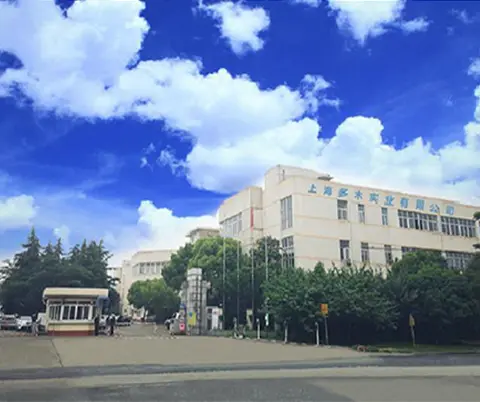
Shanghai Duomu has been a leading manufacturer and exporter of PTA (Plasma Transferred Arc) cladding machines and high-power Laser cladding systems for more than ten years, backed by a strong technical and metallurgical research foundation. Over the decade, we have established our presence in major industrial sectors worldwide, offering customized surface-hardening machinery engineered to lower operation costs and eliminate premature component failures.
Our commitment to Quality Control and continuous innovation enables us to develop solutions matching the exact demands of heavy industries. We serve a broad client base, ensuring every exported system undergoes rigorous test runs and alloy deposition trials before shipment.
We boast an independent, highly specialized R&D team that develops, produces, and sells high-performance plasma cladding and laser surfacing equipment. The power supplies, powder feeders, and torch mechanisms are designed in-house to guarantee stable arc control, minimal voltage ripple, and smooth powder delivery even during prolonged shifts.
Our laser cladding equipment supports large-scale industrial remanufacturing, utilizing specialized programming and robotic positioning systems. Through years of research into metallurgical alloy characteristics, we have successfully implemented mature technological paths to provide customized industrial setups, assisting our clients in selecting correct shielding gas, carrier gas, feed rate, and laser density parameters.
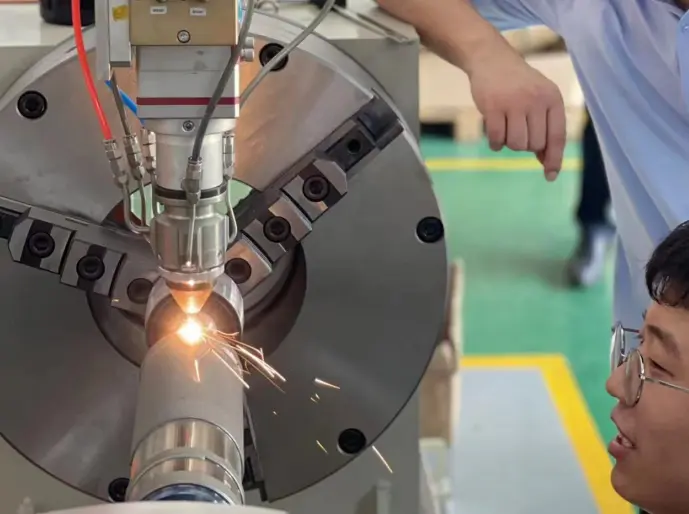
Shanghai Duomu's cladding technology has penetrated into critical global industries, significantly cutting wear rates and ensuring structural safety.


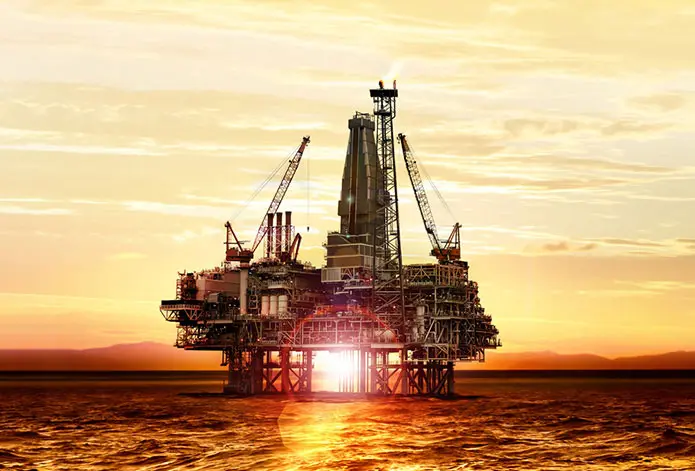
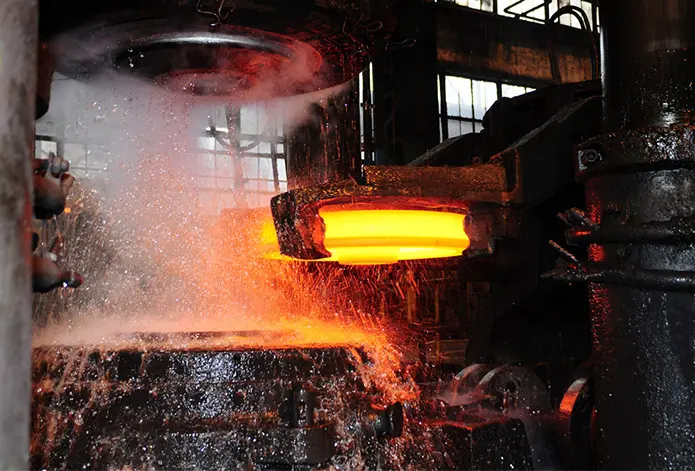
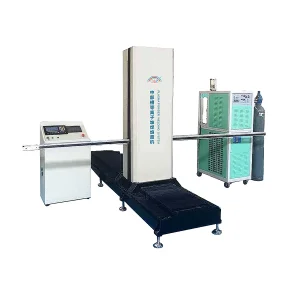
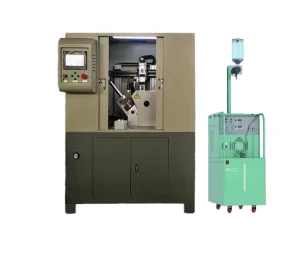
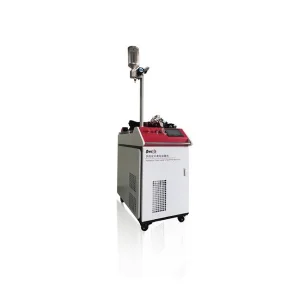
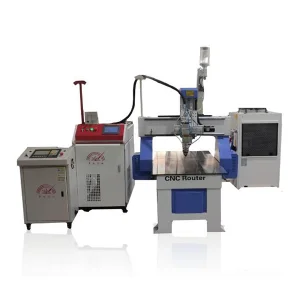
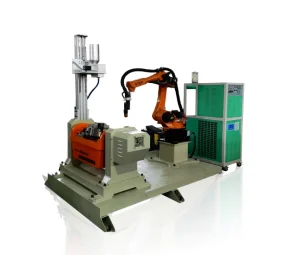
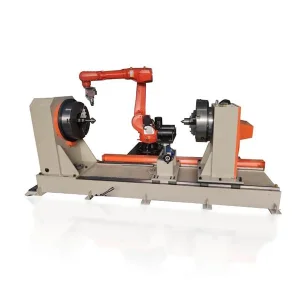
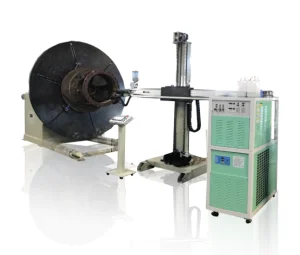
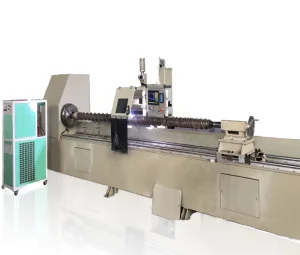
Explore our main product line of automatic laser cladding machines, gantry setups, and custom-designed plasma hardfacing machinery.
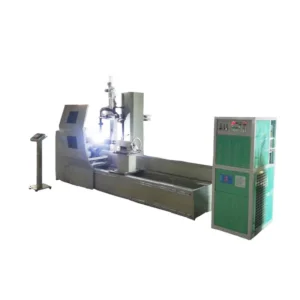
Specialized systems engineered for specific industry parts, including integrated robotic cells, valve welders, and planetary positioners.
Understand the critical scientific factors that determine hardfacing success, written by our chief engineering team.
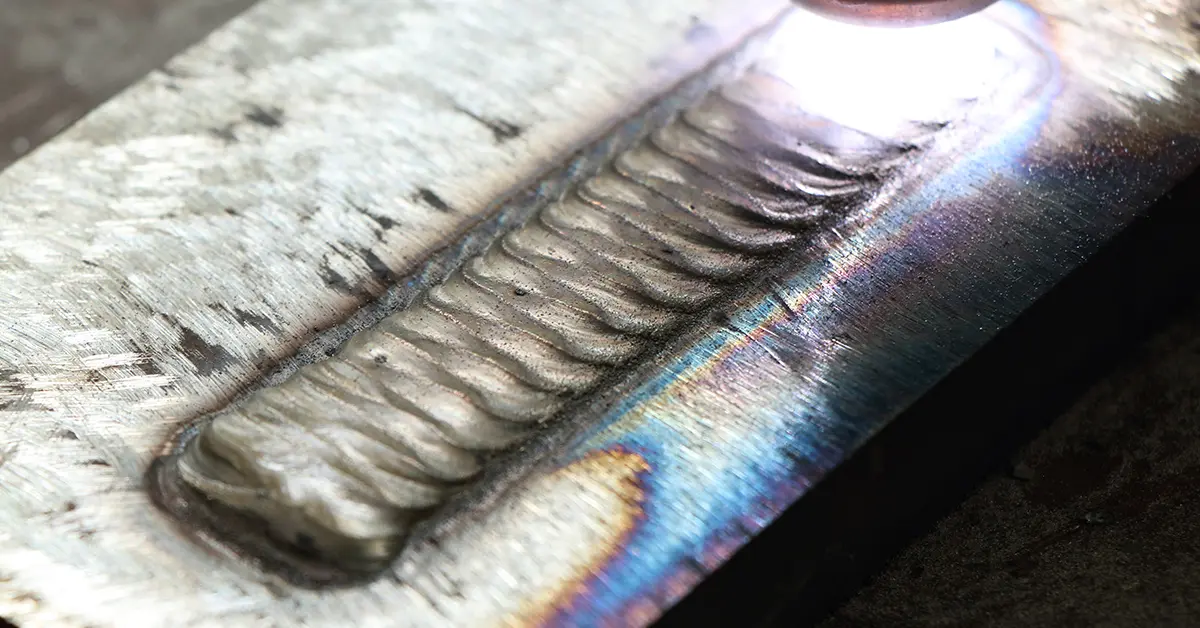
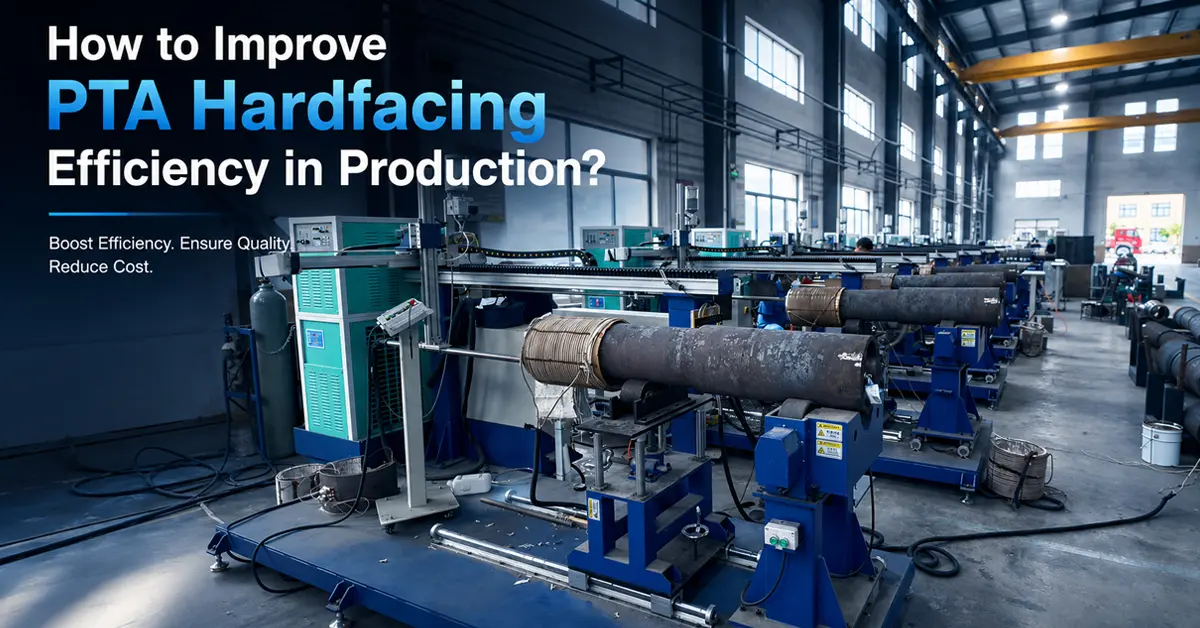



Comprehensive metallurgical and logistical information for industrial procurement managers in Pakistan.
PTA (Plasma Transferred Arc) cladding uses a plasma arc as heat source to melt alloy powder and the substrate surface, forming a strong metallurgical bond. It features a deposition rate ranging between 2 to 10 kg/hr, making it suitable for thick layers on large industrial components. Laser Cladding utilizes a focused laser beam, generating a much smaller Heat Affected Zone (HAZ) and exceptionally low dilution rates (<5%), ideal for precision parts like turbine blades and high-stress shafts where dimensional stability is critical.
We provide full logistics support under CPEC trade terms. Equipment can be shipped via sea freight directly from Shanghai Port to Karachi Port (Qasim/Keamari), or transported overland through the Khunjerab Pass route. We prepare all standard commercial documentation, certificates of origin, and compliance certifications to ensure smooth clearance at Pakistani customs checkpoints.
Yes, our PTA and Laser systems are fully compatible with a wide range of wear-resistant powders, including Tungsten Carbide blended in a Nickel-based matrix (WC-Ni), Cobalt-based alloys (Stellite series), and Iron-based hardfacing powders. This compatibility allows Pakistani cement and sugar processing plants to customize surface hardness according to local operational conditions.
We provide complete technical support including remote installation guidance, software configuration, and PLC coding updates. Additionally, we provide comprehensive training programs covering cladding trajectory planning, powder feed calibration, and basic mechanical troubleshooting. Where permitted, on-site commissioning visits by our engineers can be arranged to assist in getting your production line operational.
Get in touch with our technical sales engineers today for a tailored system configuration and detailed cost analysis.
For inquiries regarding detailed pricelists, custom configurations, or freight schedules to Pakistan ports, reach out directly to our export team.
Our technical sales engineers review incoming parameters and respond within 24 hours with budget estimates and project viability evaluations.
Send Inquiry Now