Laser Cladding Supplier & Factory for Morocco

Precision Metallurgical Overlays & High-Efficiency PTA Hardfacing Systems. Engineered to withstand heavy erosion and wear in Morocco's Mining, Automotive, and Energy Industries.

Send Inquiry Now

Morocco Industrial Edition: High-Power Laser Cladding Systems

Premium laser cladding workstations engineered for heavy-duty surface restoration and anti-wear protection in OCP mining clusters and Tangier automotive manufacturing plants.
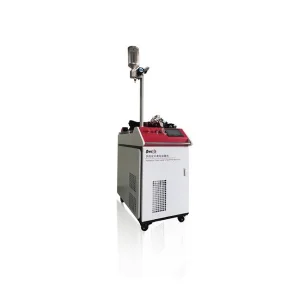
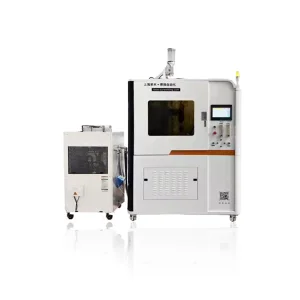
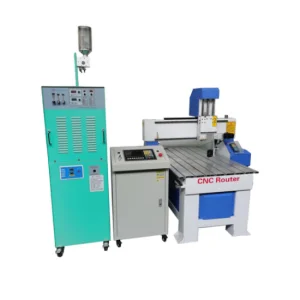
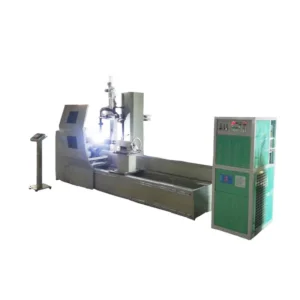
China Portable laser cladding welding machine

China Portable Laser Cladding Welding Machine for Morocco Port Repairs

View System Details →
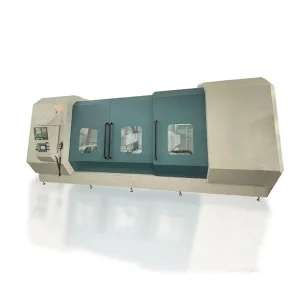
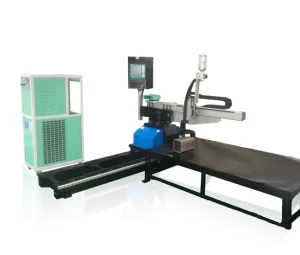
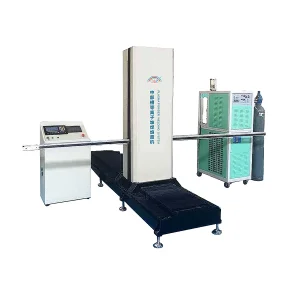
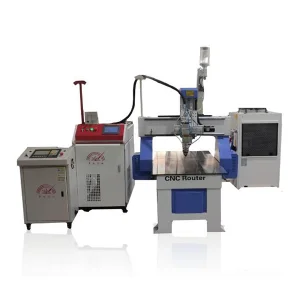
Custom Laser cladding of plane gantry

Custom Laser Cladding of Plane Gantry Systems for Morocco Die Hardening

View System Details →
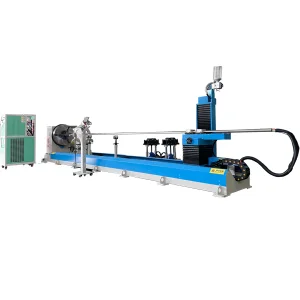
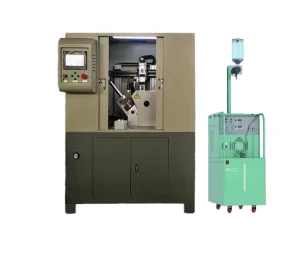
Custom Laser cladding equipment for hydraulic rod

Custom Laser Cladding Equipment for Hydraulic Rods in Morocco Phosphate Mines

View System Details →
China Cutting picks automatic laser cladding equipment DJC-LC305

Morocco Tunnelling-grade Automatic Laser Cladding Equipment DJC-LC305

View System Details →

Morocco’s Industrial Boom & The Growing Demand for Advanced Cladding

Morocco is rapidly positioning itself as the key industrial hub connecting Europe with Africa. Driven by massive national operations like the OCP Group’s phosphate mining networks, the thriving automotive production corridors in Tangier and Casablanca, and dynamic aerospace manufacturing zones, industrial machinery in Morocco is operating under harsher, high-wear conditions than ever before.

Components such as mining slurry pumps, hydraulic cylinders, metal stamping dies, and energy turbines face extreme challenges from abrasive quartz, corrosive chemical reagents, and continuous friction. Traditional repair methods—such as manual arc welding or hard chrome electroplating—no longer satisfy the strict efficiency, safety, and lifespan requirements demanded by modern Moroccan enterprises.

By implementing Laser Cladding and Plasma Transferred Arc (PTA) systems, plants can minimize thermal distortion, reduce raw material dilution to below 5%, and extend the operational life of heavy components by up to 300%. This translates directly into minimized downtime, lower capital expenditure, and a significantly reduced environmental footprint.
>300%
Component Lifespan
<5%
Dilution Rate
85%
Material Savings
Industrial Cladding Machine Production

Technical Roadmap: Laser Cladding vs. Alternative Methods

Understanding the metallurgical characteristics, thermal gradients, and bond strength values essential for selecting the correct overlay method.

Parameter High-Speed Laser Cladding Plasma Transferred Arc (PTA) Thermal Spraying (HVOF) Traditional Arc Welding
Bonding Category Metallurgical (Fusion) Metallurgical (Fusion) Mechanical Bond Metallurgical (Fusion)
Heat Affected Zone (HAZ) Extremely Narrow (0.2 - 0.8 mm) Moderate (1.0 - 2.5 mm) Negligible Wide (3.0 - 6.0 mm)
Dilution Rate <1% to 3% 5% to 10% 0% 15% to 30%
Coating Thickness 0.5 - 2.0 mm per layer 1.0 - 6.0 mm per pass 0.1 - 1.5 mm > 3.0 mm
Thermal Distortion Minimal to None Low Extremely Low High Distortion Risk
Common Alloys Ni-based, WC-Co, Stellite, Fe-based Ni-based, Stellite, Cobalt Powders Cermets, Oxides, Ceramics Fe-based hardfacing, Cr-carbide

Smart Robotic Cladding & Heat Treatment Systems

Advanced multi-axis industrial robots integrated with precision powder feeders to execute localized hardening and complex surfacing paths automatically.
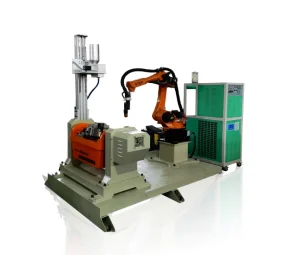
China DH1440-B06 automatic plasma surfacing robot

Morocco Automotive Press Tooling Automatic Plasma Surfacing Robot DH1440-B06

View System Details →
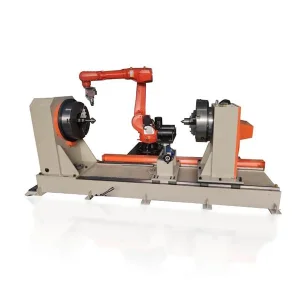
China laser hardening robot

Morocco Hardening Service High-Speed Laser Hardening Robot Systems

View System Details →
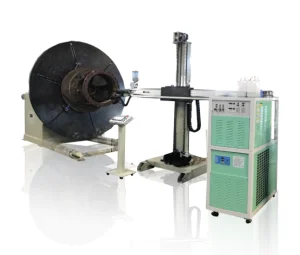
High-Quality DH3-HV1700-B06 manipulator positioner

High-Quality DH3-HV1700-B06 Manipulator Positioner for Heavy Rotational Loads

View System Details →
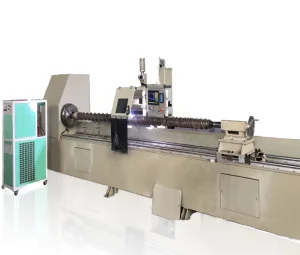
Custom DLG-NC401 automatic screw welding machine

Custom DLG-NC401 Automatic Screw Welding & Hardfacing Machine for Feed Screws

View System Details →
Laser Cladding Application

Global Laser Cladding Technology Trends

Across the globe, the additive manufacturing and surface modification sectors are shifting from passive maintenance toward proactive life-cycle design. The adoption of high-speed laser cladding (EHLA) and advanced wire-fed laser methods is accelerating. These technologies allow for extremely thin coatings (~0.1 mm) applied at rates up to 10 times faster than conventional laser cladding.

Key drivers include:

  • Decarbonization Goals: Repairing a turbine runner, hydraulic guide, or extrusion screw consumes less than 15% of the energy and materials required to manufacture a new counterpart.
  • AI-Driven Optimization: Sensor-based cladding loops dynamically monitor melt pool dynamics, adjusting laser output power and powder feeding speed in real time to completely avoid voids or microcracking.
  • Custom Alloy Development: Engineering tailor-made composite matrixes containing super-hard ceramic inclusions like Tungsten Carbides (WC) suspended inside ductile Nickel or Cobalt lattices.

Localized Application Scenarios in Morocco

Ensuring maximum reliability for machinery running in extreme environments across agriculture, defense, heavy chemical processing, and mining complexes.


agricultural machinery

Agricultural Machinery

Aerospace military industry

Aerospace & Military Industry

petroleum machinery

Petroleum & Chemical Machinery

Metallurgy casting

Metallurgy & Casting Systems

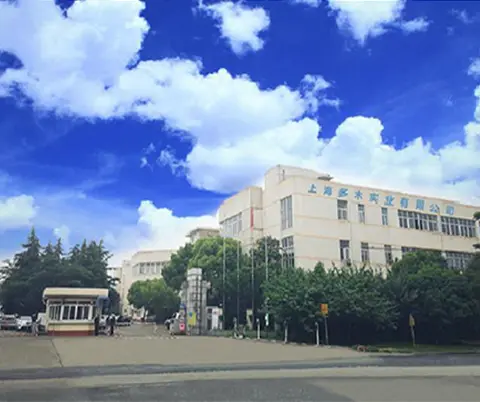
About Shanghai Duomu

Shanghai Duomu has stood at the forefront of plasma and laser materials engineering for over a decade. As a leading manufacturer and global exporter of high-precision PTA cladding systems, laser deposition tooling, and automated robotic systems, we supply cutting-edge wear solutions to demanding industrial users worldwide.

Our dedicated technical department features specialized metallurgical labs, robotic testing cells, and advanced CAD/CAM trajectory simulators. This robust R&D framework enables us to develop tailor-made wear alloys, optimize heat input parameters, and manufacture industrial-scale equipment line-ups that withstand harsh real-world operation.
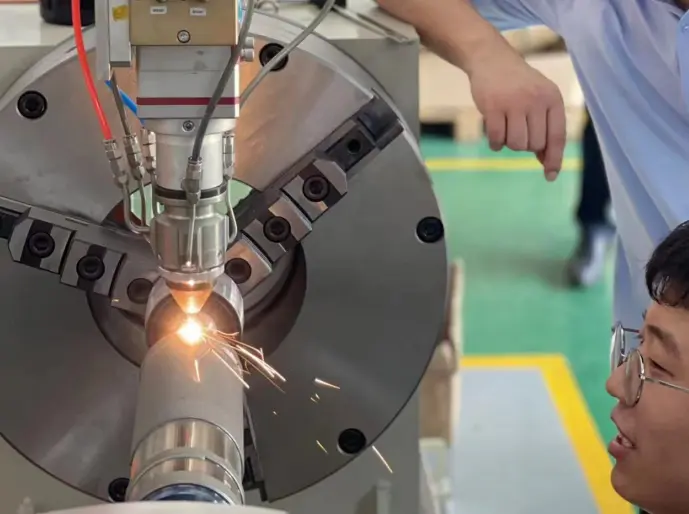
Duomu R&D Testing Center

Complete PTA & Plasma Cladding Machine Catalog

Explore our heavy-duty plasma surfacing machines, engineered for high-deposition hardfacing applications on wear plates, valves, hydraulic cylinders, and agricultural blades.
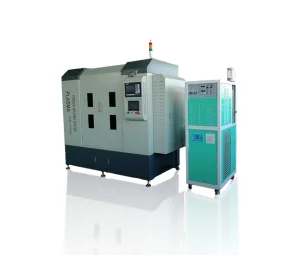
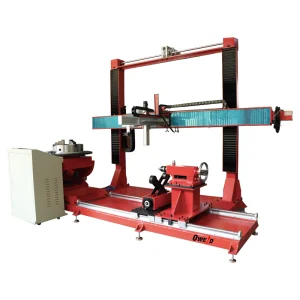
China DJC-LC305 Automatic cutting picks plasma cladding equipment

Morocco-optimized DJC-LC305 Automatic cutting picks plasma cladding equipment

View System Details →
Custom DLM-LC501 Double column gantry welding system

Custom DLM-LC501 Double Column Gantry Hardfacing Welding Systems

View System Details →
China DNC2000 Planar plasma surfacing system

China DNC2000 Planar Plasma Surfacing System for Morocco Wear Plates

View System Details →
Custom DSL-LC401 double cone cladding machine

Morocco-grade DSL-LC401 Injection Molding Machine Barrel Inner Hole Cladding

View System Details →
High-Quality DXB-NC301 Cantilever plasma surfacing system

High-Quality DXB-NC301 Cantilever Plasma Surfacing System

View System Details →
DYY-LC501 Hydraulic rod automatic plasma cladding machine

High-Quality DYY-LC501 Hydraulic Rod Automatic Plasma Cladding Machine

View System Details →
China DZB-NC401 Automatic plasma cladding system

China DZB-NC401 Automatic Plasma Cladding Surfacing System for Middle Groove

View System Details →
High-Quality FB-200P plasma welding machine

High-Quality FB-200P Automatic Plasma Welding Machine for Valves

View System Details →

Technical Publications & Practical Testimonials

In-depth insights, case studies, and engineering guidelines addressing component degradation and surface fatigue across major industries.

"In Plasma Transferred Arc (PTA) hardfacing, achieving a high-quality overlay is not only about selecting the right alloy powder or optimizing welding parameters. One of the most critical factors that directly affects overlay performance is the dilution rate. Whether you require minimum parent metal contamination or specific carbide distribution, managing the heat input is essential."
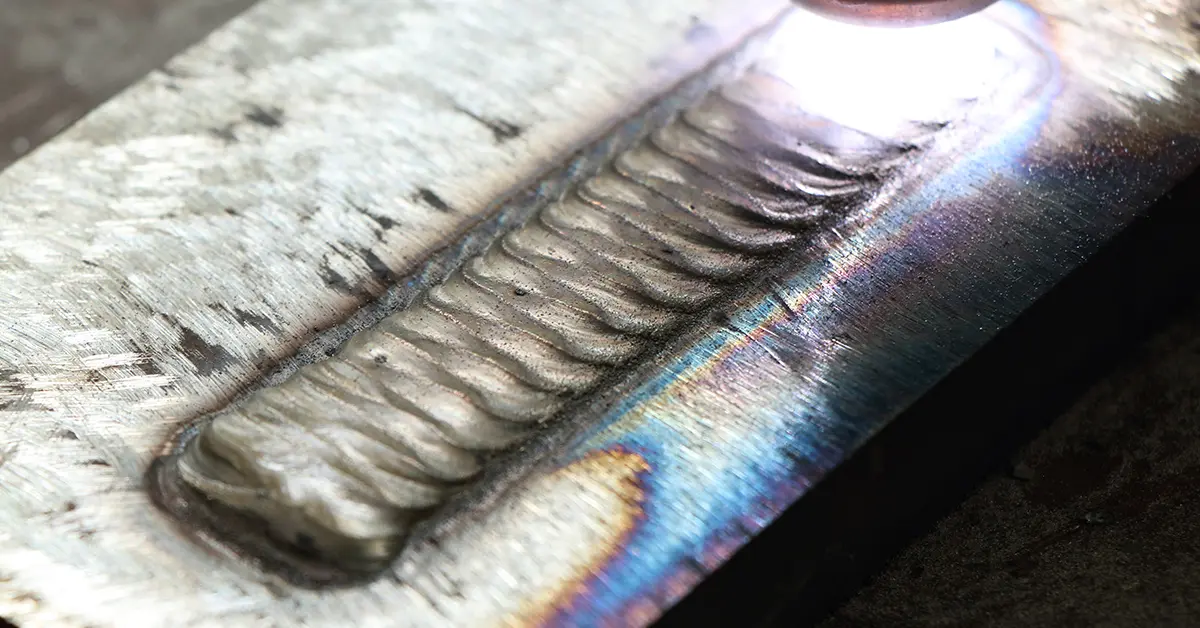
Dilution Rate Study
Optimizing Dilution in PTA Metallurgical Lab Analysis

"Improving PTA hardfacing efficiency is not simply about increasing welding speed or depositing more alloy within a shorter time. In industrial production, the real efficiency of a Plasma Transferred Arc (PTA) hardfacing process depends on energy transfer metrics, powder usage optimization, and decreasing post-cladding machining allowances."
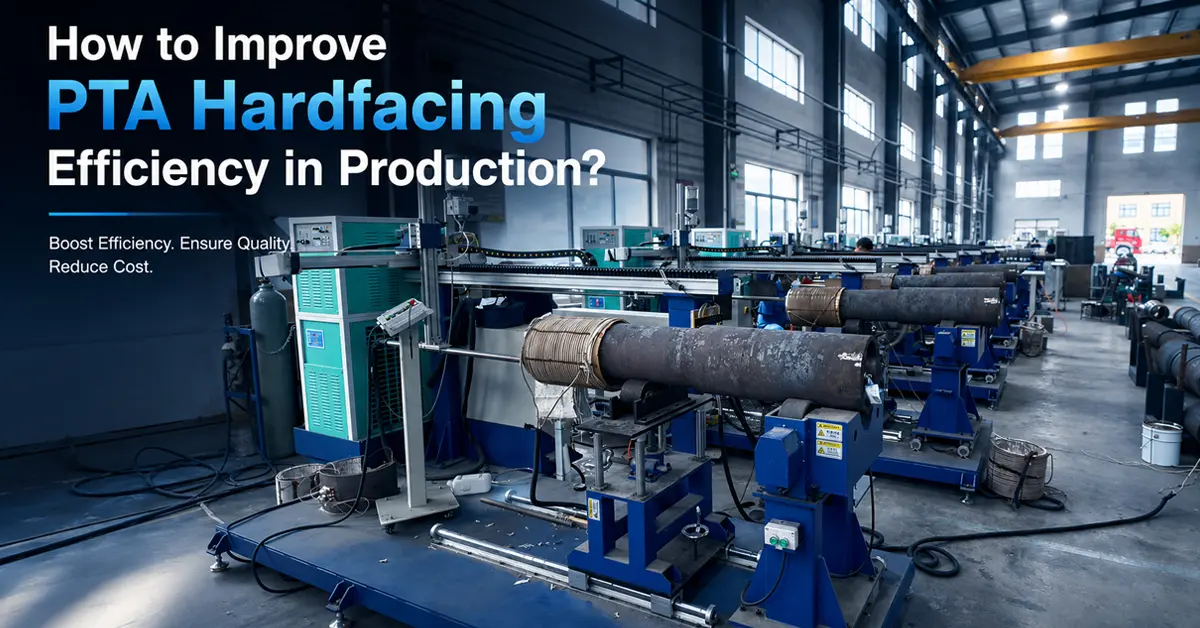
PTA Efficiency Study
PTA Efficiency Optimization Production Engineering Group

"In Oil & Gas, the Real Cost Is Downtime—Not the Component. When a choke valve fails due to sand erosion, a mud pump valve seat wears beyond tolerance, or a drill stabilizer reaches the end of its service life, the traditional response is replacement. However, cladding these areas with Stellite or Tungsten Carbides offers a far superior economic lifecycle."
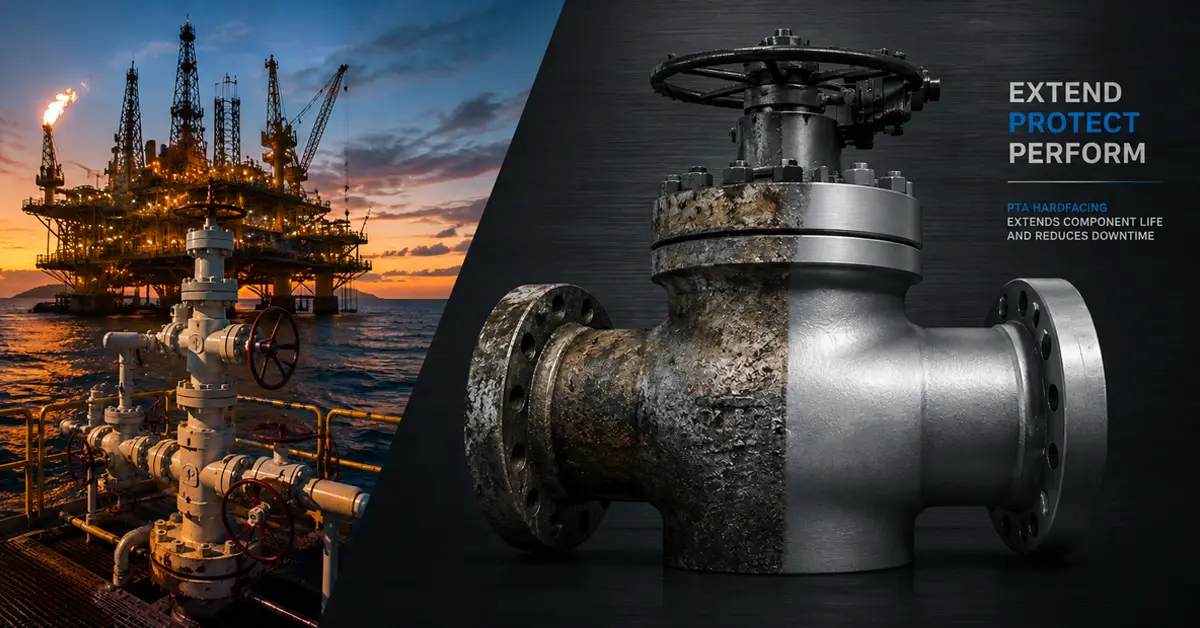
Oil & Gas Valve Study
Erosion Control in Valves Petrochemical Application Notes

"For industrial equipment operating in abrasive, erosive, corrosive, or high-temperature environments, wear is inevitable. The real challenge is not preventing wear altogether but choosing the most cost-effective maintenance strategy once wear occurs. Modern laser cladding repair offers a precise, low-distortion solution to restore parts to OEM specifications."
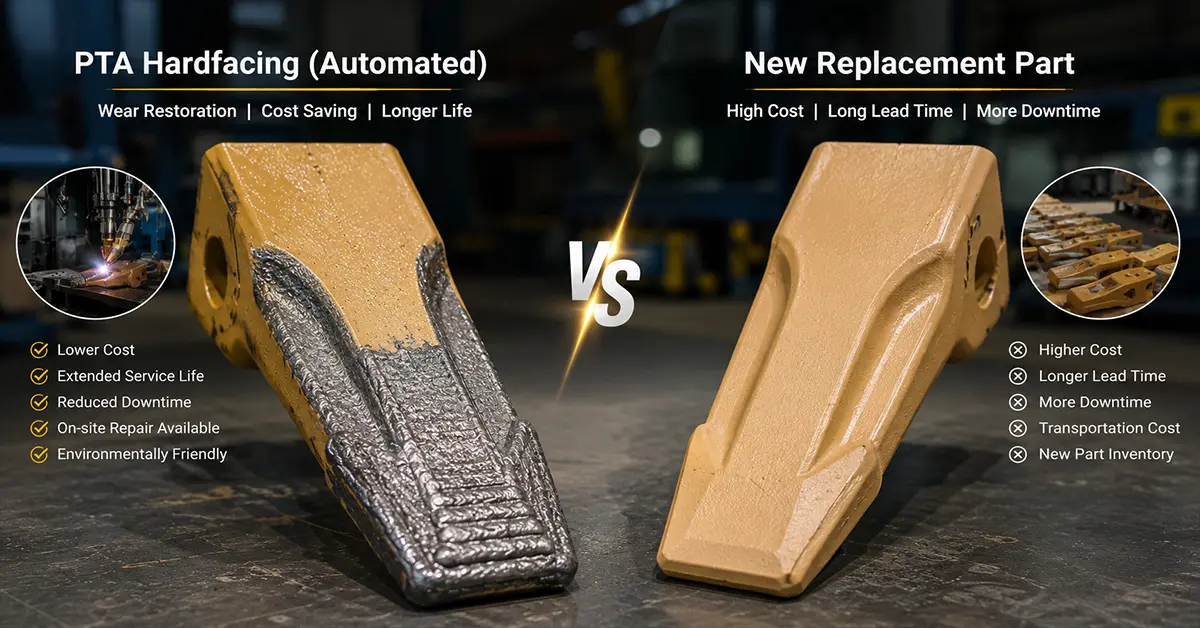
Wear Cost Strategies
Preventive Surface Treatment Maintenance Strategy Group

"In industries such as mining, cement, power generation, steelmaking, chemical processing, and biomass energy, screw conveyors are often regarded as auxiliary equipment. However, maintenance data shows that they are among the most frequent causes of unplanned production downtime. Automated flight surfacing is highly effective at extending tool life."
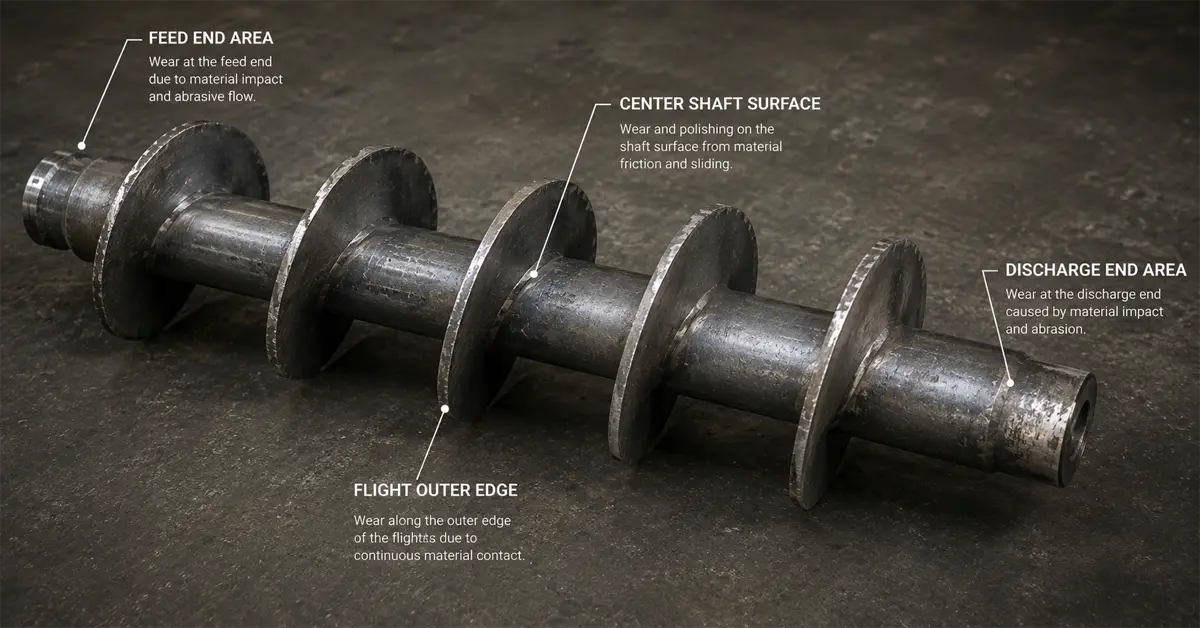
Screw Conveyor Wear Analysis
Conveyor Screws Hardfacing Mining Logistics Research

Global Collaborations & Industrial Trust Indicators

Serving world-class enterprises and heavy equipment operations with certified cladding hardware and engineering support.

Partner Logo Partner Logo Partner Logo Partner Logo Partner Logo Partner Logo Partner Logo Partner Logo

Technical FAQ: Industrial Cladding Systems

Essential answers regarding alloy options, automation setup, and implementation requirements for buyers and maintenance engineers in Morocco.

Q1: Why is laser cladding superior to thermal spraying for OCP phosphate processing equipment in Morocco?
Laser cladding creates an actual metallurgical bond with the substrate metal, offering high bond strength (typically >400 MPa) that prevents peeling under heavy shear loads. In contrast, thermal spraying (like HVOF) forms a mechanical bond, which is highly prone to spalling in harsh environments such as slurry pumps and classification screws processing abrasive phosphate rock.
Q2: How does the dilution rate affect the performance of PTA hardfacing overlays?
Dilution refers to the percentage of the base metal that melts and mixes with the cladding alloy overlay. A high dilution rate (common in conventional arc welding) compromises the hardness and corrosion resistance of the overlay by contaminating it with the substrate material. Our laser systems maintain dilution under 1%, ensuring the cladding layer retains its full chemistry and anti-wear properties.
Q3: Can your laser cladding systems be integrated into automated robotic production lines?
Yes, our entire lineup—including the DNC2000 and DH1440-B06 robots—features standard industrial bus interfaces (such as Profinet or EtherCAT). This allows them to synchronize seamlessly with multi-axis manipulators, turntables, and external PLC frameworks to automate large-scale production, such as automotive die-hardening lines.
Q4: What alloys are recommended for high-corrosion offshore valve applications in Morocco?
For marine environments, offshore valves, and chemical processing, we recommend Nickel-base superalloys (such as Inconel 625) or Cobalt-base alloys (such as Stellite 6). These powders provide a dense protective layer that withstands chloride pitting, high temperatures, and erosive wear.
Q5: What are the typical ROI timelines for adopting on-site portable laser cladding systems?
Most industrial facilities report full equipment amortization within 6 to 12 months. This ROI is driven by reclaiming worn shafts and rollers at a fraction of replacement costs, and reducing downtime in production lines where every unscheduled hour costs thousands of dollars.
Q6: How do Shanghai Duomu's cladding systems comply with international quality standards?
All our PTA and laser cladding stations are engineered in strict compliance with ISO9001 quality management procedures and carry valid CE certifications. We source premium industrial lasers and components to ensure reliable operation under continuous multi-shift production conditions.

Ready to Optimize Your Industrial Surface Lifecycle?

Consult with our technical engineers to design custom laser systems or specify the ideal hardfacing alloy matrix for your operational needs in Morocco.

Send Inquiry Now