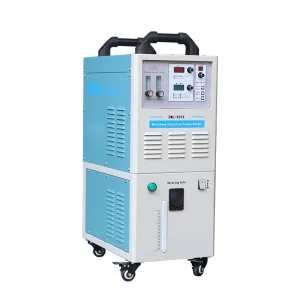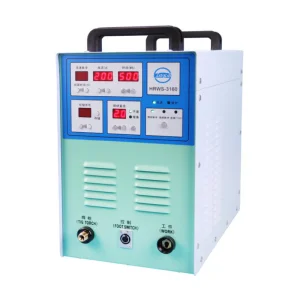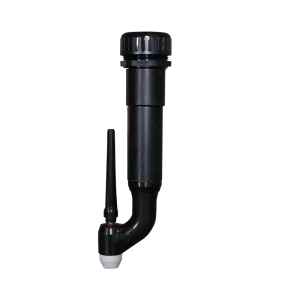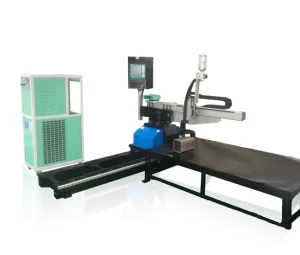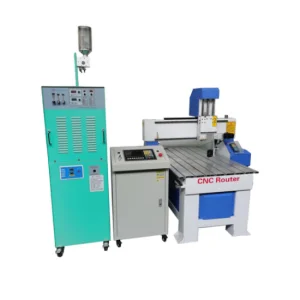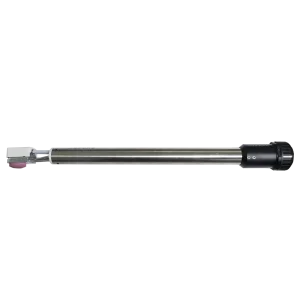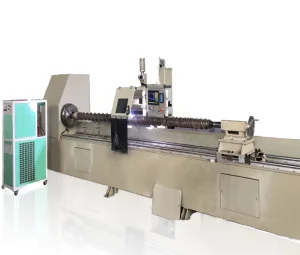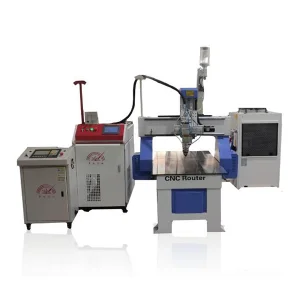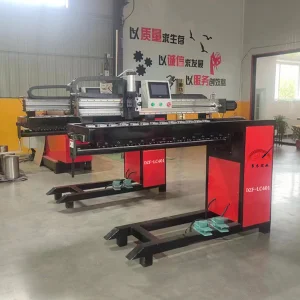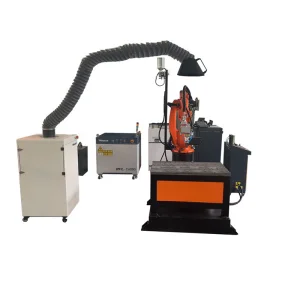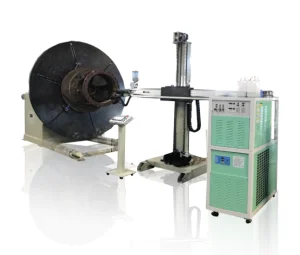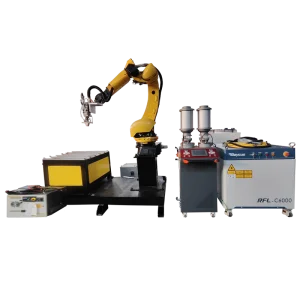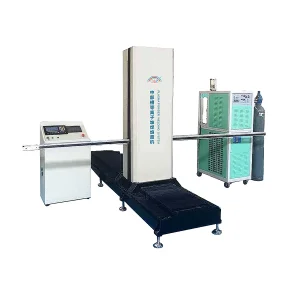
Discover our primary lineup of precision PTA machinery, bespoke torches, and automated surfacing platforms.
Soldadura con Plasma, specifically Plasma Transferred Arc (PTA) welding, represents a pinnacle technology in modern metallurgical surfacing and thermal remanufacturing. Unlike conventional GMAW or GTAW processes, PTA hardfacing utilizes a constrained, high-energy plasma arc to melt both the substrate surface and the injected filler metal (typically a dynamic metal powder). The results are highly precise overlays characterized by low dilution rates, ultra-low thermal distortion, and exceptional chemical homogeneity.
By confining the electric arc through a copper nozzle, temperatures up to 20,000°K are achieved. This concentration of energy yields a key metallurgical advantage: it enables base metal dilution rates below 5% in a single pass—substantially lower than standard MIG or TIG hardfacing. Lower dilution ensures that the chemical integrity of the hardfacing alloy (such as tungsten carbide matrices, cobalt-based stellites, or nickel-based self-fluxing alloys) remains undiluted, providing maximum wear, corrosion, and erosion protection directly at the material interface.
At Shanghai Duomu, our research emphasizes complete process integration. We design and deliver comprehensive industrial equipment solutions consisting of high-performance power sources, advanced CNC-controlled powder feed systems, robust gantry structures, and specialized robotic integration. Our PTA and laser cladding systems support the recovery of complex mechanical parts, allowing components subject to severe wear to be reclaimed and enhanced beyond their original OEM specifications.
How Shanghai Duomu's PTA and Laser cladding technology serves the world's most critical high-wear environments.
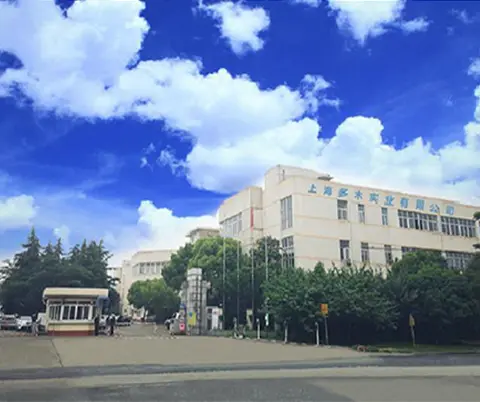
Shanghai Duomu has been a leading manufacturer and exporter of PTA cladding machines and Laser cladding machines for more than ten years, backed by a strong technical background. Our dedicated R&D division continually explores boundary metallurgical sciences, focusing on powder metallurgy, plasma stabilization, and real-time tracking of cladding zones to eliminate porosities and cracking defects.
By blending mechanical automation with material science, we transition operations from reactive repairs to proactive surface engineering. We enable our global clients to withstand structural stress, friction, heat, and corrosive environments.


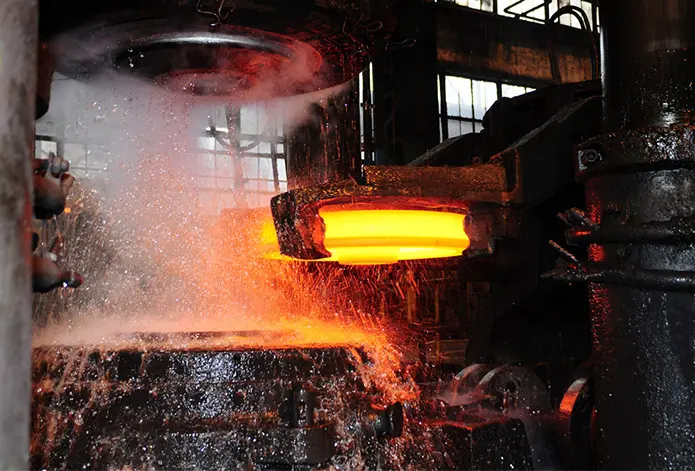
Our independent R&D team develops, produces, and sells high-capacity plasma cladding machine equipment. Our welding machines exhibit stable electrical performance, high-speed pilot arc striking capability, and consistent powder delivery, maintaining highly efficient operation during extended manufacturing shifts.
Additionally, the laser cladding equipment sold by Shanghai Duomu supports large-scale industrial remanufacturing projects. By using localized high-energy laser inputs, we achieve negligible heat-affected zones (HAZ). This is ideal for precision parts such as turbine blades, hydraulic rods, and extrusion screws where metallurgical structure and shape retention are critical.
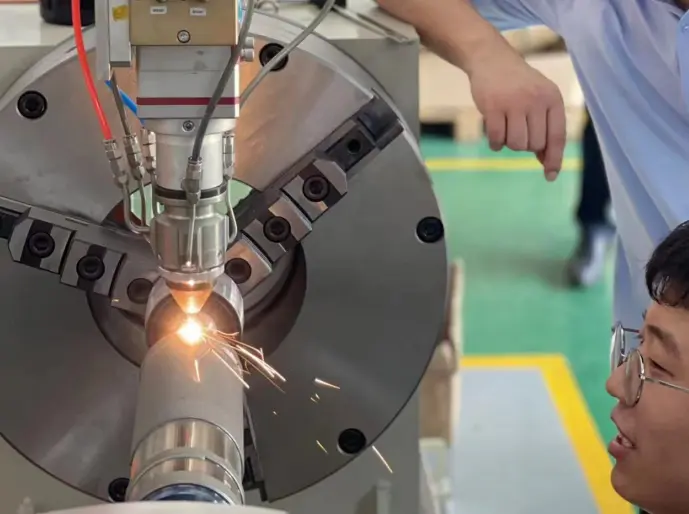
How modern industrial clusters and integrated processes support global reliability.
Operating out of Shanghai's Jiading district industrial hub, we control the entire lifecycle of our PTA and laser systems. From PCB assembly and power-control cabinet design to CNC machining and testing of specialized torches, our in-house control reduces components vulnerabilities and ensures consistent build quality.
Our PTA machines are built to process diverse hardfacing powder materials. We optimize feed mechanics for nickel-base, cobalt-base, iron-base, and complex tungsten carbide composite powders. These configurations prevent feed blockages and maintain smooth output across variable density variations.
Prior to shipment, every unit undergoes continuous high-load testing. Control algorithms, gas flow rates, voltage stability limits, and thermal cooling circuits are thoroughly stress-tested. This ensures that when the system lands on your production floor, it is fully operational and reliable.
Specialized systems for hydraulic rods, industrial valves, and rotational component repairs.
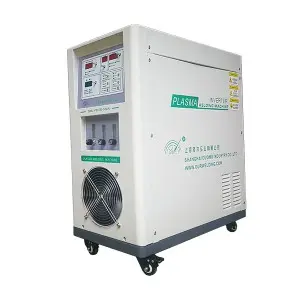
High-stability PTA surfacing system for valves and rotational repairs.
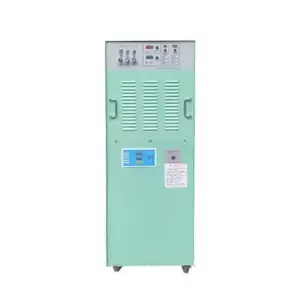
All-in-one system combining standard welding functions with PTA powder deposition.
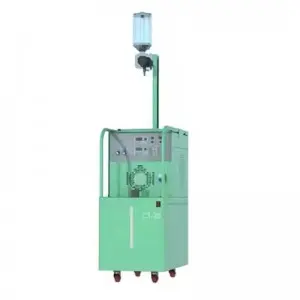
Configurable platform for high-precision metallurgical deposits.
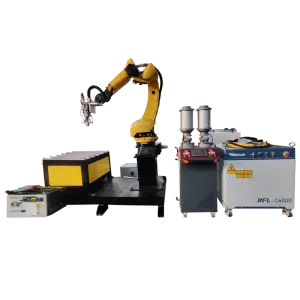
Engineered for aerospace turbine component repair and thermal barrier cladding.
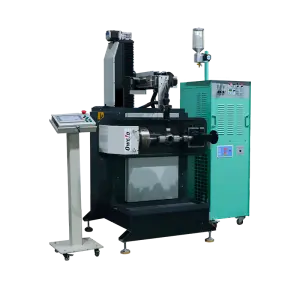
Fully automated system targeting multi-axis sphere claddings.
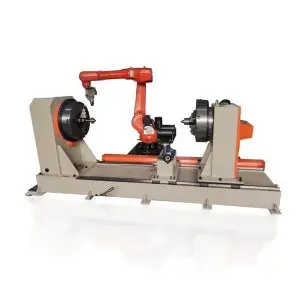
Robotic laser hardening for large dies, tooling, and heavy gears.
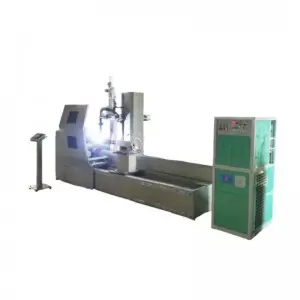
Designed for high-productivity cladding of hydraulic pistons, rods, and heavy structural tubes.
The industrial surface treatment sector is shifting from manual, open-loop operations toward automated, intelligent closed-loop environments. Shanghai Duomu is leading this development with research and system updates designed to meet these requirements.
We are integrating high-speed melt-pool cameras and infrared optical pyrometers into our plasma torches. This hardware feeds real-time surface temperature data directly into our controller. If thermal variations outside specifications are detected, the system auto-corrects powder flow and arc current variables within milliseconds. This closed-loop process ensures consistent bead quality and minimizes weld defects like cracking.
To leverage both technologies, our roadmap includes hybrid systems that use both PTA and laser cladding. These machines utilize PTA for high-deposition base layers, and transition to laser cladding for precision top layers. This process provides cost-effective manufacturing for complex geometries like large valves, mining screw conveyors, and extrusion barrels.
Future iterations of our DNC and DML systems will feature IoT-based cloud modules. This allows operations managers to monitor deposit weights, powder usage, arc status, and gas flows remotely. Real-time logging also tracks wear and maintenance requirements, helping operators avoid unexpected downtime.
Understanding the technical specifications and certifications required for international machinery integration.
Our standard manufacturing configuration is 380V, 50Hz, 3-phase power. However, we engineer custom power transformations for international clients, including 480V/60Hz configurations for North American operations, 415V/50Hz for the UK, and 440V for industrial setups in South America. This ensures seamless onsite integration.
Shanghai Duomu's operations adhere strictly to the ISO 9001 quality management standard. Our electrical layouts, cabinet cabling, safety interlocks, and emergency stop systems are designed to comply with CE directives. This helps simplify the local safety compliance processes for our buyers.
Whether your factory relies on Siemens, Fanuc, Beckhoff, or custom PLC control protocols, our systems are built with adaptable communication ports. This makes it straightforward to integrate our PTA and laser cladding systems into existing robotic work cells and manufacturing networks.
Purchasing heavy machinery internationally requires reliable support. At Shanghai Duomu, we support global operations through a structured service methodology:
Practical studies detailing the economics and metallurgical science of Plasma Transferred Arc applications.
"In Plasma Transferred Arc (PTA) hardfacing, achieving a high-quality overlay is not only about selecting the right alloy powder or optimizing welding parameters. One of the most critical factors that directly affects overlay performance is the dilution rate. Controlling dilution determines whether the cladding retains its designed wear resistance properties."
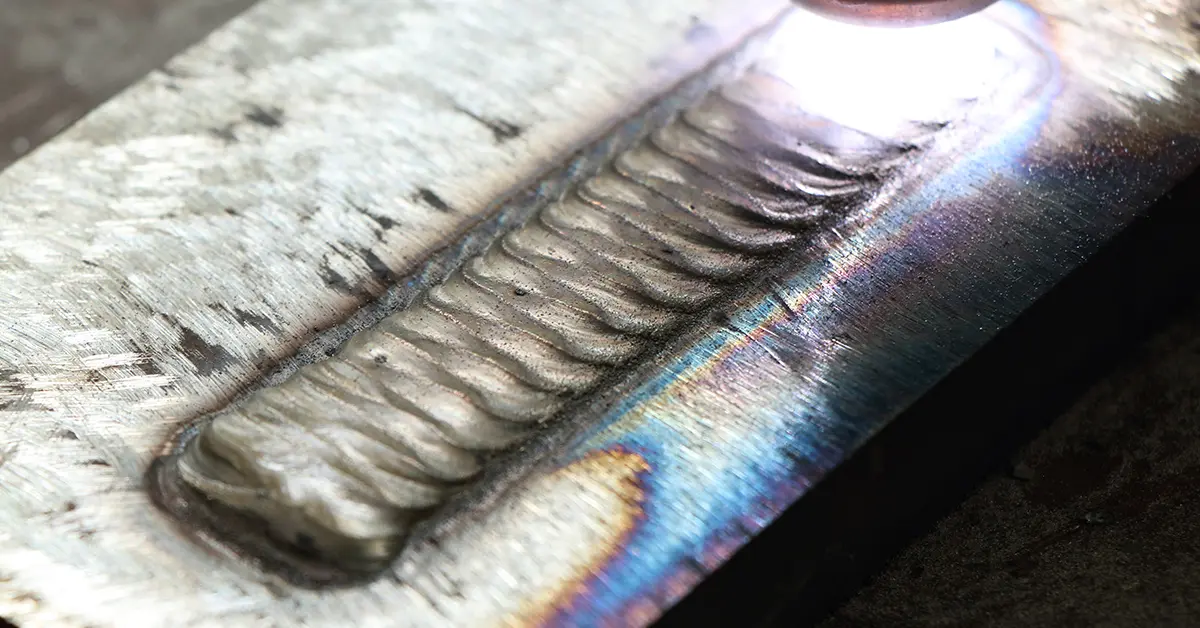
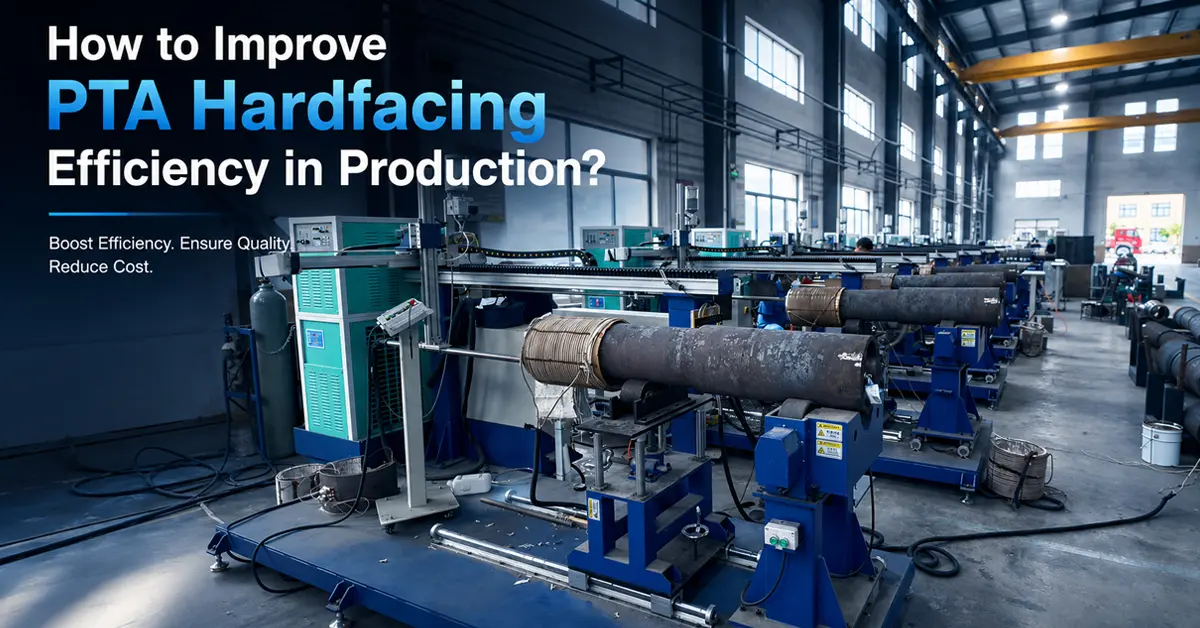
"Improving PTA hardfacing efficiency is not simply about increasing welding speed or depositing more alloy within a shorter time. In industrial production, the real efficiency of a Plasma Transferred Arc (PTA) hardfacing process depends on minimizing reject rates and balancing parameters to prevent heat buildup."
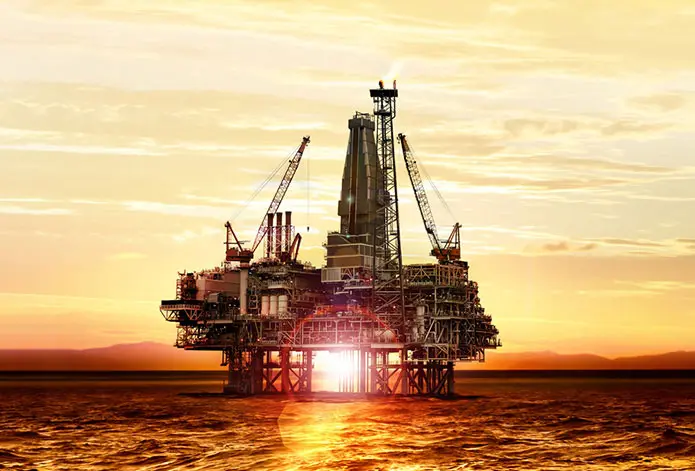
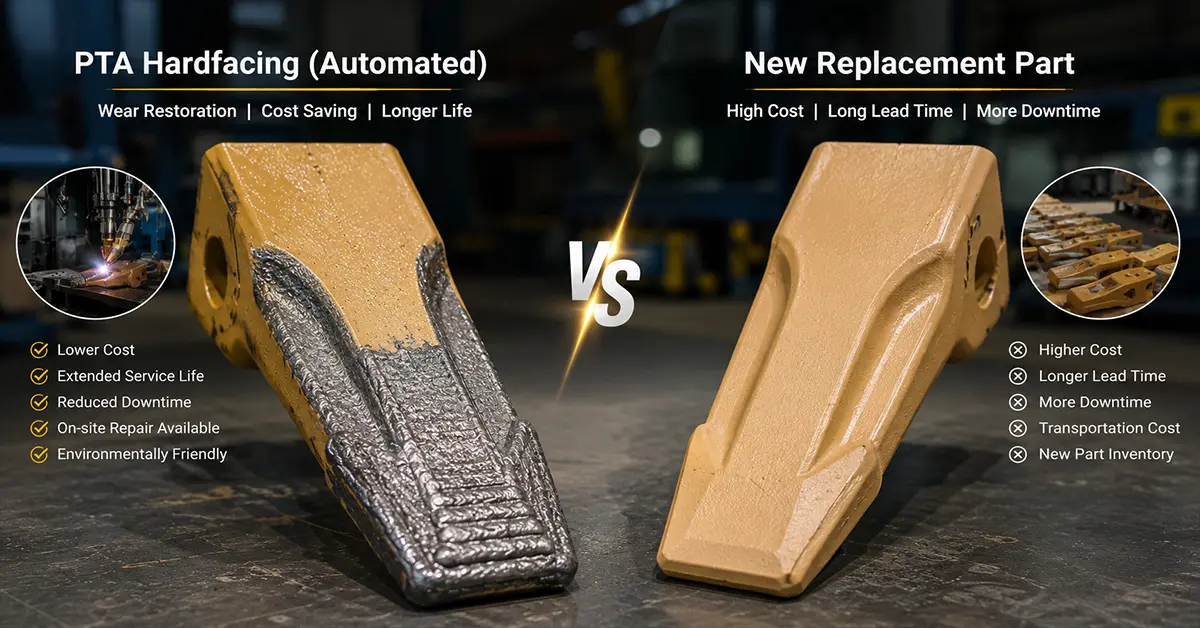
"In Oil & Gas, the Real Cost Is Downtime—Not the Component. When a choke valve fails due to sand erosion, a mud pump valve seat wears beyond tolerance, or a drill stabilizer reaches the end of its service life, the traditional response of replacement is costly. PTA cladding offers a fast repair solution."
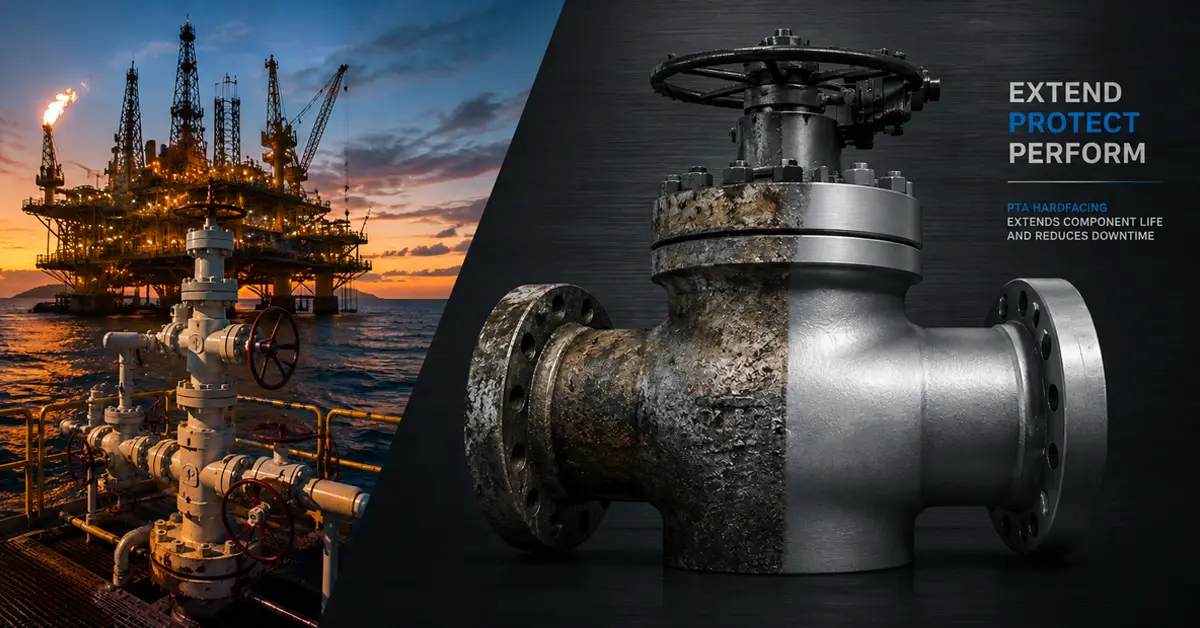
"For industrial equipment operating in abrasive, erosive, corrosive, or high-temperature environments, wear is inevitable. The real challenge is not preventing wear altogether but choosing the most cost-effective maintenance strategy once wear occurs. Surface cladding extends the lifespans of base components."
"In industries such as mining, cement, power generation, steelmaking, chemical processing, and biomass energy, screw conveyors are often regarded as auxiliary equipment. However, maintenance data shows that they are among the most frequent causes of unplanned production stoppages. PTA cladding protects the flight edges against abrasion."
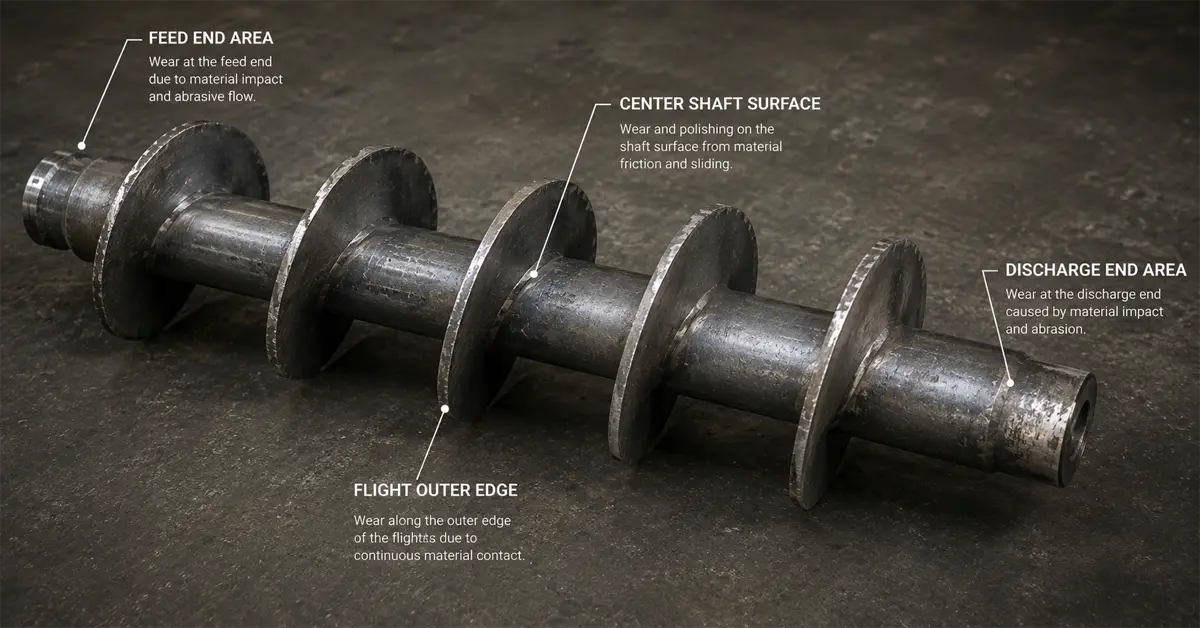
"Understanding the balance between heat input and metal powder deposit rate is essential for thick-walled components. Our testing indicates that using high powder feeds with stable plasma currents results in dense, void-free overlays. This protects components exposed to cyclical impact loads."
Expert engineering responses to common queries regarding Soldadura Con Plasma and PTA systems.
The main advantage is control over heat input and dilution rates. PTA welding uses a constrained arc that melts only a thin surface layer of the base metal, keeping dilution rates below 5%. This ensures that the hardfacing alloy retains its wear-resistant properties, unlike conventional MIG/TIG processes where dilution can reach 15% to 30%, weakening the overlay.
Yes. Our engineering division designs tailored solutions, including multi-axis CNC tables, robotic arms, custom lathe turn-rolls, and programmable PLC controls. We customize the HMI to program deposition rates, overlap ratios, indexing steps, and cooling intervals for your specific components.
Our powder feeders are optimized for spheroidal alloys, typically with mesh distributions between 50 to 150 microns (approximately 100 to 270 mesh). The units process nickel-base self-fluxing alloys, cobalt-based alloys (Stellite family), iron-base alloys, and tungsten carbide composite powders.
We supply detailed manuals, circuit diagrams, and video walkthroughs. We also offer video commissioning calls to help your team set parameters, configure powder feed rates, and calibrate gas flows. If required, our field engineers can travel onsite for system integration and training.
Get in touch with our engineering team today. We provide detailed pricing, custom layout drawings, and alloy recommendations within 24 hours.
Browse our full range of automated platforms, torches, and custom laser systems.




Connect directly with our headquarters to receive customized engineering proposals, product catalogs, and price lists.

Unit 2, No.615 Feng Deng Road,
Jiading District,
Shanghai, China