1. Multi-axis coordination for spatial freedom
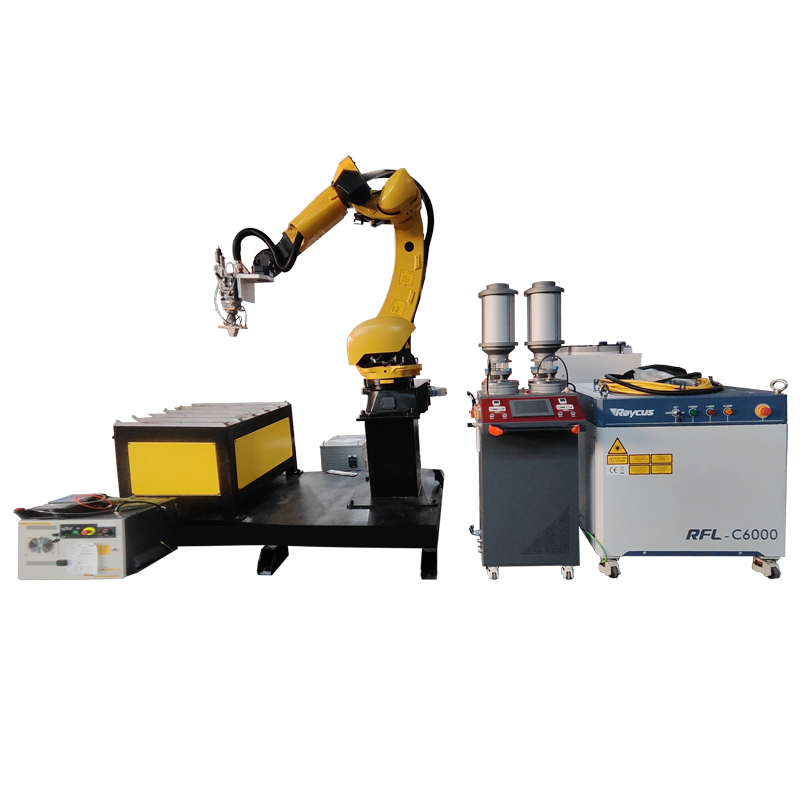
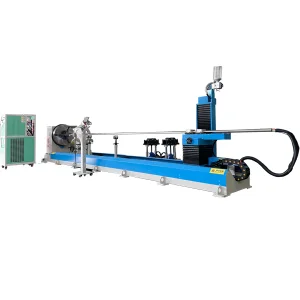
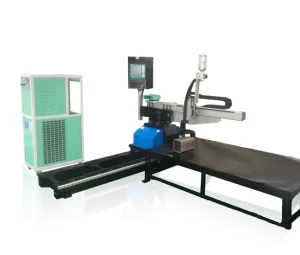
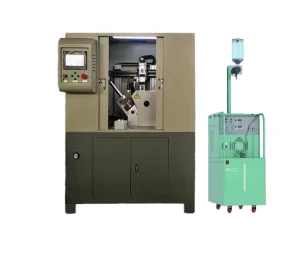
The six-axis robotic structure covers any spatial angle, enabling uniform cladding on complex curved surfaces.
2. Stable laser control system
Utilizes fiber lasers (1–6kW power) with stable energy output, automatically adjusting power and scanning speed based on material type and layer thickness.
3. High-Quality Clad Layer
Delivers dense clad layers with low dilution rates and high bond strength; compatible with nickel-based, cobalt-based, stainless steel, and iron-based alloy powders.
4. Automated and Data-Driven Management
Supports process parameter monitoring, cladding process logging, and intelligent report generation for full production traceability.
- Remanufacturing of aircraft engine and gas turbine blades
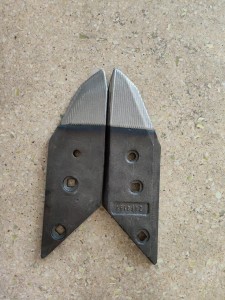
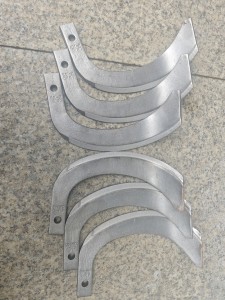
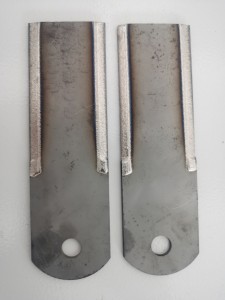
- Surface strengthening and repair of cutting tools and molds
- Extended service life of high-temperature alloy components
- Enhanced surface performance of critical components in specialized equipment
Frequently Asked Questions
Q: What power range is available for the laser cladding system?
The system utilizes high-stability fiber lasers with a power range of 1kW to 6kW, allowing for precision adjustment based on material needs.
Q: Can this equipment handle complex 3D geometries?
Yes, the integrated six-axis robotic structure provides full spatial freedom to achieve uniform cladding on complex curved surfaces and specialized angles.
Q: Which alloy powders are compatible with this process?
The system is highly versatile and works with nickel-based, cobalt-based, stainless steel, and iron-based alloy powders.
Q: What are the main advantages of the resulting clad layer?
It produces high-quality, dense layers with exceptionally low dilution rates and superior bond strength to the substrate.
Q: Is the cladding process traceable for quality control?
Absolutely. The system includes data-driven management features that log process parameters and generate intelligent reports for full production traceability.
Q: What industries benefit most from this laser cladding technology?
It is ideal for aerospace (engine blades), mold and tool manufacturing, and any sector requiring surface strengthening of high-temperature alloy components.