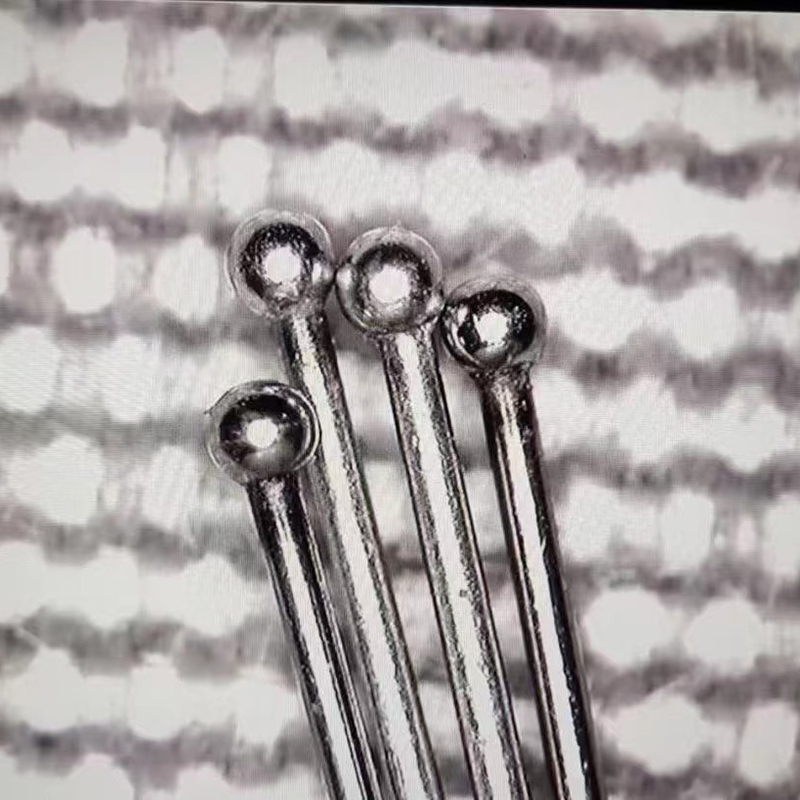
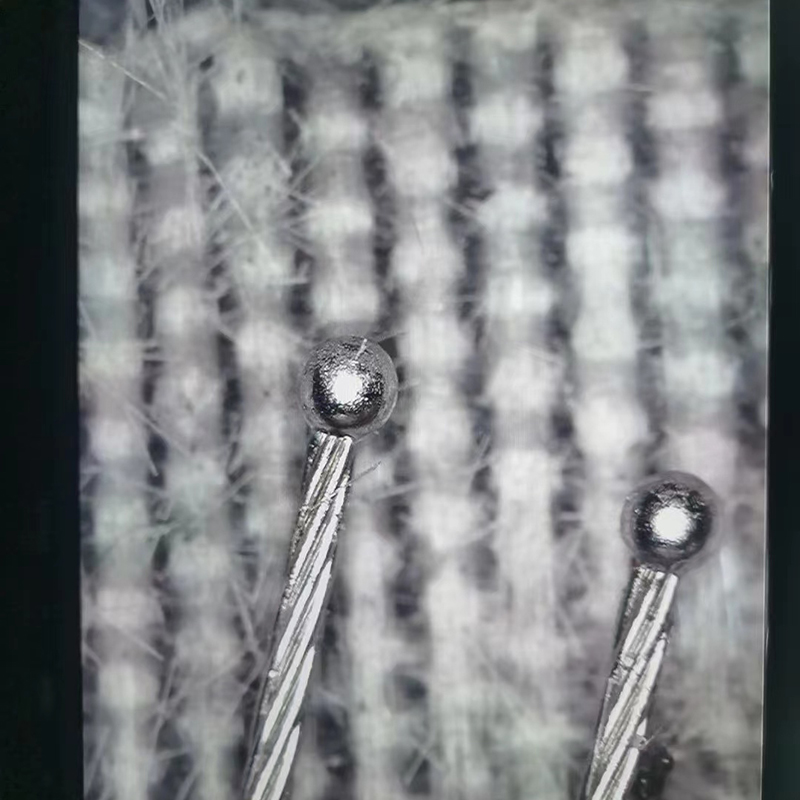

High-Quality precision micro plasma arc welding machine Manufacturers, Factory

Plasma arc welding is a welding method using plasma arc as heat source.The gas is dissociated by arc heating and compressed when it passes through the water cooling nozzle at high speed, which increases the energy density and dissociation degree and forms a plasma arc.Its stability, calorific value and temperature are higher than those of ordinary arc, so it has higher penetration force and welding speed.Argon is generally used for the gas forming the plasma arc and the protective gas around it.According to the material properties of various workpieces, argon, hydrogen and other mixed gases are also used.

Product Description

Micro Plasma Arc Welding Features
1
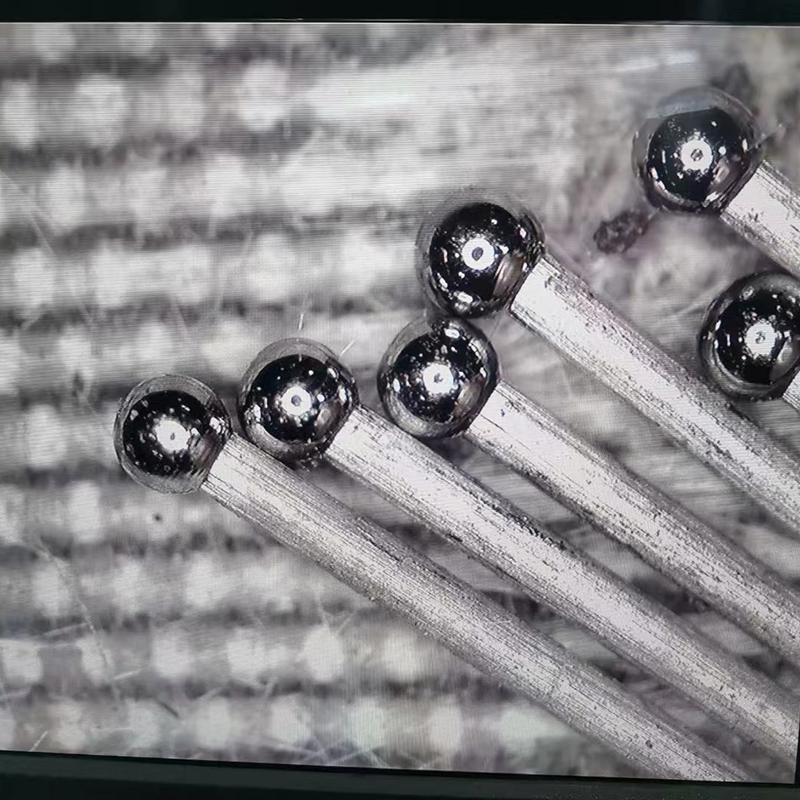
The thickness of the welding strip is smaller than that of argon arc welding, usually 0.3-0.5mm. It can be welded without curling with high quality.
2
In continuous automatic pipe welding, plasma arc length changes have minimal effect on quality compared to argon arc welding.
3
Excellent stability at very small currents (less than 3A), where traditional argon arc stability is poor.
4
Higher welding speed and productivity than argon arc welding due to concentrated heat density.
5
Versatile material compatibility: stainless steel, non-ferrous metals, and refractory metals.
Technical Parameters
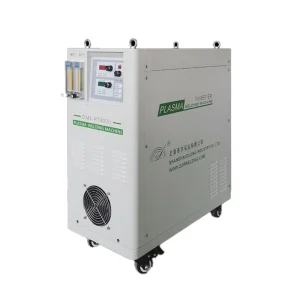
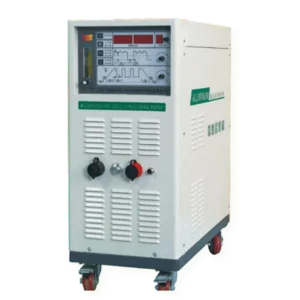
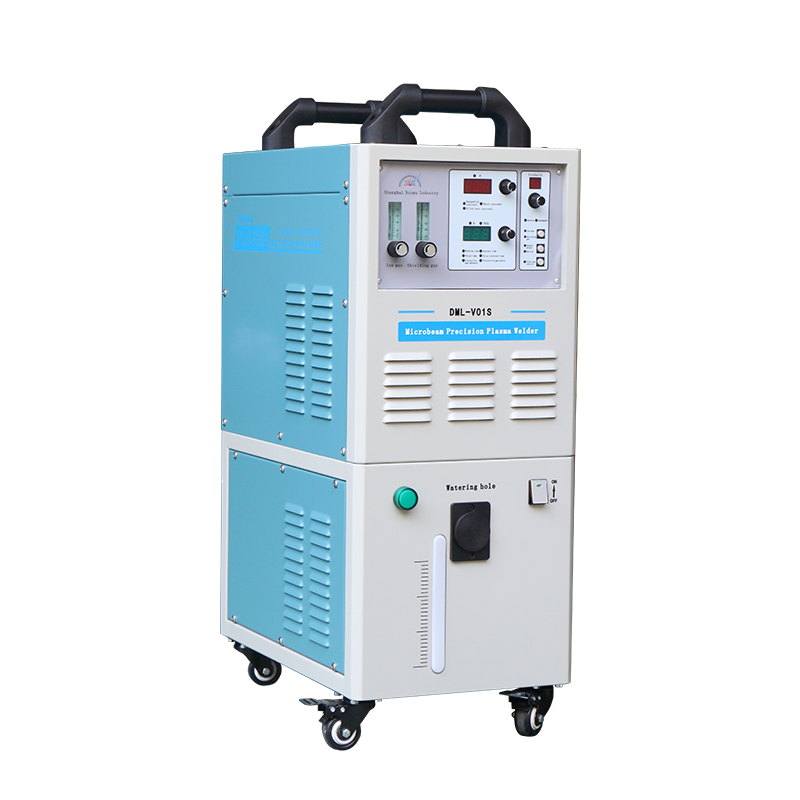
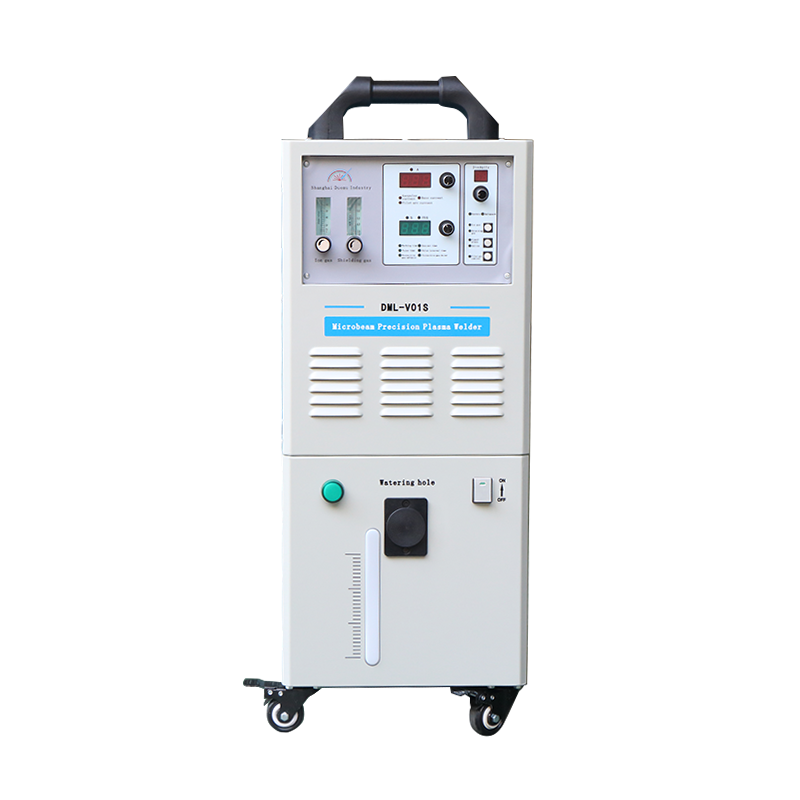
Precision Micro Plasma Arc Welding Machine - DML-V01A
Working Mode Continuous Welding Pulse Welding Precision Pulse Welding
Arc Current (A) 2.0-5.0
Welding Current (A) 0.1-10-40
Base Current (A) 0.1-10-40
Rise/Descent Time (S) 0.0-5.0
Welding Time (MS) - 1-500 1-500
Interval Time (MS) - 10-500 -
Gas Flow (Ion/Protective) Ion: 0.25-2.5 L/min | Protective: 1-25 L/min
Input Voltage AC220V, 50HZ
Weight & Dimensions 28kg | 590*330*300 mm
Key Advantages
1
Ideal for foils and sheets; high arc energy ensures small heat-affected zones and minimal deformation.
2
Production efficiency is 3-6 times higher than ordinary argon welding due to arc column rigidity and fast speeds.
3
Fewer weld defects and superior weld quality across a wide range of materials.
4
Electrodes are recessed in the nozzle, reducing pollution and burn-out for repetitive production.
5
Strong penetration ability; 0.3 ~ 1 mm steel can be welded in a single pass without grooves.
Application Fields
  • 🚀 Aerospace: Aircraft accessories, space station components, relays, and gas sensors.
  • 🩺 Medical & Instruments: Metal bellows, precision instrument components, and surgical tools.
  • Electronics: Thermocouples, motors, and silicon steel sheets.
  • 💎 Special Metals: Efficient welding of Titanium, Nickel, and Molybdenum.
Process Technical Overview

The continuous automatic micro plasma arc welding of ultra-thin wall pipes utilizes a closed compression arc process. Insulation sleeves ensure reliable separation between the torch and metal parts while protective argon is sealed in a controlled chamber. Key parameters for quality include welding current, working gas flow rate, and nozzle hole diameter.
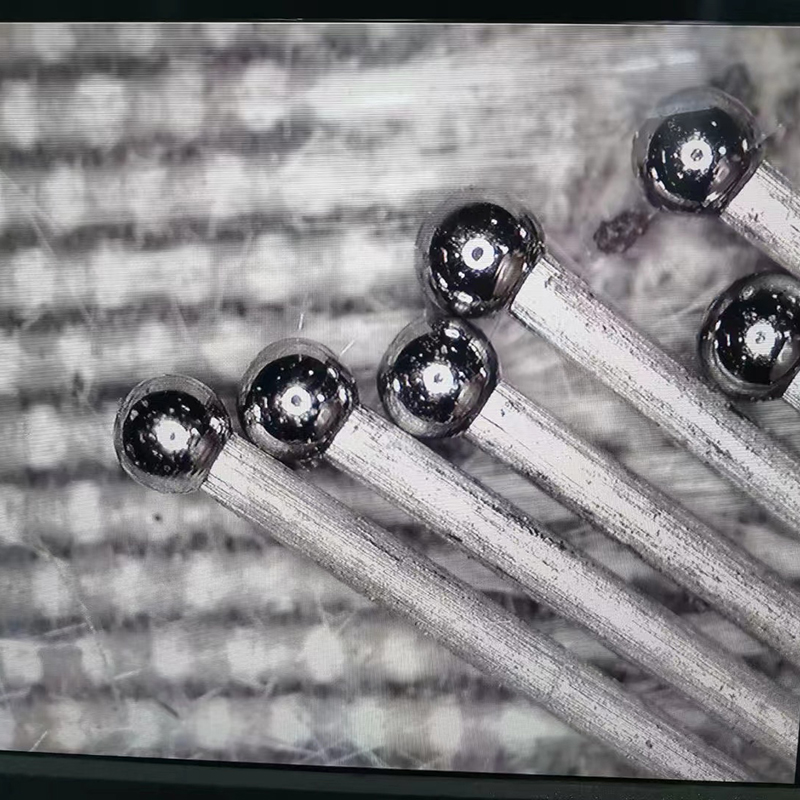
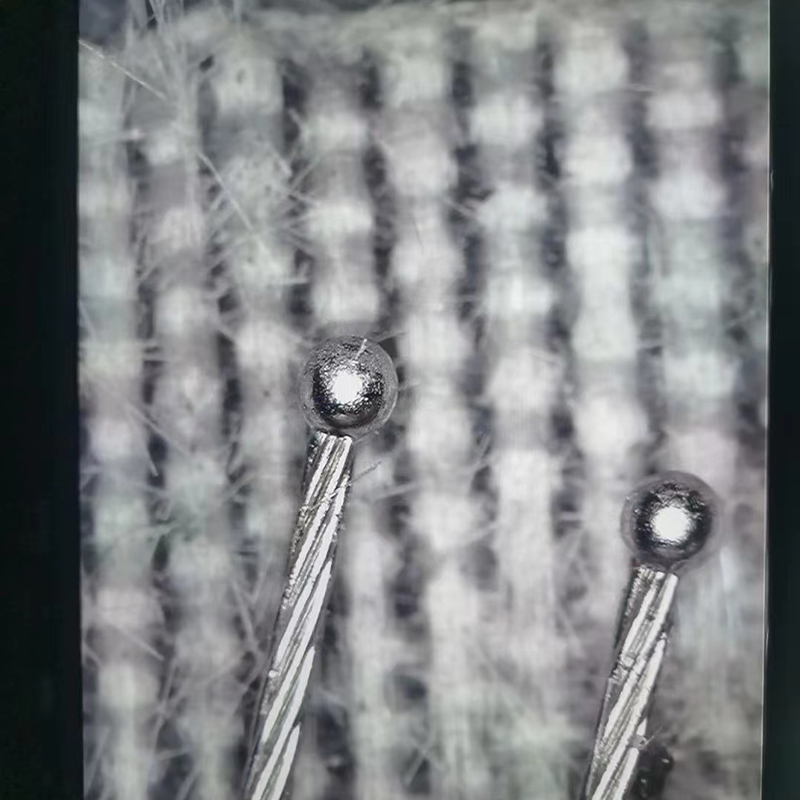
Product Display
Frequently Asked Questions
What is the ideal material thickness for micro plasma welding?
It is specifically designed for ultra-thin materials, typically ranging from 0.3mm to 0.5mm, but it can effectively weld steel up to 1mm without grooves.
How does it compare to Argon Arc (TIG) welding?
Micro plasma welding offers 3-6 times higher productivity, better arc stability at low currents (under 3A), and a smaller heat-affected zone which reduces deformation.
Can this machine handle specialized refractory metals?
Yes, it is highly efficient for welding special metals including Titanium, Nickel, and Molybdenum.
What are the main parameters affecting pipe welding quality?
The primary factors are the welding current, the working gas flow rate, and the diameter of the nozzle hole.
Does the electrode get contaminated easily?
No, because the electrode is shrunk inside the nozzle, it is protected from pollution and burn-out, ensuring excellent repetitive production quality.
Is it suitable for medical and aerospace applications?
Absolutely. It is widely used for precision instruments, medical bellows, and aerospace accessories like relays and sensors due to its high precision.

Related Products