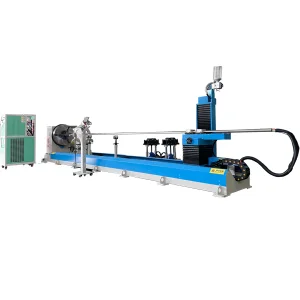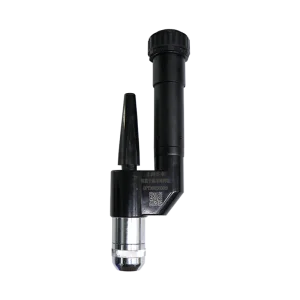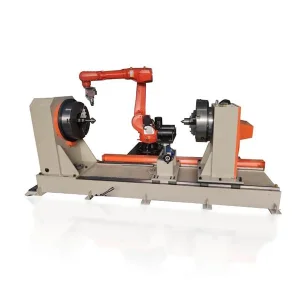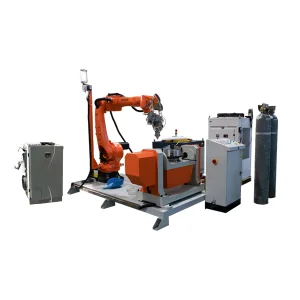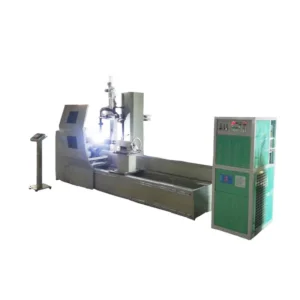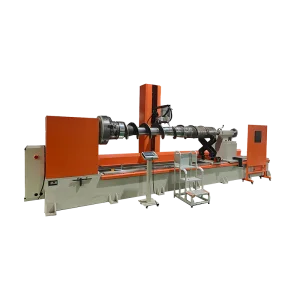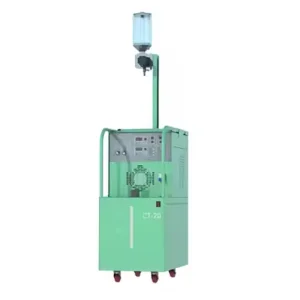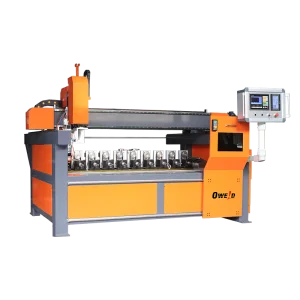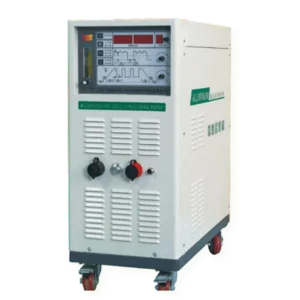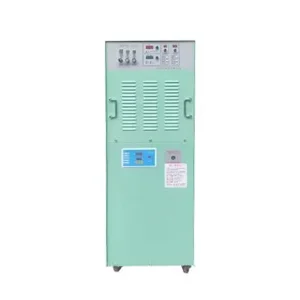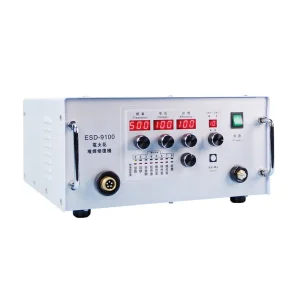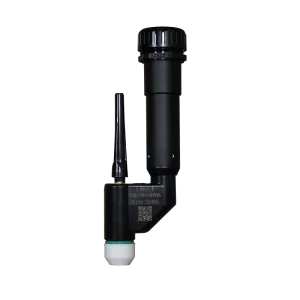
Explore our industrial-grade automated surfacing components, engineered for low dilution rates and superior metal overlay performance.
In modern industrial environments characterized by high abrasion, erosion, and extreme temperatures, surface protection technologies determine the operational lifespan of heavy equipment. Plasma Transferred Arc Welding (PTAW) stands as a premier thermal surfacing method, offering precise heat input control, low dilution levels, and extremely high deposition efficiency compared to conventional GMAW or SAW processes.
As a global leader in protective metallurgy solutions, Shanghai Duomu has engineered state-of-the-art PTAW systems, laser cladding machinery, and automated weld overlay solutions for over a decade. Our R&D team continuously refines arc characteristics to minimize heat-affected zones (HAZ) and deliver flawless weld deposits in severe-service components.
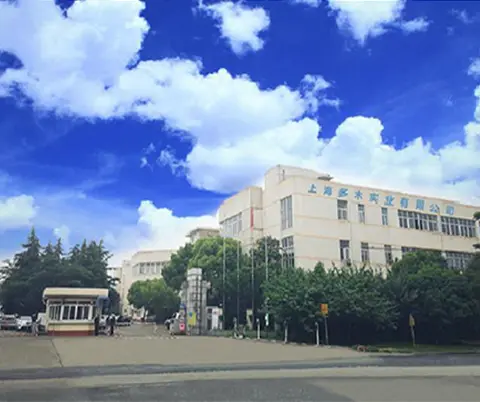
The industrial remanufacturing and wear mitigation market has entered a new phase driven by decarbonization, material scarcity, and asset life extension. Heavy industries can no longer afford the downtime associated with premature mechanical failures. Consequently, global OEMs and Tier-1 contractors are shifting from standard repair welding toward highly engineered, automated PTA surfacing.
Key macroeconomic factors impacting procurement decisions include:
Shanghai Duomu's PTA cladding and laser processing technologies are implemented across diverse, high-performance industries.

Protecting subsoiler tines, harvester blades, and cultivator sweeps against intense abrasion in soil contacts. PTA cladding extends the work life of tillage components by 3 to 5 times.

Providing precision cladding and laser surfacing for turbine blades, critical engine housings, and control components. Ensuring strict dimensional tolerances and microstructural uniformity.

Protecting drill stabilizers, mud pump parts, and valve trim from severe sand erosion, sour gas corrosion, and extreme mechanical pressures in downhole environments.
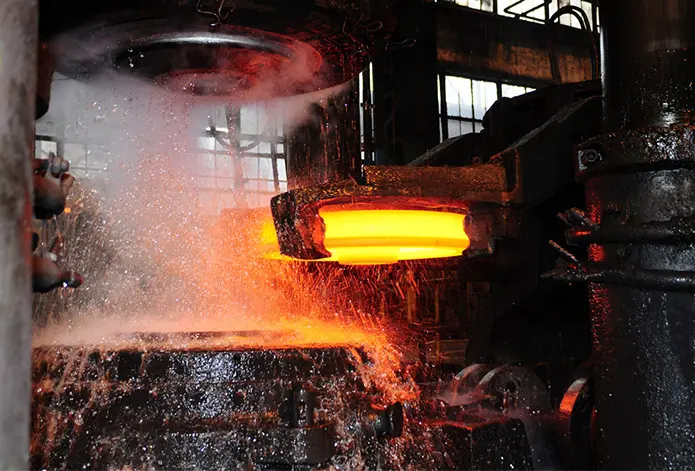
Enhancing hot extrusion dies, guide rollers, and continuous casting molds subject to thermal shock, high compressive loads, and friction under high temperatures.
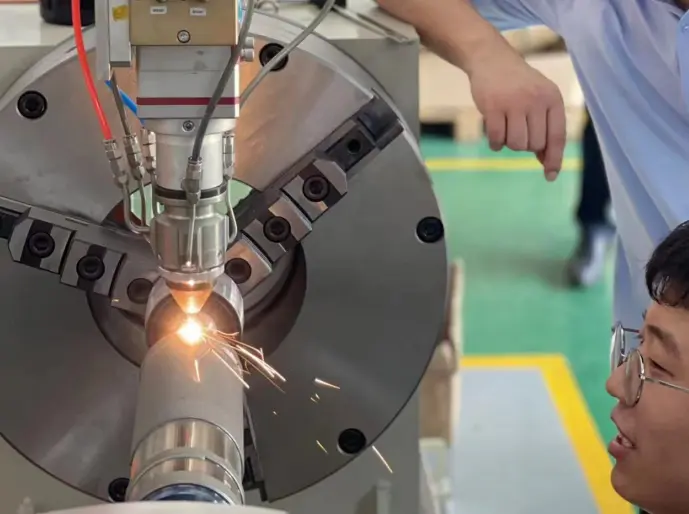
Shanghai Duomu integrates independent R&D with strict Industry 4.0 production lines to provide highly optimized PTAW systems. Our dedicated engineering division specializes in resolving structural welding challenges.
Our in-house capabilities include custom mechanical integration, CAD/CAM workflow alignment for multi-axis positioners, and remote monitoring diagnostics. By managing our component manufacturing pipeline domestically in Shanghai, we assure shorter lead times, robust spare-parts availability, and rigorous quality control protocols that shield clients from global supply shocks.
From specialized single-nozzle PTAW guns to comprehensive automated laser cladding installations, Duomu ensures consistent quality, high efficiency, and reliable mechanical system run-time.
Connect With Our Engineering TeamExplore articles written by our engineering team focusing on hardfacing optimization, erosion prevention, and weld dilution control.
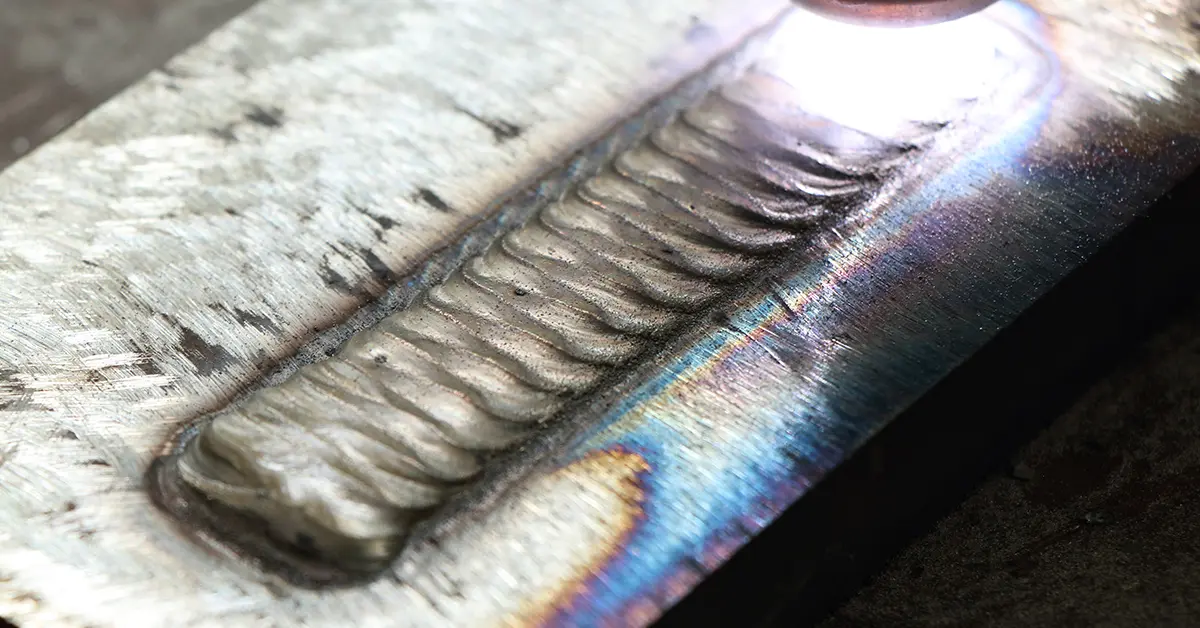
Managing base metal dilution is critical to achieving target hardness and corrosion resistance in a single layer. We examine arc control configurations and parameter adjustments.
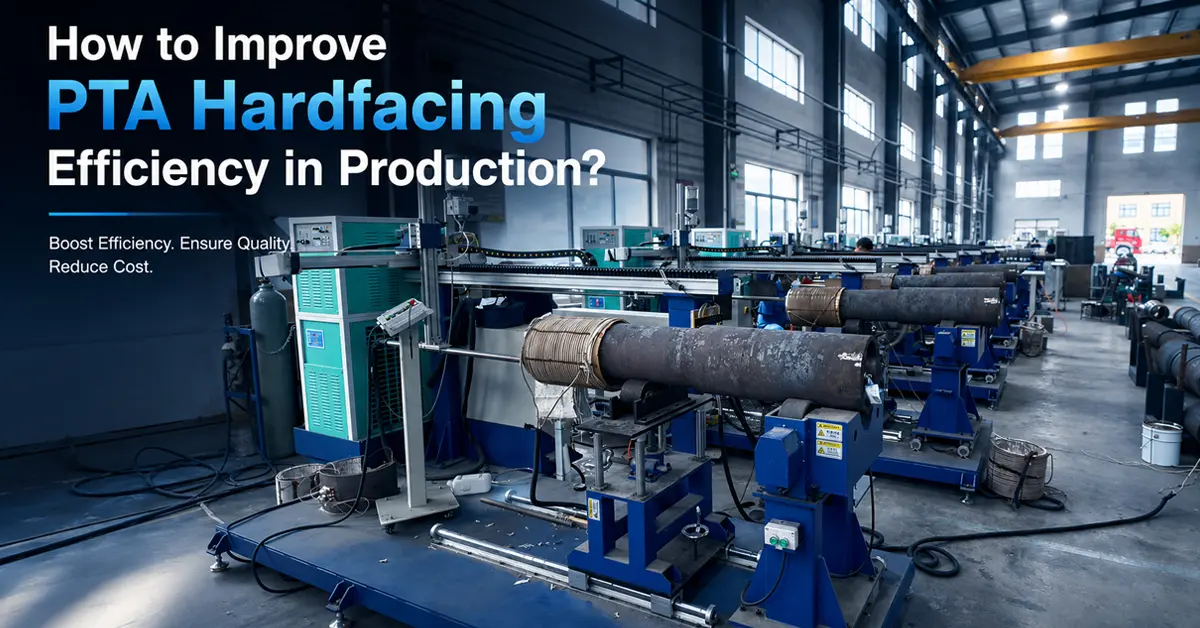
True efficiency is measured by deposition rate combined with weld consistency. Discover dynamic powder feed settings and heat control strategies for continuous operations.
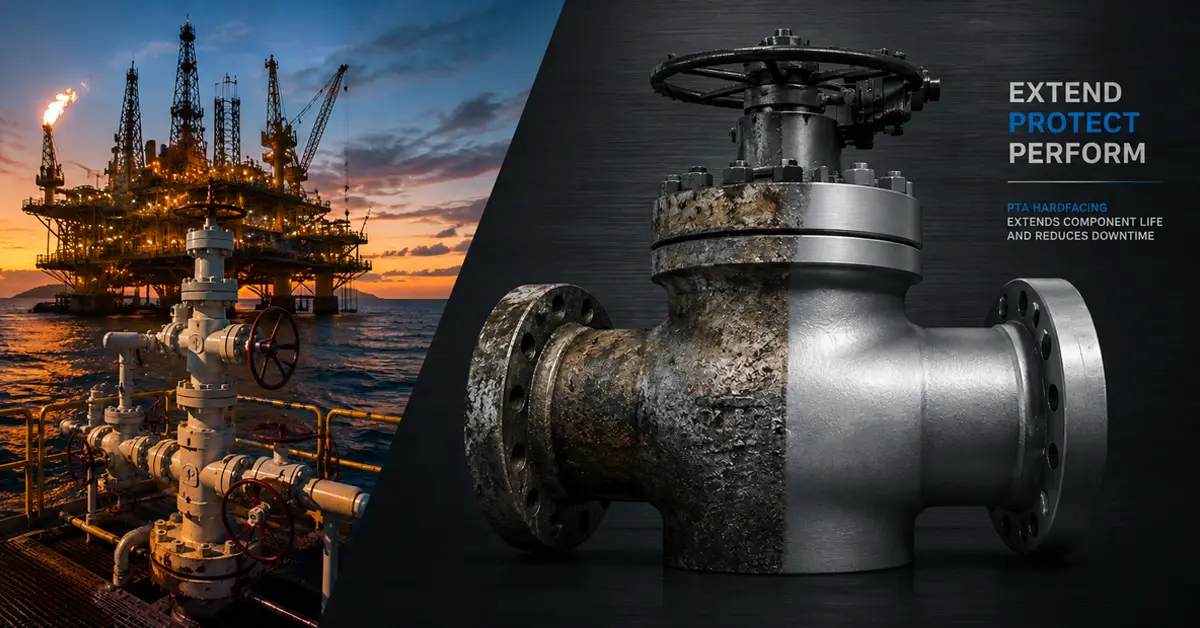
When components like choke valves and mud pump manifolds fail due to abrasion, the cost of downtime exceeds the component value. PTA cladding offers long-term surface protection.
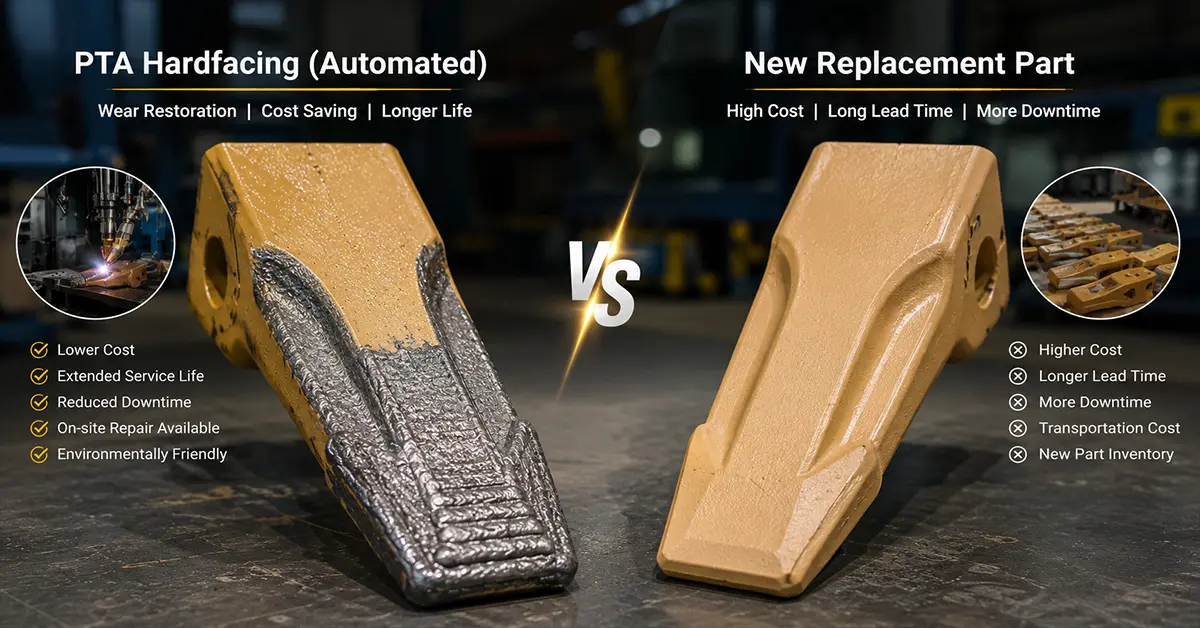
Analyze how restoring worn industrial surfaces using automated PTA surfacing saves up to 60% compared to new component procurement costs.
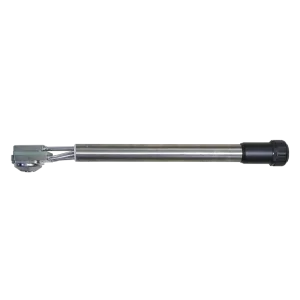
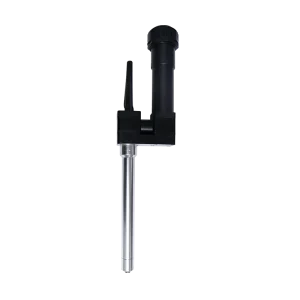
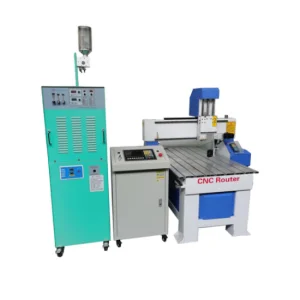
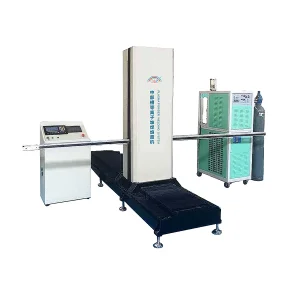
Select from our customized product range, including automated machinery, weld torches, and robotic cladding stations.
Get answers to key technical and commercial considerations for plasma transferred arc welding equipment.



Get in touch with our technical sales team for system parameters, hardfacing alloy compatibility, and customized equipment quotations. We respond within 24 hours.