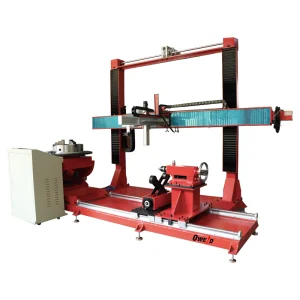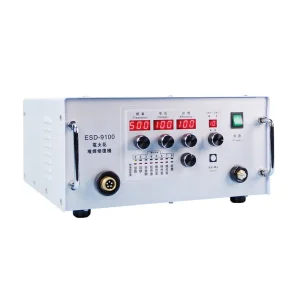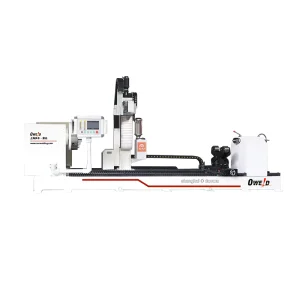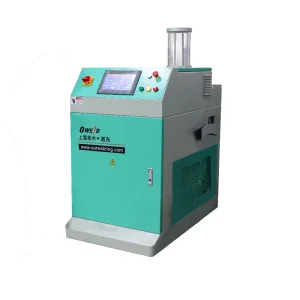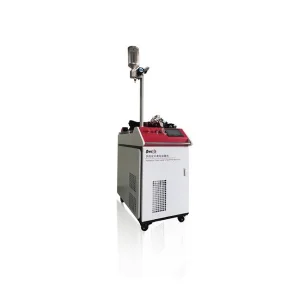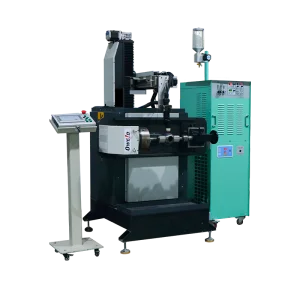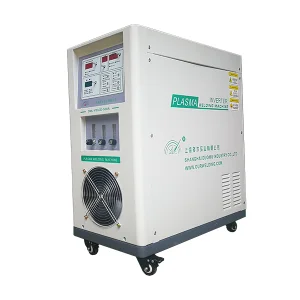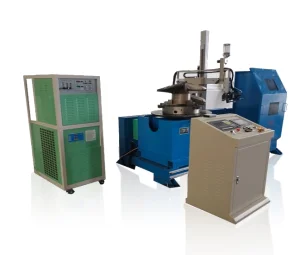
The global manufacturing landscape is at a critical juncture. The question, "Will welding be replaced by robots?" is no longer a matter of 'if' but 'how fast.' As a leading manufacturer in PTA (Plasma Transferred Arc) cladding and Laser cladding technology, Shanghai Duomu has observed a paradigm shift. Globally, the welding industry faces a dual challenge: a severe shortage of skilled labor and an increasing demand for extreme precision in hostile environments like aerospace and nuclear power.
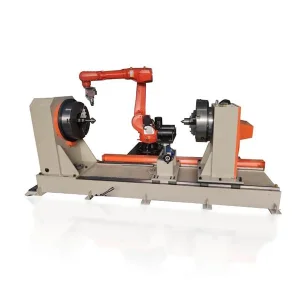
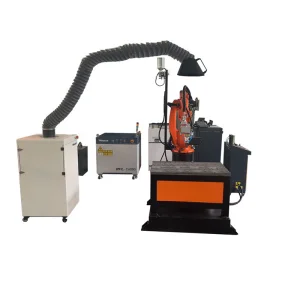
Robotic welding systems are not merely "replacing" human workers; they are elevating the role of the technician from a manual operator to a systems supervisor. In North America and Europe, the average age of a welder is over 55. As this demographic retires, robotic systems like our Laser hardening robots and automatic cladding systems provide the necessary continuity for industrial output.
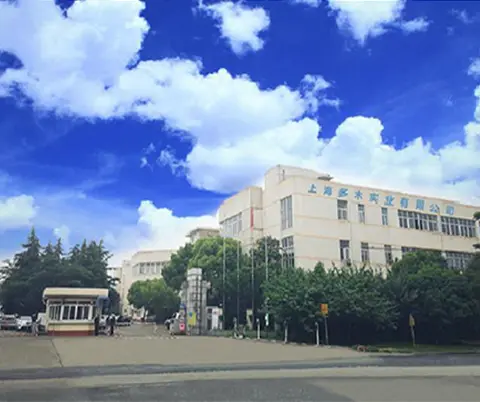
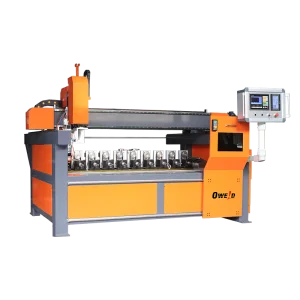
Shanghai Duomu has been a leading manufacturer and exporter of PTA cladding machine and Laser cladding machine for more than ten years with a strong technical background. Our expertise lies in bridging the gap between traditional metallurgical needs and futuristic robotic precision.
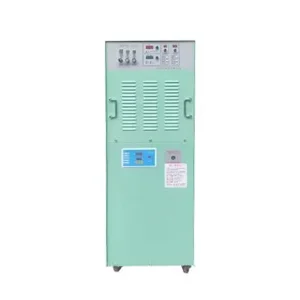
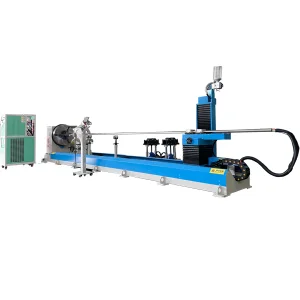
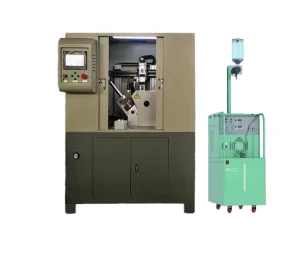
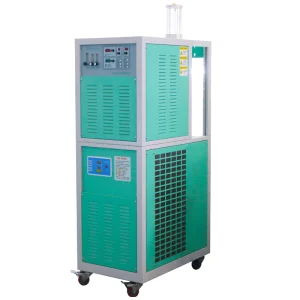
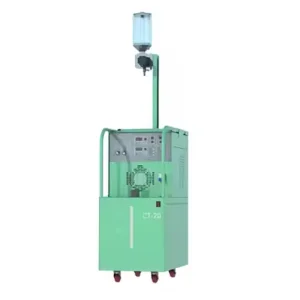
I have an independent R&D team, which develops, produces and sells plasma cladding machine equipment. The welding machine has stable performance and can maintain efficient long-term operation. In addition, the laser cladding equipment sold by the company can effectively support large-scale remanufacturing projects. We have mature technological means to provide complete sets of industrial equipment solutions.
Future welding robots will use neural networks to adapt to workpiece variances in real-time, eliminating the need for rigid jigs and fixtures.
Combining the deep penetration of Plasma Transferred Arc with the surgical precision of Laser for high-speed surfacing.
Remote monitoring and virtual simulations to predict wear and optimize cladding parameters before the first arc is struck.
The roadmap for robotic welding manufacturers involves a transition from programmed motion to "sense-and-respond" systems. By 2030, we expect integrated AI vision to allow robots to perform complex repairs on-site in mining and petrochemical facilities, further reducing the downtime that costs millions in lost productivity.
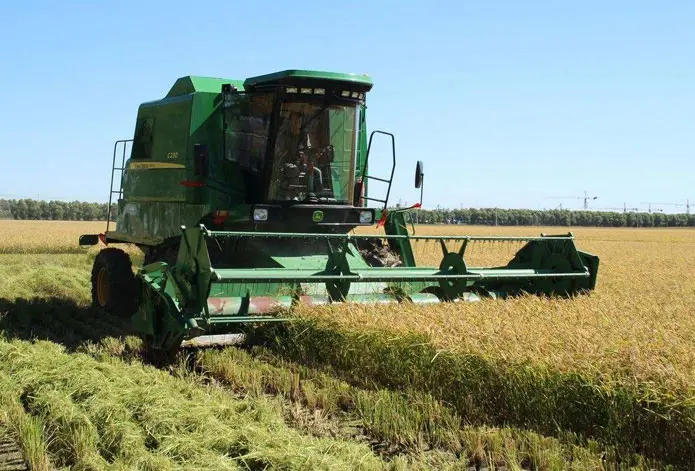
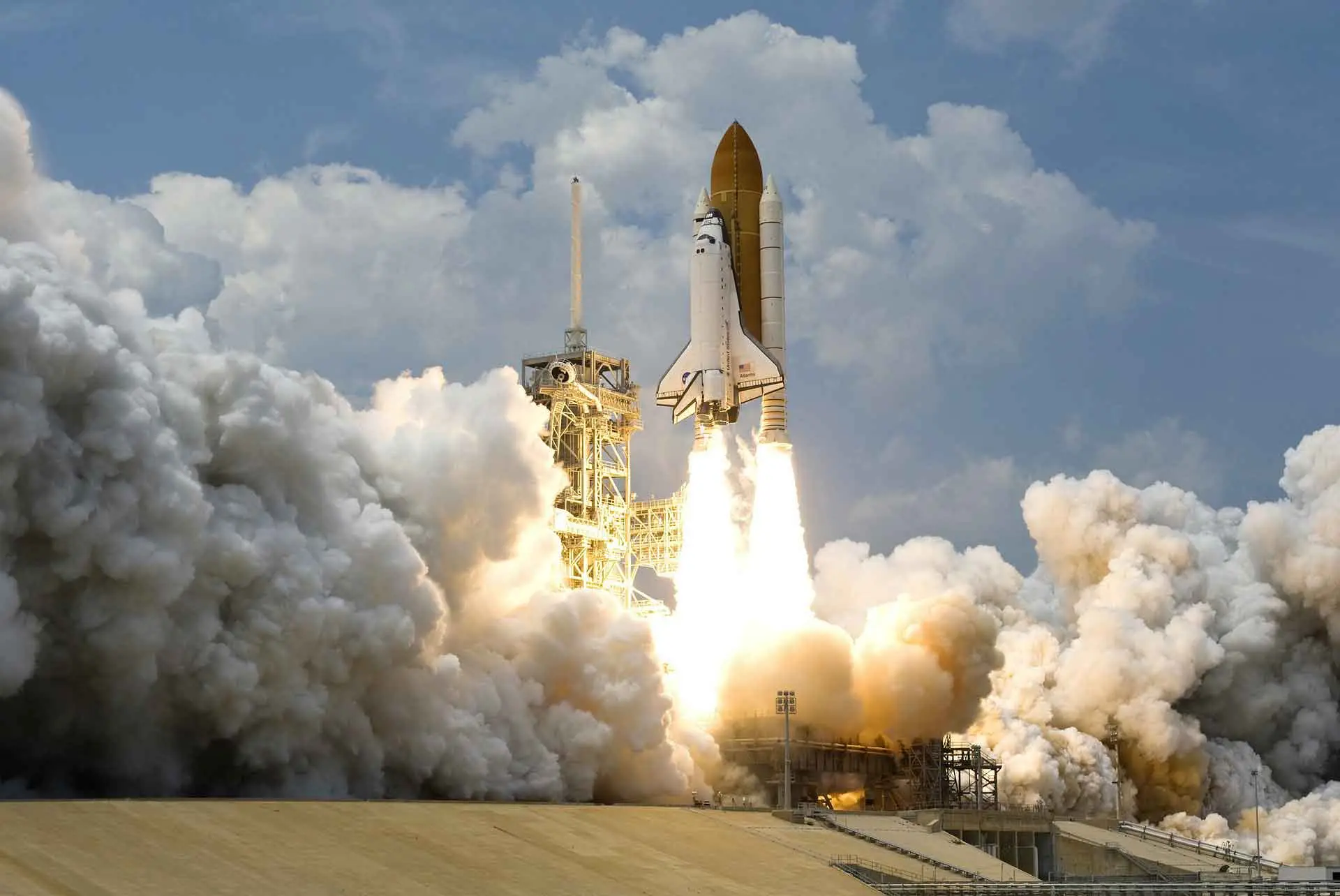
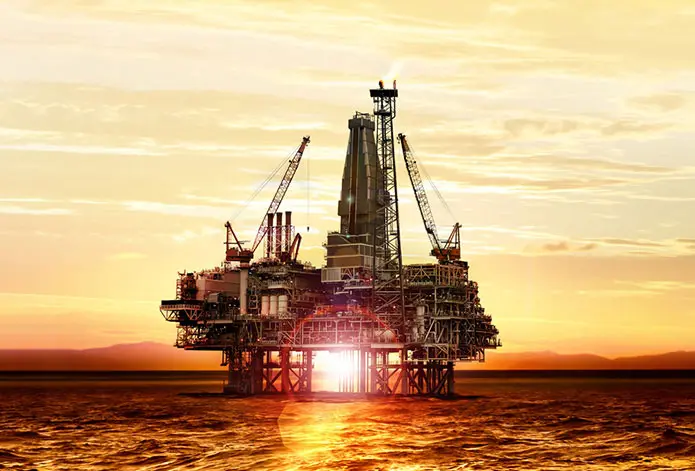
At present, the company's products have penetrated into many fields such as aerospace military industry, nuclear power, petrochemical industry, coal mines, metallurgy and forging, agriculture, water conservancy and electric power, etc.
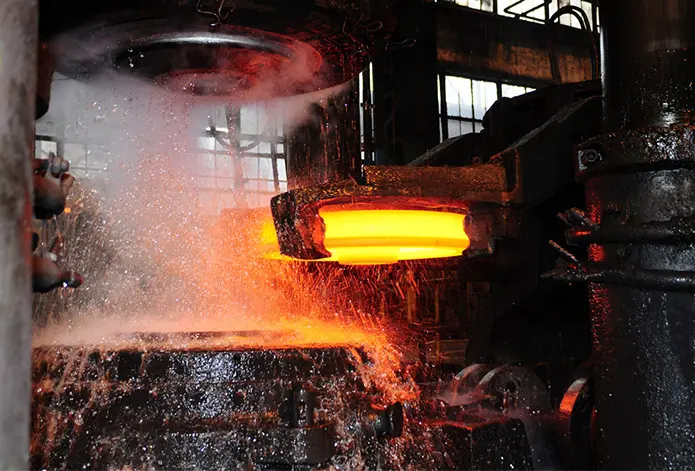
For global factories, the adoption of robotic welding requires more than just hardware; it requires compliance with local safety and quality standards. Shanghai Duomu ensures that all automated systems meet CE, ISO, and regional metallurgy standards. Our local support network provides 24-hour response times to ensure that your automated production lines never stall.
In high-wear industries such as coal mining and cement production, our automated plasma cladding systems are designed to handle the "dirty" jobs that human welders find hazardous. This not only protects the workforce but increases the service life of components by up to 300% through high-quality alloy deposition.
"In Oil & Gas, the Real Cost Is Downtime—Not the Component. When a choke valve fails, the traditional response was replacement. With Duomu's PTA systems, we repair in-house."
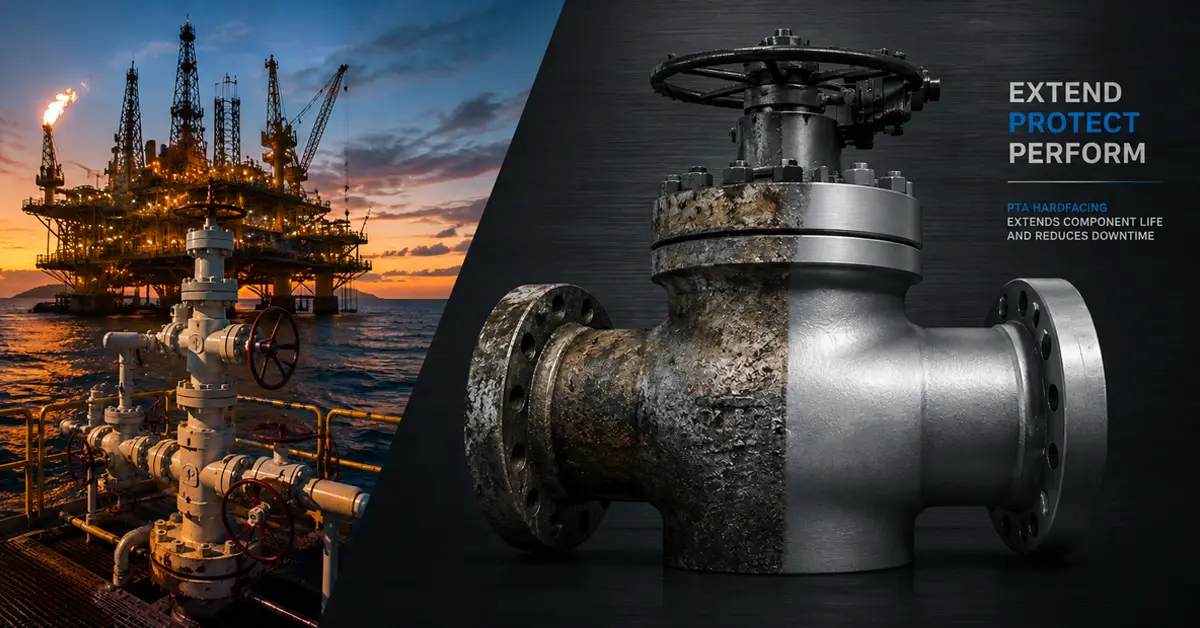
"Improving PTA hardfacing efficiency is about precision. The dilution rate control in Duomu machines is world-class, ensuring the alloy performance remains top-tier."
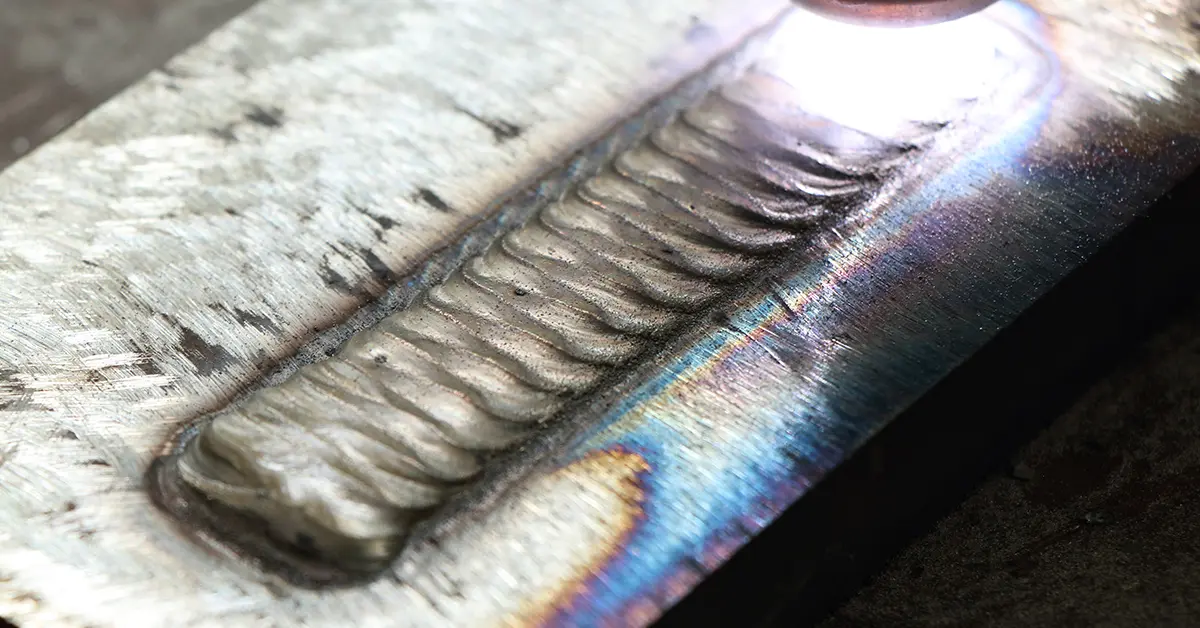
Ready to transition to automated welding? Our technical team is standing by to provide a custom ROI analysis and system configuration for your factory.
For inquiries about our products or pricelist, please leave your message and we will be in touch within 24 hours.