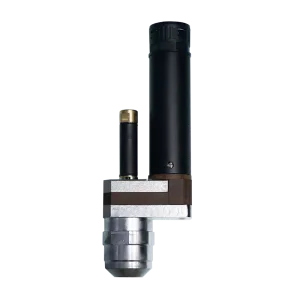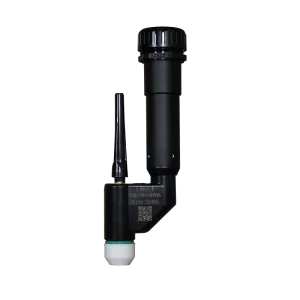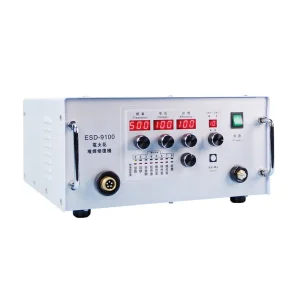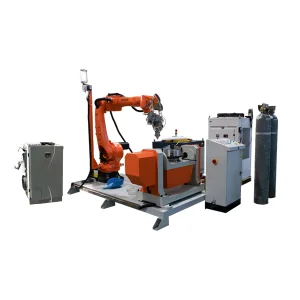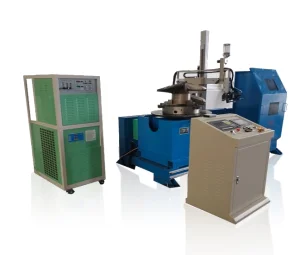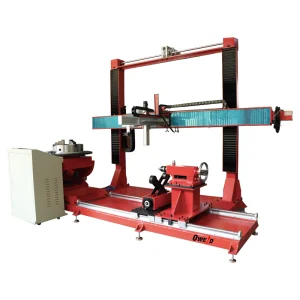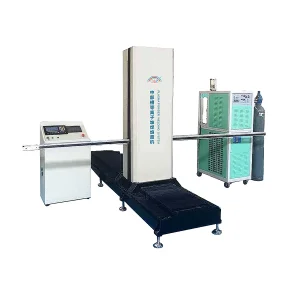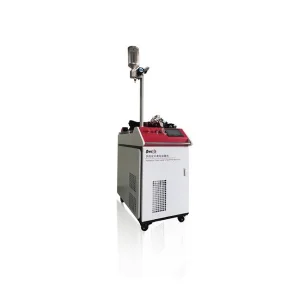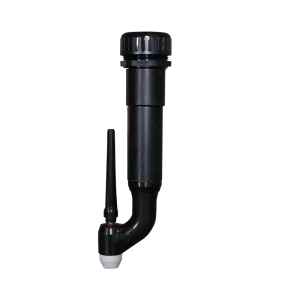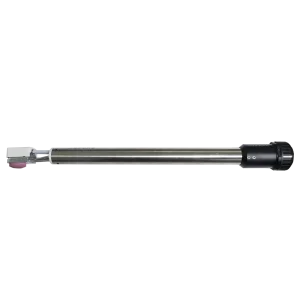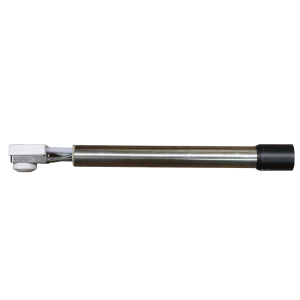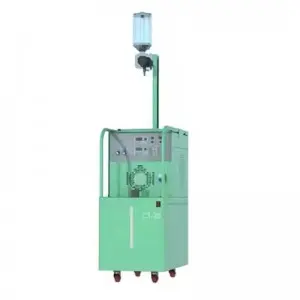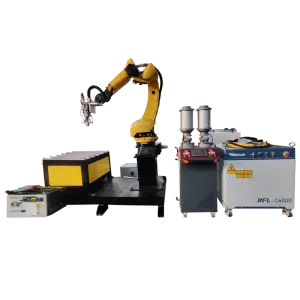
Engineered to deliver high metallurgical bonding and minimal dilution rates for high-wear environments across French industrial sites.
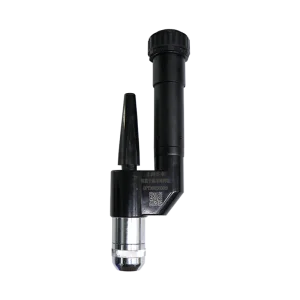
France has positioned itself at the forefront of the European "Industrie du Futur" initiative, which heavily emphasizes digitalization, advanced manufacturing, and resource circularity. Within this macroeconomic context, the demand for high-performance surface modification systems, specifically Plasma Transferred Arc (PTA) cladding and laser cladding, has grown exponentially.
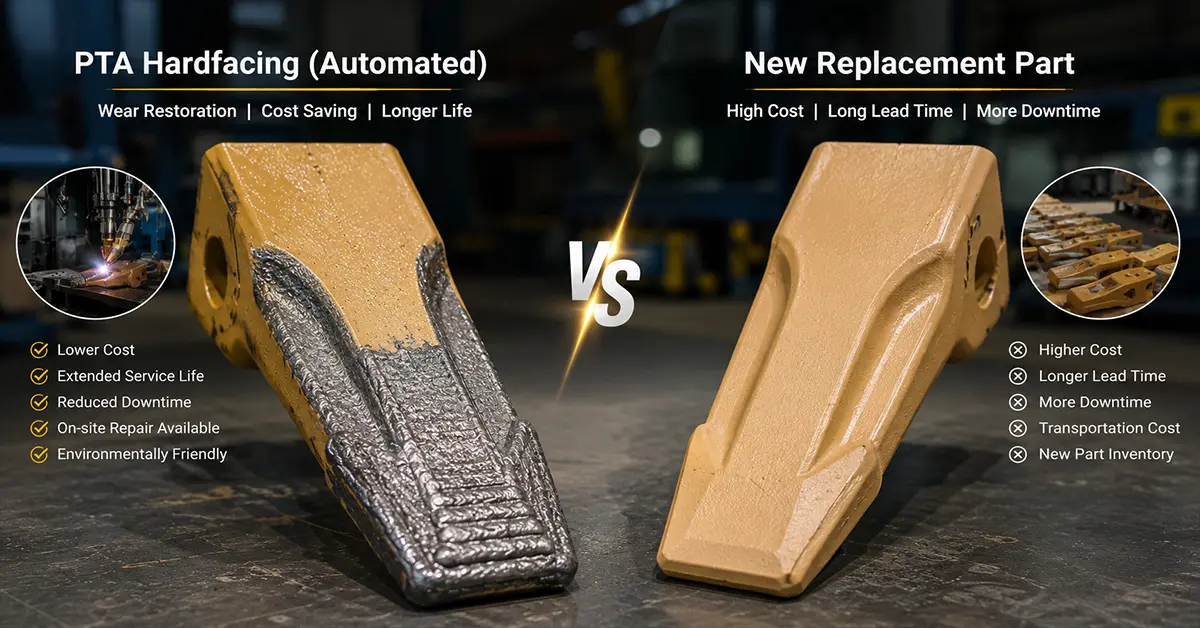
French industrial centers in regions like Auvergne-Rhône-Alpes, Hauts-de-France, and Occitanie rely on surface protection systems to extend the lifetime of vital structural parts. The shift away from simple throwaway components to remanufacturing and cladding strategies directly supports France's net-zero carbon goals. Extending tooling and component service lifetimes by 200% to 500% directly reduces raw metal ore dependency and slashes carbon footprints for petrochemical, casting, and defense operations.
Furthermore, stringent EU regulations on chromium-VI emissions and cobalt conservation are shifting metallurgical preferences toward customized, automated plasma surfacing. Our premium plasma torches deliver an exceptionally stable arc and uniform heat zone, allowing French operators to apply advanced nickel-based, iron-based, and tungsten carbide coatings with unparalleled precision.
Our solutions target the structural integrity standards of France’s leading heavy industries. By minimizing the heat-affected zone (HAZ) and lowering the dilution rate below 5%, our torches maintain high coating purity and mechanical wear limits without modifying underlying parent metallurgy.
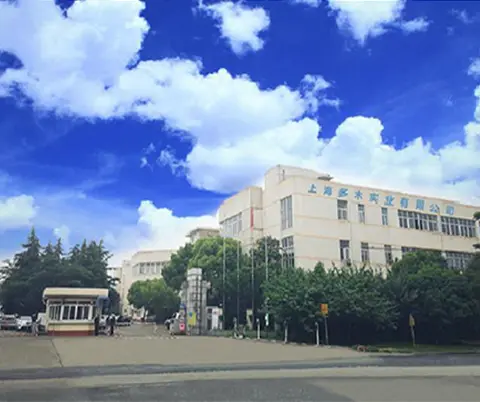
Shanghai Duomu has been a leading manufacturer and exporter of PTA cladding machines and Laser cladding machines for more than ten years, backed by a strong technical background. Our dedicated team of mechanical, electrical, and materials engineering professionals ensures that our PTA torches and automation interfaces integrate seamlessly into modern robotic assembly cells.
We operate an independent R&D team focused entirely on the physics of plasma power transfer, material weld-deposition control, and precise powder feeding mechanisms. The welding machines we manufacture exhibit exceptional stability and maintain high duty cycles under continuous, long-term operation. Additionally, the laser cladding equipment sold by our company supports large-scale industrial remanufacturing projects. We deliver mature technological solutions that help OEMs and service shops in France streamline their hardfacing operations, lower consumable costs, and achieve predictable mechanical properties.
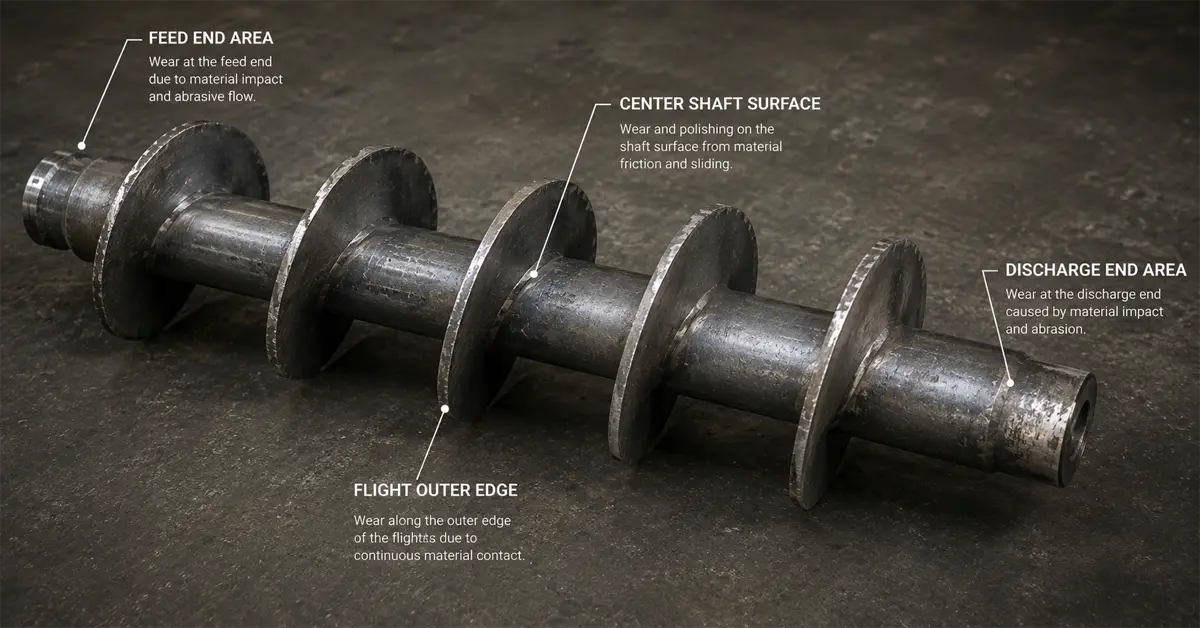
Delivering high-integrity surface hardfacing across France’s vital industrial sectors.



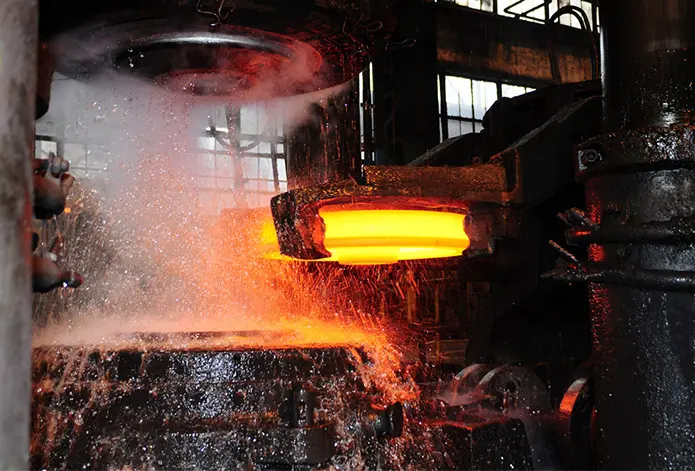
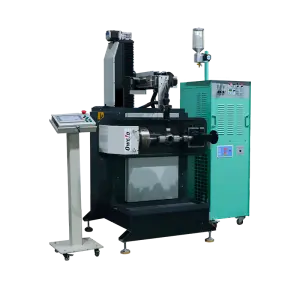
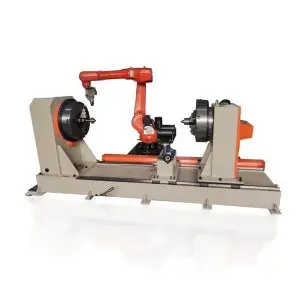
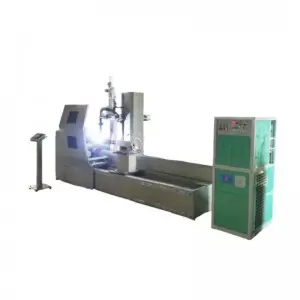
Complete industrial setups integrated with multi-axis CNC interfaces for custom tooling runs.
Deciding the optimal coating strategy for specialized metallurgical protection.
For industrial wear parts, the main objective of cladding is to achieve a wear-resistant surface without changing the parent material properties. This requires controlling dilution and the heat-affected zone (HAZ).
By offering customized solutions across both technological pathways, our technical team works with French operators to select the system that balances deposit thickness, speed, and tooling costs.
PTA welding offers high deposition rates, low equipment maintenance costs, and a high capability to deposit thick layers of complex metal matrix composites (MMCs) like WC-Co, making it the standard choice for mining, agriculture, and casting components.
Laser cladding provides high dimensional precision, negligible thermal warping, and rapid cooling rates that yield fine dendritic grains, resulting in exceptional wear resistance for critical, tight-tolerance engineering components.
Every system shipped to the French market is engineered to conform with European safety directives, including the Machinery Directive 2006/42/EC, Low Voltage Directive 2014/35/EU, and electromagnetic compatibility standards.
We maintain an inventory of torches, replacement nozzles, and electrodes to minimize operational downtime. Consumables are shipped directly to French industrial parks via express courier services.
Our engineers provide video-assisted installation support, parameter tuning, and custom welding recipe setup for specific alloys to ensure a smooth launch in your production facility.
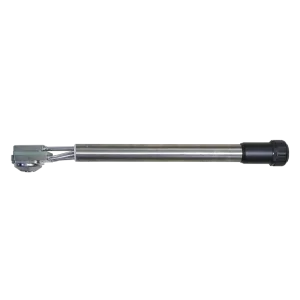
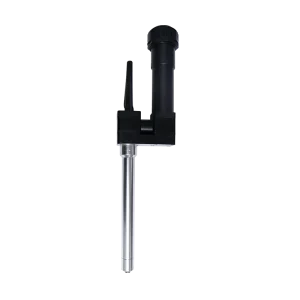
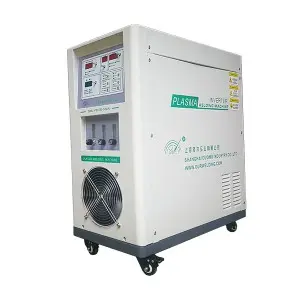
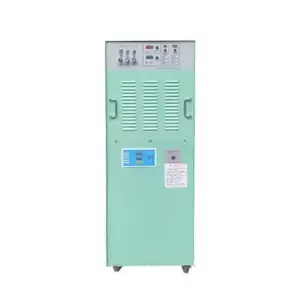
Select from our verified range of plasma torches, bore welding components, and intelligent cladding stations.
Read practical observations regarding PTA cladding and surface restoration projects.
"In Plasma Transferred Arc (PTA) hardfacing, achieving a high-quality overlay is not only about selecting the right alloy powder or optimizing welding parameters. One of the most critical factors that directly affects overlay performance is the dilution rate. Keeping dilution low preserves the hard alloy structure."
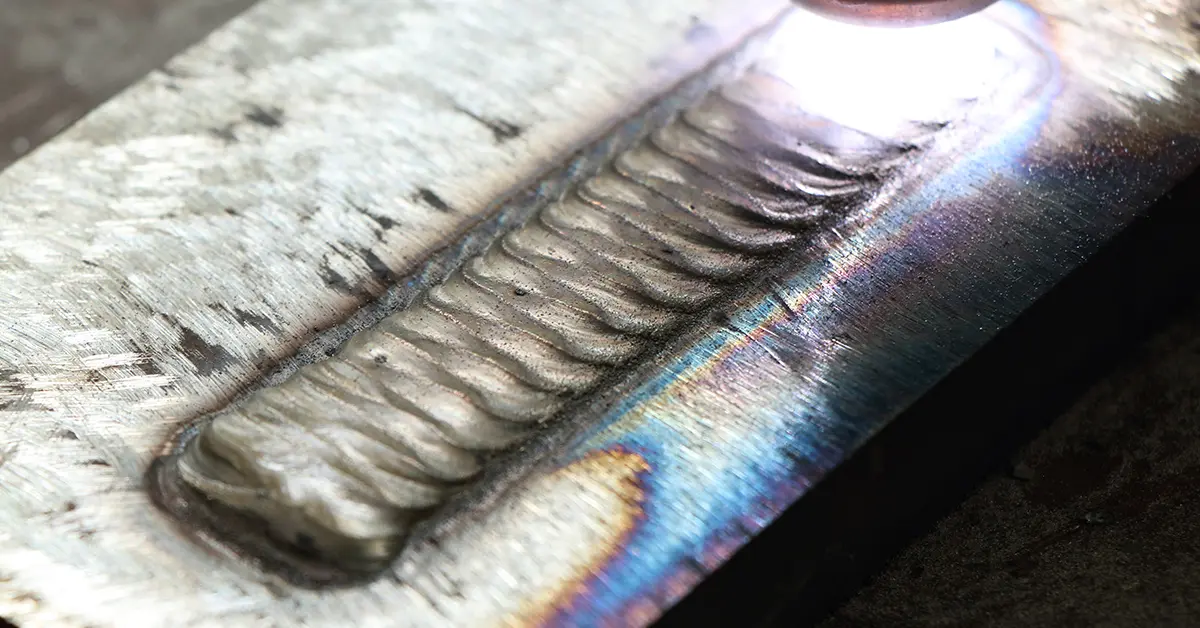
Overlay Quality Analysis
"Improving PTA hardfacing efficiency is not simply about increasing welding speed or depositing more alloy within a shorter time. In industrial production, the real efficiency of a Plasma Transferred Arc (PTA) hardfacing process depends on consistency, duty cycles, and automated parameter settings."
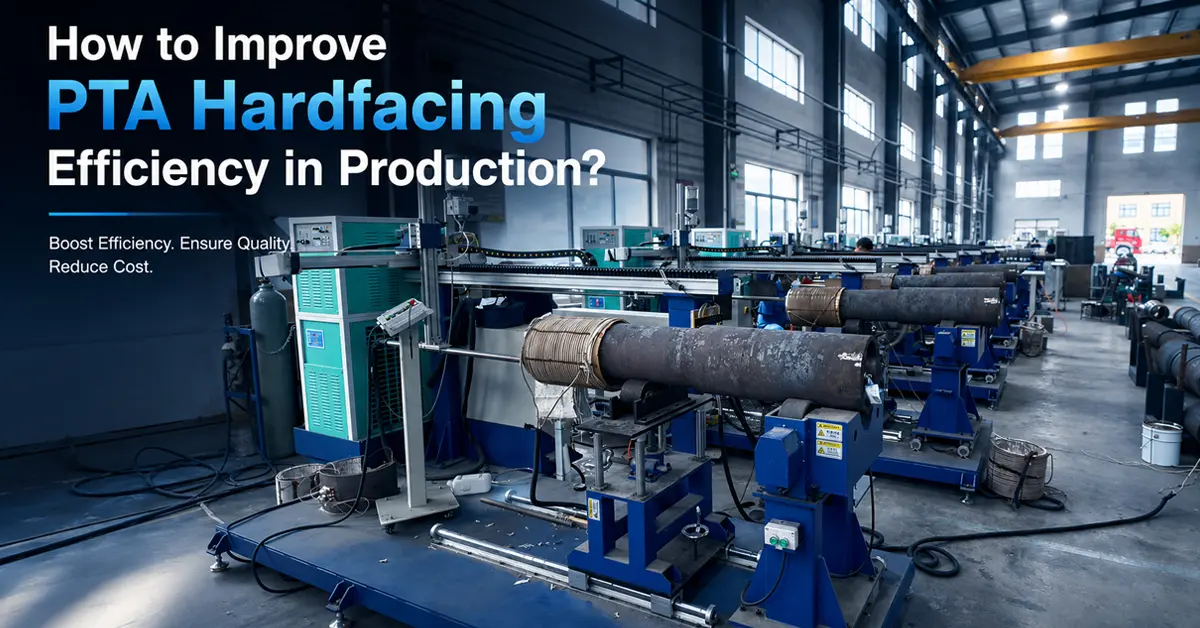
Efficiency Review
"In Oil & Gas, the Real Cost Is Downtime—Not the Component. When a choke valve fails due to sand erosion, a mud pump valve seat wears beyond tolerance, or a drill stabilizer reaches the end of its service life, the traditional response of replacement is no longer sufficient."
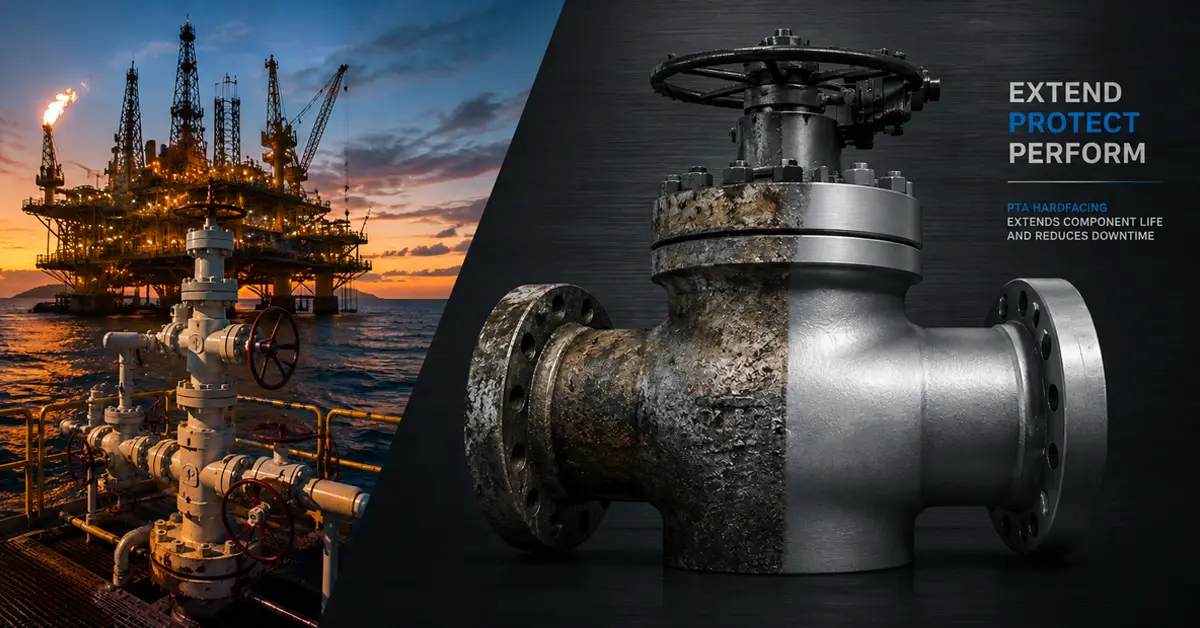
Oil & Gas Operations
Common inquiries regarding our plasma torches and their integration in the French market.
The dilution rate represents the mixing percentage of the parent metal with the deposited cladding alloy. In applications like aerospace turbine blades or petrochemical valves, keeping the dilution rate low (typically below 5%) ensures that the coating material retains its intended chemical composition, hardness, and corrosion-resistant properties without compromise.
PTA cladding utilizes a transferred plasma arc as the heat source to fuse powder alloys, ideal for thick, heavy-wear coatings. Laser cladding uses an industrial laser source to produce a highly concentrated melt pool, resulting in extremely low heat input, a minimal heat-affected zone (HAZ), and minimal thermal distortion.
Yes. Our torches are designed with robust mounting fixtures, internal cooling passages, and electrical signal configurations that allow integration with multi-axis CNC systems, gantry setups, and robotic arms. This supports reproducible clad tracks in high-throughput production lines.
We provide remote parameter-tuning sessions, metallurgical analysis consultations, and documentation regarding powder selection and torch paths. This ensures our French partners can quickly set up their operations and maintain consistent cladding quality.




Have an inquiry about a product, or need support designing custom parameters for your plasma torches? Contact our team today. We typically reply within 24 hours.
Provide details about your parent substrate material, selected alloy powder type, and production targets. Our engineers will provide a custom technical analysis.
Contact Our Engineering Desk