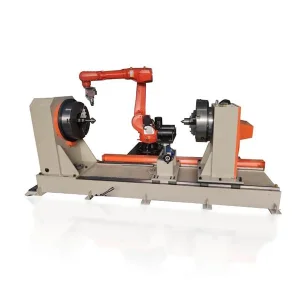
Leading-edge surfacing and cladding technology for global manufacturers.
Understanding the fundamental differences and selecting the right technology for industrial surfacing.
In the realm of advanced manufacturing, the term Tig Mig 용접 차이 (Differences between TIG and MIG welding) is more than just a technical query—it is a critical decision point for engineers focusing on structural integrity, surfacing quality, and production efficiency. While both are arc welding processes, their metallurgical impact and application suitability vary significantly, especially when transitioning to automated Plasma Transferred Arc (PTA) or Laser Cladding systems.
TIG welding, also known as GTAW, uses a non-consumable tungsten electrode. It offers unparalleled precision and is the gold standard for thin materials and critical aerospace components. However, it requires significant operator skill and has lower deposition rates compared to MIG.
MIG welding (GMAW) uses a consumable wire electrode that doubles as the filler material. It is favored for high-speed production, thick section joining, and ease of automation. In the context of "용접 차이" (welding differences), MIG stands out for throughput and cost-effectiveness in heavy industrial fabrication.
| Feature | TIG (GTAW) | MIG (GMAW) | PTA / Laser Cladding (Duomu Choice) |
|---|---|---|---|
| Precision | Extremely High | Moderate | Ultra-High (Automated) |
| Speed | Slow | Fast | Variable / Optimized for Quality |
| Material Dilution | Low | Moderate | Lowest (Superior Surface Properties) |
| Common Use | Aerospace, Nuclear | Automotive, Construction | Mining, Oil & Gas, Repair |
Global manufacturing is currently undergoing a paradigm shift. Traditional manual TIG and MIG processes are increasingly being replaced by Automated Plasma Surfacing and Laser Cladding. The primary driver is the need for "Information Gain" in production—data-driven welding where heat input, powder feed rates, and travel speeds are controlled via AI-integrated CNC systems.
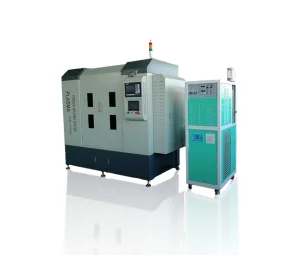
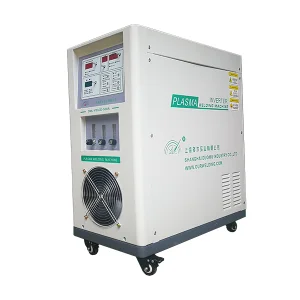
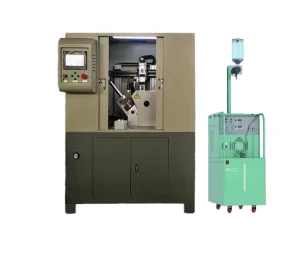
Shanghai Duomu, with over a decade of expertise, addresses this by providing PTA cladding machines that combine the precision of TIG with the deposition efficiency surpassing MIG, specifically for hardfacing applications.
In the US and European markets, the focus is on "Remanufacturing" (Circular Economy). Instead of discarding worn components, industries utilize laser hardening and PTA surfacing to extend life cycles by up to 300%. This not only reduces costs but significantly lowers the carbon footprint of heavy industrial operations.
From deep-sea drilling to aerospace military projects.

Hardfacing of plowshares and harvest blades to withstand soil abrasion.

Precision surfacing for high-temperature turbine components using micro-plasma.

Internal cladding of drill collars and valve seats for corrosion resistance.
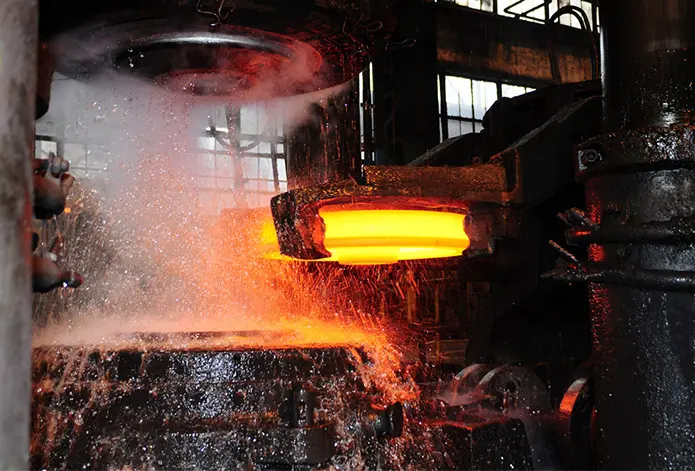
Repair of continuous casting rollers and forge dies to reduce downtime.
The future of Tig Mig 용접 차이 converges in Hybrid Laser-Arc Welding (HLAW). By combining the deep penetration of a laser with the gap-bridging capabilities of MIG, manufacturers can achieve speeds 5-10 times faster than TIG while maintaining metallurgical excellence.

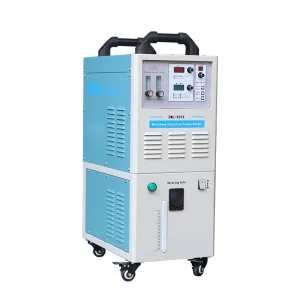
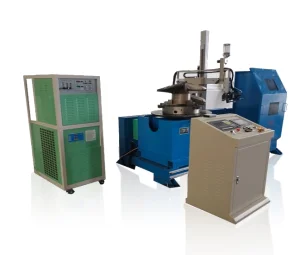
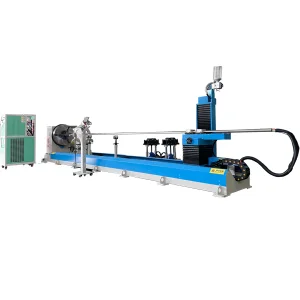
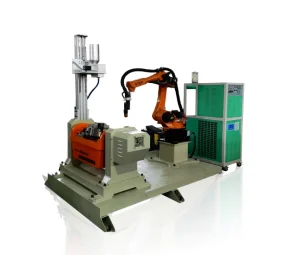
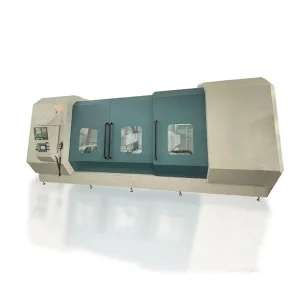
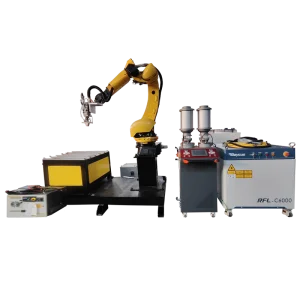
Shanghai Duomu has been a leading manufacturer and exporter of PTA cladding machine and Laser cladding machine for more than ten years with a strong technical background. Our R&D team develops, produces and sells plasma cladding machine equipment with unmatched stability.
Our commitment to E-E-A-T (Experience, Expertise, Authoritativeness, and Trustworthiness) is reflected in our ISO certifications and our long-term partnerships with nuclear and military contractors.
We provide complete sets of industrial equipment solutions, specializing in large-scale remanufacturing projects. Our welding machines are designed for stable, efficient long-term operation in the harshest environments.
"In PTA hardfacing, achieving a high-quality overlay is not only about selecting the right alloy powder. The dilution rate is the most critical factor..."
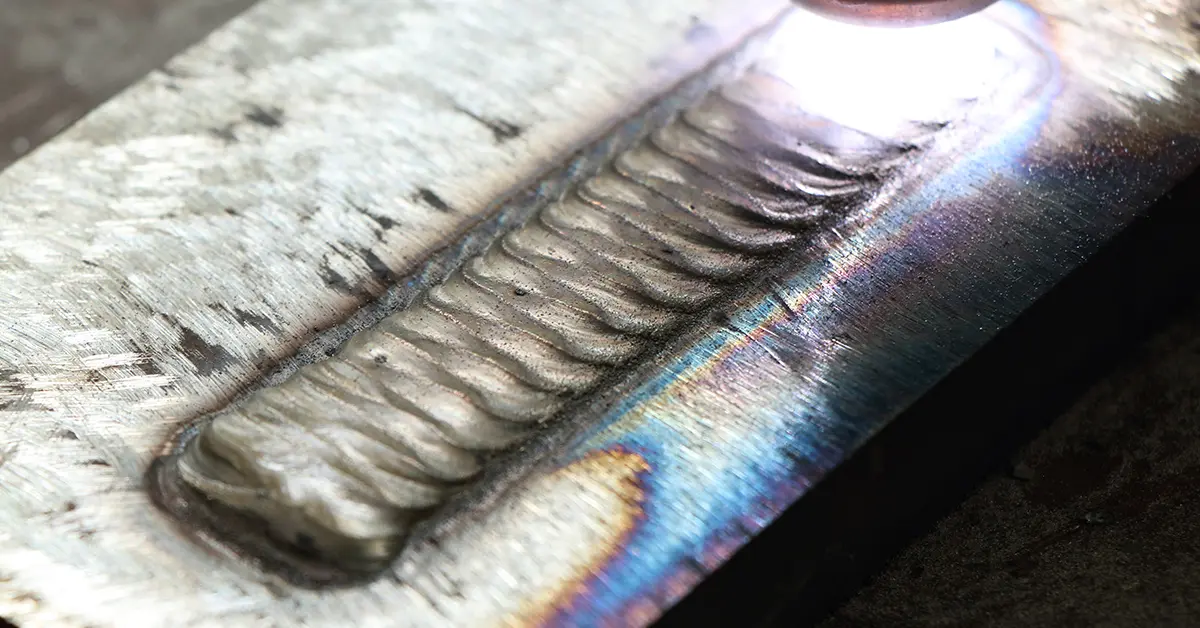
"In Oil & Gas, the Real Cost Is Downtime—Not the Component. Improving PTA hardfacing efficiency is the key to profitability."
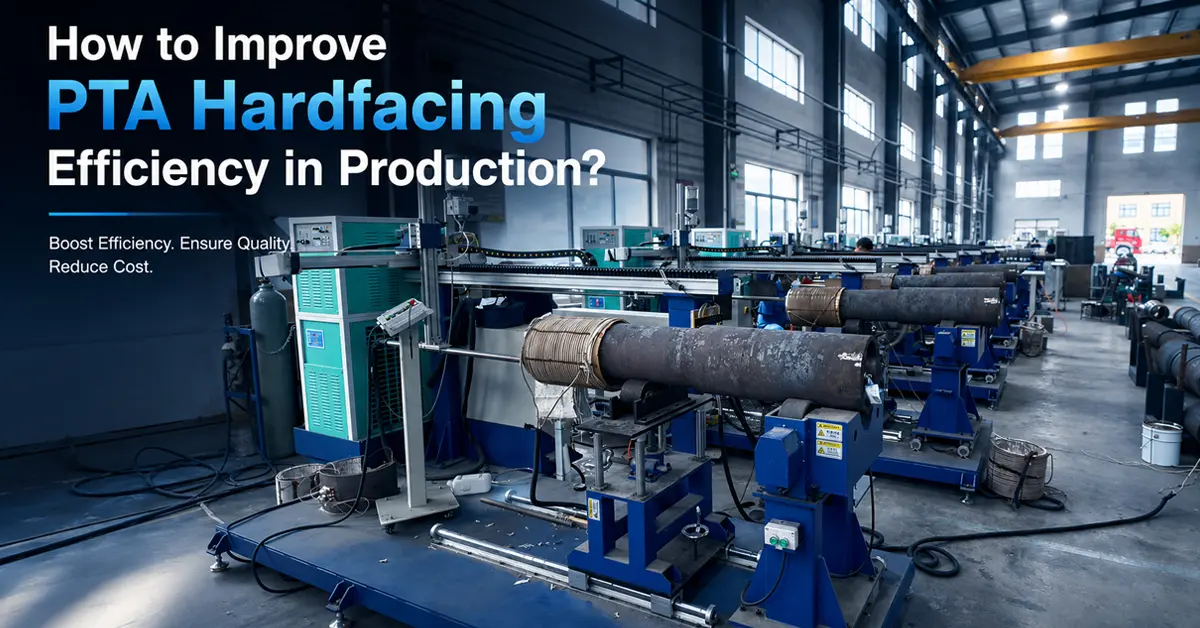
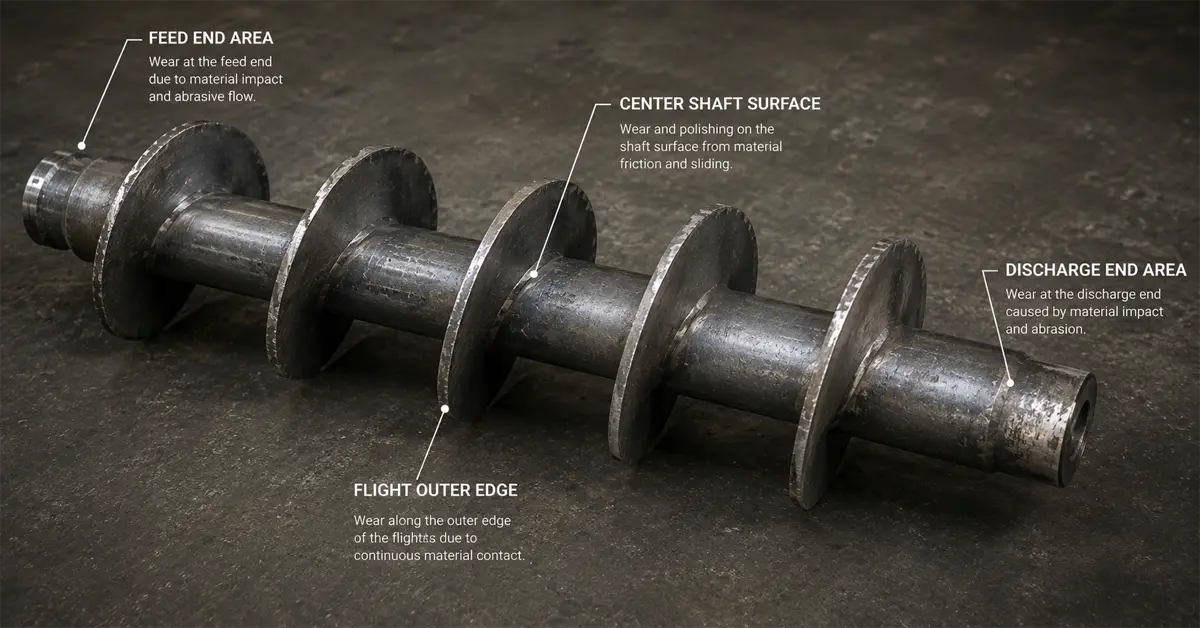
"Screw conveyors in cement and power generation are frequent causes of unplanned downtime. Our cladding solutions solve this."
The core "용접 차이" lies in the electrode: TIG uses a non-consumable tungsten rod, while MIG uses a consumable wire. TIG is better for precision; MIG is better for speed.
Yes. Plasma Transferred Arc (PTA) provides much lower dilution and a more concentrated heat source, leading to superior wear resistance compared to standard MIG hardfacing.
We provide full technical documentation, 24-hour response times for inquiries, and localized equipment customization to meet regional safety and power standards.
Laser cladding has an extremely small Heat Affected Zone (HAZ), which prevents component warping and preserves the base material's metallurgical properties better than TIG.
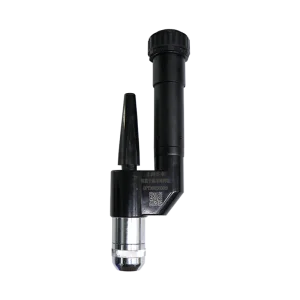
Precision parts and consumables for your cladding operations.
Unit 2, No.615 Feng Deng Road, Jiading District, Shanghai, China
Email: [email protected]
Phone: +86 15021996700
For inquiries about our products or pricelist, please leave your message to us and we will be in touch within 24 hours.
Get a QuoteTrusted by Global Leaders: