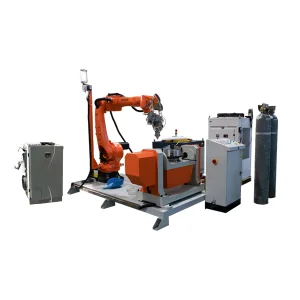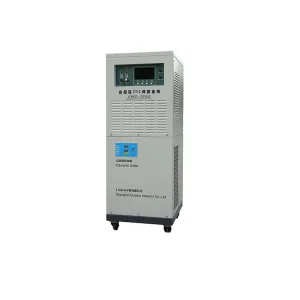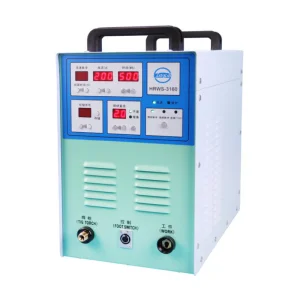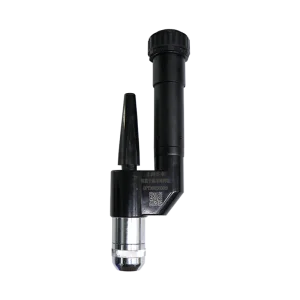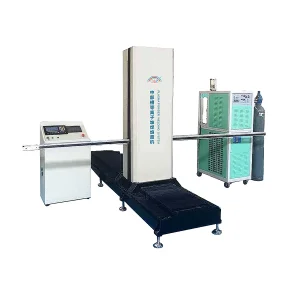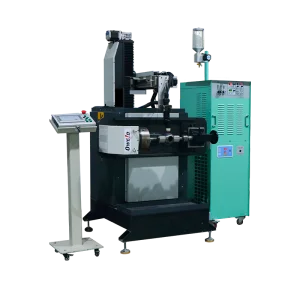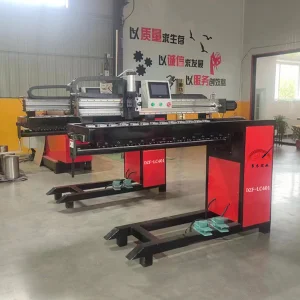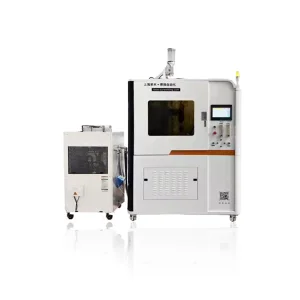
In the modern era of industrial manufacturing, the demand for components that can withstand extreme environments—high friction, corrosive chemicals, and intense heat—has never been higher. Tempra Laser Cladding technology represents the pinnacle of surface modification, offering a synergistic blend of metallurgical bonding and minimal thermal distortion.
Unlike traditional thermal spraying or arc welding, Tempra Laser Cladding uses a high-energy density laser beam as a heat source to melt a coating material (powder or wire) onto a substrate. This results in a coating that is fully dense, metallurgically bonded, and virtually free of porosity. For global enterprises, this translates to extended component life, reduced downtime, and significant cost savings in maintenance and replacement.
Current Industry Trends: We are seeing a massive shift toward "Green Manufacturing." Instead of discarding worn-out shafts, valves, or turbine blades, leading companies in the aerospace, nuclear, and petrochemical sectors are utilizing laser remanufacturing to restore components to original (or better) specifications, significantly reducing the carbon footprint of heavy industry.
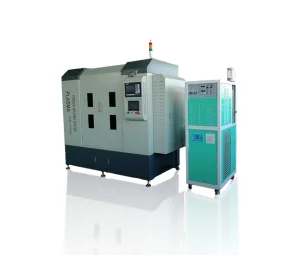
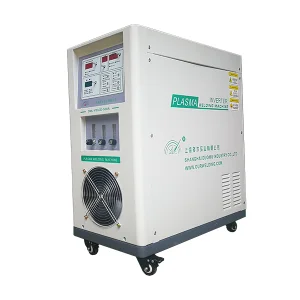
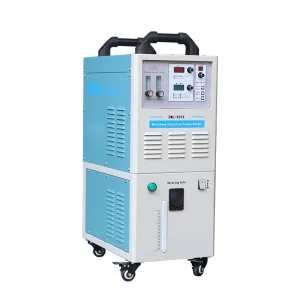
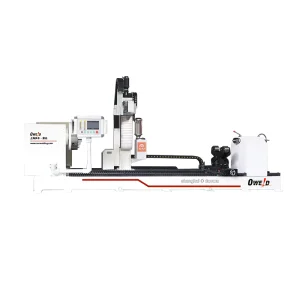
Our Tempra Laser and PTA Cladding solutions are engineered for high-stakes environments where failure is not an option.
Repairing turbine engine components and strengthening landing gear assemblies with high-precision laser hardening and cladding.
Providing specialized cladding equipment for valve seats and internal components requiring zero-leakage and high radiation resistance.
Surface protection for drill bits, stabilizers, and mud pump parts against the harsh abrasive and corrosive nature of deep-sea drilling.
Increasing the wear resistance of plowshares and harvest blades, extending tool life by up to 300% in sandy or rocky soils.
Restoring large-scale forging rolls and continuous casting rollers using automated plasma powder surfacing systems.
Enhancing cavitation resistance on hydropower turbine blades and dam gate mechanisms.
Located in the heart of Shanghai’s high-tech industrial zone, our factory leverages the world’s most robust supply chain for laser components and metallurgical powders. This provides several key advantages for our global clients:
We work directly with local material scientists to develop custom alloy powders (Stellite, Inconel, Carbides) optimized for our Tempra Laser systems.
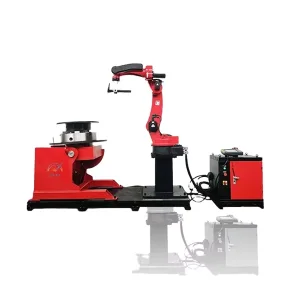
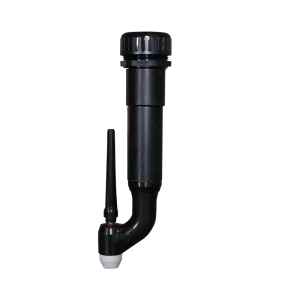
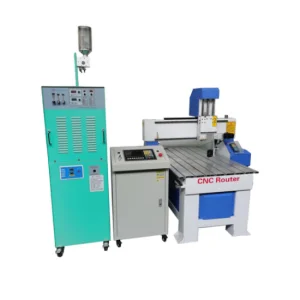
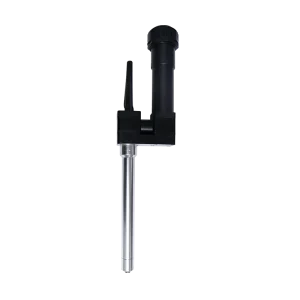
Through vertical integration—designing our own torches, control systems, and robotic platforms—we offer high-end performance at a significantly lower TCO (Total Cost of Ownership) than European competitors.
Our equipment is engineered to meet CE, UL, and ISO standards, ensuring seamless integration into factories across North America, Europe, and Southeast Asia.
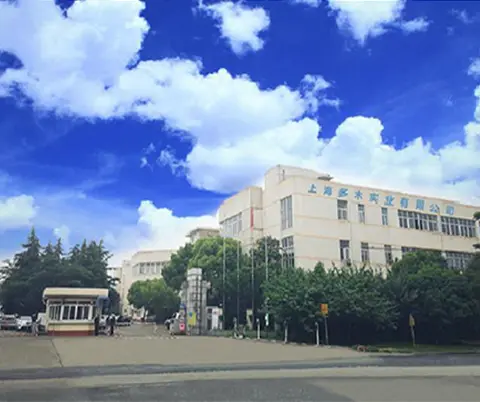
Shanghai Duomu boasts an independent R&D team dedicated to advancing Plasma Transferred Arc (PTA) and Laser Cladding technology. Our systems are renowned for their stability and capability to maintain efficient, long-term operation under heavy industrial loads.
We don’t just sell machines; we provide complete industrial solutions. Our customization capabilities include:
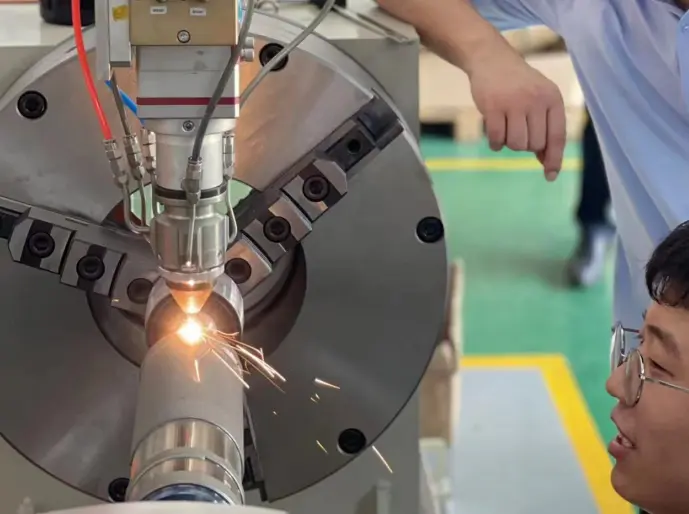
The core of a high-quality laser cladding process lies in the Dilution Rate. Excessive dilution from the base metal degrades the properties of the cladding layer, while insufficient dilution leads to poor bonding. Our Tempra systems utilize proprietary algorithms to synchronize powder feed rate with laser intensity, maintaining a dilution rate below 5% while ensuring 100% metallurgical bonding.
Furthermore, the Heat Affected Zone (HAZ) is kept to a minimum. In traditional welding, the HAZ can cause warping or change the microstructure of the base metal. Tempra technology focuses energy so precisely that the component remains structurally sound, often requiring no post-weld heat treatment (PWHT), which is a critical advantage for high-precision shafts and aerospace gears.
PTA (Plasma Transferred Arc) is excellent for thick layers and high deposition rates, typically used in mining and heavy industry. Laser Cladding offers higher precision, a smaller Heat Affected Zone, and is ideal for high-value components in aerospace and medical sectors.
Yes, we provide 24-hour remote diagnostic support and have a network of technical partners globally to assist with on-site installation, training, and compliance certification.
Our machines are compatible with a wide range of metal powders, including Cobalt-based (Stellite), Nickel-based (Inconel), Iron-based alloys, and Tungsten Carbide composites.
The S-TIG (Super TIG) system provides deeper penetration and higher speeds, making it ideal for thick-walled pipes and heavy pressure vessels found in the nuclear and chemical industries.
Unit 2, No.615 Feng Deng Road, Jiading District, Shanghai, China
Email: [email protected]
Phone/WhatsApp: +86 15021996700