Leading the market with high-integration plasma and laser cladding systems.
The global High-Quality Plasma Welding Machine Market has entered a transformative era. As industries transition toward "Industry 4.0," the demand for precision, durability, and cost-efficiency has propelled Plasma Transferred Arc (PTA) and Laser Cladding technologies to the forefront of surface engineering. High-quality plasma welding is no longer just a joining process; it is a critical "remanufacturing" strategy used to extend the lifecycle of high-value industrial components.
In the current global landscape, industries such as aerospace, nuclear power, and heavy mining face extreme wear environments. Conventional welding often results in high dilution rates and significant thermal distortion. In contrast, modern Plasma Transferred Arc (PTA) systems offer a concentrated heat source, allowing for a metallurgical bond with minimal dilution (often less than 5%). This technical advantage is the primary driver for procurement teams in Europe and North America seeking high-tier Chinese suppliers who can provide integrated R&D solutions.
Our data shows a 15% annual growth in the adoption of automated cladding systems across Southeast Asia and the Middle East.
Why are global enterprises turning to Chinese manufacturers like Shanghai Duomu? The answer lies in "Integrated Manufacturing Efficiency." Unlike fragmented suppliers, leading Chinese factories consolidate the entire value chain: from independent R&D of the plasma torch to the software integration of 6-axis robots.
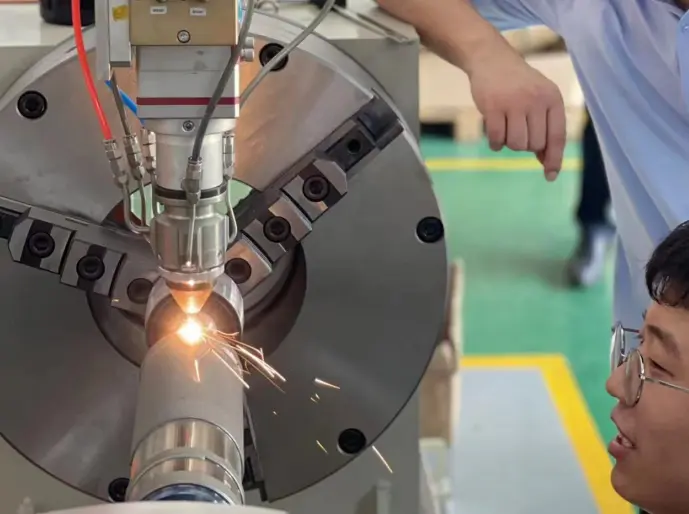
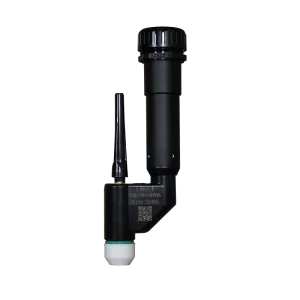
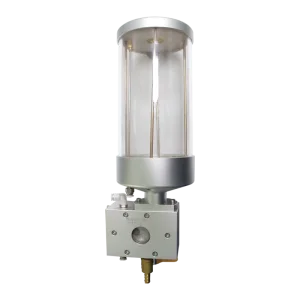
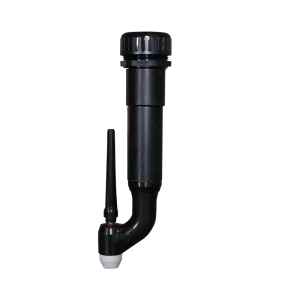
Shanghai Duomu maintains an independent R&D team dedicated to the science of plasma powder surfacing. Our focus is on the stability of the arc and the precision of the powder feeder system. In industrial hardfacing, the real efficiency is defined by the quality of the overlay.
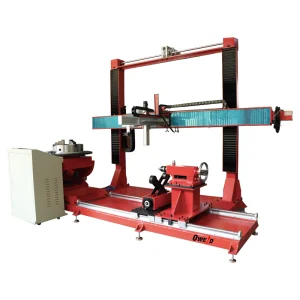
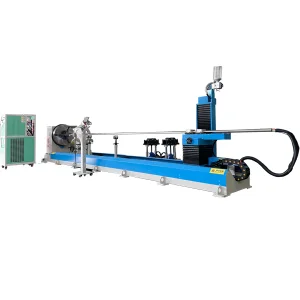
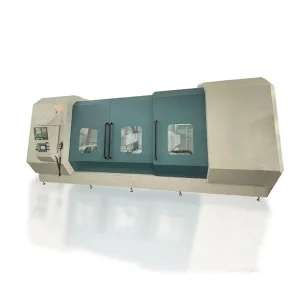
We don't just sell machines; we provide complete sets of industrial equipment solutions. This includes specialized equipment for hydraulic rods, coal mining picks, and large-scale valve components. Our "Technical Department" ensures that every system sold can maintain efficient long-term operation under harsh conditions.
Transforming critical sectors with high-performance plasma and laser technology.
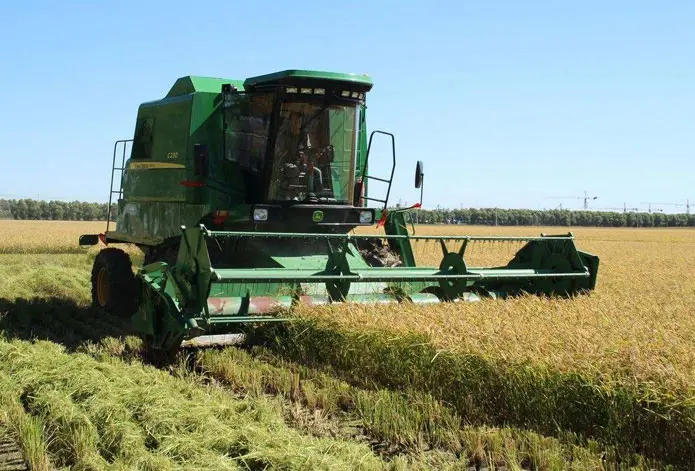
Hardfacing of plowshares and harvest components to resist soil abrasion.

Repairing turbine blades and high-strength alloys with laser cladding.

Anti-corrosion overlays for mud pump valves and stabilizers in Oil & Gas.
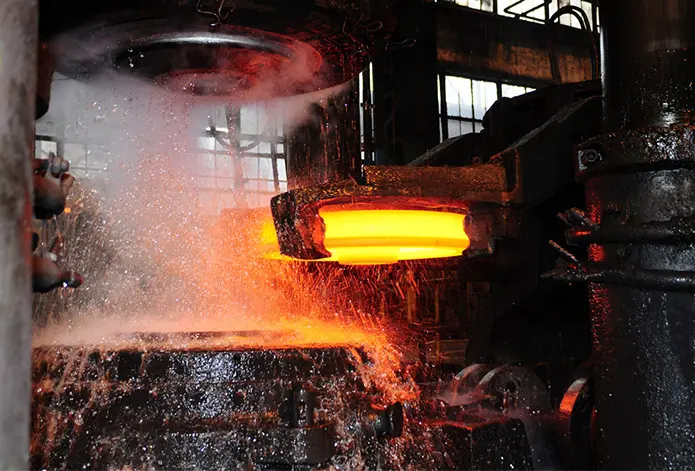
Protecting continuous casting rollers from high-temperature fatigue.
The trajectory of the plasma welding market is moving toward hyper-automation and material innovation. Enterprises are looking for more than just a welding machine; they are looking for "Intelligent Repair Stations."
Modern plasma surfacing systems are being equipped with sensors that monitor arc voltage, powder flow, and melt pool temperature in real-time. This data allows for predictive maintenance and ensures that the overlay quality remains consistent across thousands of cycles.
As noted in our product catalog, the convergence of PTA and Laser technology is accelerating. PTA offers high deposition rates (ideal for thick overlays), while Laser Cladding provides precision and low heat input (ideal for thin-walled components). Manufacturers now demand hybrid systems that can switch between these modes based on the specific component's geometry.
Global procurement requirements are increasingly focusing on "green" manufacturing. PTA cladding allows companies to repair worn parts instead of discarding them, reducing the carbon footprint of industrial operations by up to 60%. This shift from "Replace" to "Restore" is a key driver for market growth in the cement, power, and mining sectors.
Our PTA machines achieve deposition rates that significantly outperform TIG/MIG welding, reducing labor time for large surfacing projects.
Specially designed for components operating in high-wear environments like screw conveyors and choke valves.
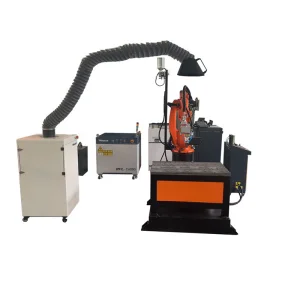
Seamless integration with Fanuc, Kuka, and ABB robotic arms for fully autonomous cladding production lines.
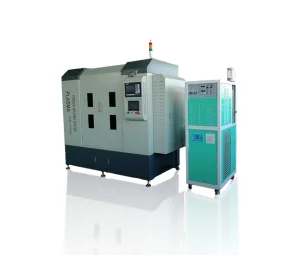
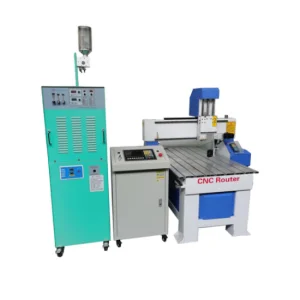
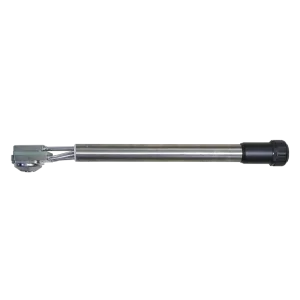
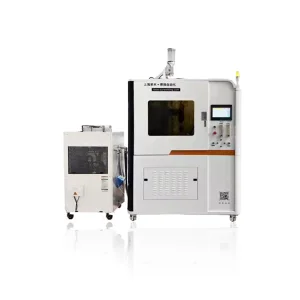
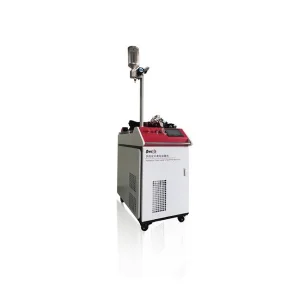
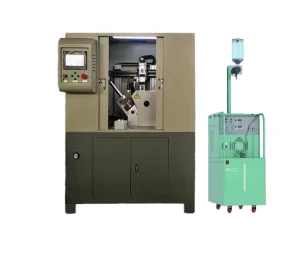
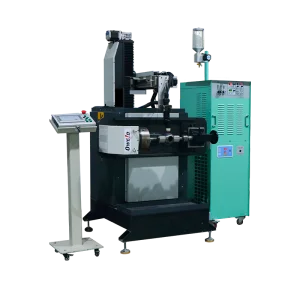
Explore our high-performance plasma and laser welding arsenal.
Expert insights on Plasma Welding and Cladding technology.
Interested in optimizing your manufacturing efficiency? Leave us a message and our technical team will reach out within 24 hours.
📍 Unit 2, No.615 Feng Deng Road, Jiading District, Shanghai, China