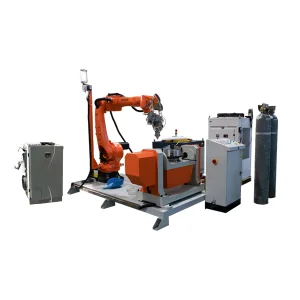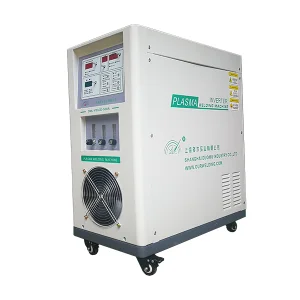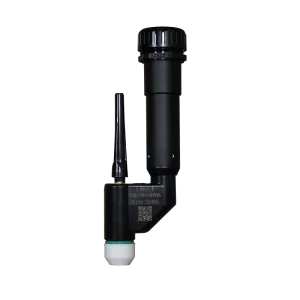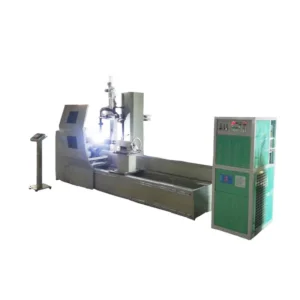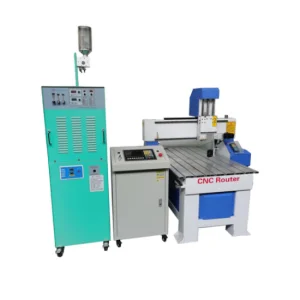
In the modern industrial landscape, Mantenimiento De Engranajes (Gear Maintenance) has evolved from simple lubrication and inspection to high-tech metallurgical restoration. As heavy industries—ranging from mining in Chile to wind energy in Germany—face increasing pressure to reduce carbon footprints and operational costs, the procurement of advanced surfacing and cladding equipment has become a strategic priority.
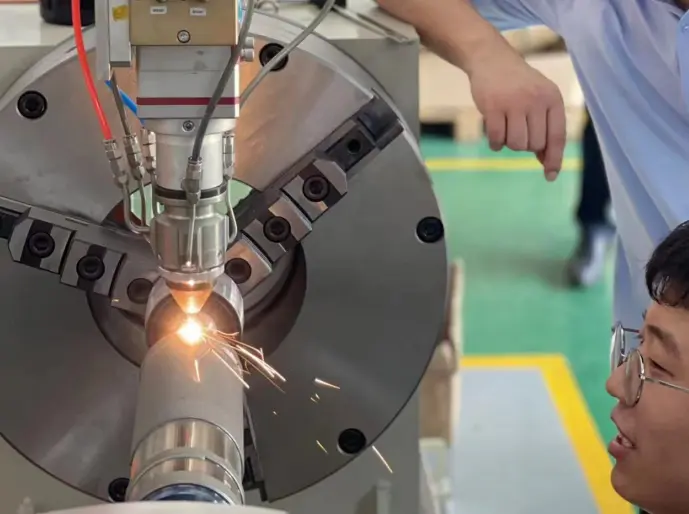
Enterprises are shifting toward proactive remanufacturing. By utilizing Plasma Transferred Arc (PTA) and Laser Cladding, the service life of industrial gears can be extended by 200-400%.
Procuring maintenance equipment in-house reduces downtime costs by up to 60% compared to outsourcing gear repairs to third-party workshops.
On-site gear maintenance capabilities ensure that critical infrastructure (like cement kilns or power turbines) remains operational despite global shipping delays for replacement parts.
According to recent industrial data, the global market for gear remanufacturing is expected to grow at a CAGR of 7.2% through 2030. This growth is driven by the realization that "The Real Cost Is Downtime—Not the Component." When a critical gearbox fails, the lost production time can cost millions, making high-quality maintenance equipment like those from Shanghai Duomu indispensable.
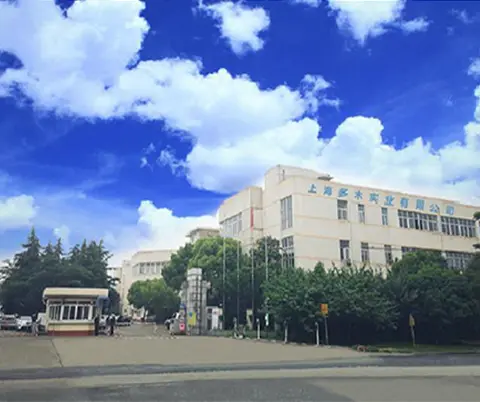
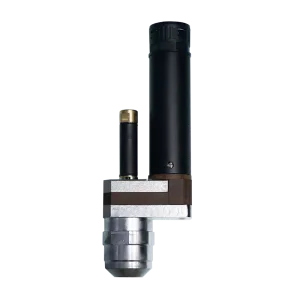
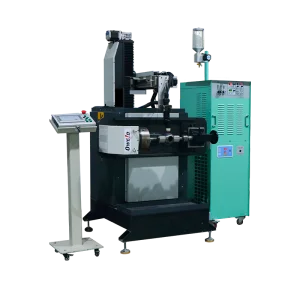
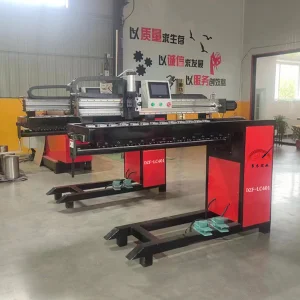
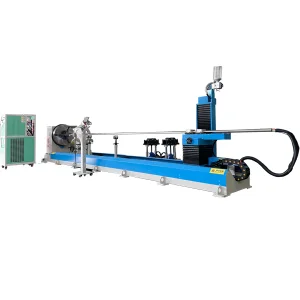
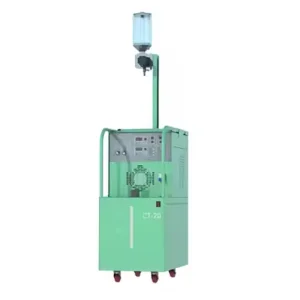
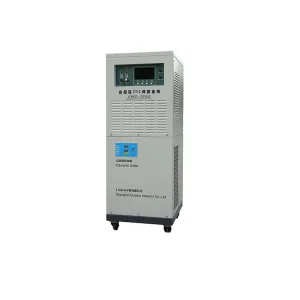
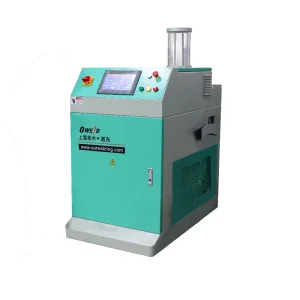
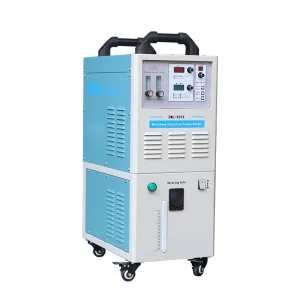
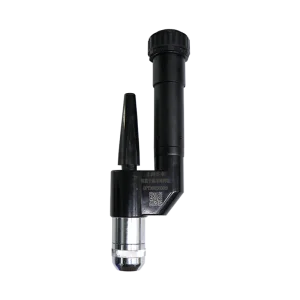
Shanghai Duomu has been a leading manufacturer and exporter of PTA cladding machine and Laser cladding machine for more than ten years with a strong technical background. Our expertise in Mantenimiento De Engranajes lies in our ability to provide precise metallurgical bonding that restores worn gear teeth to their original—or even superior—specifications.
Our technology has penetrated high-stakes industries where failure is not an option.
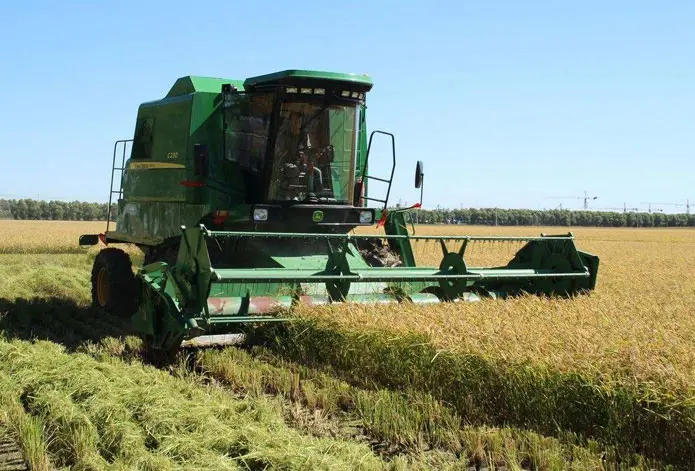
Enhancing wear resistance of harvester gears and tillage tools in abrasive soil environments.

Critical surfacing for flight control actuators and high-torque transmission systems.
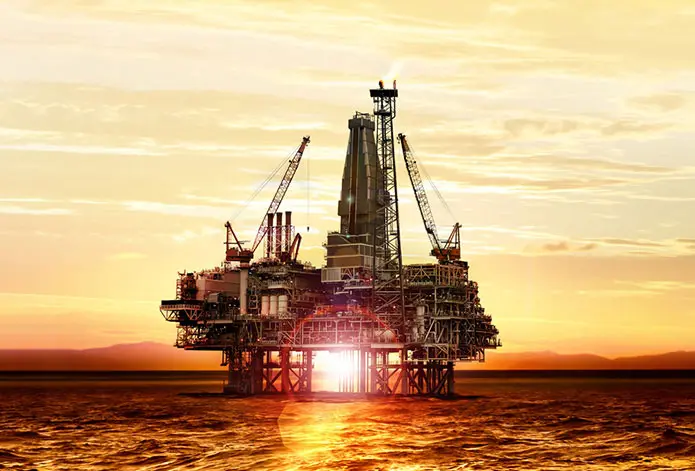
Restoring mud pump gears and drill stabilizers subjected to extreme sand erosion.
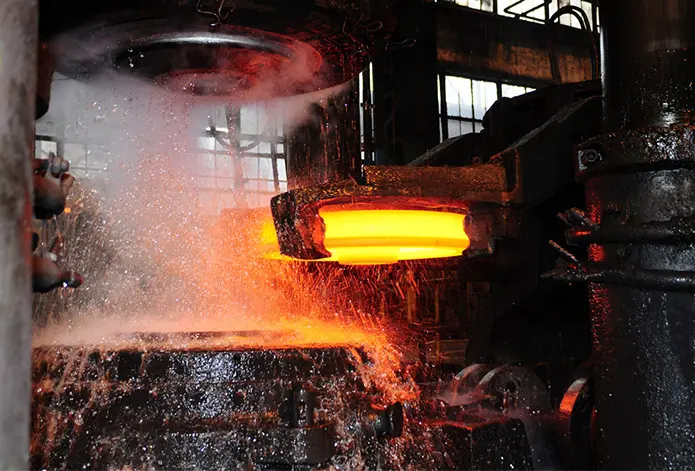
High-temperature resistant cladding for steel mill rollers and heavy-duty gearboxes.
The roadmap for Mantenimiento De Engranajes is moving toward "Additive Remanufacturing." Unlike traditional welding, PTA and Laser cladding offer a low dilution rate and a minimal Heat Affected Zone (HAZ). This is crucial for gear maintenance, as it preserves the core toughness of the gear while providing a super-hard surface.
Future Outlook: We are integrating AI-driven monitoring systems that can detect wear patterns in real-time and suggest the optimal alloy powder composition for repair. Robotic "Cold Cladding" is the next frontier, allowing for the restoration of gear teeth without any thermal distortion of the base geometry.
"In PTA hardfacing, achieving a high-quality overlay is about the dilution rate. Whether you're working on a screw conveyor or a large industrial gear, managing the metallurgical bond is key."
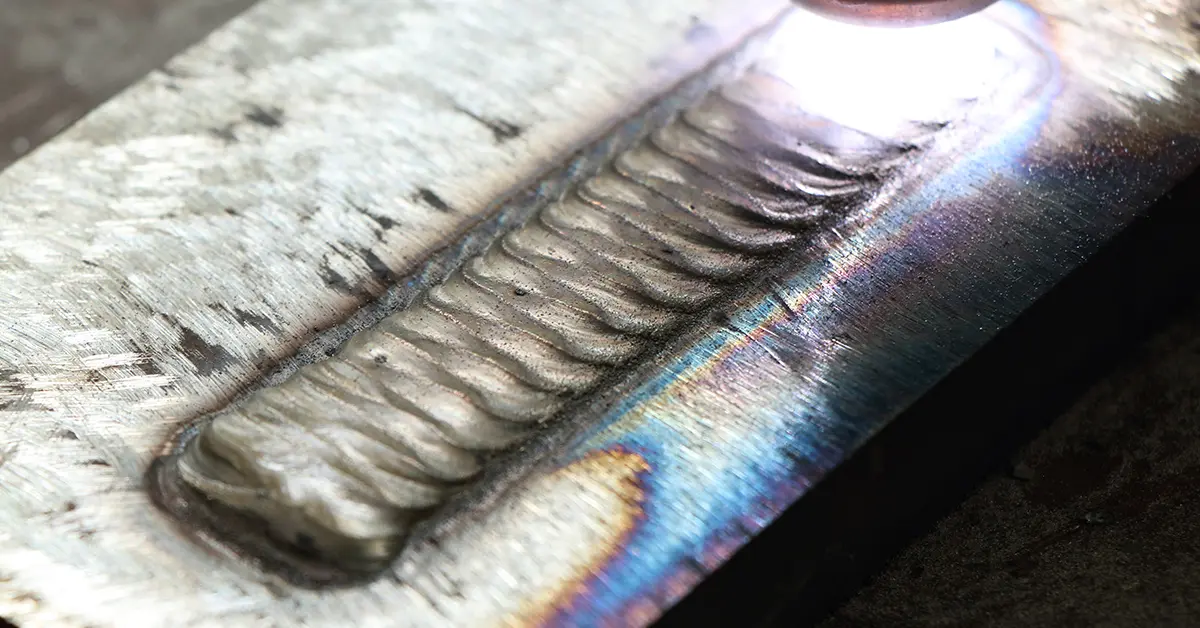
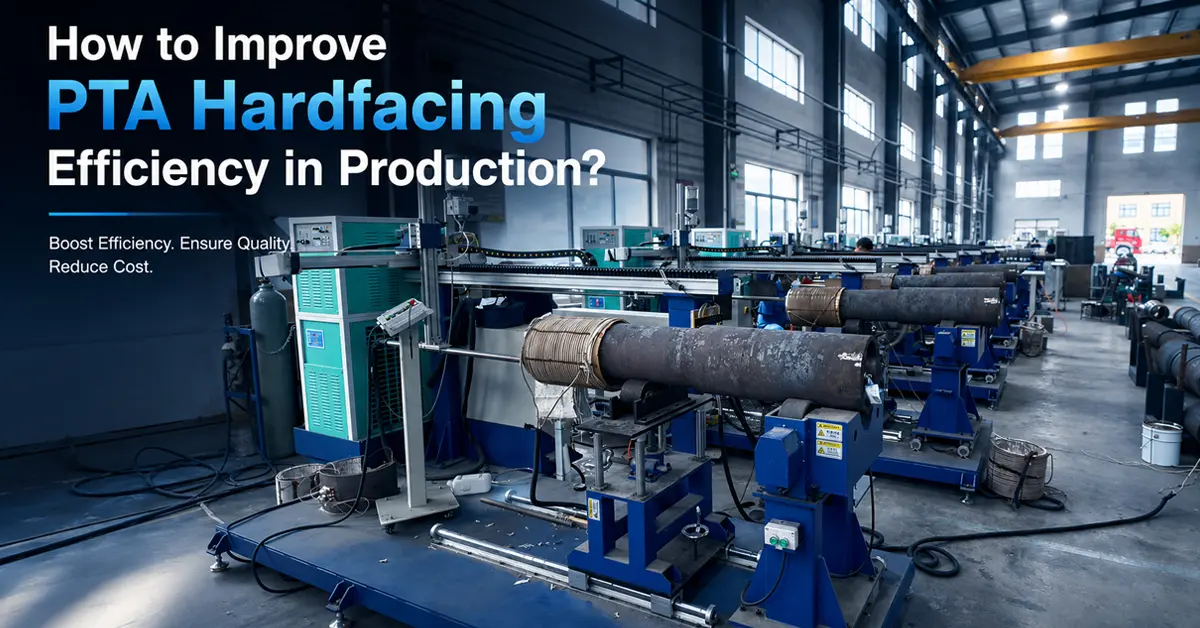
"Improving PTA hardfacing efficiency is not simply about increasing speed. The real efficiency depends on depositing the right alloy within the tightest tolerance."
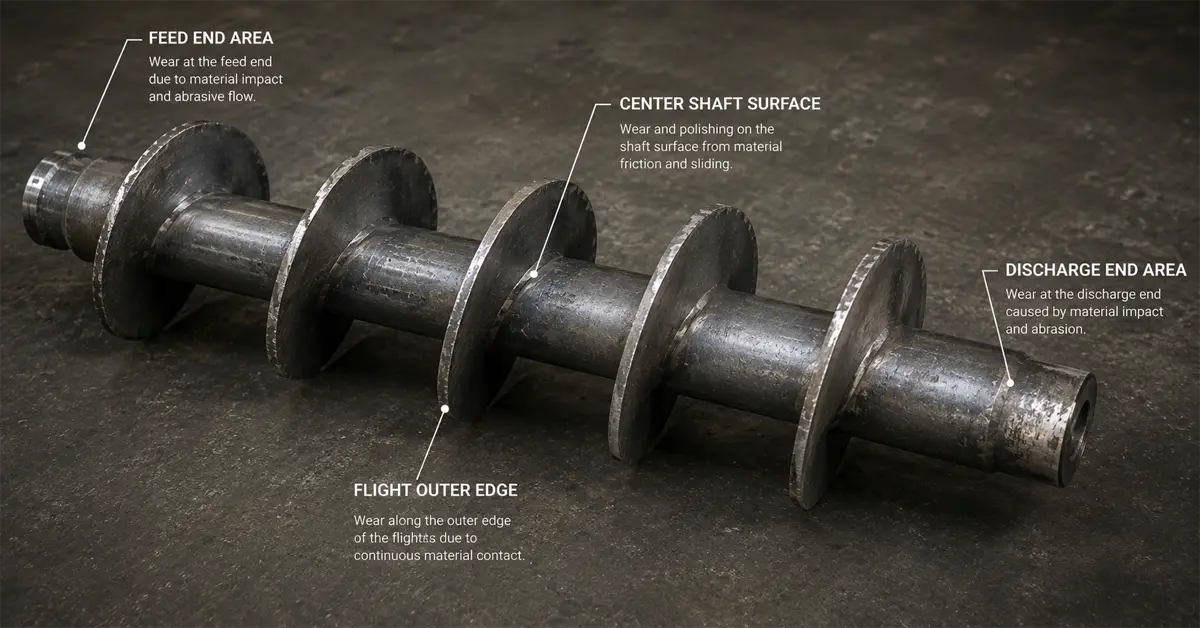
"For industries like mining and cement, screw conveyors and gearsets are auxiliary but critical. Unplanned downtime is the enemy we fight with advanced cladding."
As a global leader in cladding technology, Shanghai Duomu ensures that all equipment complies with international safety and quality standards, including ISO 9001 and CE certifications. We provide localized support for our clients in Latin America, Europe, and Southeast Asia.
PTA (Plasma Transferred Arc) provides a much lower dilution rate (approx. 5-10%) and a more controlled heat input. This prevents the gear from warping and ensures the repaired surface has the exact hardness required without affecting the base metal's integrity.
Yes. Laser cladding is the gold standard for high-precision Mantenimiento De Engranajes. It allows for ultra-fine layers of alloy powder to be deposited, minimizing the need for post-process machining and ensuring the involute profile of the gear tooth is maintained.
Depending on the application, we use Cobalt-based (Stellite), Nickel-based, or Iron-based alloys, often reinforced with Tungsten Carbides to provide maximum resistance against abrasive wear and impact.
While it depends on the gear size, our automated systems can often complete a full tooth-set restoration in a fraction of the time required for manual welding, with significantly higher consistency.
Unit 2, No.615 Feng Deng Road, Jiading District, Shanghai, China
Email: [email protected] | Phone: +86 15021996700