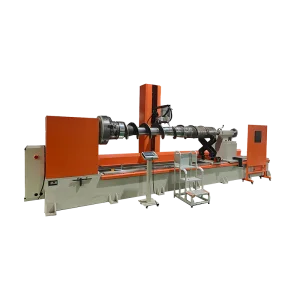
High-Quality Aerospace Cladding Manufacturers & Factories

Providing Precision Surface Engineering Solutions for High-Performance Aerospace Components and Military Grade Applications.

Aerospace Cladding: The Pinnacle of Advanced Surface Engineering

In the modern aerospace industry, components are subjected to extreme thermal cycling, oxidative environments, and high-stress mechanical loads. Aerospace cladding represents the state-of-the-art solution for extending the life of turbine blades, landing gear, and engine components. By metallurgically bonding high-performance alloys—such as Inconel, Stellite, and Titanium carbides—onto base substrates, manufacturers can achieve superior wear and corrosion resistance without compromising the structural integrity of the part.
0.05%

Ultra-Low Dilution

Our PTA and Laser systems ensure minimum mixing between substrate and coating, preserving alloy purity.

100%

Metallurgical Bond

Unlike thermal sprays, cladding creates a true atomic bond, eliminating the risk of coating delamination.

30%

Material Savings

Precision additive manufacturing reduces the need for expensive superalloys by targeting only wear-prone zones.
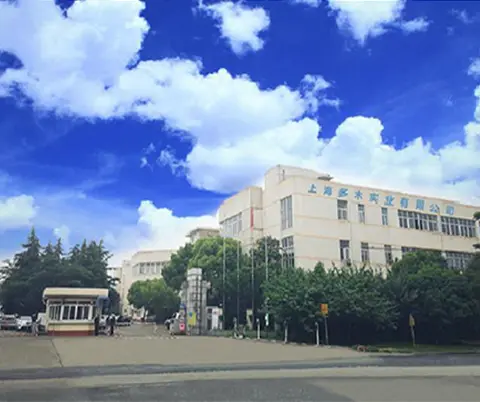
Strategic Advantages of Choosing China-Based Aerospace Cladding Factories

Shanghai Duomu stands at the intersection of technological innovation and manufacturing efficiency. China’s aerospace cladding industry has evolved from simple remanufacturing to high-precision Directed Energy Deposition (DED).

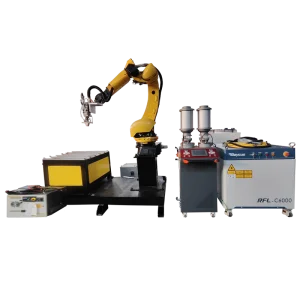
1. Supply Chain Integration: Leveraging the world’s most robust industrial ecosystem, we provide end-to-end solutions from custom powder feeders to 6-axis robotic integration.
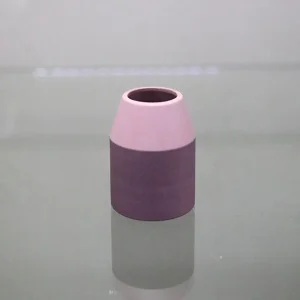
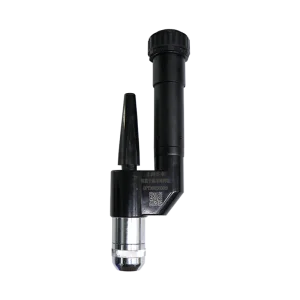
2. R&D Velocity: Our independent technical department rapidly iterates on cladding torch designs, such as the Independently Research And Develop Plasma Surfacing Torch 300, ensuring our clients always have access to cutting-edge hardware.
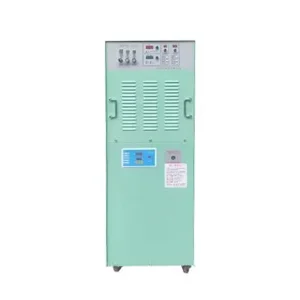
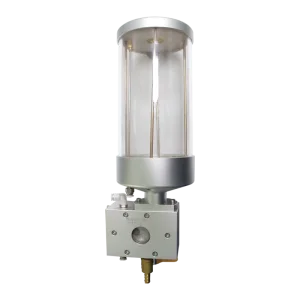
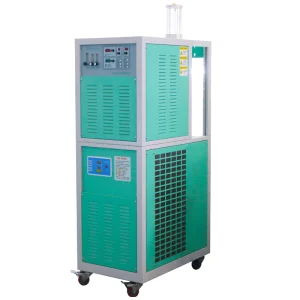
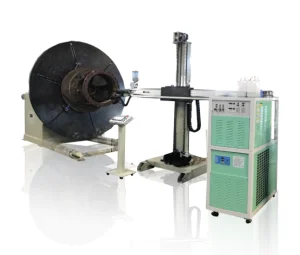
3. Cost-to-Performance Ratio: By optimizing the manufacturing process of integrated plasma powder welding machines (DML-V03AD/BD), we offer aerospace-grade precision at a fraction of the cost of European or North American competitors.

Shanghai Duomu: A Decade of Excellence

Shanghai Duomu has been a leading manufacturer and exporter of PTA cladding machine and Laser cladding machine for more than ten years with a strong technical background. Our expertise spans across aerospace military industry, nuclear power, petrochemical industry, and metallurgy.

Our technical department boasts an independent R&D team that develops, produces, and sells plasma cladding equipment with stable performance for long-term operation. We provide complete sets of industrial equipment solutions, supporting large-scale remanufacturing projects worldwide.

Global Industry Solutions & Macro Trends

The shift towards Industry 4.0 is redefining aerospace maintenance. We are moving beyond "repair" to "performance enhancement."

Turbine Blade Life Extension

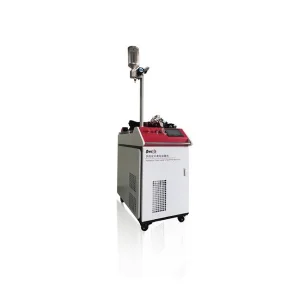
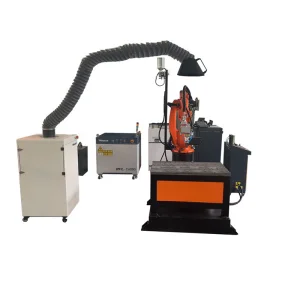
Using our Laser cladding machine for blades, we apply single-crystal superalloys to repair tip wear, restoring aero-engine efficiency to 99% of original specs.

Nuclear & Military Grade

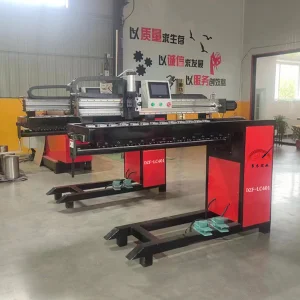
Cladding valves and actuators for nuclear reactors requires zero-defect manufacturing. Our automated DQF-LC602 systems provide the necessary repeatability.

Shaft & Cylinder Remanufacturing

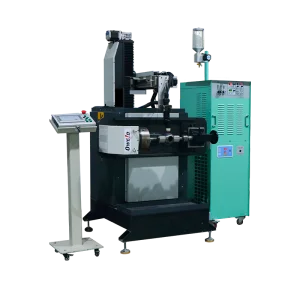
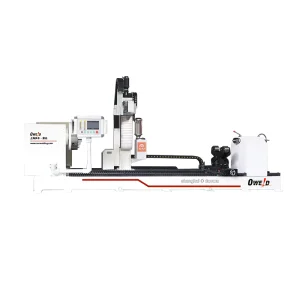
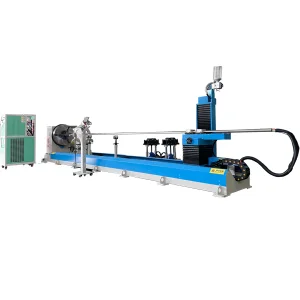
The DYY-LC501 system is designed specifically for cylindrical components, widely used in both aerospace landing gears and heavy-duty mining machinery.


Local Application Scenarios

From the oil fields of the Middle East to the aerospace hubs in Southeast Asia, our equipment is deployed in diverse environments:
  • Petroleum Machinery: Protecting drill stabilizers from extreme abrasive wear using tungsten carbide cladding.
  • Agricultural Machinery: Hardfacing tillage tools to increase service life by 300% in sandy soils.
  • Metallurgy Casting: Restoring heavy rolls and mandrels used in steel mills, significantly reducing downtime costs.

Multidisciplinary Applications

Agricultural

Agricultural Machinery

Aerospace

Aerospace & Military

Petroleum

Petroleum Machinery

Metallurgy

Metallurgy Casting

Frequently Asked Questions (Aerospace Cladding)

Q1: What is the primary difference between Laser Cladding and PTA Cladding?
Laser cladding uses a focused laser beam as the heat source, offering a smaller Heat Affected Zone (HAZ) and higher precision, ideal for thin-walled aerospace parts. PTA (Plasma Transferred Arc) uses a plasma arc, which is more cost-effective for heavy-duty applications requiring thick overlays and high deposition rates.
Q2: How does Shanghai Duomu ensure the quality of its aerospace equipment?
We employ a rigorous R&D protocol that includes metallurgical analysis of the cladding layer, ensuring porosity levels below 0.1% and 100% metallurgical bonding. Our equipment is tested under continuous 24/7 operation cycles to guarantee industrial reliability.
Q3: Can your systems be customized for specific aerospace alloys?
Yes. We provide customized solutions including special powder feeders for high-reactivity alloys and automated robotic paths for complex geometries like turbine blade profiles and internal bore cladding.
Q4: What are the benefits of remanufacturing aerospace parts vs. buying new?
Remanufacturing via cladding can save up to 70% of the cost of a new part while providing equal or superior wear performance. It also significantly reduces lead times and supports global sustainability goals by recycling high-value core components.

Ready to Elevate Your Aerospace Component Performance?

Contact our engineering team today for a technical consultation. Whether you need a custom robotic laser cladding system or a high-efficiency plasma powder surfacing machine, Shanghai Duomu delivers the precision your industry demands.

Get Expert Advice Call Specialist

Technical Department Insights: We specialize in Plasma Transferred Arc (PTA) hardfacing and Laser Directed Energy Deposition. Our DML-V03CD and DYY-LC501 systems are engineered for the highest standards of dilution control and metallurgical integrity. Serving Aerospace, Nuclear, and Petrochemical sectors globally.