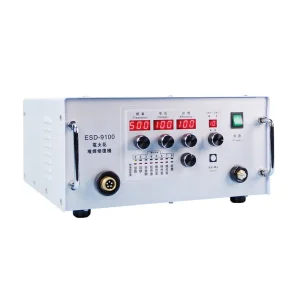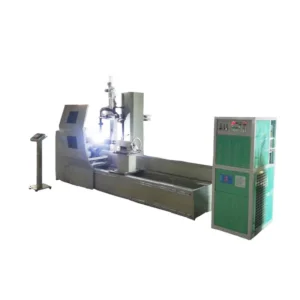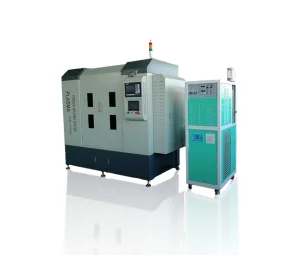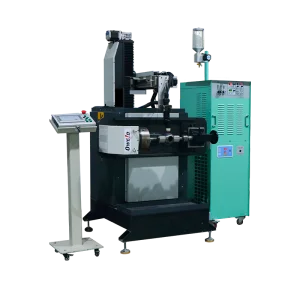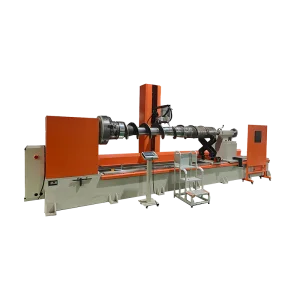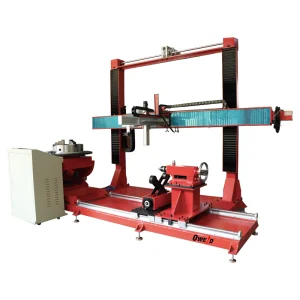
Explore our engineering-grade plasma transferred arc (PTA) systems and portable laser cladding equipment designed for maximum duty cycles.
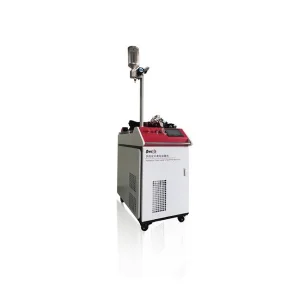
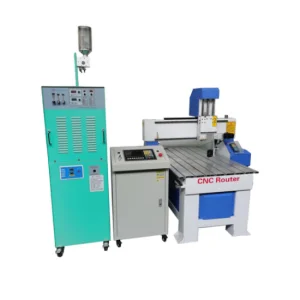
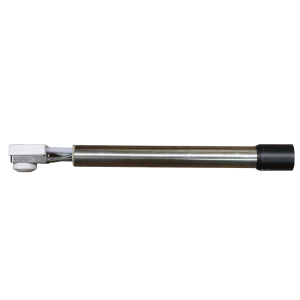
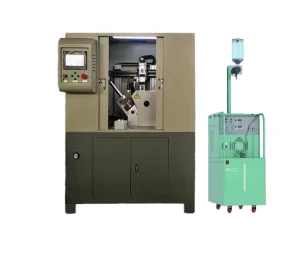
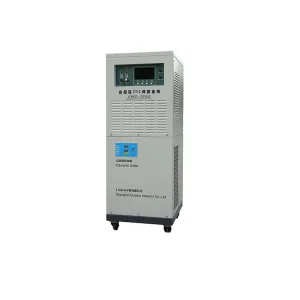
Within high-temperature surface engineering, the process of procuring a custom Devis Machine De Soudage Plasma demands deep technical understanding of arc physics, powder dynamics, and localized thermal dilution rates. Unlike conventional gas metal arc welding (GMAW) or standard tungsten inert gas (TIG) processes, Plasma Transferred Arc (PTA) cladding delivers a concentrated energy column capable of melting overlay powders while maintaining a minimal dilution of the base substrate. This allows for precise control of wear-resistant coatings (e.g., Stellite, Colmonoy, and Tungsten Carbide matrices) essential for extreme operational environments.
Our ongoing engineering research is focused on minimizing heat-affected zones (HAZ) and increasing automated deposition speeds. The technical roadmap for modern PTA systems hinges on integration with real-time spectrum analysis. By monitoring the plasma arc emissions, the system automatically adjusts powder feed rates and gas pressures dynamically. Furthermore, the convergence of PTA and multi-axis CNC or robotic positioners allows for complex 3D geometry overlays on custom parts like valve seats, extruder screws, and oil drilling stabilizers.
Selecting the optimal equipment configuration relies on specific application profiles:
By leveraging the production infrastructure of Shanghai, China, our manufacturing facilities operate under strict ISO9001 quality management criteria, incorporating digital testing stations and automated component tracking. We minimize global supply disruption by maintaining critical raw component reserves, allowing us to supply highly tailored machinery configurations with short lead times compared to North American or European counterparts. This localized production efficiency enables competitive capital expenditure structures without compromising engineering tolerances.
Compliance Standards: Built to CE, RoHS, and national industrial safety standards for high-frequency electrical machinery.
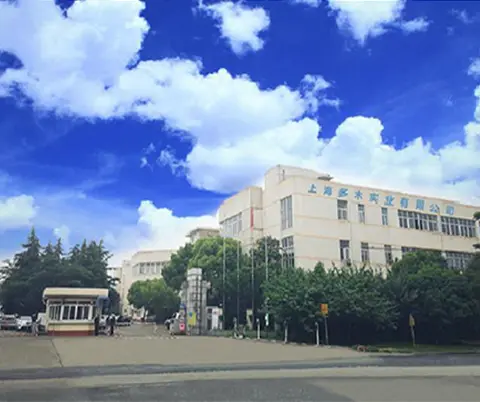
Shanghai Duomu has been a leading manufacturer and exporter of PTA cladding machine and Laser cladding machine for more than ten years with a strong technical background. We pride ourselves on engineering robust, custom automated configurations that stand up to the most grueling factory demands. Our systems are engineered to improve operational lifespans of drill pipe shafts, mining picks, agricultural wear elements, and aerospace turbine components.
Read More Profile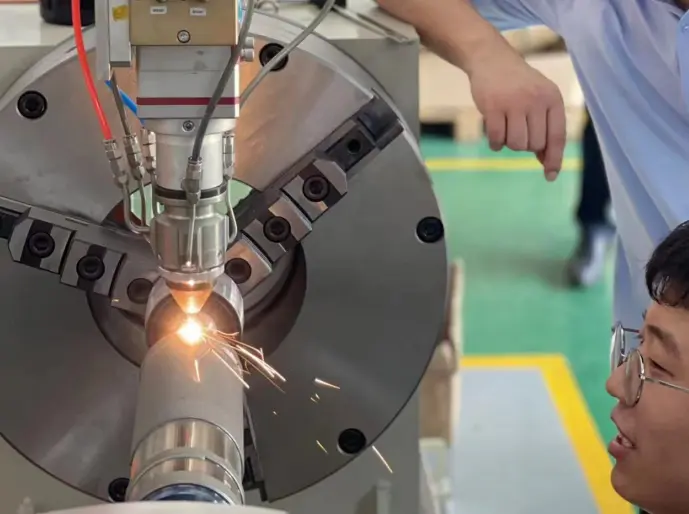
We host an independent R&D team, which develops, produces and sells plasma cladding machine equipment. Our welding systems boast stable performance matrices and are designed to maintain high efficiencies under non-stop, multi-shift production. Furthermore, our state-of-the-art laser cladding systems effectively support massive remanufacturing operations. Through decades of scientific optimization, we possess mature technological workflows to deliver complete sets of industrial hardware and software solutions.
Consult Technical TeamOur tailored cladding technologies prevent component wear and reduce downtime across a diverse range of intensive industries.



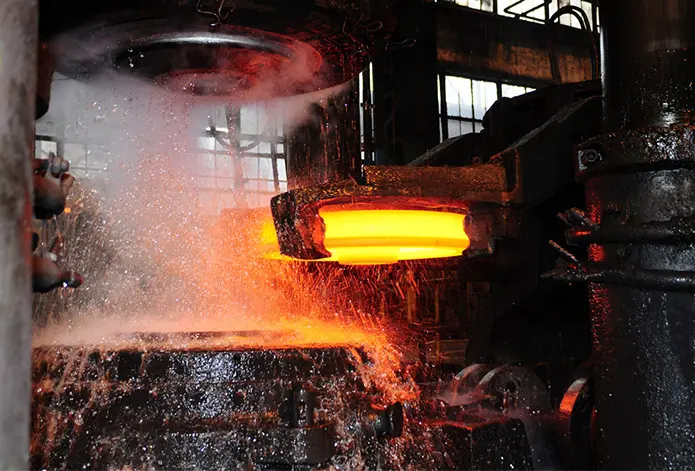
Understanding wear patterns and dilution control is key to selecting the right cladding parameters. Learn from our technical library.
"In Plasma Transferred Arc (PTA) hardfacing, achieving a high-quality overlay is not only about selecting the right alloy powder or optimizing welding parameters. One of the most critical factors that directly affects overlay performance is the dilution rate. Minimizing dilution preserves the pure structural properties of the target coating."
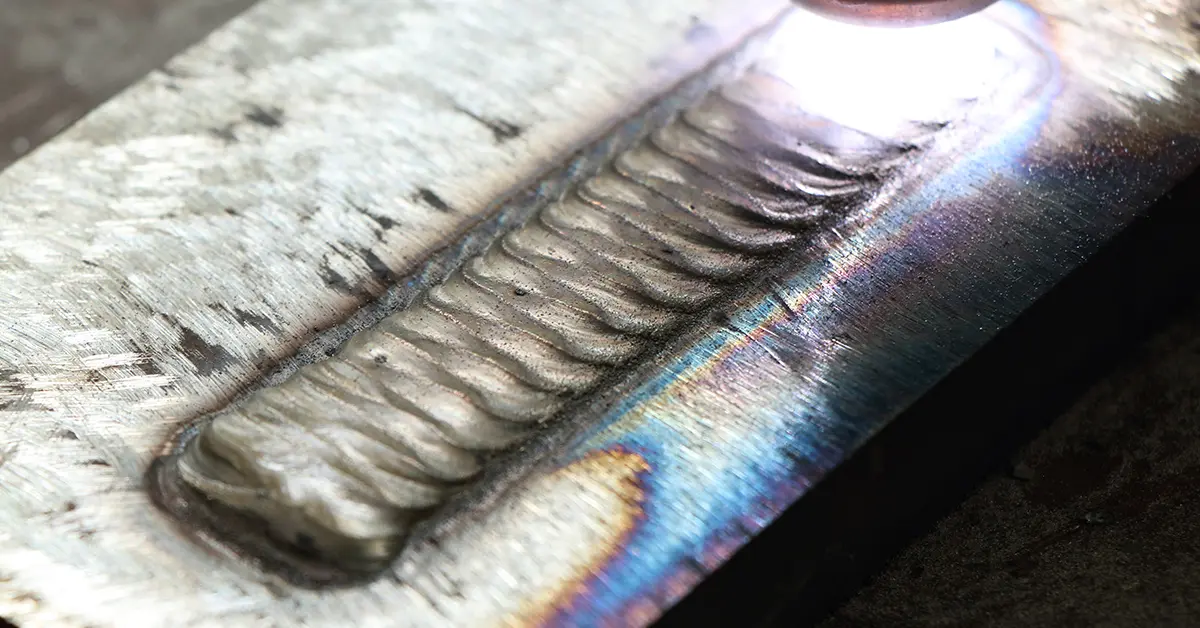
"Improving PTA hardfacing efficiency is not simply about increasing welding speed or depositing more alloy within a shorter time. The real efficiency depends on consistent thermal balance, ensuring zero micro-fissures and stable penetration patterns on long components."
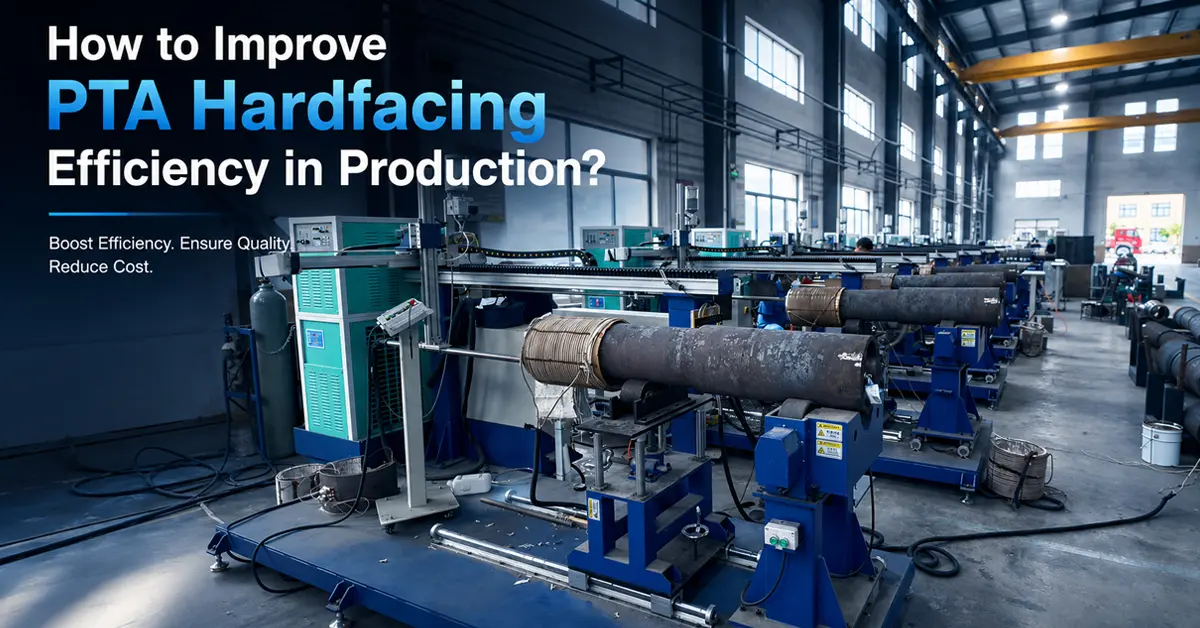
"In Oil & Gas, the Real Cost Is Downtime—Not the Component. When a choke valve fails due to sand erosion or mud pump valve seat wears beyond tolerance, having automated cladding machinery on-site can yield ROI within weeks."
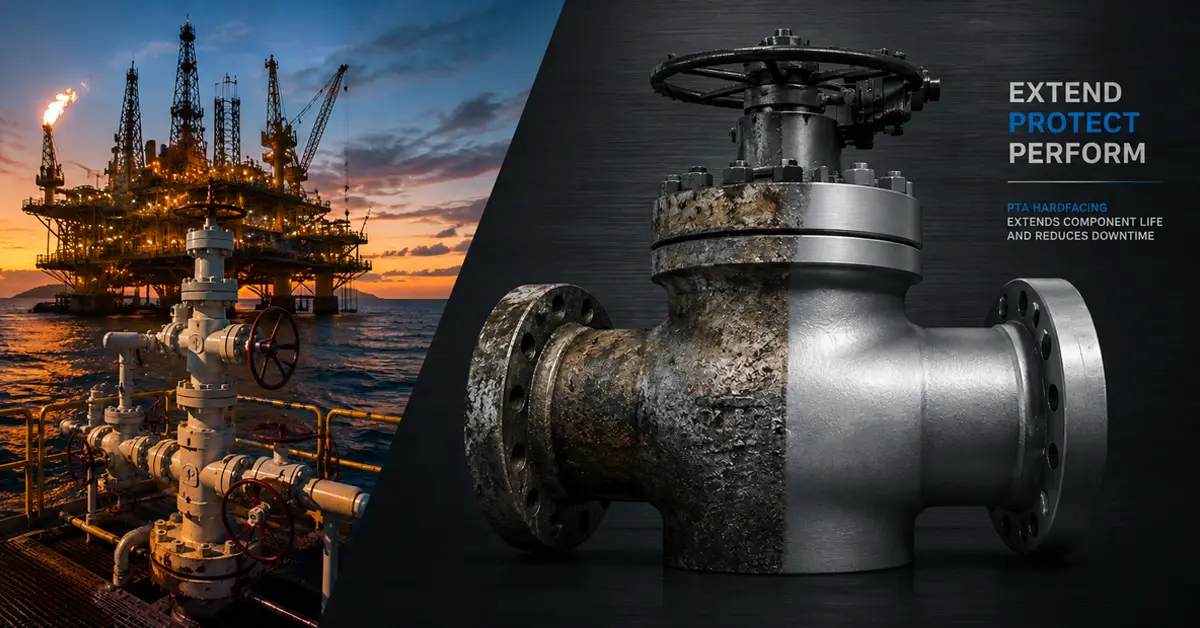
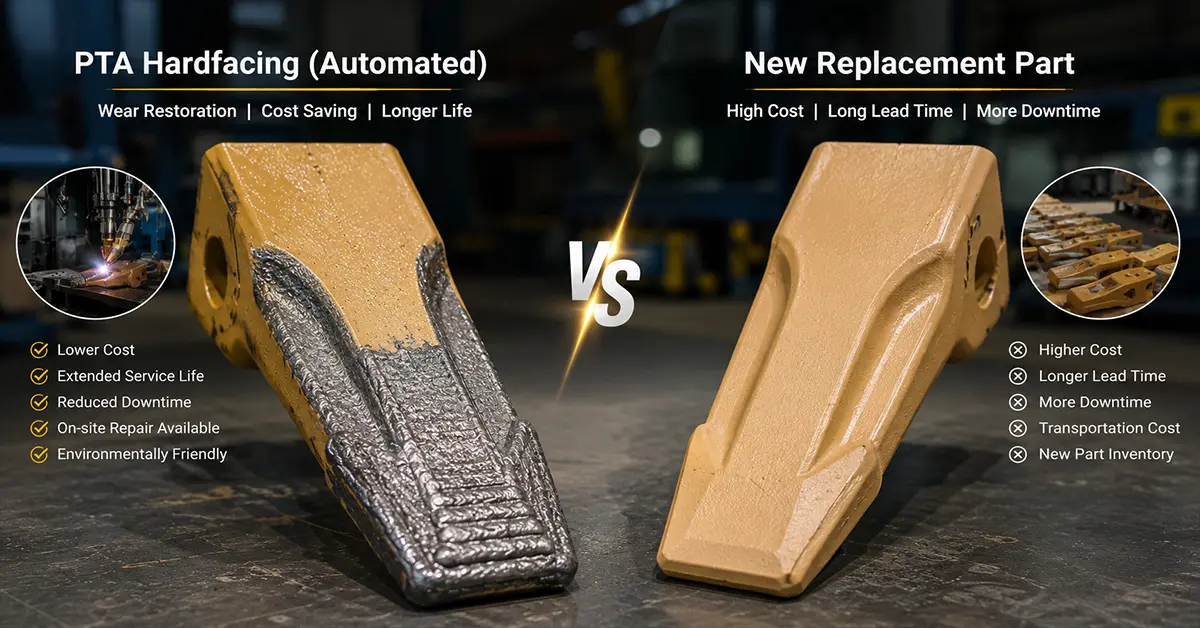
"For industrial equipment operating in abrasive, erosive, corrosive, or high-temperature environments, wear is inevitable. The challenge is choosing the most cost-effective maintenance strategy. PTA cladding offers an metallurgical bond that outclasses standard spray overlays."
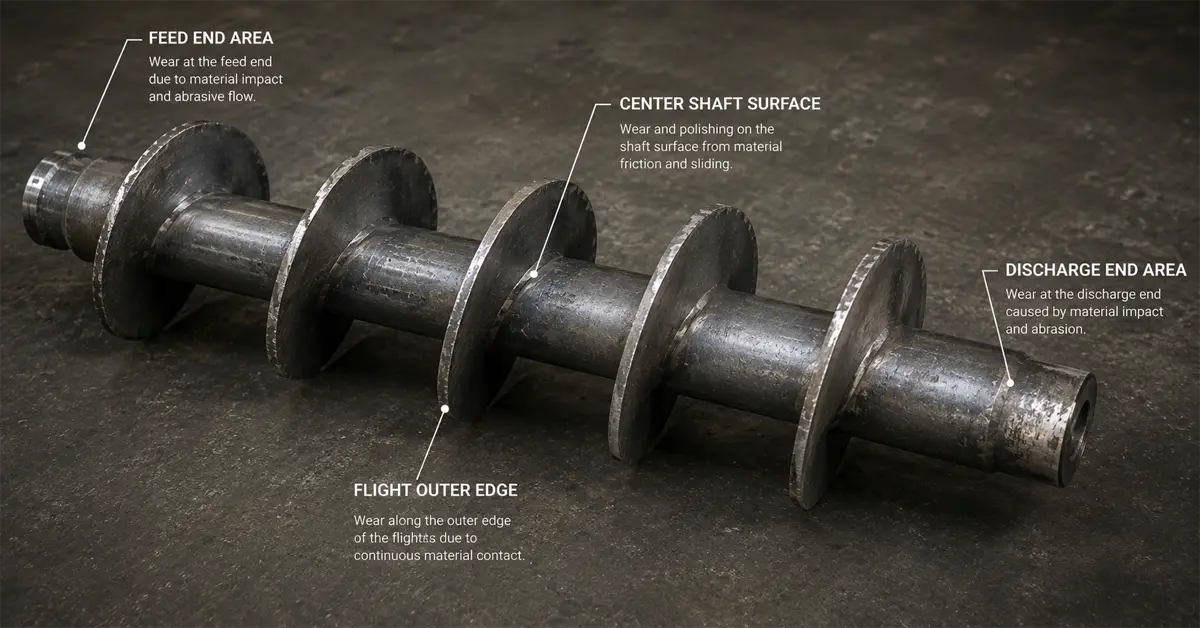
"In industries like cement, power, and chemical processing, screw conveyors suffer severe abrasive abrasion. Our automated screw welding equipment deposits carbide-rich hardfacing overlays, significantly extending helical blade life."
In-depth responses to critical engineering inquiries related to Plasma Transferred Arc (PTA) cladding systems.
The dilution rate represents the percentage of the base metal that mixes with the deposited cladding alloy during the welding process. A lower dilution rate (ideally under 5% for PTA cladding) ensures that the chemistry of the wear-resistant overlay retains its intended properties without being compromised by elements from the base steel substrate.
PTA cladding offers exceptionally high deposition rates (often exceeding 5-10 kg/hour) and achieves robust metallurgical bonds with moderate thermal inputs. Laser cladding operates with lower overall heat inputs and smaller heat-affected zones (HAZ), making it ideal for precision parts with thin wall profiles, whereas PTA is the cost-effective champion for heavy-duty, thick-layer applications.
Our equipment handles a wide variety of spherical powder materials, including cobalt-based alloys (Stellite equivalents), nickel-based alloys (Colmonoy equivalents), iron-based alloys, and composite matrices embedded with tungsten carbides (WC-Ni or WC-Co) for extreme abrasion resistance.
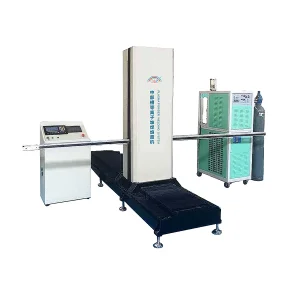
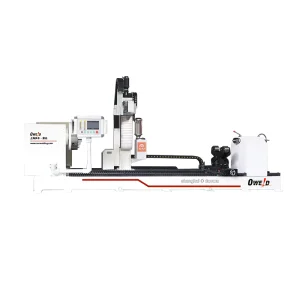
Yes. We specialize in custom setups. Our product catalog features specialized equipment such as automatic valve cladding systems (FB-200P), double-column gantry welding setups (DLM-LC501), and dedicated configurations for hydraulic rods and conveying screws.
We offer comprehensive remote diagnostics, video-guided assembly assistance, complete lists of replacement components (torches, powder feeders, and nozzles), and on-site engineering commissioning protocols for major system installations.
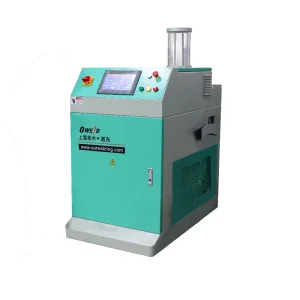
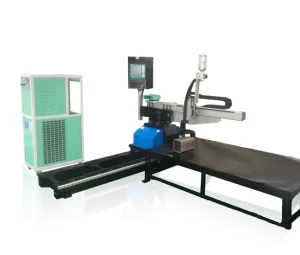
Explore our specialized industrial solutions including automated valve welding stations, gantry installations, and heavy-duty plasma torches.









Get professional engineering consultations, detailed system drawings, or a custom Devis configuration tailored to your production workflow.
Unit 2, No.615 Feng Deng Road, Jiading District, Shanghai, China
Provide your parameters (material type, substrate thickness, target dilution limits) and we will supply a detailed systems recommendation sheet within 24 hours.
Request Technical Catalog & Quotation