
Explore our premium component configurations, modular welding torches, and high-precision consumable systems engineered for durability.
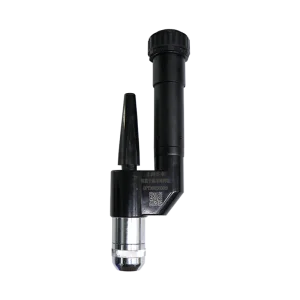
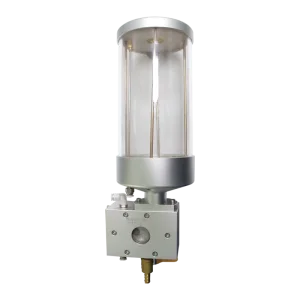
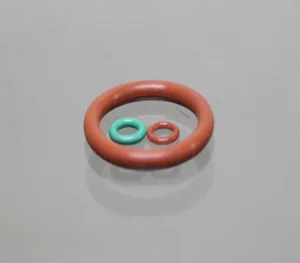
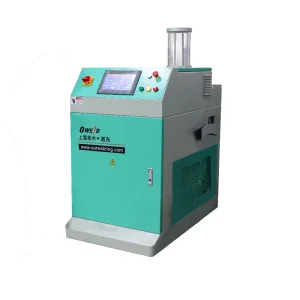
In high-stakes heavy industry, surface degradation through abrasion, erosion, heat, and corrosion poses the single greatest threat to capital equipment uptime. PTA Schweißen (Plasma Transferred Arc Welding/Surfacing) has emerged as the premier metallurgical cladding standard to counter these mechanisms. Unlike traditional thermal spraying or standard Gas Tungsten Arc Welding (GTAW) overlays, PTA Schweißen delivers a true, atomically-bonded coating with extremely low base-metal dilution (typically between 3% and 8%).
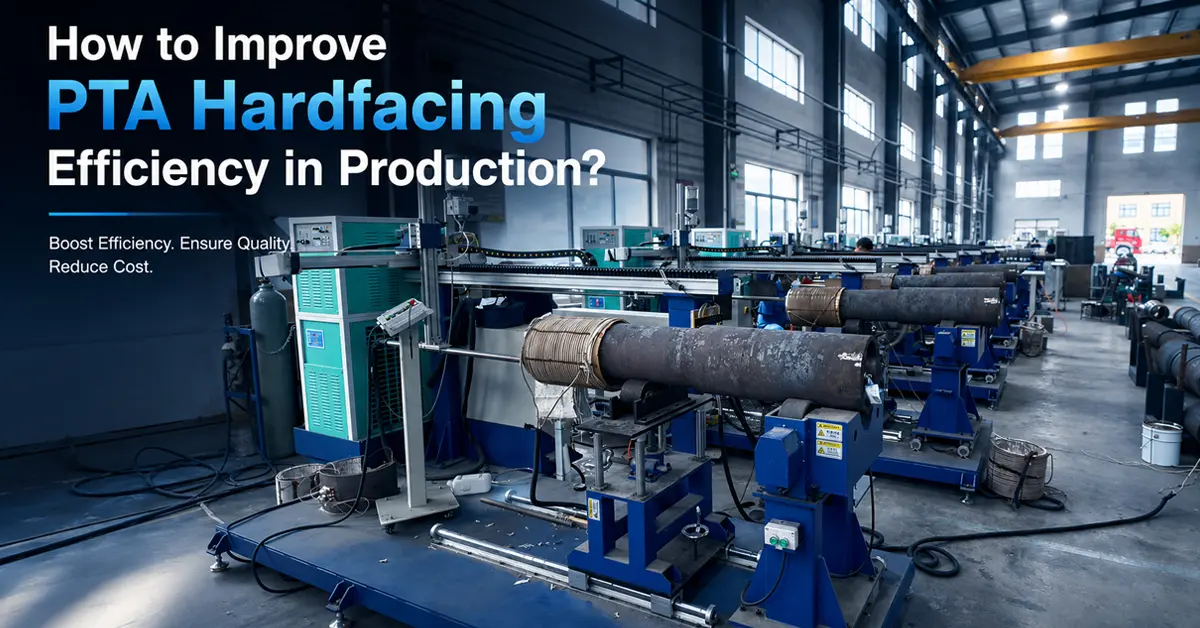
The core process centers on a highly collimated, concentrated plasma arc formed by ionising gas passing through an internal constriction nozzle. By transferring this primary arc between a non-consumable tungsten electrode and the workpiece under a protective secondary gas shield, the powder feed material (typically stellite, nickel-based alloys, or tungsten carbide composites) is melted and fused directly onto the parent substrate. The minimal thermal footprint preserves structural substrate integrity while offering exceptional deposit rates, achieving maximum overlay hardness and performance characteristics in a single pass.
As manufacturing trends shift towards Industry 4.0, the roadmap for PTA cladding technology is evolving dynamically. Modern system architects at Shanghai Duomu are focused on integrating closed-loop sensory feedback and artificial intelligence to regulate temperature and powder feed volume dynamically.
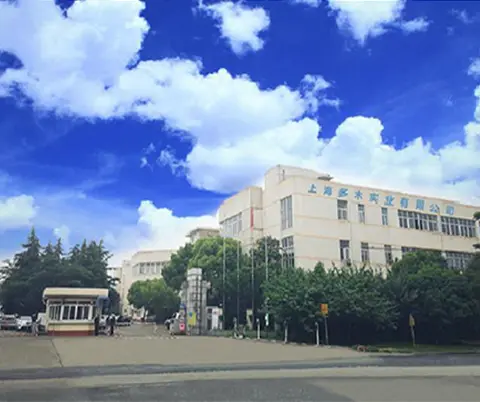
Shanghai Duomu has been a leading manufacturer and exporter of PTA cladding machines and laser cladding systems for more than ten years, backed by a robust technical framework. Our in-house technical department features an independent R&D team that develops, produces, and sells high-efficiency plasma surfacing equipment.
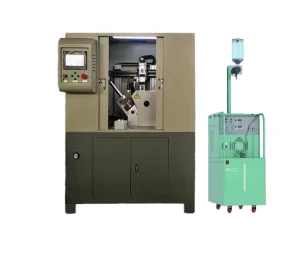
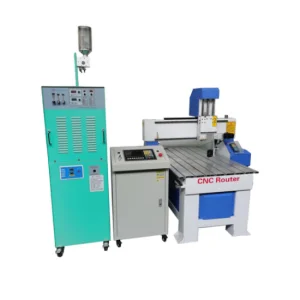
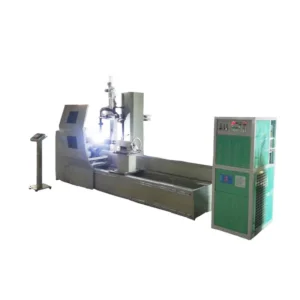
Whether configuring planar surfacing systems like the *China DNC2000* or specialized automated equipment for heavy industry, our engineering approach emphasizes operational longevity, repeatable metallurgy, and simplified operator interfaces. Our products empower plants worldwide to reclaim components, significantly lowering operational costs and minimizing unplanned downtime.
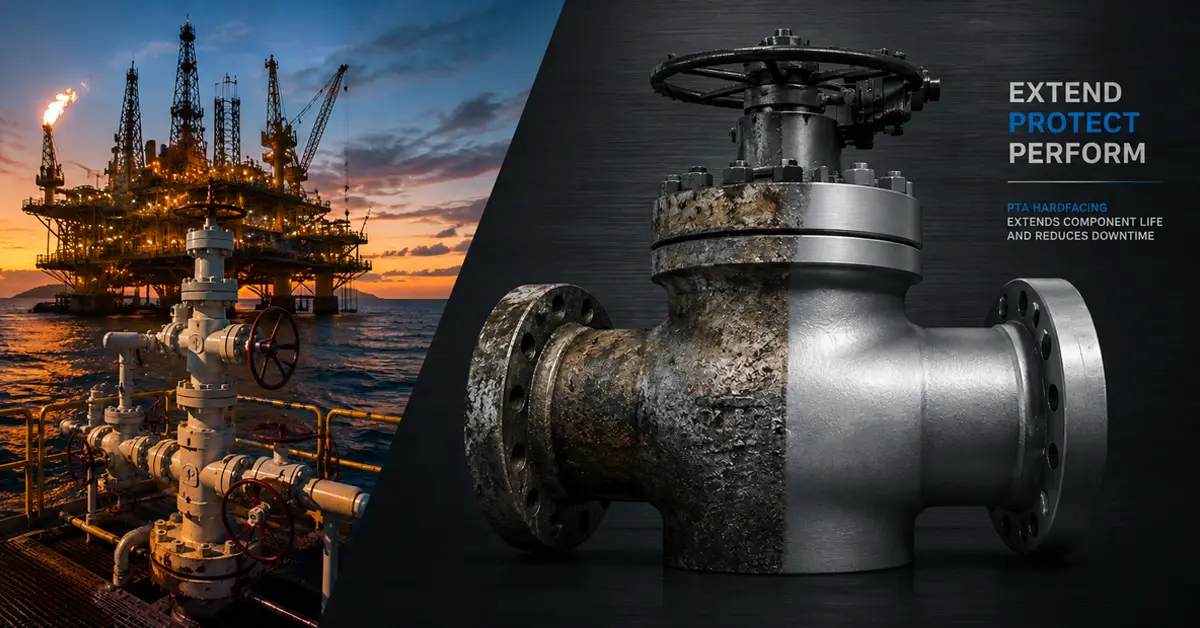
Our heavy-duty cladding systems are integrated into critical manufacturing pipelines, defending vital infrastructure elements against mechanical failures.


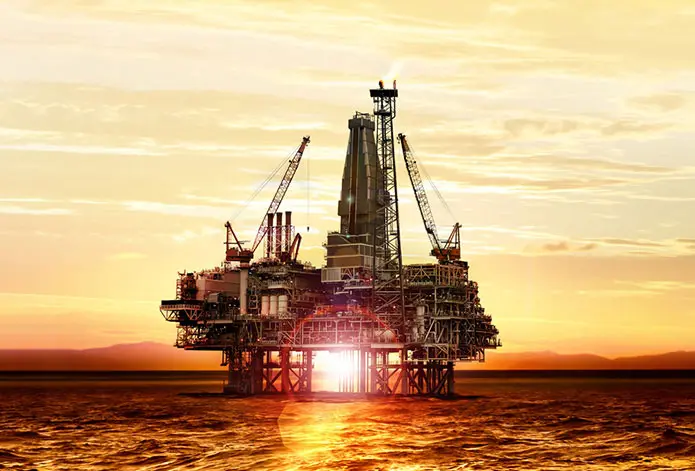
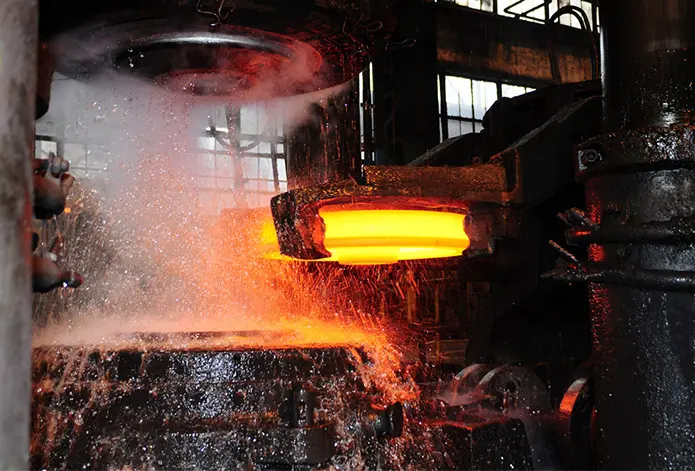
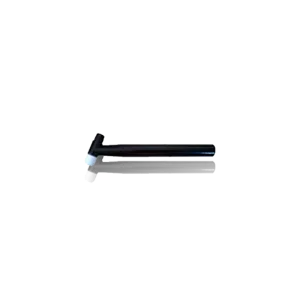
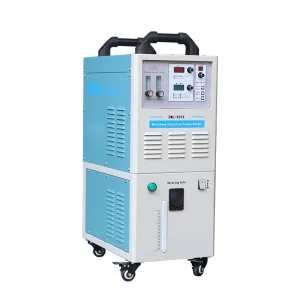
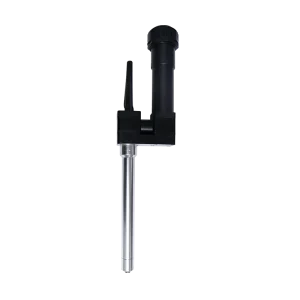
Our dedicated engineering labs maintain an independent focus on optimization across the entire PTA spectrum. We design and manufacture our own torches, shielding covers, and control platforms. This integrated strategy prevents the component mismatch typical of third-party system integrators.
The welding systems engineered by Shanghai Duomu provide exceptionally stable arc dynamics, maintaining continuous, reliable performance under rigorous multi-shift operation. Furthermore, the laser cladding equipment developed by our engineers offers the high density and localized control required for demanding, high-precision component refurbishment projects.
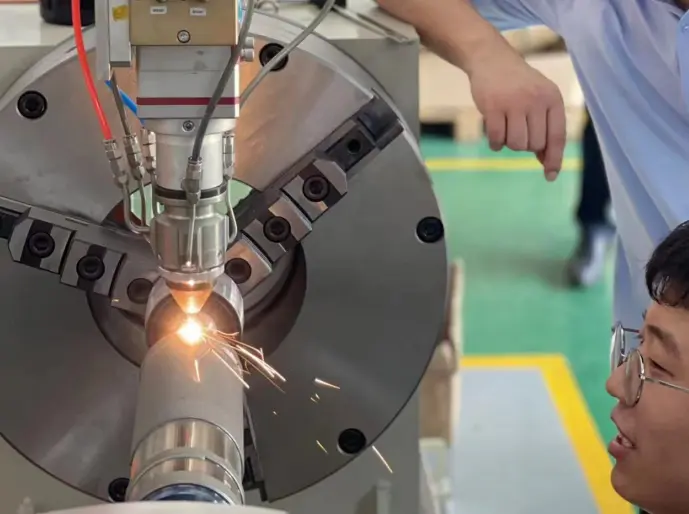
Explore our specialized industrial PTA and Laser machines designed for dedicated component repair and manufacturing pipelines.
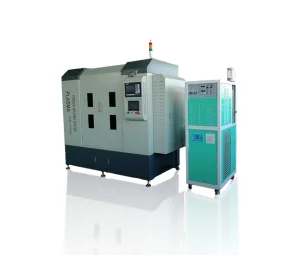
Engineered for high-volume planar and cylindrical deposit patterns. Integrates directly with variable-diameter powder ports to process standard 50-150 micron alloy powders.
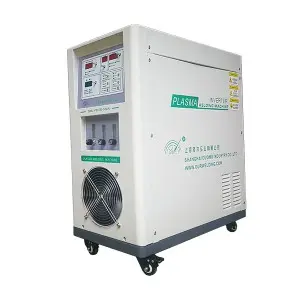
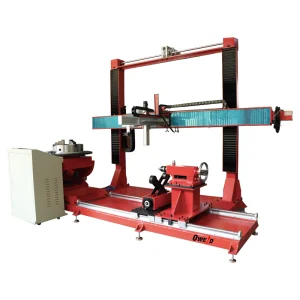
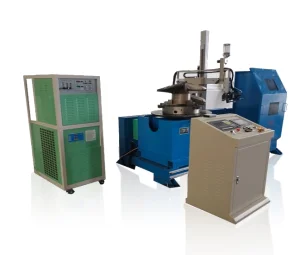
A dual-purpose workspace allowing operators to switch between deep manual root passes and automated PTA powder overlays on complex-geometry castings.
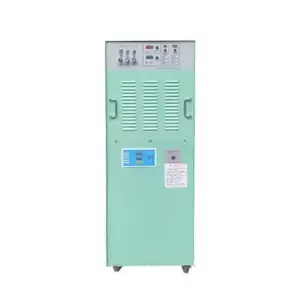
For operations requiring ultra-thin, distortion-free surface treatments. Provides automated laser transformation hardening under strict optical control.
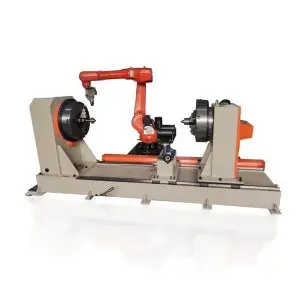
In today's volatile economic climate, maintaining procurement consistency is key to operational stability. Operating out of Shanghai’s advanced industrial manufacturing hub, Shanghai Duomu has built a resilient Supply Chain 4.0 network designed to support continuous global operations.
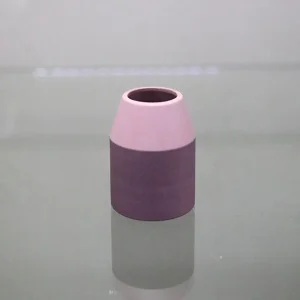
Our facility standardizes production processes from raw steel fabrication to CNC precision machining of welding torches, avoiding dependency on secondary component suppliers. This integrated manufacturing model ensures consistency across our entire product line, from entry-level gas shield covers to complete gantry-style double-column cladding cells. With robust safety stock of critical components, we maintain stable lead times and minimize the risk of logistics delays for our international clients.
Industrial procurement departments prioritize equipment compatibility, long-term operational costs, and safety compliance. Our systems are designed from the ground up to integrate smoothly into established facilities:
To verify the return on investment of our PTA schweißen technology, we conduct continuous metallurgical and process performance evaluations:
See how our metallurgical expertise translates to performance improvements across real-world industrial environments.
"Optimizing dilution is key in PTA hardfacing. Shanghai Duomu's precision powder control allows us to deposit Stellite overlays with minimal base metal mix, retaining maximum hardness in the first layer."
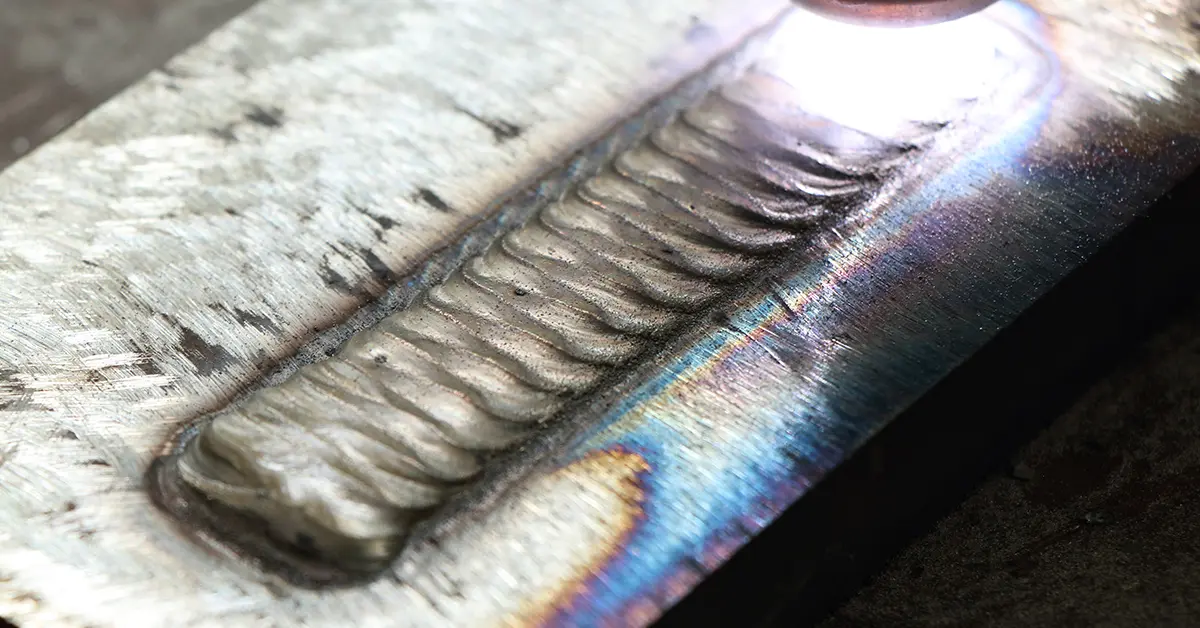
"In the oil & gas industry, downtime is the real cost driver. Applying Duomu's automated plasma cladding systems to our mud pump valve seats has significantly reduced unplanned maintenance intervals."
"Refurbishing industrial screw conveyors used in cement plants used to be highly labor-intensive. Transitioning to Duomu's automatic gantry cladding system has cut our cycle times in half."
Get answers to common technical and operational questions regarding PTA and Laser cladding technology.
PTA Schweißen uses a highly concentrated plasma arc to melt both the base metal surface and the alloy powder stream simultaneously. This precise thermal control produces dilution rates of 3% to 8%, compared to 15% to 25% for standard GMAW/GTAW overlays. This ensures high chemistry purity and maximum hardness in a single deposit layer.
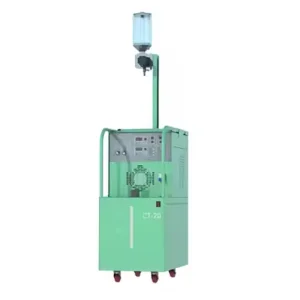
Yes. By utilizing our custom-engineered powder feeders, our PTA systems can feed cobalt-base stellite alloys, nickel-base self-fluxing powders, and tungsten carbide matrices. Standard modifications require swapping the feeding gear wheel to accommodate different powder densities and flow rates.
Laser cladding provides minimal heat input and a smaller heat-affected zone, making it ideal for high-precision or heat-sensitive components. However, PTA Schweißen has lower capital equipment cost and delivers higher deposition rates (often exceeding 6 kg/h), making it a highly cost-effective choice for large-scale industrial surface protection.
Post-weld heat treatments depend on the chemistry of the base metal and the cladding alloy. Preheating is often used to control cooling rates and prevent cracking, particularly when depositing hard tungsten carbide or stellite alloys on medium-carbon steel bases.




Our engineering team reviews component drawings and operating criteria to recommend tailored system configurations. We provide detailed proposals within 24 hours.
Explore our heavy-duty industrial systems, gantry weld setups, and automated pipe/screw cladding configurations.
We welcome international site visits and audits. Contact our sales department to schedule technical consultations, product demonstrations, or facility tours.
Shanghai, China Operations Hub