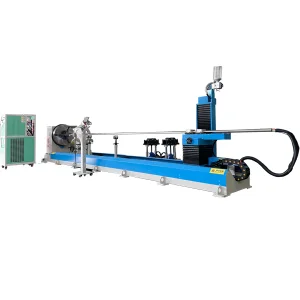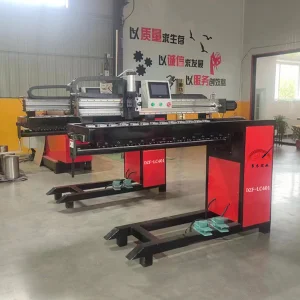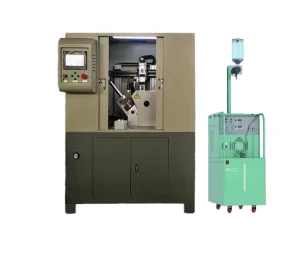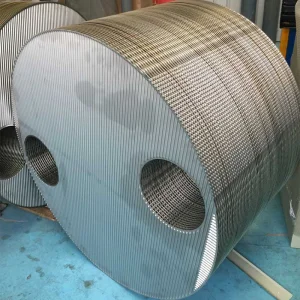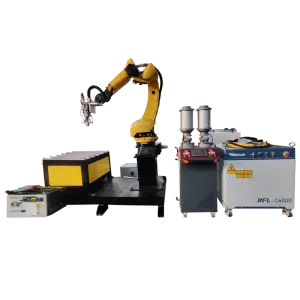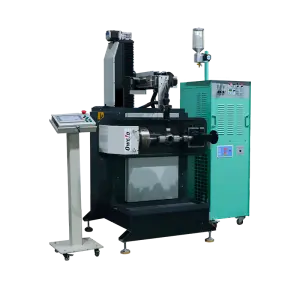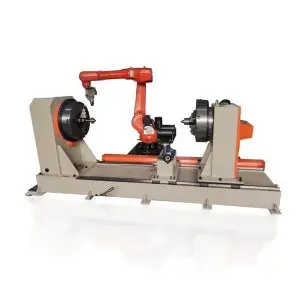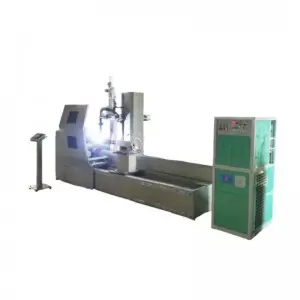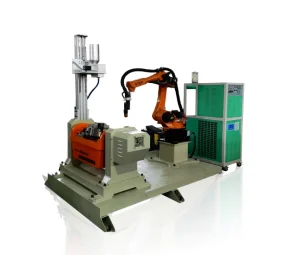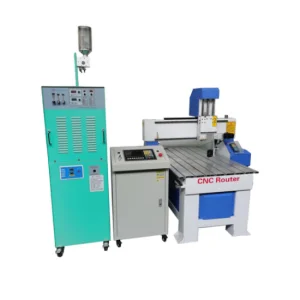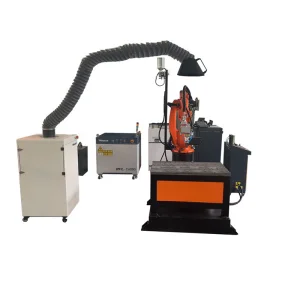
In the contemporary industrial era, the demand for component durability and high-performance materials has reached unprecedented levels. Laser cladding, a sophisticated additive manufacturing technology, has emerged as the definitive solution for surface modification and repair. As leading Custom Laser Cladding Machine Manufacturers & Suppliers, Shanghai Duomu is at the forefront of this technological revolution.
Globally, the laser cladding market is shifting from traditional thermal spraying and arc welding toward high-precision, low-heat-input laser processes. This shift is driven by the need for metallurgical bonding with minimal dilution, enabling industries to use expensive, high-performance alloys only where they are needed—on the surface. From the deep-sea oil rigs of Norway to the aerospace hubs in North America, laser cladding is the gold standard for extending component life by up to 300%.
Years of R&D
Reduction in Material Waste
Metallurgical Bonding
Global Tech Support
The roadmap for laser cladding technology is defined by three pillars: Precision, Automation, and Intelligence. Modern systems are integrating AI-driven monitoring to adjust laser power in real-time based on the thermal pool’s characteristics.
Moving beyond standard rates, EHLA (Extremely High-Speed Laser Additive Manufacturing) allows for speeds exceeding 100m/min, making it a viable competitor to hard chrome plating, offering a greener, more durable alternative.
By pairing 6-axis robots with 2-axis positioners, we enable the cladding of complex geometries—such as turbine blades and eccentric shafts—with sub-millimeter accuracy.
Future systems will utilize digital twins to simulate the cladding process before the first spark is even struck, ensuring perfect layer adhesion and minimal distortion.
At present, the company's products have penetrated into many fields such as aerospace military industry, nuclear power, petrochemical industry, coal mines, metallurgy and forging, agriculture, water conservancy and electric power, etc.

Enhancing wear resistance of ploughshares and cutters in abrasive soil conditions.

Precision repair of engine turbine blades and landing gear components.
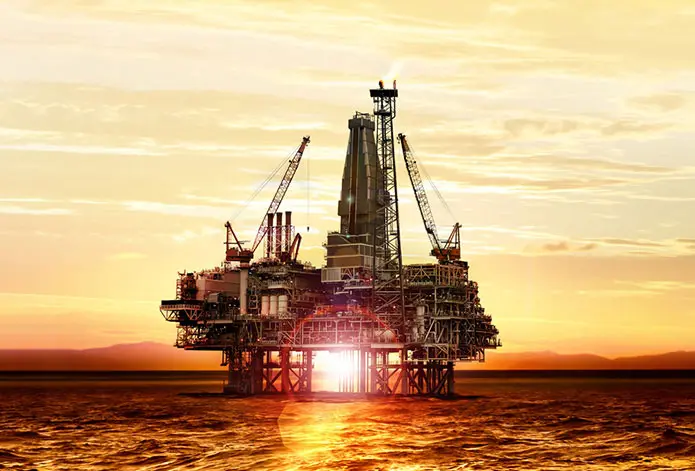
Applying Stellite or Tungsten Carbide coatings to drill bits and pump sleeves.
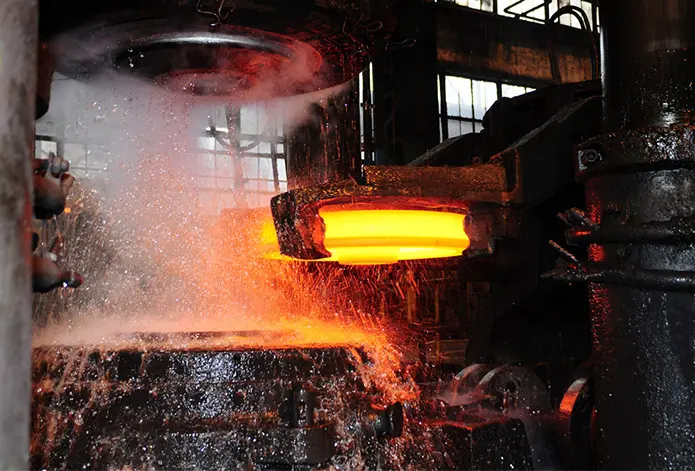
Thermal fatigue resistance for continuous casting rollers and molds.
While Plasma Transferred Arc (PTA) is excellent for heavy-duty hardfacing, Laser Cladding provides a unique set of advantages that define the next generation of manufacturing:
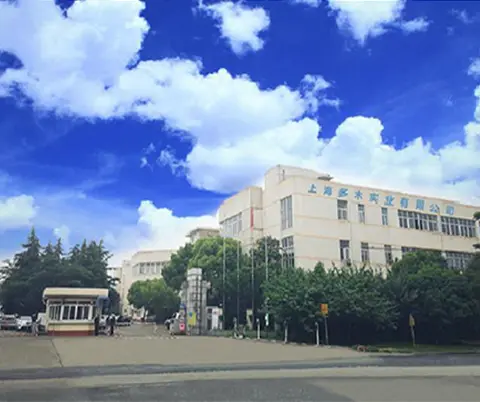
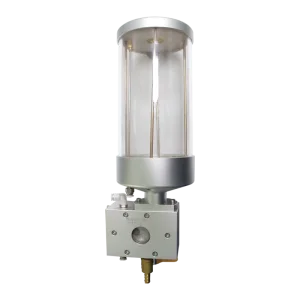
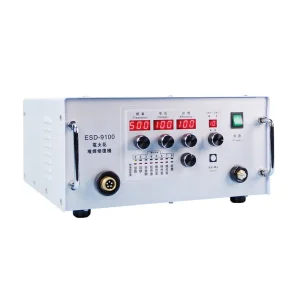
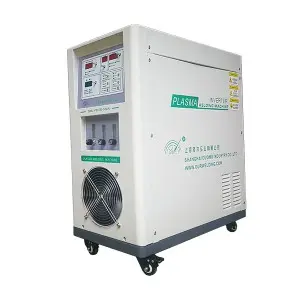
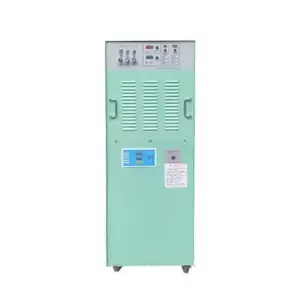
Shanghai Duomu has been a leading manufacturer and exporter of PTA cladding machine and Laser cladding machine for more than ten years with a strong technical background. We pride ourselves on being a comprehensive source for both equipment and process expertise.
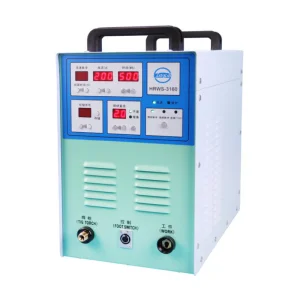
I have an independent R&D team, which develops, produces and sells plasma cladding machine equipment. The welding machine has stable performance and can maintain efficient long-term operation. In addition, the laser cladding equipment sold by the company can effectively support large-scale remanufacturing projects.
We provide customized equipment tailored to specific industrial workflows. Our portfolio includes:
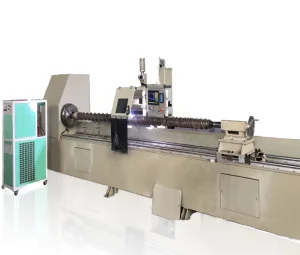
We can provide customized equipment, automatic laser cladding equipment, automatic plasma cladding equipment, intelligent robot cladding equipment, etc. according to customers' requirements.
"In Plasma Transferred Arc (PTA) hardfacing, achieving a high-quality overlay is not only about selecting the right alloy powder. One of the most critical factors is the dilution rate..."
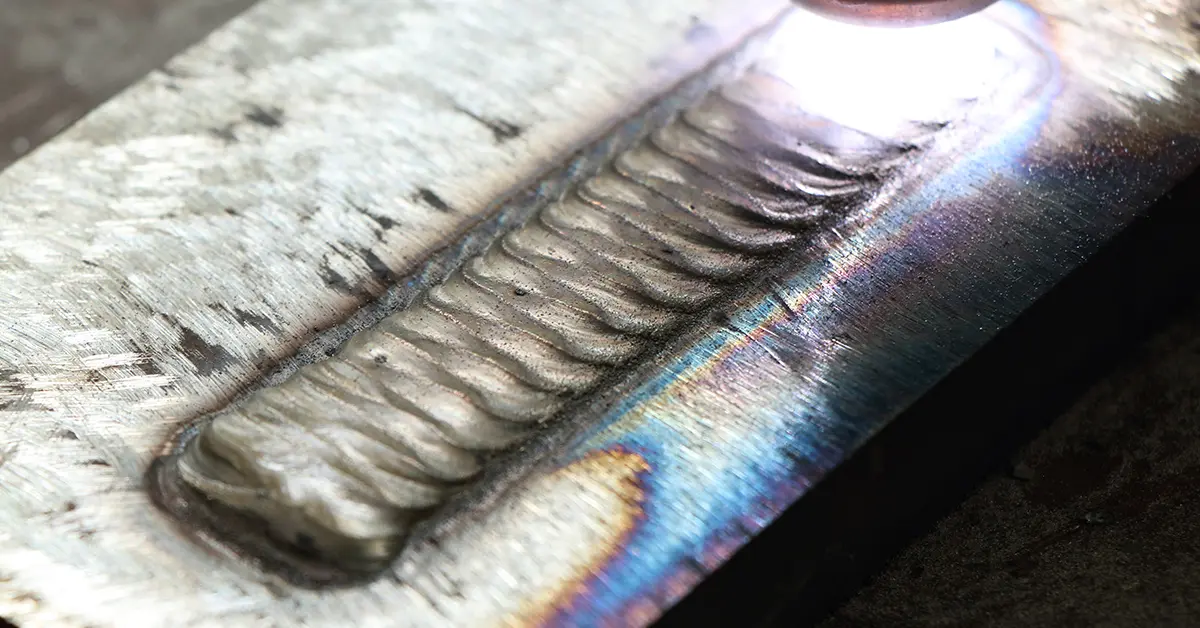
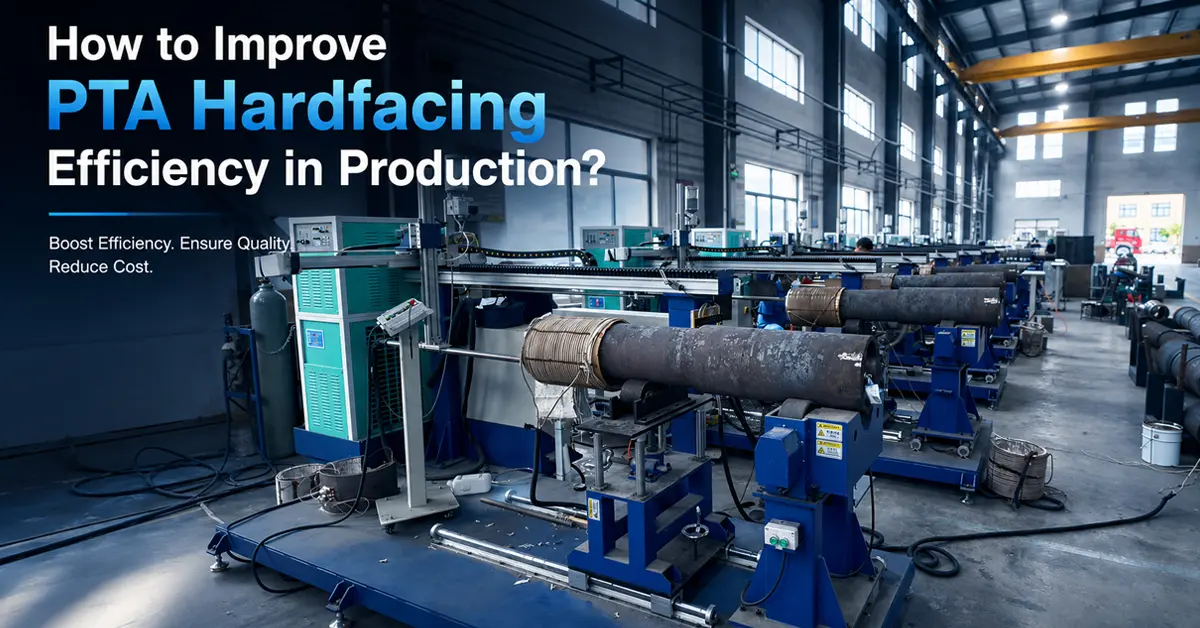
"Improving PTA hardfacing efficiency is not simply about increasing welding speed. The real efficiency depends on the stability of the arc and the consistency of powder delivery..."
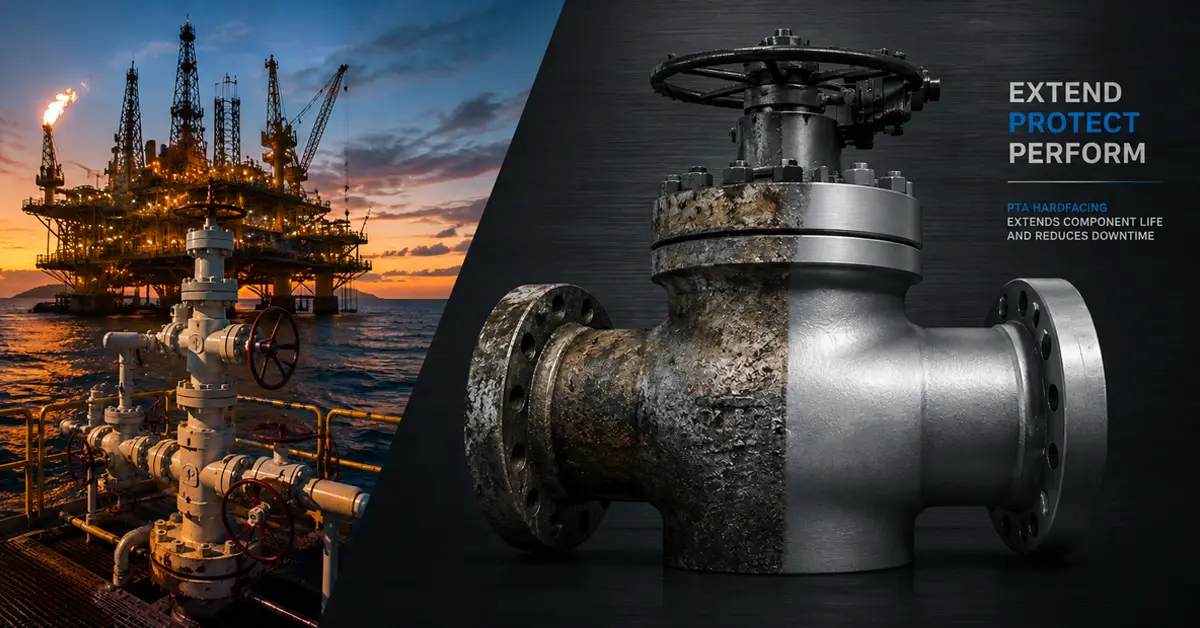
"In Oil & Gas, the Real Cost Is Downtime. When a mud pump valve seat wears beyond tolerance, the response must be rapid and reliable..."
Laser cladding uses a high-density laser beam as a heat source, resulting in a much smaller heat-affected zone and lower dilution (1-5%) compared to PTA (5-15%). Laser cladding is ideal for high-precision components, while PTA is cost-effective for thick, heavy-duty layers.
Yes. As a leading manufacturer, we specialize in 5-axis and robotic-integrated systems that can handle complex shapes like screw conveyors, valve seats, and turbine blades. Our "Custom DSL-LC401" is a prime example of specialized inner-hole cladding.
Our machines are compatible with a wide range of alloy powders, including Cobalt-based (Stellite), Nickel-based (Inconel), Iron-based alloys, and Tungsten Carbide composites for extreme wear resistance.
We use precise powder feeding systems and real-time monitoring of laser parameters. This ensures the powder melts fully and fuses with a thin layer of the substrate, creating a true metallurgical bond that won't delaminate under stress.