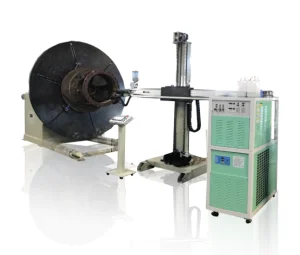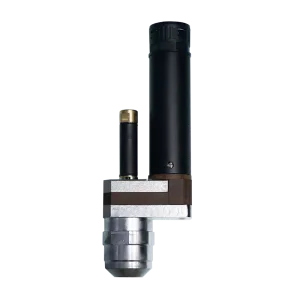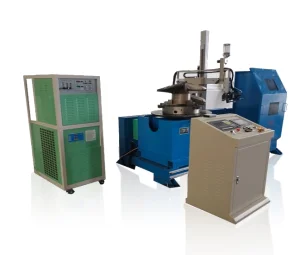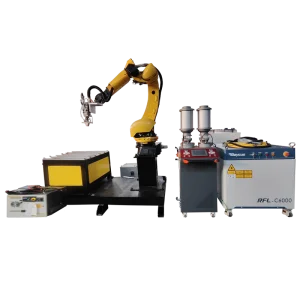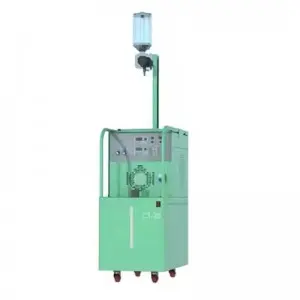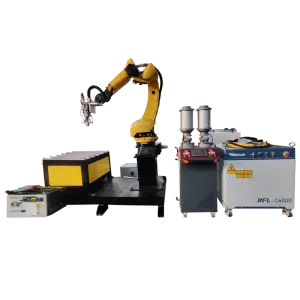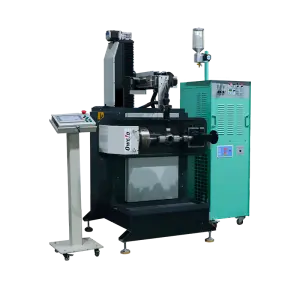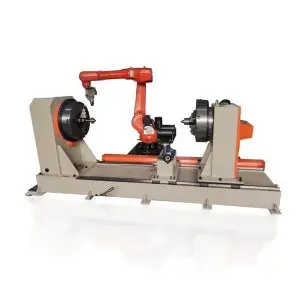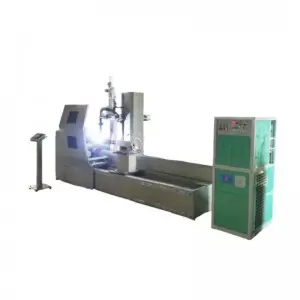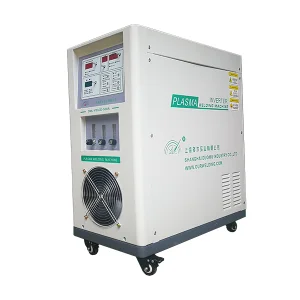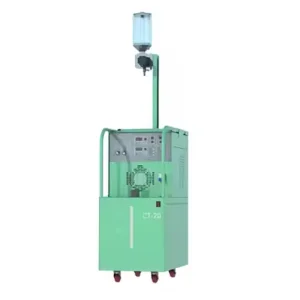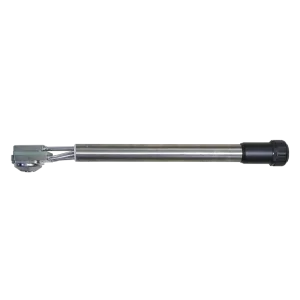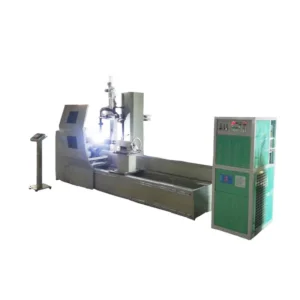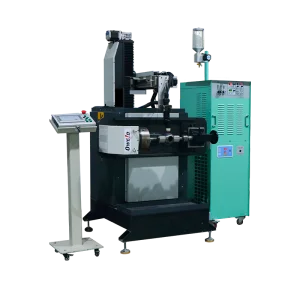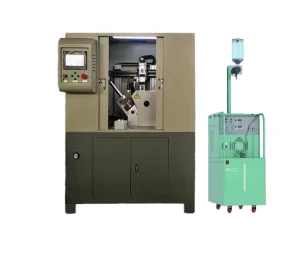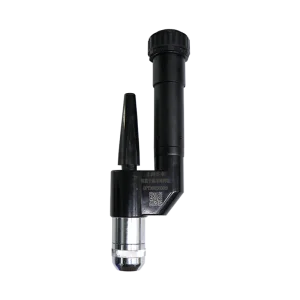
Discover our state-of-the-art cladding equipment engineered to prolong the lifespan of heavy machinery parts. Designed for high precision, reliability, and custom configuration.
Industrial components operating in demanding sectors such as mining, oil and gas, metallurgy, and defense face unprecedented wear and corrosion. Traditionally, direct part replacement was the standard operating protocol, inducing high capital expenditures and prolonged logistical delays. Today, advanced equipment cladding (incorporating Laser Cladding and Plasma Transferred Arc [PTA] technologies) is driving a paradigm shift toward green remanufacturing and targeted surface enhancement.
By metallurgically bonding high-performance alloys—including cobalt-based, nickel-based, and tungsten carbide matrices—to inexpensive base substrates, cladding enables components to survive up to 10 times longer. Geopolitically and economically, this transition reduces material consumption, optimizes resource allocation, and aligns with global carbon neutrality directives.
SEO Insight & Information Gain: When searching for custom cladding suppliers, global procurement executives look beyond machine specs. They seek system providers who understand metallurgical dynamics, powder deposition efficiencies, dilution rates, and mechanical-thermal stress mitigation. Achieving a low dilution rate (<5% for PTA and <2% for laser) is paramount to preserving the pure chemistry of the surfacing material without degrade-inducing mixing with the base substrate.
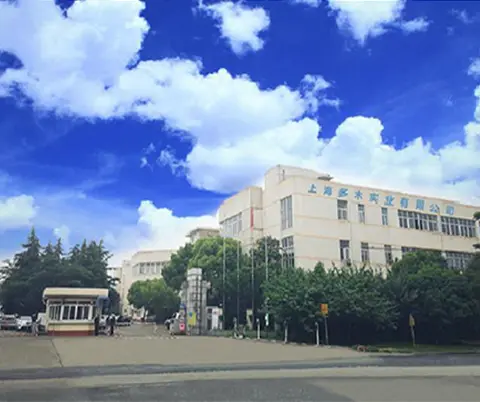
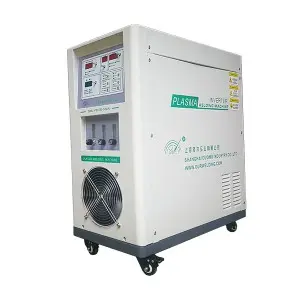
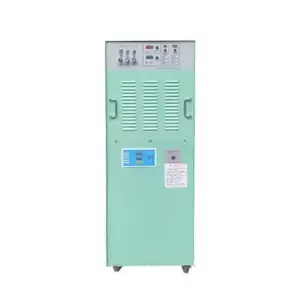
Shanghai Duomu has stood at the forefront of the surface engineering sector for over a decade. As a leading manufacturer and exporter of PTA cladding machines and Laser cladding machines, our core competence lies in bridging state-of-the-art R&D with unmatched supply chain efficiency.
Chinese factories are no longer just suppliers of hardware; they are centers of complex system integration. At Duomu, our complete vertical integration allows us to design and build our own plasma bore torches, precision multi-hopper powder feeders, double-column gantry manipulators, and high-density laser control systems in-house. This closed-loop design cycle significantly lowers overhead, ensures compatibility, and yields rapid equipment customization timelines that Western manufacturers struggle to match.
Our commitment to the E-E-A-T framework is anchored by strict quality control standards. Every custom system undergoes extreme duty-cycle testing and metallographical microstructure analysis, ensuring that the deposited overlays exhibit zero voids, minimal thermal cracking, and excellent surface finish.
Cladding is not a one-size-fits-all process. Depending on the mechanical stresses, chemistry, and environmental exposure of the application, our machines are engineered to deliver precise metallurgical overlays across several crucial industrial fields.
High-impact soil tilling tools, subsoilers, and share points require extreme abrasion resistance. Our PTA and laser cladding solutions deposit tungsten-carbide embedded matrices that withstand highly abrasive silica soils, preventing premature wear and maintaining tillage geometry.
Turbine blade tips, combustion chambers, and actuator shafts operating under high heat and rapid fatigue cycles require high precision. Our laser cladding systems ensure extremely low heat input, a microscopic heat-affected zone, and ultra-high dimensional accuracy for superalloys repair.
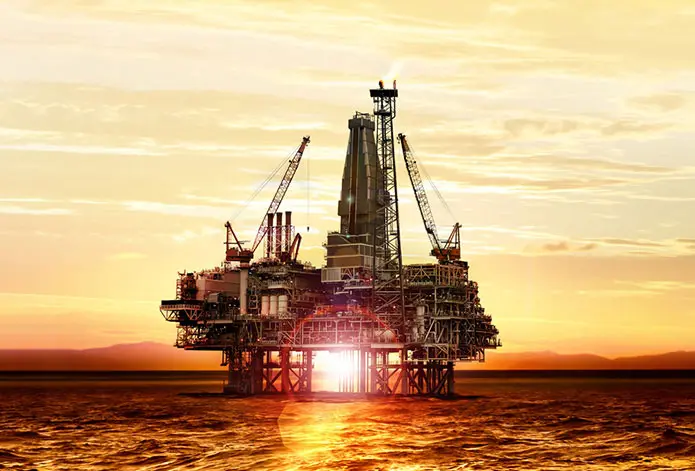
Mud pump components, choke valves, drill stabilizers, and pipe joints endure abrasive slurries and sour gases. Automated PTA overlaying with corrosion-resistant nickel-based alloys prevents mechanical failure, maintaining reliable sealing and system uptime in offshore fields.
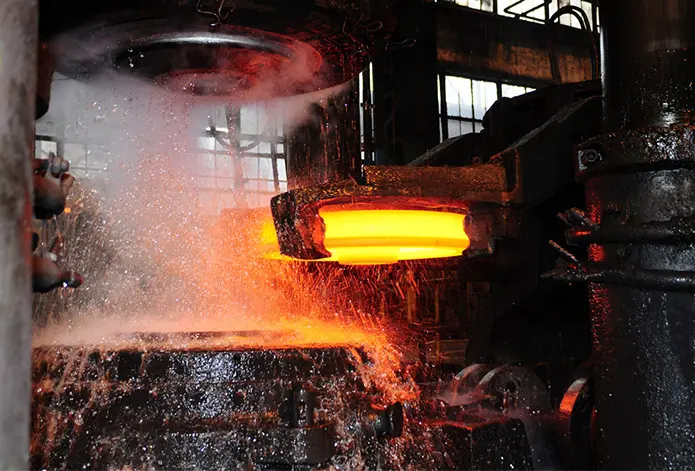
Continuous casting rolls, hot shearing blades, and forging dies suffer thermal shock, adhesive wear, and severe mechanical compression. Cladding rolls with cobalt-chromium-tungsten alloys significantly boosts thermal fatigue resistance, maintaining strip thickness control.
Our dedicated, independent research and development (R&D) unit drives technology transfer from theoretical metal-physics concepts to real-world industrial welding systems. We develop, write code, program PLC algorithms, and calibrate high-power laser optics under one roof.
The stability of a PTA cladding machine or a laser cladding setup depends heavily on the integration of secondary subsystems. Our R&D team has engineered advanced control software that syncs coordinate manipulators, positioners, powder feeders, and power output parameters. This ensures that even when dealing with complex 3D toolpaths, like those required for screw flights or internal bores of high-pressure valves, the heat inputs and deposition rates remain perfectly uniform.
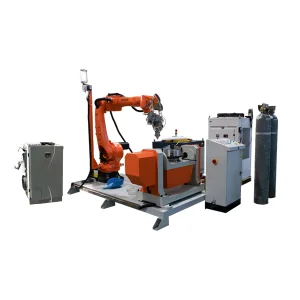
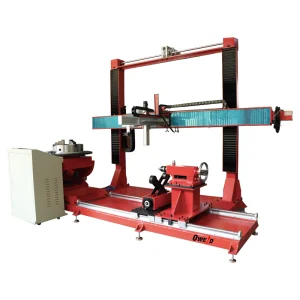
By providing complete sets of integrated industrial solutions—rather than standalone power sources—we ensure that buyers can deploy our machines directly into their production lines with minimal setup time. Our custom configurations, including double-column gantry systems and multi-axis cladding robots, allow massive remanufacturing setups to operate with minimal human supervision.
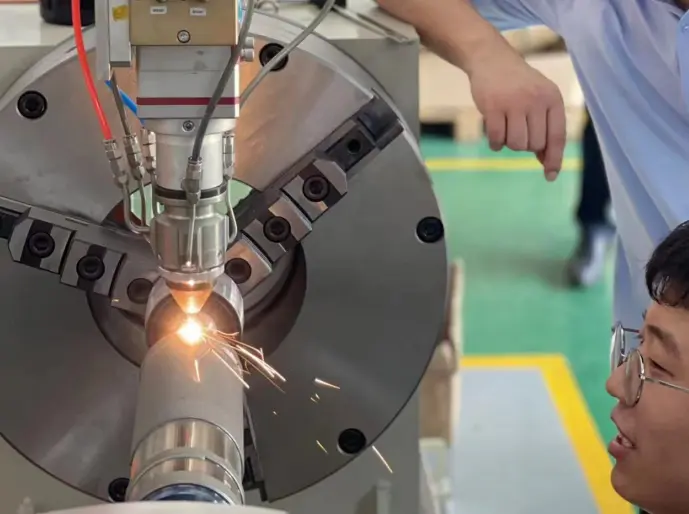
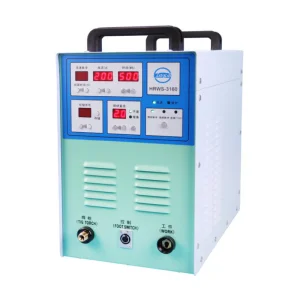
Explore our proprietary machines custom-built for specific industrial applications, ranging from automated valve welding systems to laser hardening robots.
Procuring advanced cladding equipment requires analyzing more than the capital machinery investment cost. Industrial operators focus on these key requirements:
Coatings must maintain consistent Rockwell hardness (HRC 45-65 depending on the alloy) across the entire deposition depth. System stability prevents fluctuations in mechanical properties, ensuring predictable wear rates.
A lower dilution rate preserves the pure wear and corrosion resistance of the surfacing powders. Effective automation systems limit mixing with the base steel, reducing the alloy layers needed to reach target chemistry.
Refurbishing worn components like turbine blades or hydraulic cylinders cuts carbon footprints and material waste, aligning with global corporate environmental mandates.
Automated path planning via multi-axis gantries or articulating robots eliminates operator variability, guaranteeing repeatable deposit quality on high-volume production lines.
Get authoritative answers to common engineering questions regarding Laser Cladding, PTA systems, and custom hardfacing technologies.
Laser Cladding uses a high-power laser beam to melt the cladding material (wire or powder) and a thin layer of substrate. It offers a very low heat input, a minimal heat-affected zone (HAZ), low distortion, and extremely low dilution rates (<2%). It is ideal for high-precision components like turbine blades and hydraulic shafts.
PTA Cladding uses a plasma arc as the heat source. It offers higher deposition rates, lower initial capital investment, and is highly effective at applying thicker, highly wear-resistant coatings (e.g., cobalt or nickel alloys with tungsten carbide) to larger components like conveyor screws, agricultural tines, and heavy valve bodies.
Dilution is controlled by balancing the welding current, travel speed, powder feed rate, and torch oscillation width. Using a lower current reduces penetration into the substrate, while a higher powder feed rate consumes arc energy to melt the alloy, protecting the base metal from excessive melting. Automated systems from Shanghai Duomu monitor these parameters in real-time to maintain dilution under 5%.
Yes, worn components can be refurbished multiple times, provided the base metal has not developed structural cracks or major fatigue damage. During rebuilding, the old cladding layer is machined away, and a new layer is deposited. This process extends the service life of critical components indefinitely at a fraction of replacement costs.
Our systems support a wide variety of atomized metal powders, including:
Automation ensures consistent deposition height, width, and metallurgical quality, minimizing post-weld machining. By eliminating human error, it prevents structural defects like porosity, slag inclusions, and high dilution spots, reducing scrap rates while boosting throughput and lowering labor costs.
Read in-depth case studies and engineering notes on optimizing PTA hardfacing and laser cladding performance.
In Plasma Transferred Arc (PTA) hardfacing, achieving a high-quality overlay is not only about selecting the right alloy powder or optimizing welding parameters. One of the most critical factors that directly affects overlay performance is the dilution rate. Whether you ...
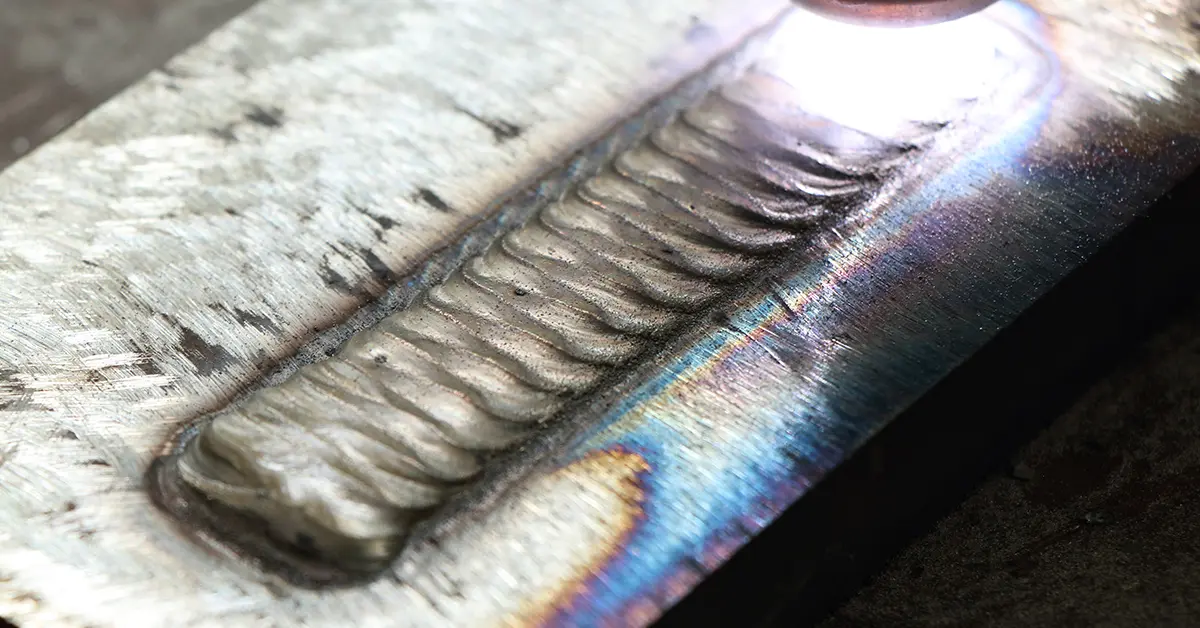
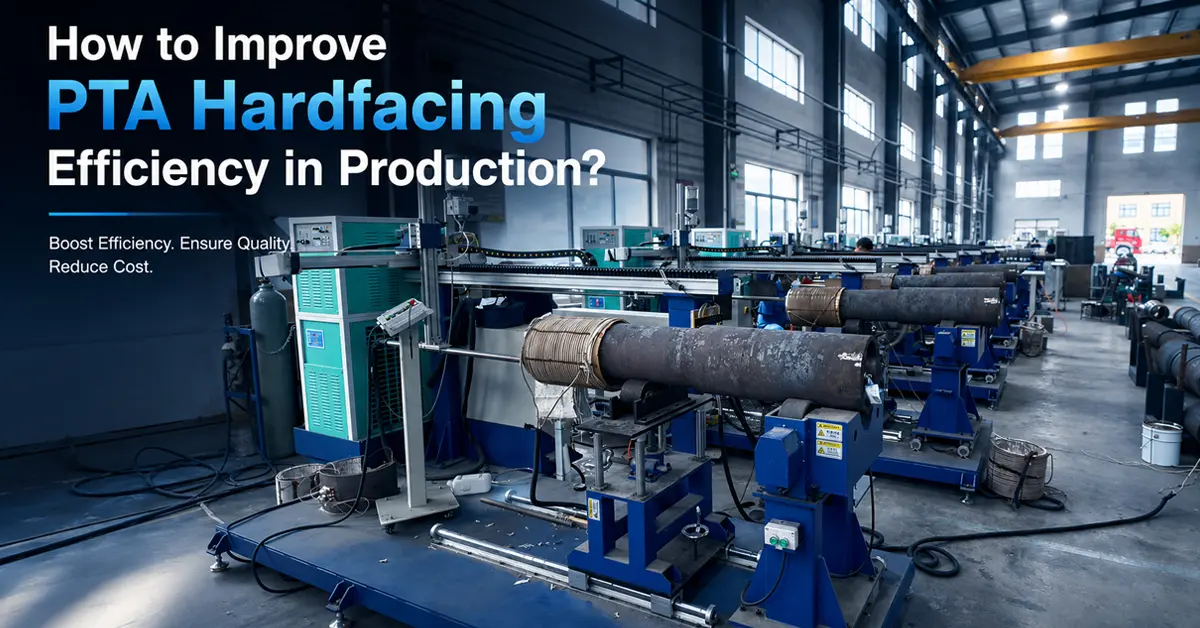
Introduction Improving PTA hardfacing efficiency is not simply about increasing welding speed or depositing more alloy within a shorter time. In industrial production, the real efficiency of a Plasma Transferred Arc (PTA) hardfacing process dep...
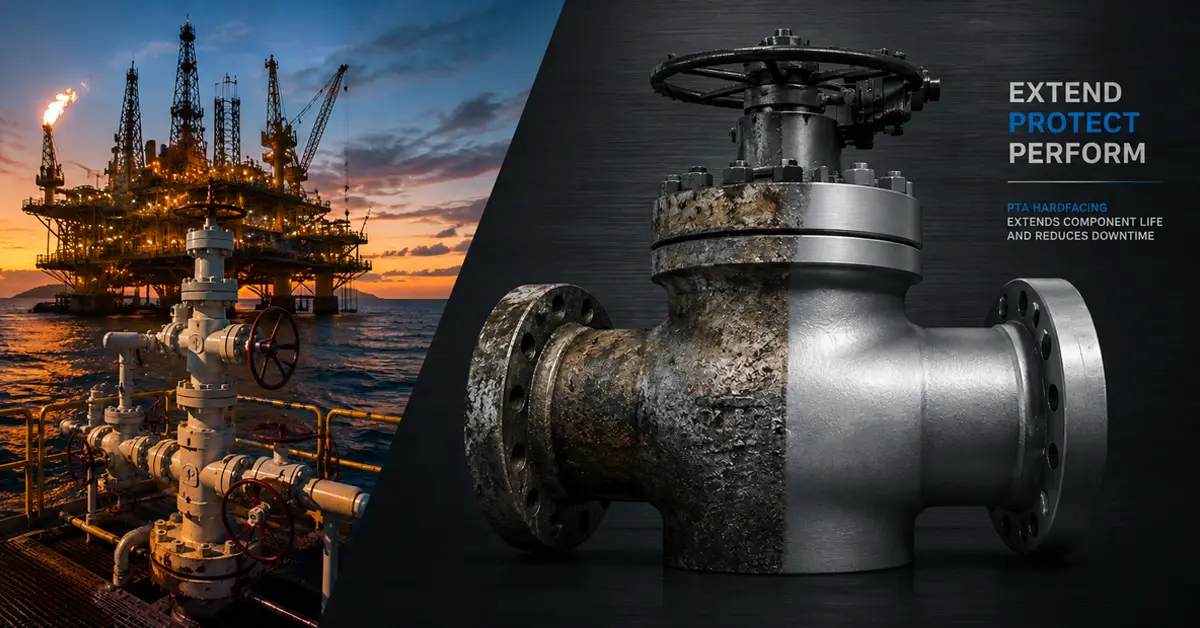
In Oil & Gas, the Real Cost Is Downtime—Not the Component When a choke valve fails due to sand erosion, a mud pump valve seat wears beyond tolerance, or a drill stabilizer reaches the end of its service life, the traditional respon...
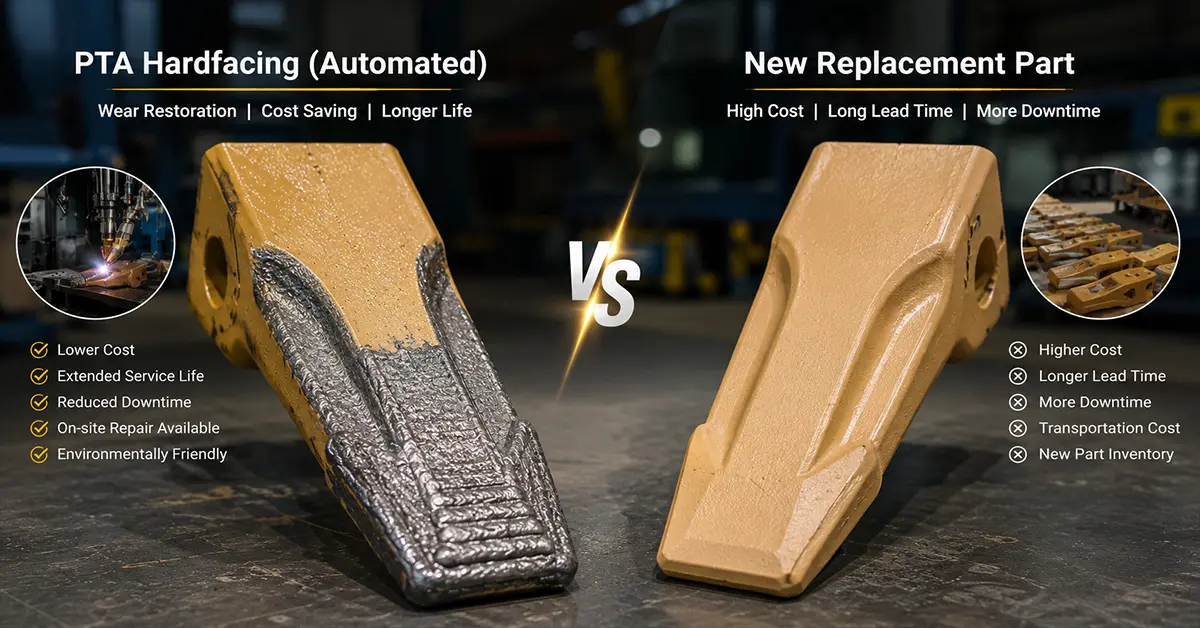
For industrial equipment operating in abrasive, erosive, corrosive, or high-temperature environments, wear is inevitable. The real challenge is not preventing wear altogether but choosing the most cost-effective maintenance strategy once wear occurs. Many maintenance tea...
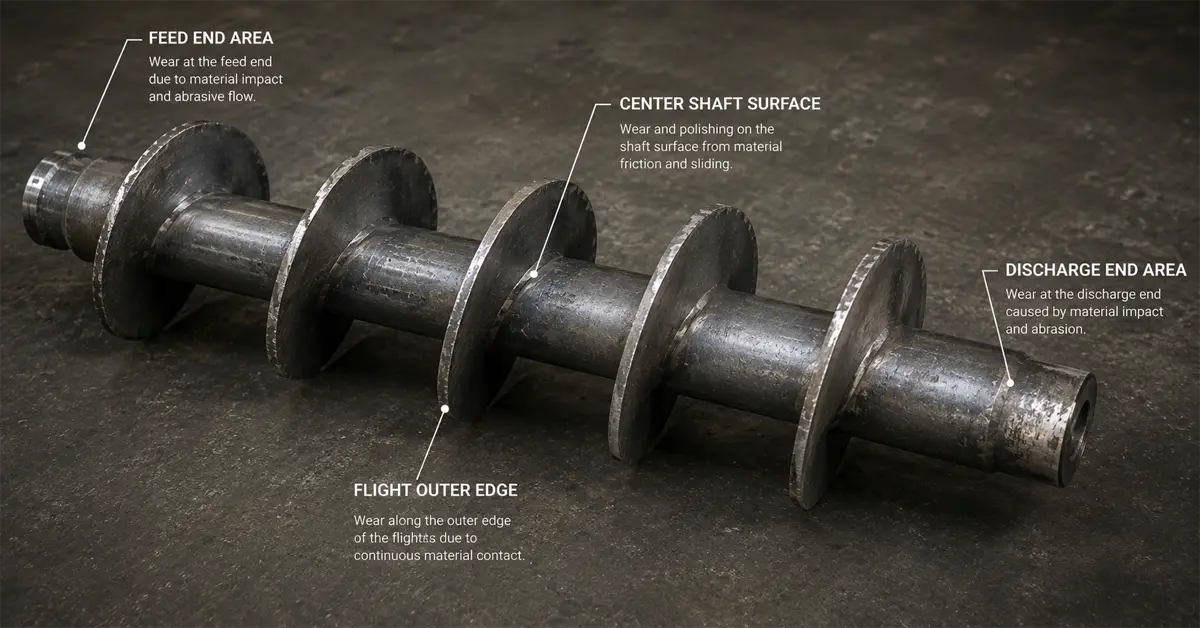
In industries such as mining, cement, power generation, steelmaking, chemical processing, and biomass energy, screw conveyors are often regarded as auxiliary equipment. However, maintenance data shows that they are among the most frequent causes of unplanned production d...












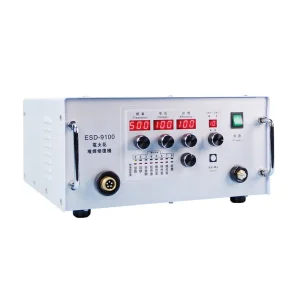
Discover our secondary range of specialized welding, surfacing, and EDM repair machinery.
For inquiries about our products or pricelists, please leave your contact info below. Our engineering consulting team will reach out within 24 hours to discuss your project requirements.
Subscribe to our Technical Newsletter:
Stay updated with our latest metallurgical findings, equipment releases, and system optimization guides.