In modern excavation, mining, and oil extraction systems, the extreme physical forces of abrasive wear, erosion, impact, and high thermal strain dominate the cost lifecycle of sub-surface machinery. Drill bit cladding, which leverages advanced materials processing technologies, stands as a crucial methodology for extending component service life. As a global custom drill bit cladding supplier and factory, Shanghai Duomu integrates complex materials science with automation systems to deposit high-performance alloys and metal matrix composites (MMCs) onto mechanical steel bodies.
Across North America, the Middle East, and Asia Pacific, downhole tooling failure accounts for millions of dollars in annual operating losses. Drill stabilizer surfaces, tri-cone cutting cones, and directional drilling rotary steerable housings are continuously subjected to extreme friction and shear stress. High-integrity cladding deposits a protective metallurgical layer that resists deep abrasion. The modern global industrial shift is moving rapidly away from manual thermal spray and conventional hardfacing techniques toward high-precision automated Plasma Transferred Arc (PTA) cladding and High-Power Laser Cladding technologies.
As resource extraction pushes into deeper reservoirs and harder rock strata, drilling tooling must operate at thermal limits. Low-quality surfacing triggers cracking and matrix peeling, leading to catastrophic tool failure.
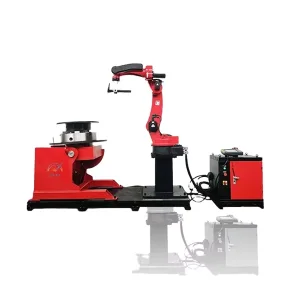
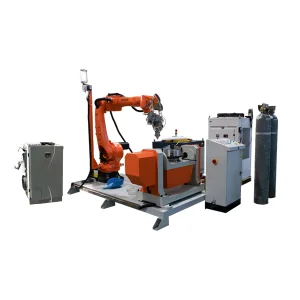
The industry is migrating from manual welding processes to high-capacity robotic cladding cells. This shift ensures precise control of powder feed rates, heating profiles, and metallurgical consistency.
Modern applications require composite cladding materials, specifically combining tough nickel-based or cobalt-based matrices with high-density spherical tungsten carbide (WC) fractions.
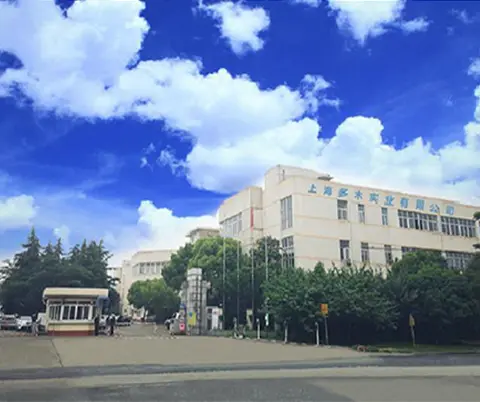
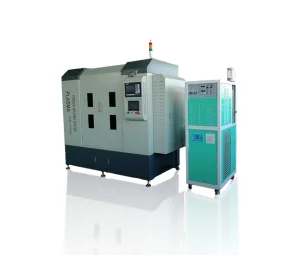
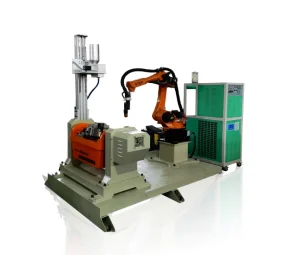
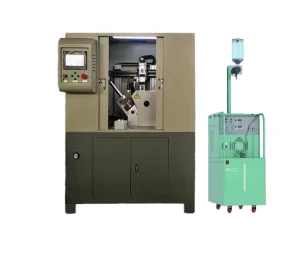
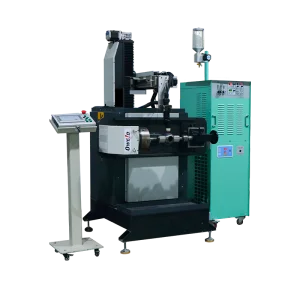
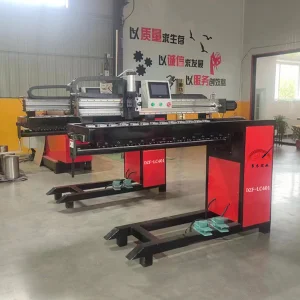
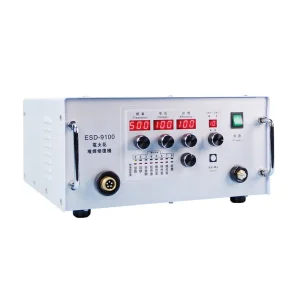
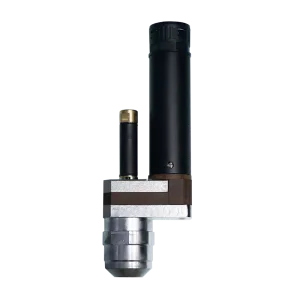
Shanghai Duomu has been a leading manufacturer and exporter of PTA cladding machines and Laser cladding machines for more than ten years with a strong technical background. We maintain an independent, dedicated research and development team, which develops, produces and sells plasma cladding machine equipment. Our welding machinery delivers highly stable performance and maintains efficient long-term operations under continuous industrial shifts.
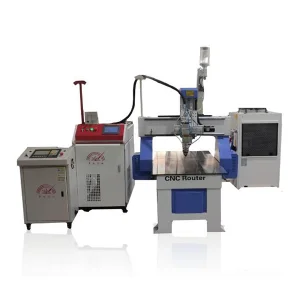
In addition, the advanced laser cladding equipment designed and sold by our company supports large-scale industrial remanufacturing projects. We offer mature technological means, proprietary alloy powder formulation options, and integrated mechanical positioning components to provide complete sets of heavy-industry equipment solutions.
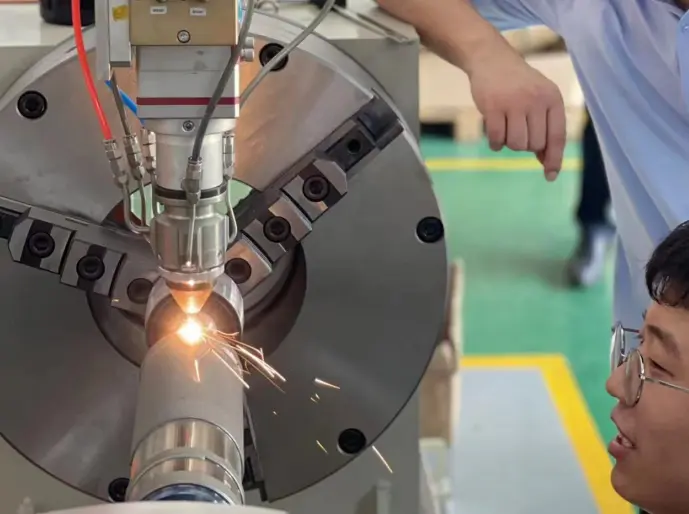
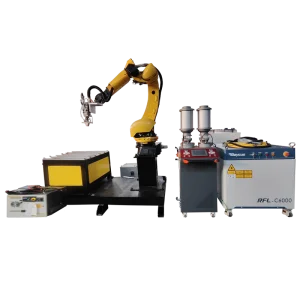
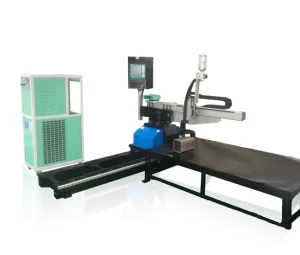
Our engineering division designs customized system integrations including automatic laser cladding machines, automatic plasma cladding machines, and intelligent multi-axis robot cladding equipment. We specialize in components requiring targeted, wear-resistant layers. This includes:
For high-integrity surfacing of mining drill bits and downhole stabilizers, engineers generally select between Plasma Transferred Arc (PTA) Surfacing and Laser Cladding (Laser Metal Deposition). Understanding their physical and metallurgical differences is critical for making optimal equipment decisions.
| Performance Dimension | Plasma Transferred Arc (PTA) | Laser Cladding (LMD / LPD) | Industrial Value Impact |
|---|---|---|---|
| Heat Input Rate | Moderate to High (Concentrated arc column) | Extremely Low & Localized | Laser minimizes heat-affected zone (HAZ) deformation. |
| Metallurgical Dilution | 3% to 8% (Precisely controllable) | < 1% to 3% (Minimal mixing) | Lower dilution retains carbide properties in the first pass. |
| Deposition Rate | Very High (Up to 6-8 kg/hr for heavy alloys) | Moderate (1-3 kg/hr, scalable with high-power lasers) | PTA is highly efficient for thick protective coatings. |
| Consumable Flexiblity | Utilizes wide-mesh, cost-efficient powder chemistry | Demands high-spherical, fine powder chemistry | PTA offers lower operational raw materials expenses. |
| Bonding Quality | Metallurgical interface bonding | High-purity metallurgical interface bonding | Both ensure zero peeling under shear stress. |
PTA hardfacing processes balance dilution and deposition. For drill stabilizer blades, we control dilution below 5%, keeping carbide particles intact and uniform without thermal decomposition into brittle secondary phases.
By optimizing the travel speeds, powder feeding rates, and thermal profiling parameters of laser cladding machines, we limit heat penetration, preventing degradation of heat-treated core steels.
We design pre-heating and post-heating protocols for alloy systems prone to cracking, using automated thermal feedback loops to manage thermal stresses during solidification.
The protective cladding layer is a metallurgical system tailored to specific downhole wear modes. Standard steel alloys fail rapidly under abrasive geological formations. To combat this, we use advanced Metal Matrix Composites (MMCs):
NiCrBSi alloys flow smoothly and melt at lower temperatures. They resist high-temperature oxidation and sliding wear, forming a stable structure that holds hard carbide phases securely.
We blend cast or spherical tungsten carbides into the matrix at ratios from 30% to 60%. Spherical WC particles have excellent toughness, helping prevent micro-fractures under high impact loads.
For hot, corrosive environments containing sour gas (H2S) and chlorides, cobalt matrices provide excellent strength and corrosion resistance up to temperatures of 800°C.
Drill stabilizers and rotary steerable pads suffer from three main wear mechanisms. Selecting the right cladding method helps address these challenges directly:
At present, Shanghai Duomu's cladding systems operate globally across many fields including aerospace, military industry, nuclear power, petrochemical industry, coal mines, metallurgy, casting, agriculture, water conservancy, and electric power.

Protective cladding on harvester blades, plowshares, and subsoilers operating in highly abrasive, silica-rich soils.

Advanced laser metal deposition on aerospace components, offering tight heat controls and high geometric precision.
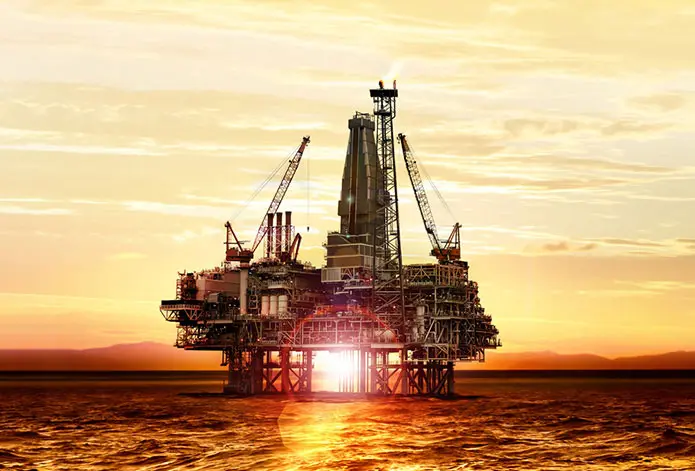
Heavy-duty hardfacing for drill stabilizers, mud pumps, valve seats, and directional drilling assemblies.
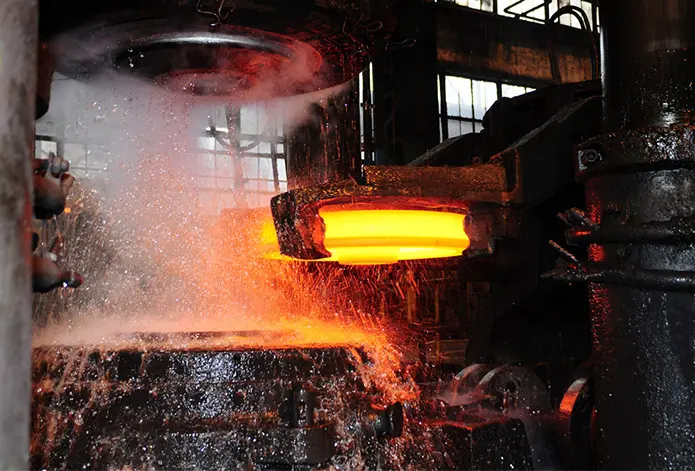
Restoring and surfacing continuous casting rollers and guide plates that face intense thermal fatigue.
We supply continuous mining operations with automatic cutting picks plasma cladding equipment. This automation applies carbide overlays onto cutter drums, lowering down-time in underground coal and soft-rock extraction operations.
For offshore drilling operations, our valve and ball valve automated welding systems apply wear-resistant, anti-corrosive coatings on valve gates, helping them last longer in harsh subsea fluid environments.
Our dedicated hydraulic rod plasma cladding machines deposit thin, high-density alloy layers that protect piston rods from saltwater and high abrasive forces.
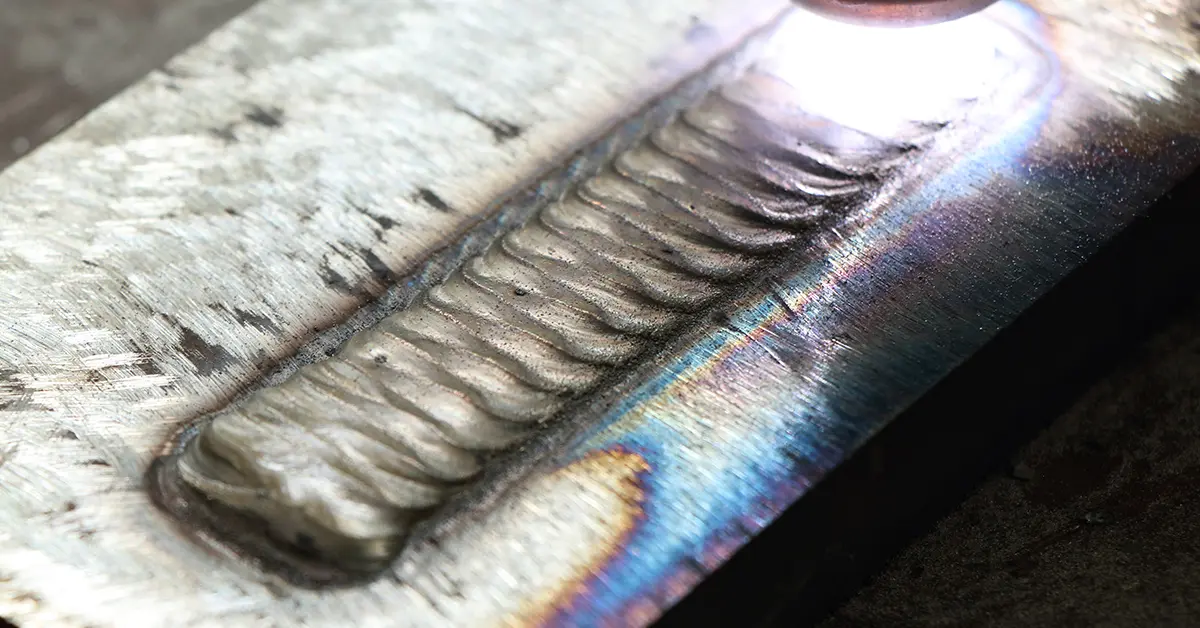
"In Plasma Transferred Arc (PTA) hardfacing, achieving a high-quality overlay is not only about selecting the right alloy powder or optimizing welding parameters. One of the most critical factors that directly affects overlay performance is the dilution rate. Shanghai Duomu's control over dilution rates has dramatically improved our rotary stabilizers' performance."
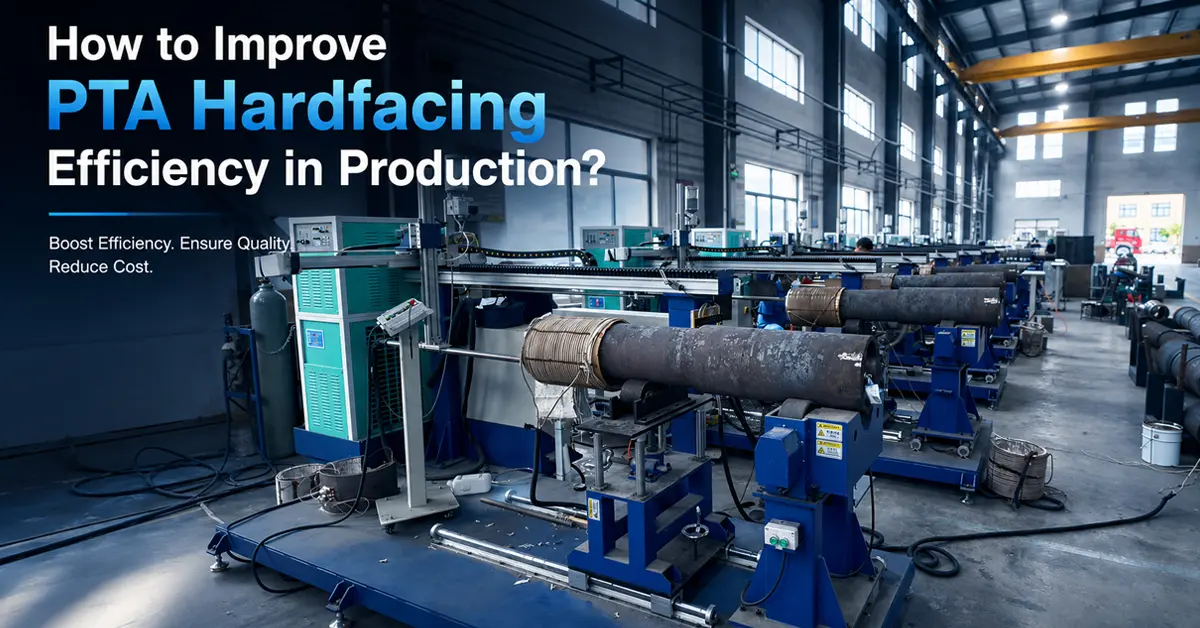
"Improving PTA hardfacing efficiency is not simply about increasing welding speed. In industrial production, the real efficiency of a PTA hardfacing process depends on consistency. The automated gantry systems from Duomu gave us the exact mechanical stability needed for 24/7 tool manufacturing."
"In Oil & Gas, the Real Cost Is Downtime—Not the Component. When a choke valve fails due to sand erosion, a mud pump valve seat wears beyond tolerance, or a drill stabilizer reaches the end of its service life, the traditional response of simple scrap and replacement is no longer sustainable. Duomu cladding repair saved us over 65% in maintenance costs."
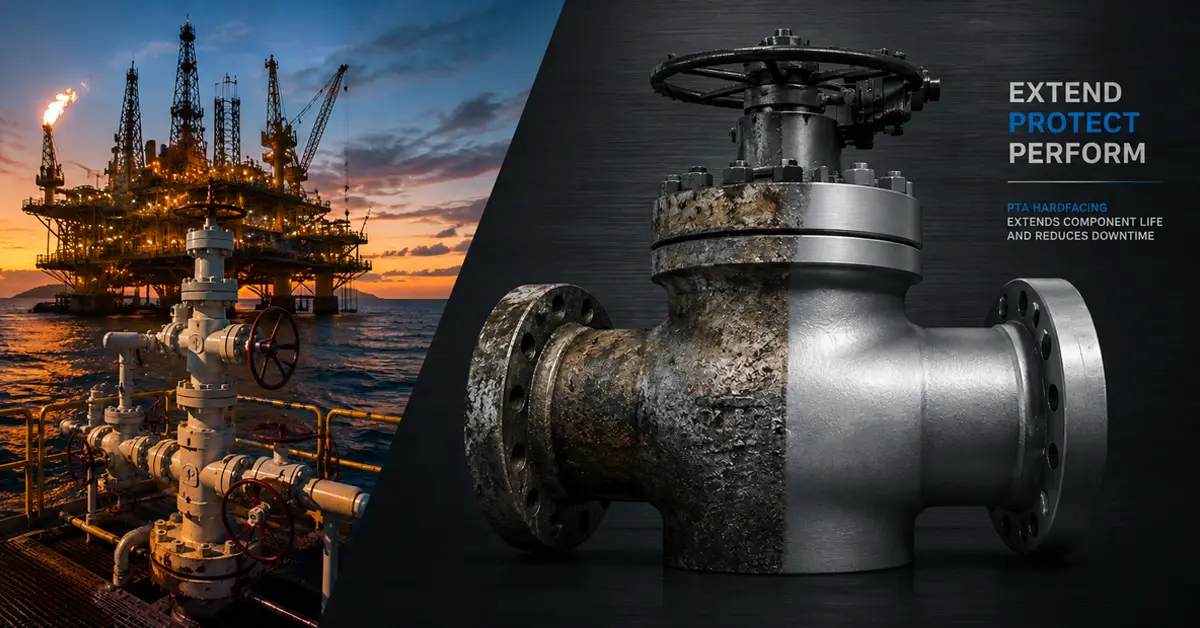
Further Maintenance Insights: For industrial equipment operating in abrasive, erosive, corrosive, or high-temperature environments, wear is inevitable. The real challenge is choosing the most cost-effective maintenance strategy. Whether processing screw conveyors, mining tools, or valve parts, Shanghai Duomu's PTA and Laser cladding machines offer high-performance metallurgical protection to reduce downtime.




Our cladding systems are engineered for high reliability, stable gas delivery, precise powder feeding, and consistent control of mechanical axes. This structural design ensures uniform cladding quality and minimizes flaws like porosity and microcracks.
The integrated PLC and touchscreen interface allow operators to monitor cladding parameters in real time. Standard settings for welding voltage, current, powder feed rates, and gas flow can be saved for consistent future operations.
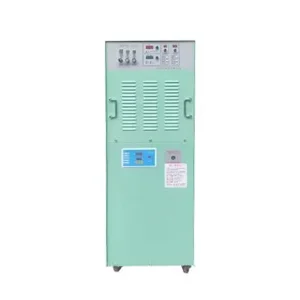
High-capacity water-chillers maintain stable operating temperatures for the cladding torches, allowing the equipment to run continuously for long periods without overheating.
Equipped with dual-wheel powder feeders, our machines deliver a steady, non-pulsing flow of powder. This ensures a uniform distribution of alloy elements throughout the clad layers.
For inquiries about our products or pricelists, please leave your contact details. Our engineering and sales teams will get in touch within 24 hours.
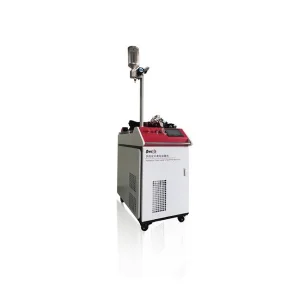
Whether you require automated PTA gantry cells, robot arm integration, or a portable laser cladding system for site operations, our technical department can configure the machinery, nozzles, and software to meet your specific requirements.
Send Inquiry Mailbox