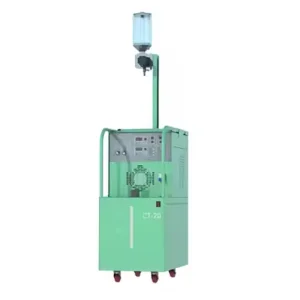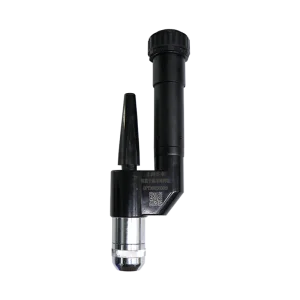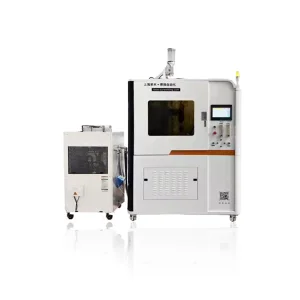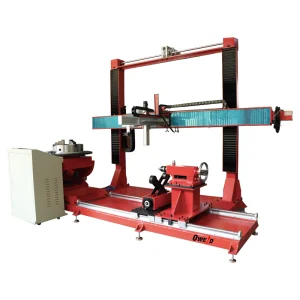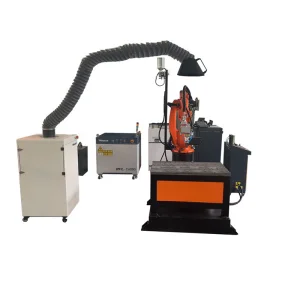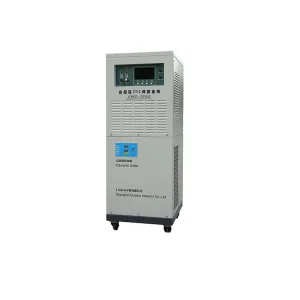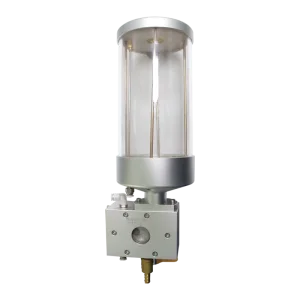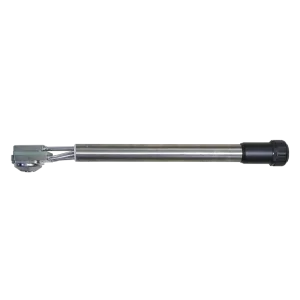
Leading-edge equipment for aerospace, energy, and heavy industry.
Understanding the "Vor und Nachteile" for High-Performance Manufacturing.
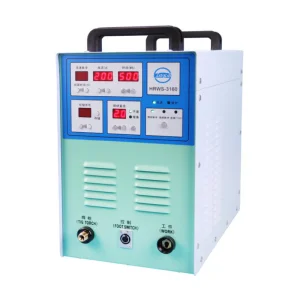
WIG (Wolfram-Inertgasschweißen) stands as the gold standard for metallurgical purity. Its primary benefit is the decoupling of the heat source and filler material, allowing for extreme precision.
Despite its quality, WIG presents significant economic and operational challenges that must be managed in a factory environment.
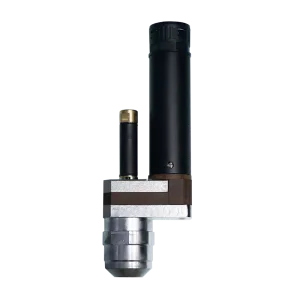
Modern factories are overcoming WIG limitations through Automation and Plasma Transferred Arc (PTA) systems, combining WIG precision with industrial speed.
Unlocking the synergy of supply chain depth and R&D agility.
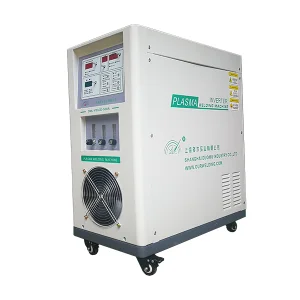
China leads the world in the Tungsten supply chain, the core of WIG/PTA technology. Factories like Shanghai Duomu leverage local access to rare earth minerals and advanced electronics to produce high-frequency inverters at a lower TCO (Total Cost of Ownership).
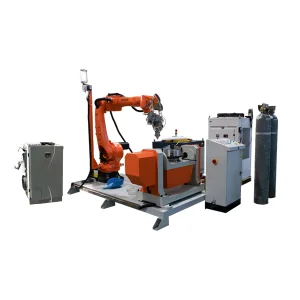
Unlike traditional Western manufacturers, Chinese factories excel at Customized Industrial Solutions. Whether it's a specific "double cone injection molding machine barrel" or a "robotic blade cladding system," the speed from design to deployment is 40% faster on average.
By integrating AI-driven monitoring and laser tracking into WIG/Plasma systems, Chinese manufacturers provide "Smart Welding" platforms that reduce human error and maximize uptime for global enterprises.
Solving macro-industry challenges through advanced cladding and surfacing.

Wear-resistant surfacing for soil-engaging tools using automated PTA.

High-precision repair of turbine blades and structural components.
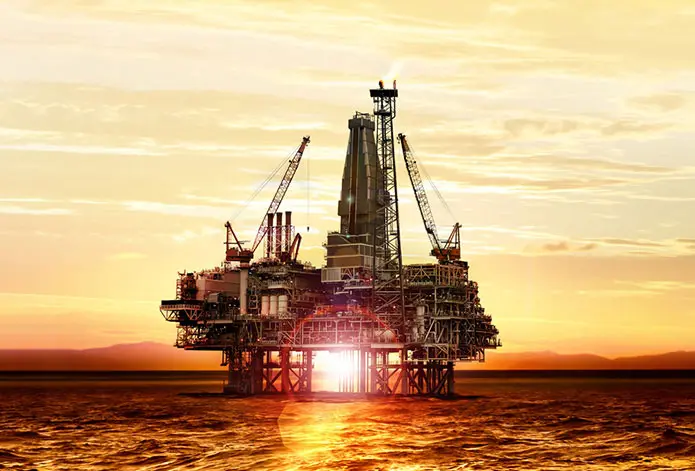
Internal cladding of valves and pipes to resist extreme corrosion.
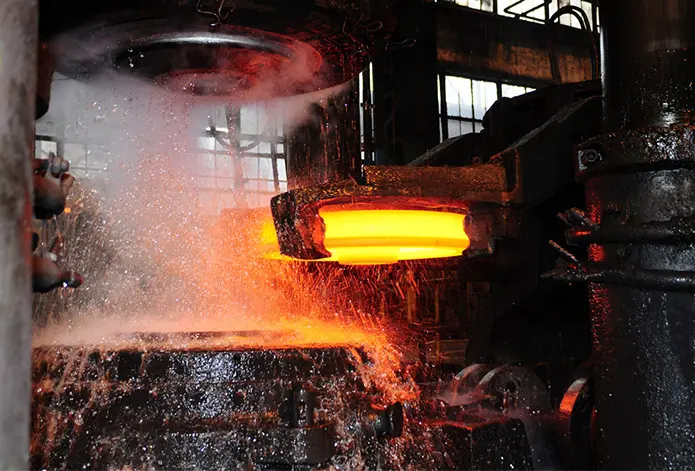
Remanufacturing of heavy-duty rollers and forging dies.
The industry is moving toward Sustainability and Digital Twins. In the next 5 years, we expect:
When sourcing from a "Wig Schweißen Manufacturer," global enterprises prioritize:
Ensuring ISO 9001 and CE compliance for seamless integration into European and American production lines.
Availability of wear parts (electrodes, nozzles) and remote technical support for troubleshooting.
Focusing not just on the purchase price, but on the long-term reduction of consumables and electricity.
Advanced solutions for surfacing, cladding, and precision welding.
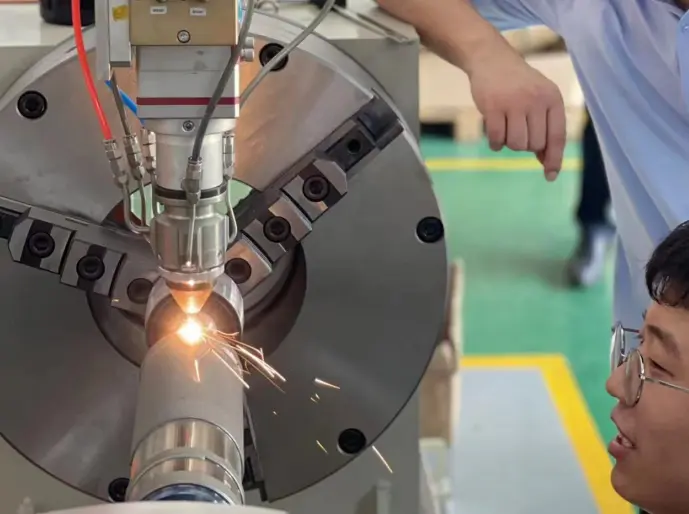
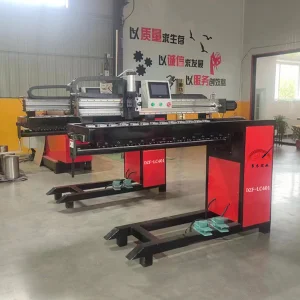
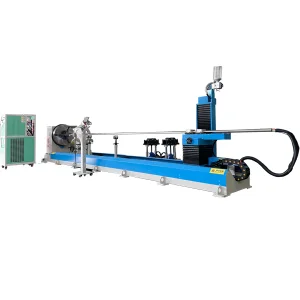
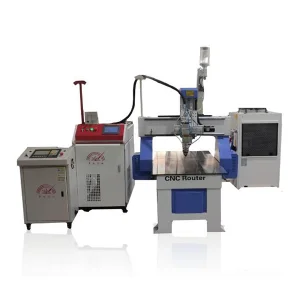
Shanghai Duomu has an independent R&D team which develops, produces, and sells plasma cladding machine equipment. The welding machine has stable performance and can maintain efficient long-term operation. In addition, the laser cladding equipment sold by the company can effectively support large-scale remanufacturing projects. We have mature technological means to provide complete sets of industrial equipment solutions.
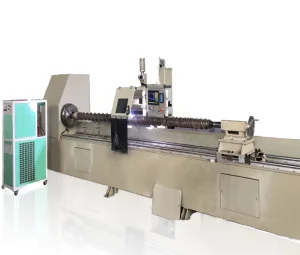
For more than ten years, our products have penetrated into aerospace, military, nuclear power, and petrochemical industries. We specialize in customized equipment like hydraulic rod cladding machines, pick cladding machines, and valve cladding systems.
Consult with our engineers for a custom WIG, PTA, or Laser solution today.
📍 Unit 2, No.615 Feng Deng Road, Jiading District, Shanghai, China
📞 +86 15021996700