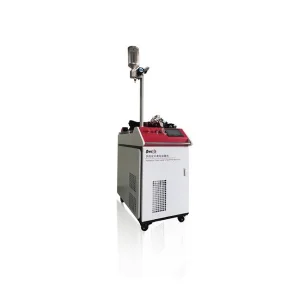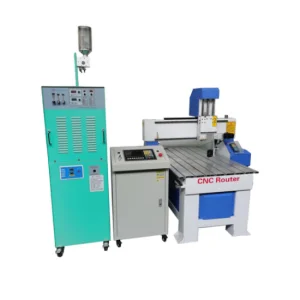
Explore our premium grade laser repair machinery and industrial PTA welding equipment designed for high-end manufacturing lines.
An in-depth analysis of how additive manufacturing and advanced surface coating solutions are reshaping global industrial component lifespans.
Modern heavy industries operate under extreme conditions where mechanical abrasion, corrosive chemicals, high-velocity gas erosion, and localized heat stresses cause premature component degradation. Historically, worn structural elements—such as mud pump stabilizers, hydraulic shafts, marine engines, and agricultural toolings—were scrapped and replaced with new steel forgings. This traditional cycle places a massive economic and ecological burden on global logistics and metallurgy sectors, releasing millions of tons of Scope 3 greenhouse gases during raw steel production and processing.
High-quality sustainable laser cladding and Plasma Transferred Arc (PTA) systems introduce a circular economy model. Instead of replacing the component, localized metallurgical overlays of high-performance alloy powders (such as Stellite, tungsten carbide matrices, and nickel-based superalloys) are deposited directly onto the worn substrate. This restores and enhances component properties, utilizing up to 90% less base metal than manufacturing a replacement piece, and providing an elegant solution to meet modern corporate ESG carbon targets.
Understanding which deposition method is optimal depends heavily on structural dynamics and output specifications. Laser cladding utilizing high-power fiber laser systems concentrates minimal heat onto the workpiece, resulting in an exceptionally small Heat-Affected Zone (HAZ) and minimal thermal distortion. This precise thermal application yields a dilution rate below 5%, ensuring that the deposited coating retains its designed chemistry and hardness profiles without major structural degradation from the base substrate.
Conversely, Plasma Transferred Arc (PTA) cladding systems offer high deposition efficiency and are exceptionally cost-effective for large-surface overlays. Integrating PTA systems allows manufacturers to deposit thick layers of carbide compounds at speeds that outclass manual welding. Both methods form a genuine metallurgical bond rather than a mechanical adhesion, providing superior resistance to spallation and shear failure compared to thermal spraying.
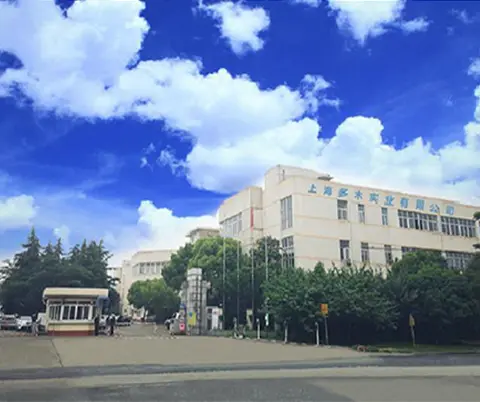
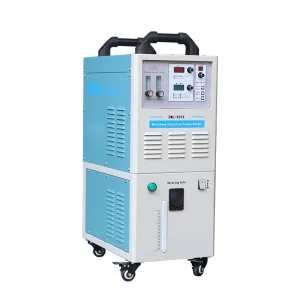
Shanghai Duomu has been a leading manufacturer and exporter of PTA cladding machine and Laser cladding machine for more than ten years with a strong technical background.
By marrying industrial manufacturing expertise with smart automation controls, we have helped hundreds of companies across heavy engineering fields transition from manual overlays to high-efficiency robotic stations.
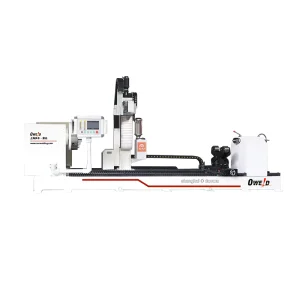
I have an independent R&D team, which develops, produces and sells plasma cladding machine equipment. The welding machine has stable performance and can maintain efficient long-term operation. In addition, the laser cladding equipment sold by the company can effectively support large-scale remanufacturing projects. We have mature technological means to provide complete sets of industrial equipment solutions.
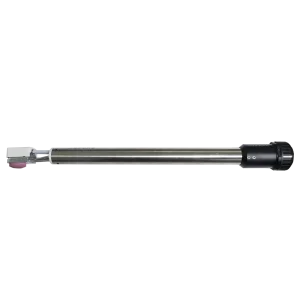
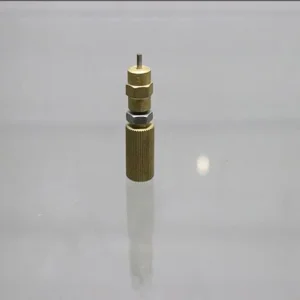
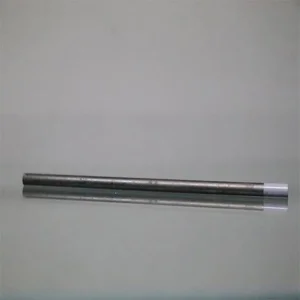
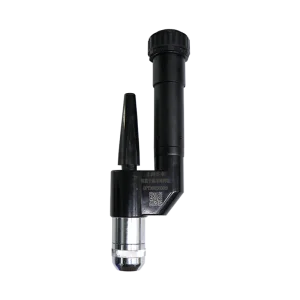
Our research and development pipeline focuses on designing multi-axis control modules, developing customized plasma bore torches (like the DNPT16018-HQ), and developing proprietary thermal algorithms to prevent cracking in complex alloy coatings.
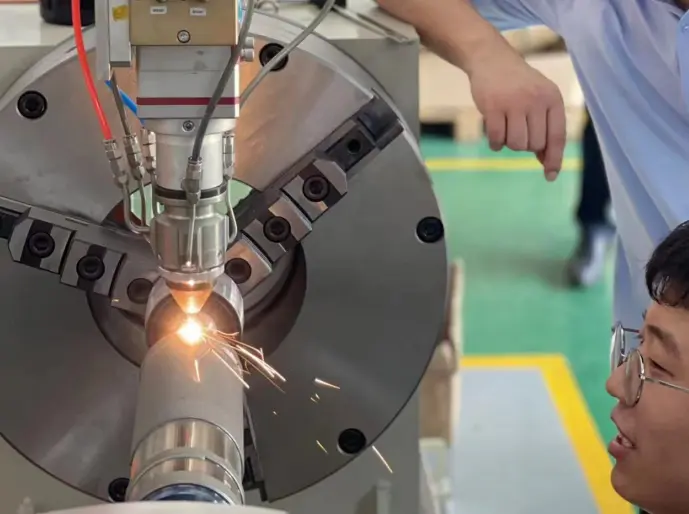
Global enterprise procurement processes in heavy sectors have transitioned from purely CapEx-driven assessments to lifecycle-based (TCO - Total Cost of Ownership) evaluations. Buyers from multinational oil conglomerates, power plants, and marine shipping companies demand documented specifications regarding dilution rate, bond strength, and microstructural porosity. They seek equipment that is reliable, and suppliers who can provide proof of consistent metallurgical properties across large batches.
By deploying cladding machines with digital process monitoring, operators can log real-time data such as powder feed rate, cooling water temperature, and laser energy density. This level of traceability is essential for nuclear and aerospace sectors where compliance with international regulatory codes is mandatory. Providing these analytics helps factories meet the strict standard operating procedures of multinational buyers.
At our manufacturing facility in Jiading District, Shanghai, we leverage the advanced regional logistics networks and manufacturing clusters of Eastern China. Our integration of CNC machinery and advanced multi-axis robotics allows us to fabricate custom equipment efficiently. By controlling the production flow of structural frameworks, torches, feeders, and controls, we maintain pricing competitiveness and robust production control over our machinery.
This localized supply chain ecosystem ensures quick component replacement delivery and technical service turnarounds. For international companies requiring tailored machinery—such as automatic plasma cladding for screw bricks or internal bore claddings—our Factory 4.0 structure supports customized adjustments without extending lead times. This allows buyers to confidently transition from standard configurations to bespoke technical systems.
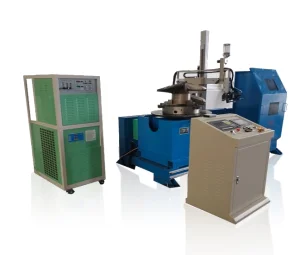
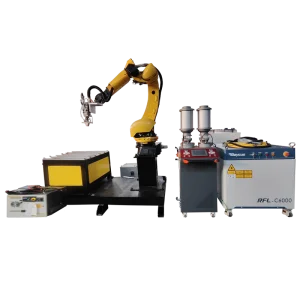
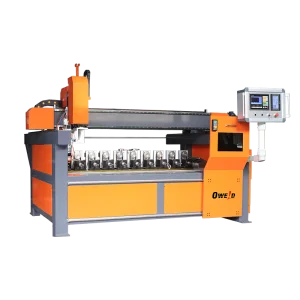
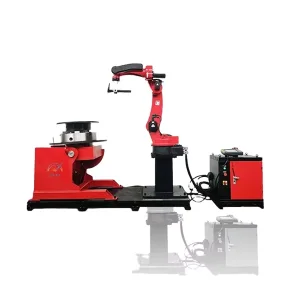
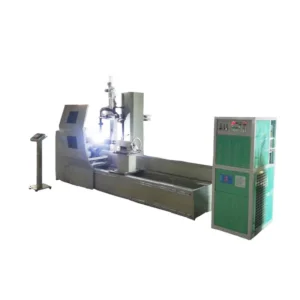
We can provide customized equipment, automatic laser cladding equipment, automatic plasma cladding equipment, intelligent robot cladding equipment, etc. according to customers' requirements, including special equipment in the industry, such as hydraulic rod cladding machine, pick cladding machine, valve cladding machine, etc.
At present, the company's products have penetrated into many fields such as aerospace military industry, nuclear power, petrochemical industry, coal mines, metallurgy and forging, agriculture, water conservancy and electric power, etc.

Enhancing components like plow blades, rototiller tines, and soil-contacting parts with hard overlays to resist severe abrasive wear.

Reconditioning complex engine turbine blades, high-strength structural nodes, and military gear components with minimal heat distortion.
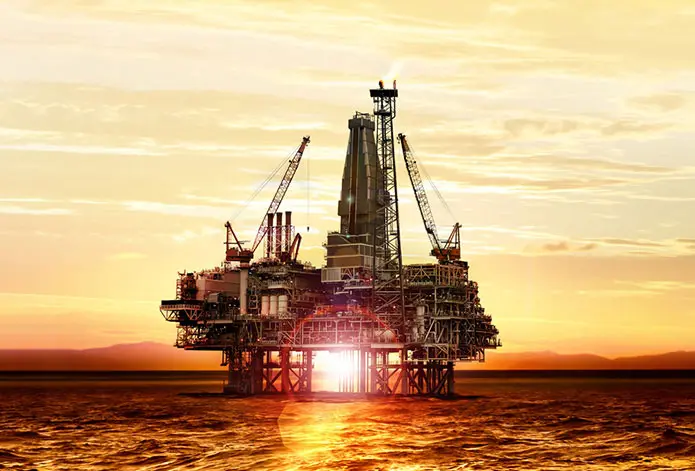
High-grade corrosion and erosion protection for drill stabilization collars, mud pump components, and downhole tools in harsh offshore fields.
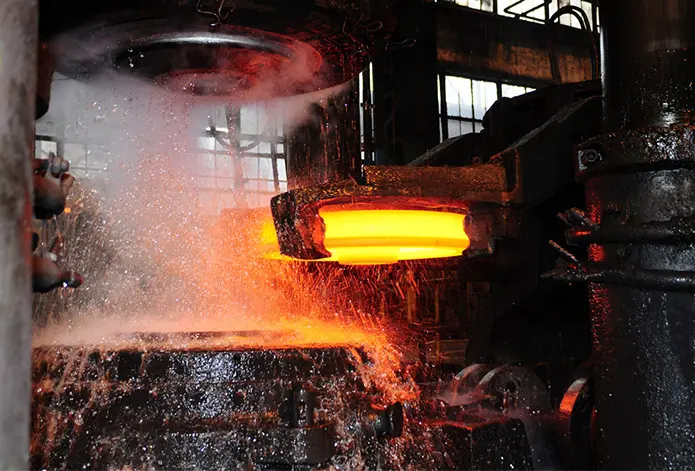
Thermal fatigue cladding and metallurgical repairs for continuous casting rolls, pinch rollers, and extrusion dies under persistent heat stresses.
Real-world engineering feedback, material science studies, and operation logs demonstrating the value of professional cladding overlays.
"In Plasma Transferred Arc (PTA) hardfacing, achieving a high-quality overlay is not only about selecting the right alloy powder or optimizing welding parameters. One of the most critical factors that directly affects overlay performance is the dilution rate..."
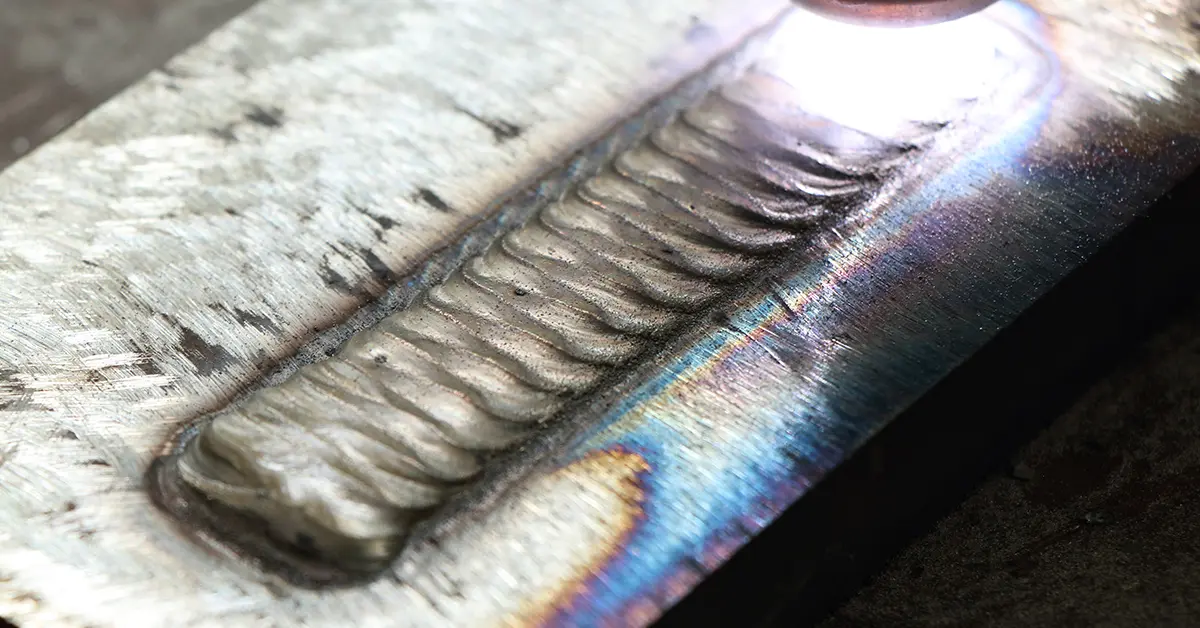 Metallurgical Dilution Study
"Introduction Improving PTA hardfacing efficiency is not simply about increasing welding speed or depositing more alloy within a shorter time. In industrial production, the real efficiency of a Plasma Transferred Arc (PTA) hardfacing process..."
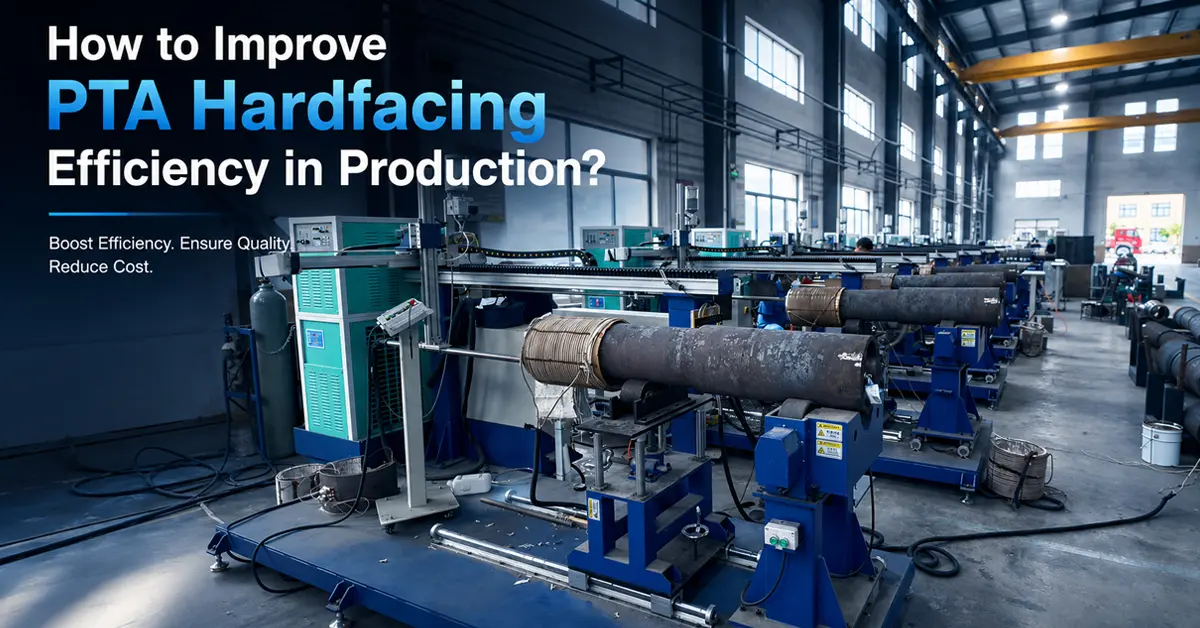 PTA Hardfacing Process Efficiency
"In Oil & Gas, the Real Cost Is Downtime—Not the Component. When a choke valve fails due to sand erosion, a mud pump valve seat wears beyond tolerance, or a drill stabilizer reaches the end of its service life, the traditional response..."
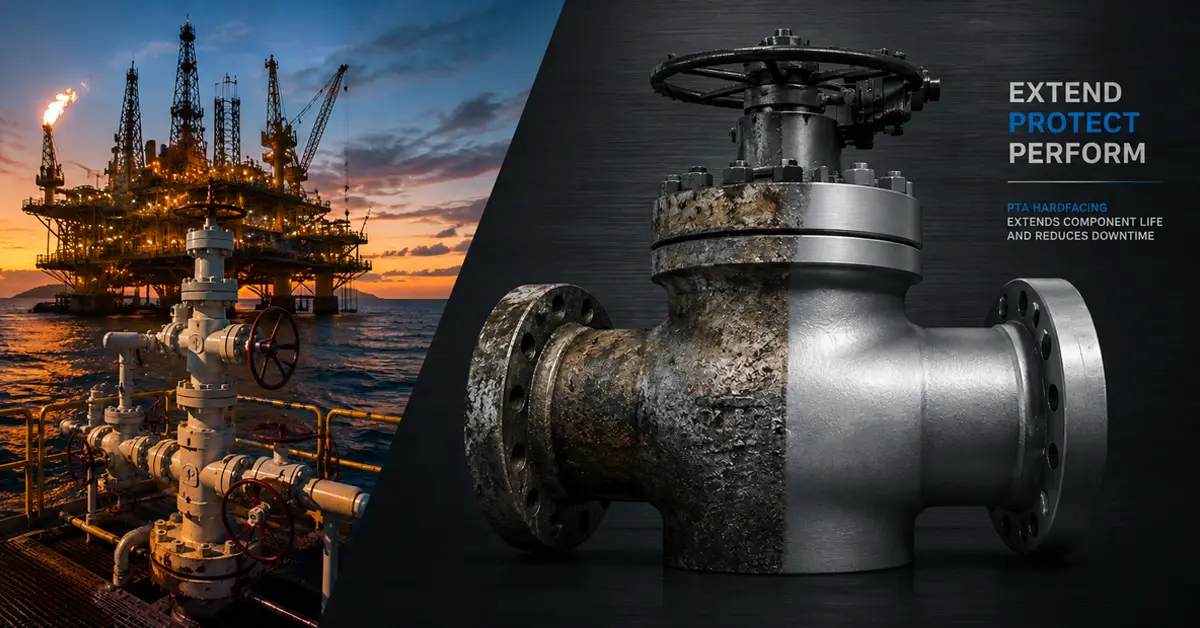 Oil & Gas Operations Analysis
"For industrial equipment operating in abrasive, erosive, corrosive, or high-temperature environments, wear is inevitable. The real challenge is not preventing wear altogether but choosing the most cost-effective maintenance strategy once wear occurs. Many maintenance teams..."
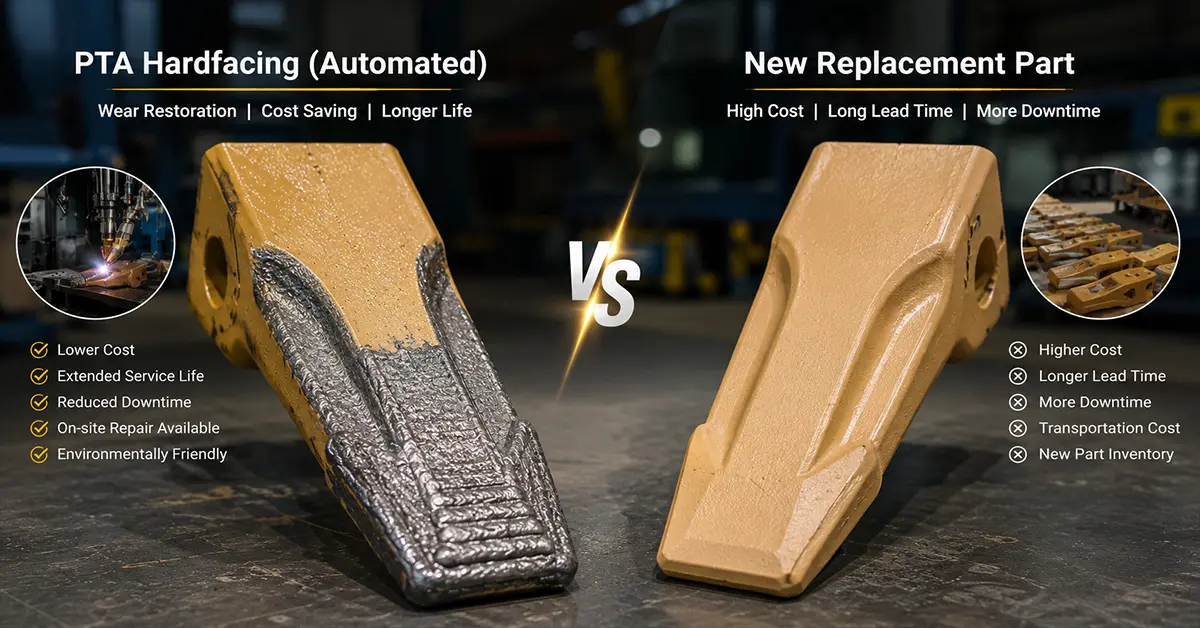 Maintenance Strategy Review
"In industries such as mining, cement, power generation, steelmaking, chemical processing, and biomass energy, screw conveyors are often regarded as auxiliary equipment. However, maintenance data shows that they are among the most frequent causes of unplanned production..."
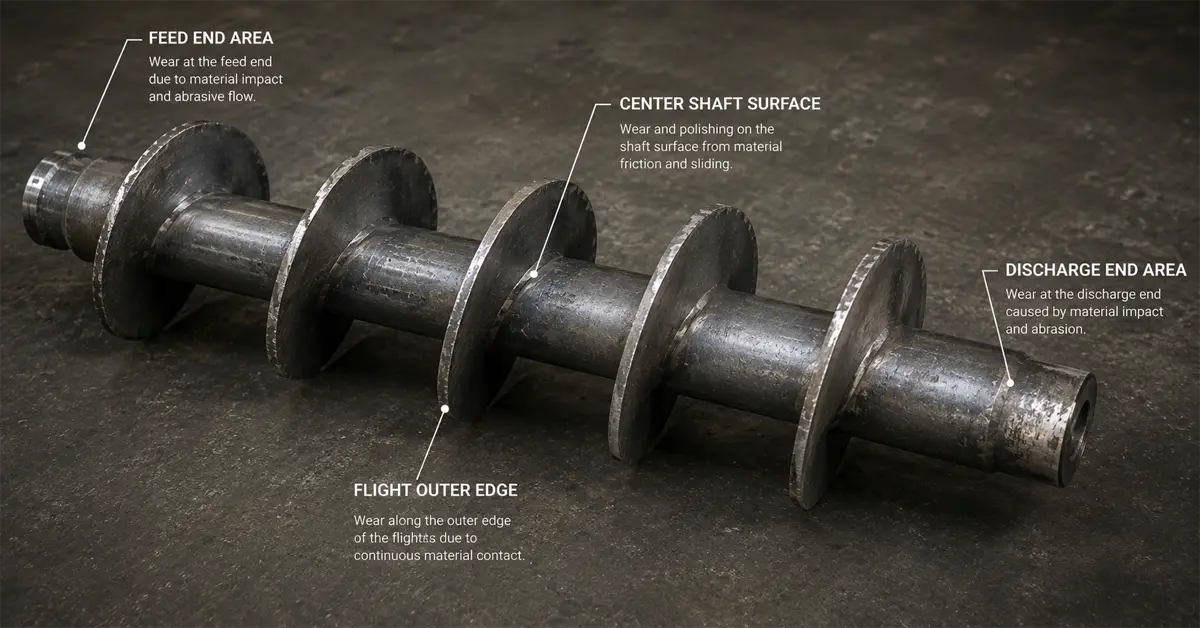 Mining & Bulk Logistics
Critical mechanical engineering queries answered by senior material scientists and automated welding specialists.
Laser cladding reduces the consumption of base steel forgings by allowing local repairs on worn machinery components. Instead of melting down and manufacturing a new item, only a thin layer of protective alloy powder is applied using high-precision laser beams. This process reduces energy use by up to 85% and material consumption by up to 90% compared to typical manufacturing methods.
Dilution rate defines how much of the substrate melts into the clad layer. High dilution rates dilute the chemical composition of the hardfacing layer, degrading properties like wear and corrosion resistance. Precise control of laser power and feeding speeds allows us to keep dilution under 5% in a single pass, ensuring the overlay retains its metallurgical properties.
Laser Cladding uses concentrated optical light paths to deliver low heat input, a minimal Heat-Affected Zone (HAZ), and low distortion, making it suitable for precision components. PTA Cladding uses a plasma arc gas stream to achieve high deposit rates and thicker coating layers, making it highly effective for heavy industrial components such as mining screws and crusher rolls.
Yes. We configure multi-axis robotic arms, integrated multi-axis positioners, specialized powder feeders, and customized CNC setups designed to meet specific plant floor profiles. We provide customized configurations for various applications, including hydraulic rods, industrial valve seats, mining conveyor screws, and agricultural implements.
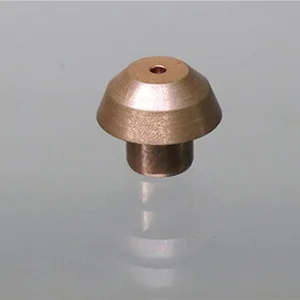
Explore our high-performance plasma surfacing machinery, replacement torches, and automated weld setups.
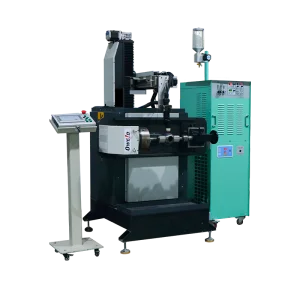
Providing machinery, accessories, and automated engineering support for industrial lines globally.






For inquires about our products or pricelist,please leaveto us and we will be in touch within 24hours.