In the realm of precision industrial manufacturing, TIG (Tungsten Inert Gas) welding—known in German-speaking markets as WIG-Schweißen—has long been regarded as the gold standard for high-quality, clean welds. However, as global industrial demands shift toward higher throughput, automation, and additive manufacturing (cladding), the inherent Nachteile (disadvantages) of TIG welding have become significant bottlenecks for manufacturers and suppliers.
At Shanghai Duomu, we analyze these limitations through the lens of modern surface engineering. While TIG offers aesthetic perfection, its role in heavy industrial surfacing and high-volume production is often compromised by metallurgical and economic constraints. This article explores why top-tier manufacturers are increasingly pivoting toward Plasma Transferred Arc (PTA) and Laser Cladding technologies to overcome these traditional TIG drawbacks.
One of the primary WIG-Schweißen Nachteile is the slow speed. In surfacing applications, TIG struggles to deposit material quickly, leading to high labor costs and long lead times for large components.
TIG welding generates significant heat input relative to its speed. This results in a larger HAZ, which can cause thermal distortion, loss of base metal properties, and potential cracking in sensitive alloys.
Unlike automated plasma cladding, manual TIG requires elite-level operator skill. The "Nachteile" here is the human factor—consistency is hard to maintain over long shifts, leading to variable weld quality.
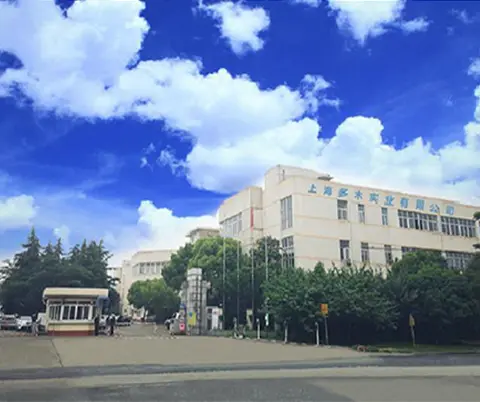
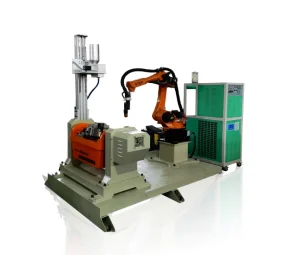
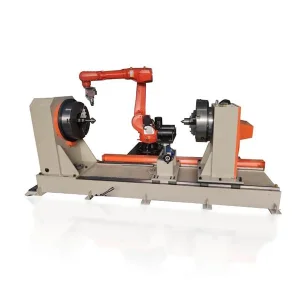
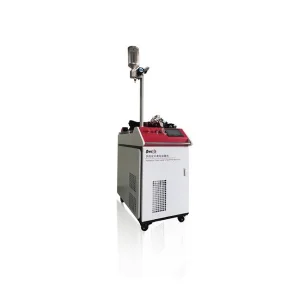
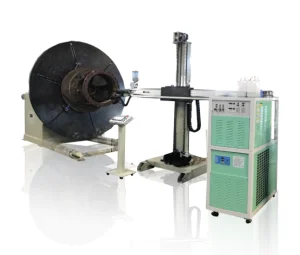
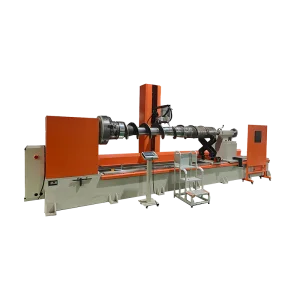
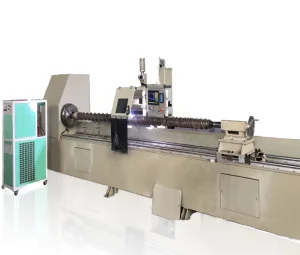
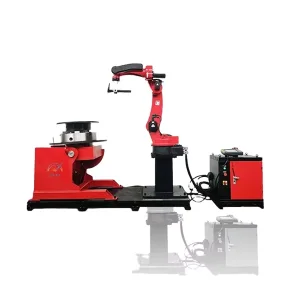
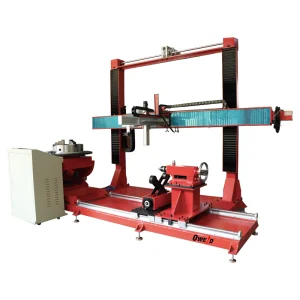
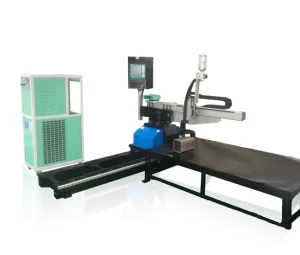
Shanghai Duomu has been a leading manufacturer and exporter of PTA cladding machine and Laser cladding machine for more than ten years with a strong technical background. We specialize in transforming the challenges of traditional welding into automated, high-efficiency industrial solutions.
Our R&D team focuses on solving the very "Nachteile" discussed here—reducing heat input, increasing deposition rates, and removing the variable of human error through robotics.
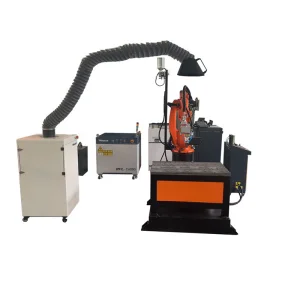
Where TIG hits its limit, our automated cladding systems take over. Our products have penetrated into many fields such as aerospace military industry, nuclear power, petrochemical industry, and more.

Hardfacing of soil-engaging tools where high-volume TIG is too slow.

Precision repair of turbine blades using laser cladding to minimize thermal stress.

Internal cladding of valves and drill pipes where PTA provides superior dilution control.
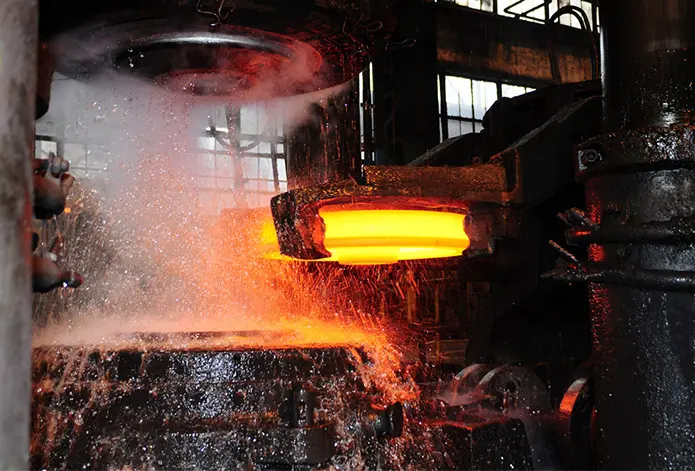
Restoration of heavy rolling mill components using high-power surfacing robots.
The global welding industry is currently undergoing a "Digital Transformation." The traditional disadvantages of WIG-Schweißen (manual control, slow speed) are being addressed through three major trends:
Shanghai Duomu's roadmap involves the integration of 6-axis robotic arms with high-brightness fiber lasers, ensuring that our clients stay ahead of the curve in terms of both quality and cost-efficiency.
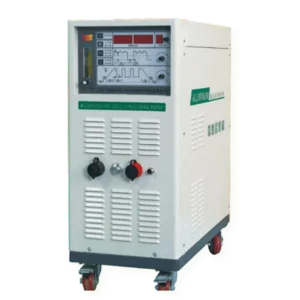
We have an independent R&D team that develops, produces, and sells plasma cladding machine equipment. The welding machine has stable performance and can maintain efficient long-term operation. In addition, the laser cladding equipment sold by the company can effectively support large-scale remanufacturing projects. We have mature technological means to provide complete sets of industrial equipment solutions.
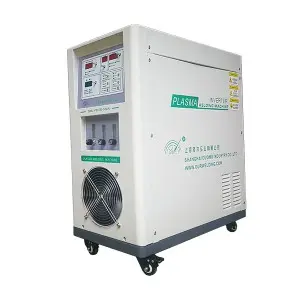
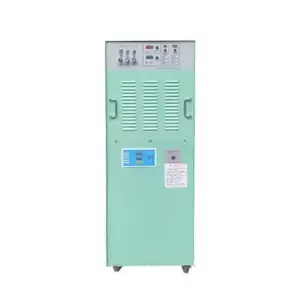
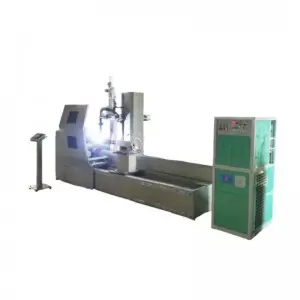
When considering the "WIG-Schweißen Nachteile," a macro-level solution must involve a total cost of ownership (TCO) analysis. While a TIG power source is inexpensive, the cost per kilogram of deposited metal is significantly higher than that of a Shanghai Duomu Plasma Surfacing system. For manufacturers in the Oil & Gas or Mining sectors, downtime is the enemy. Manual TIG repair might take 10 hours for a valve seat, whereas our DH1440-B06 robot can complete the same task in 2 hours with 100% metallurgical bonding and zero porosity.
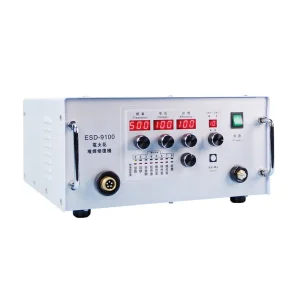
Our solutions integrate intelligent EDM cladding for fine repairs and robotic laser systems for large blades, providing a holistic approach to wear management that TIG simply cannot match in a modern industrial context.
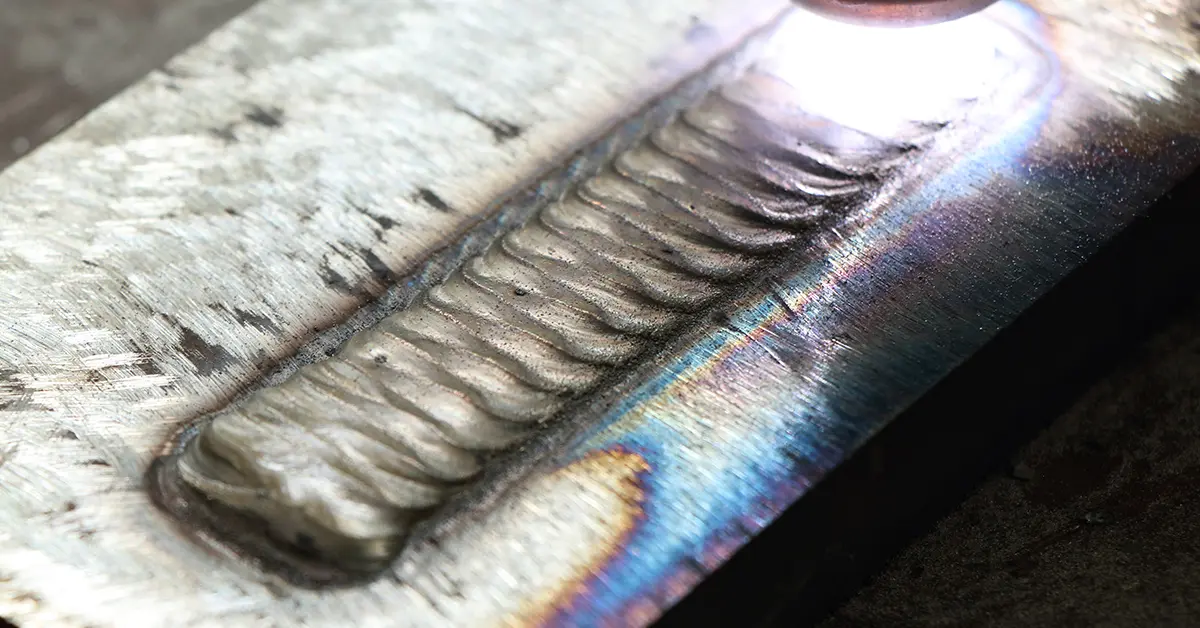
In Plasma Transferred Arc (PTA) hardfacing, achieving a high-quality overlay is not only about selecting the right alloy powder or optimizing welding parameters. One of the most critical factors is the dilution rate...
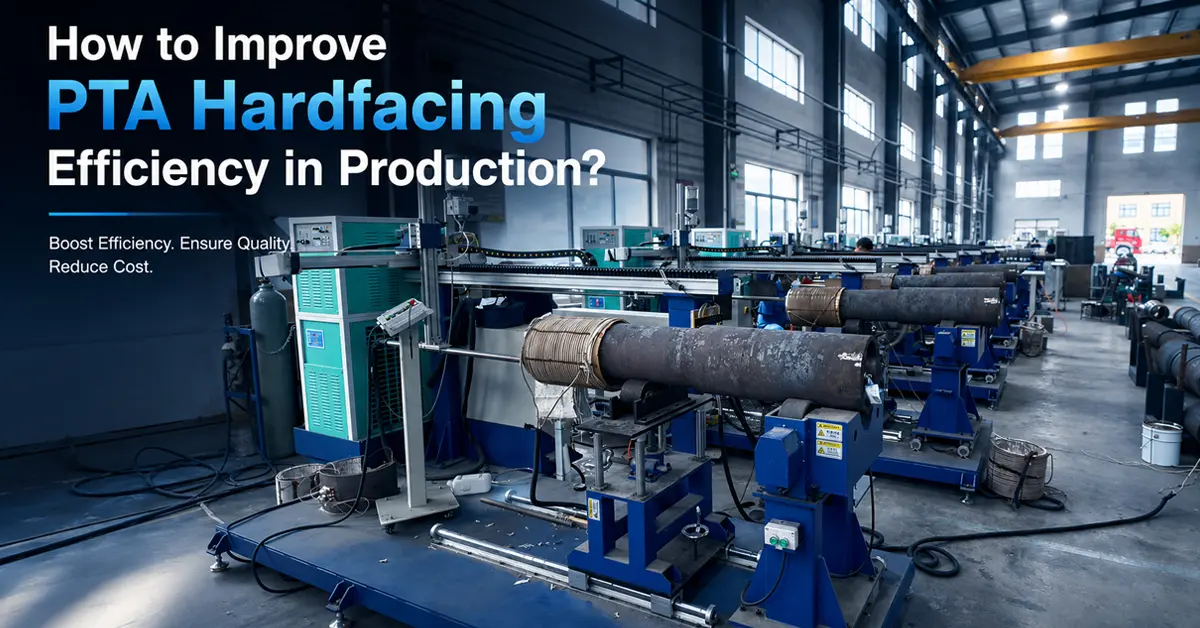
Introduction Improving PTA hardfacing efficiency is not simply about increasing welding speed. The real efficiency depends on consistent deposition and automated path planning...
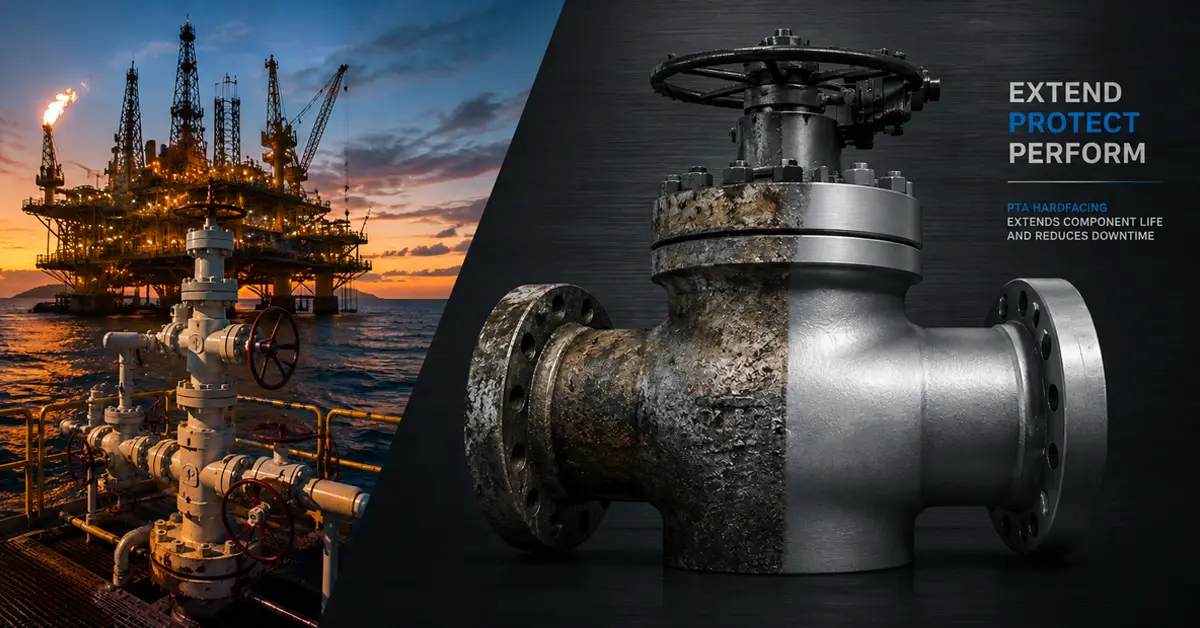
In Oil & Gas, the Real Cost Is Downtime—Not the Component. When a choke valve fails, traditional TIG repair is often a temporary fix. Cladding offers a permanent solution...