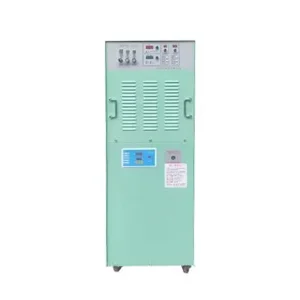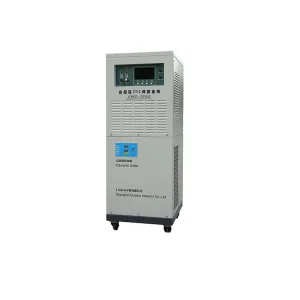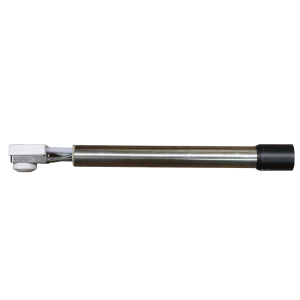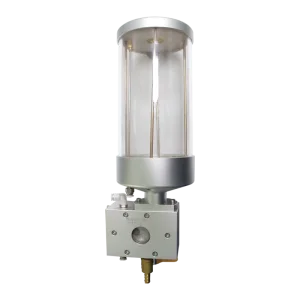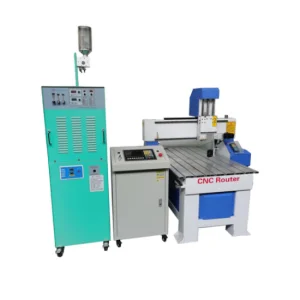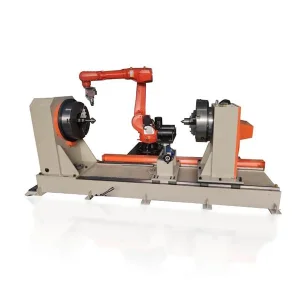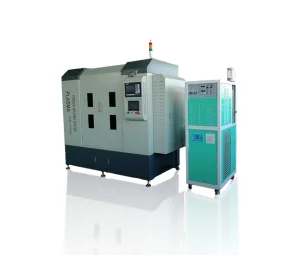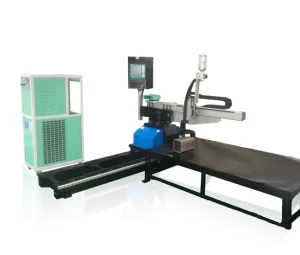
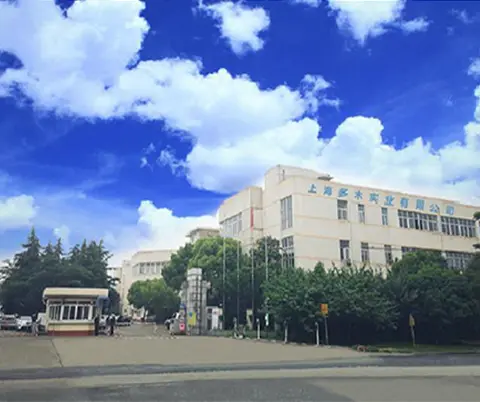
In the landscape of modern metallurgy, Spawanie Plazmowe (Plasma Transferred Arc - PTA) stands as a pillar of high-efficiency surfacing and welding. As a leading manufacturer with over a decade of technical mastery, Shanghai Duomu has pioneered the integration of PTA and Laser cladding technologies to solve the most grueling wear and corrosion challenges.
Understanding the Wady I Zalety (Pros and Cons) of plasma welding is not just a technical requirement—it is a strategic necessity for procurement officers and engineering leads in aerospace, nuclear power, and petrochemical sectors. This white paper delves into the granular details of plasma arc physics, economic ROI, and the future of automated cladding.
A comprehensive analysis for industrial decision-making.
Beyond standard pros and cons, the real "Gain" lies in Total Cost of Ownership (TCO). While equipment costs are higher, the reduction in post-weld machining and the extension of component life by 300% makes PTA the most economical choice for heavy-duty applications.
The trajectory of Spawanie Plazmowe is moving towards Industry 4.0 Integration. Shanghai Duomu's R&D is currently focused on:
Shanghai Duomu represents the pinnacle of Chinese manufacturing efficiency, offering global enterprises a blend of rapid scalability and rigorous quality control.
From design to assembly, we control the entire lifecycle of our PTA machines, ensuring no delays from third-party component suppliers.
Our production lines can switch between custom bore welding torches and large-scale hydraulic rod cladding systems within 48 hours.
All equipment meets CE and ISO 9001 standards, providing peace of mind for European and North American procurement teams.
Our technologies aren't just machines; they are solutions for the world's most critical infrastructures.

Hardfacing plowshares and harvesters to withstand abrasive soil conditions, doubling service life.

Precision cladding of turbine blades and engine components using high-temperature superalloys.

Automated cladding of ball valves and drill stabilizers to resist extreme corrosion and erosion.
In industries like mining, cement, and power generation, downtime is the ultimate enemy. A single failure in a screw conveyor or a mud pump valve seat can halt production, costing thousands per hour. Our research into Plasma Transferred Arc (PTA) hardfacing reveals that the secret to efficiency isn't just speed; it's the optimization of the dilution rate and powder chemistry.
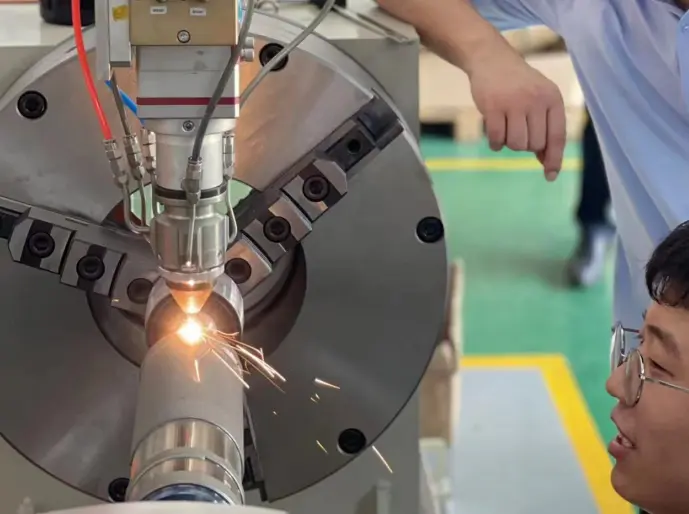
For industrial equipment operating in high-temperature or abrasive environments, choosing between PTA and Laser cladding depends on the thickness of the required layer. PTA is ideal for thick overlays (2mm-8mm) where high deposition is needed, whereas Laser cladding shines in thin, high-precision applications. At Shanghai Duomu, we provide the technical consultation to ensure you choose the right path.
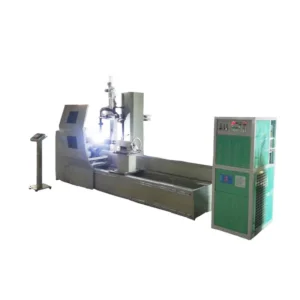
Furthermore, the real cost in Oil & Gas is not the component, but the replacement labor. By using our DYY-LC501 Hydraulic rod automatic plasma cladding machine, companies have reported a 70% reduction in maintenance frequency. This is the "Information Gain" that transforms a procurement decision into a long-term competitive advantage.
A: PTA generally has a lower equipment cost and higher deposition rate, making it more cost-effective for large-area heavy-duty coatings. Laser cladding offers higher precision and even lower heat input for delicate parts.
A: Yes, our systems like the DNC2000 are designed for full robotic integration, supporting Industry 4.0 automation standards.
A: We provide 24-hour remote technical support and have a network of partners for on-site assistance and consumable supply.
Ready to optimize your production with advanced plasma technology? Contact us for a detailed quote or technical consultation.
For inquiries about our products or pricelist, please leave your details and we will be in touch within 24 hours.
Get Started Now