
Leading-edge technology for precision industrial surfacing and remanufacturing.

As a global leader in industrial manufacturing, the China Laser Cladding Equipment Market has undergone a profound transformation. Moving beyond traditional additive processes, the industry now integrates High-Speed Laser Cladding (HSLC) and Intelligent Robotic Integration to meet the rigorous demands of Industry 4.0.
Laser cladding technology, characterized by its ability to create a metallurgical bond with minimal heat-affected zones (HAZ) and low dilution rates, has become the gold standard for high-value component repair and surface enhancement. Suppliers in China are no longer just equipment vendors; they are becoming comprehensive "Solutions Providers" that combine material science, software control, and precision optics.
The shift towards a circular economy has positioned laser cladding as a sustainable alternative to hard chrome plating, which faces increasing environmental regulation due to hexavalent chromium concerns.
Portable laser cladding units are now enabling on-site repairs for massive equipment in the nuclear and petrochemical sectors, drastically reducing downtime and logistics costs.
Modern factories are integrating real-time monitoring systems that use AI to adjust laser power and powder feed rates dynamically, ensuring zero-defect cladding layers even on complex geometries.
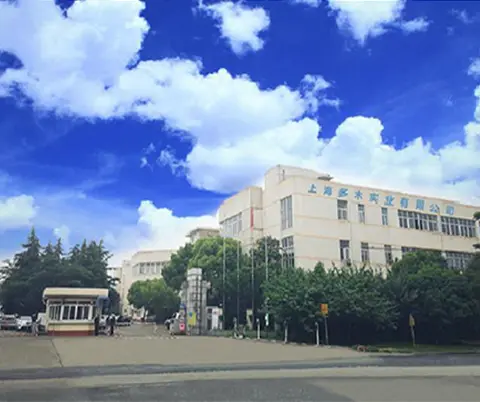
Shanghai Duomu has been a leading manufacturer and exporter of PTA cladding machines and Laser cladding machines for more than ten years. Our foundation is built on a strong technical background and an unwavering commitment to the E-E-A-T principles (Experience, Expertise, Authoritativeness, and Trustworthiness).
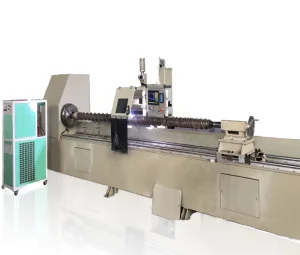
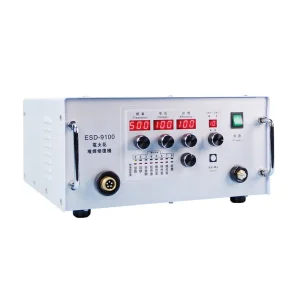
Our independent R&D team doesn't just build machines; we develop complete manufacturing ecosystems. From the welding stability of our plasma cladding equipment to the massive scalability of our laser remanufacturing projects, we provide mature technological means to solve the toughest industrial wear challenges.

Providing specialized cladding solutions for the world's most demanding environments.

Hard-facing solutions for plowshares and cutters to survive abrasive soil conditions.

Precision repair for turbine blades and high-strength alloy components with minimal thermal distortion.

Erosion and corrosion-resistant coatings for drill stabilizers and valve seats.
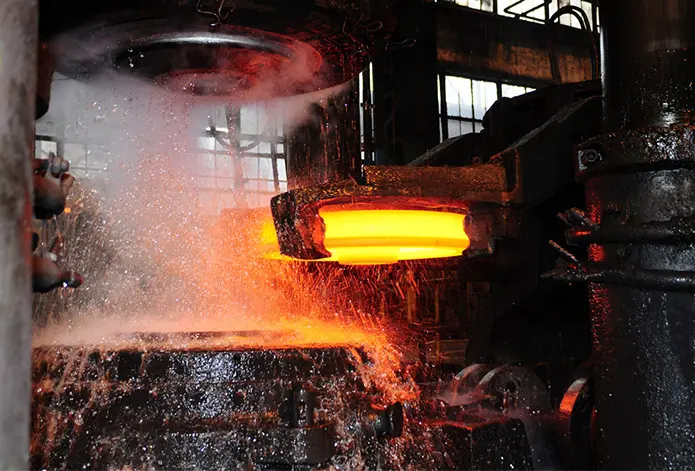
Extending the life of continuous casting rolls and high-temperature molds.
The future of the China Laser Cladding Equipment Market is defined by the convergence of material science and digital twin technology. We are currently focusing on three key pillars of development:
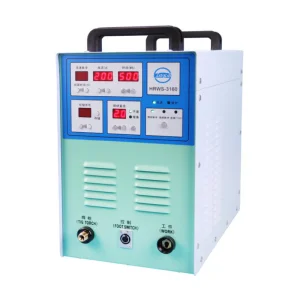
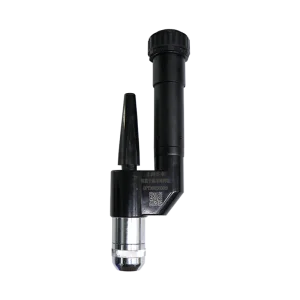
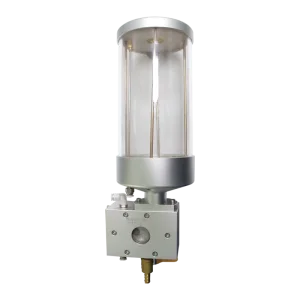
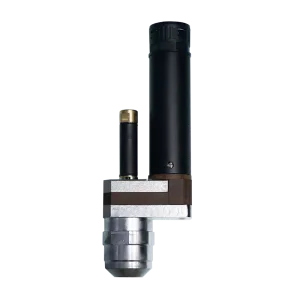
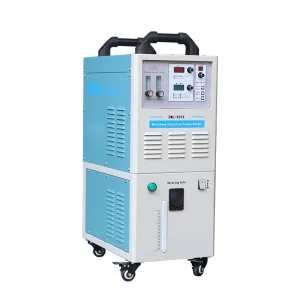
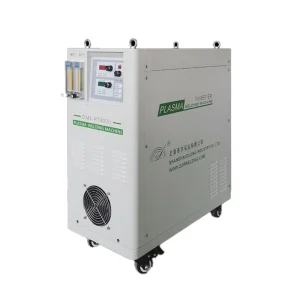
The precision of a cladding layer is only as good as its powder delivery. Our newest generation of DML-V03CD plasma powder surfacing machines utilizes pressurized gas delivery systems that ensure a constant mass flow rate within ±1%, crucial for aerospace-grade applications.
By combining different laser wavelengths (e.g., Fiber and Diode), we can optimize the absorption rate for specific materials like copper and aluminum, which were previously difficult to clad using standard infrared lasers.
In Plasma Transferred Arc (PTA) hardfacing, achieving a high-quality overlay is about optimizing the dilution rate. Our systems are engineered to maintain a dilution rate below 5% while ensuring a full metallurgical bond, preserving the pure properties of the expensive alloy powder (like Stellite or Tungsten Carbide).
For most industrial applications, such as hydraulic rod repair or valve cladding, the equipment pays for itself within 12-18 months. This is achieved by reducing the cost of replacement parts and minimizing unplanned downtime which can cost thousands of dollars per hour in sectors like Oil & Gas.
PTA (Plasma Transferred Arc) is generally more cost-effective for thicker coatings and larger areas where high deposition rates are required. Laser cladding offers a smaller heat-affected zone and higher precision, making it ideal for delicate components or when minimal distortion is mandatory.
Shanghai Duomu provides comprehensive remote diagnostic support, localized installation teams in key regions, and detailed English-language technical documentation. We also offer 24-hour response times for all inquiries to ensure global operational continuity.
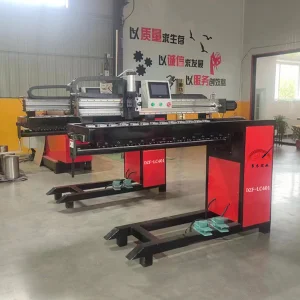
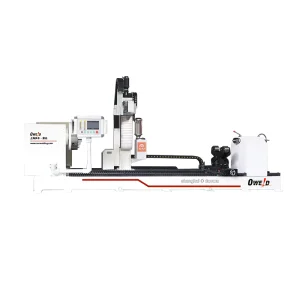
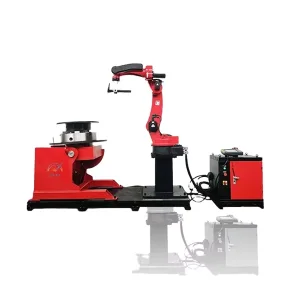
Yes, our intelligent robot cladding equipment is designed with open-protocol communication (such as OPC UA), allowing for seamless integration into smart factory dashboards and remote monitoring systems.
Get a customized solution for your specific industrial challenge.
Unit 2, No.615 Feng Deng Road, Jiading District, Shanghai, China
Ensuring all exports meet local safety and operational standards across Europe, North America, and SE Asia.