As a Tier-1 Chinese manufacturer, Shanghai Duomu adheres to strict international quality management systems including ISO 9001 and CE certification. Our equipment is designed for high-stakes environments—aerospace, nuclear power, and petrochemical—ensuring that every micron of cladding meets the structural integrity requirements of global industry leaders.
Operating from Shanghai's industrial heart, we leverage China's unparalleled manufacturing ecosystem. This allows us to provide vertically integrated solutions—from high-purity alloy powder sourcing to customized CNC robotics—shortening lead times by 30% compared to European competitors while maintaining technical parity.
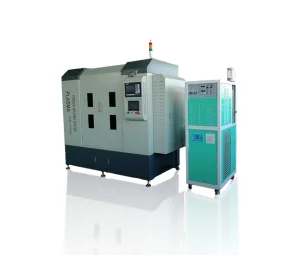
Traditional hardfacing often suffers from high dilution rates. Our advanced Plasma Transferred Arc (PTA) and Laser Cladding systems achieve a dilution rate as low as 5%, preserving the original properties of the alloy powder. This technical "Information Gain" translates to longer component lifespans and reduced maintenance overhead for our clients.
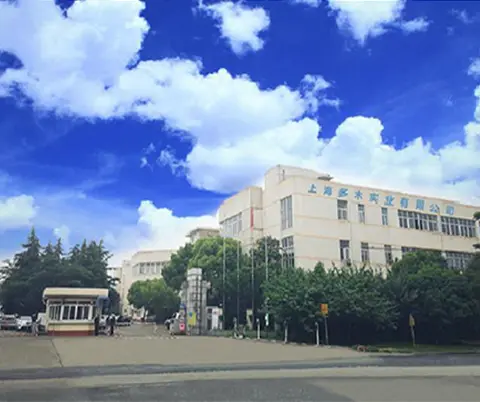
Shanghai Duomu has been a leading manufacturer and exporter of PTA cladding machine and Laser cladding machine for more than ten years with a strong technical background. Our commitment to excellence has positioned us as a reliable partner for companies worldwide seeking robust surfacing technologies.
Years Experience
Global Projects
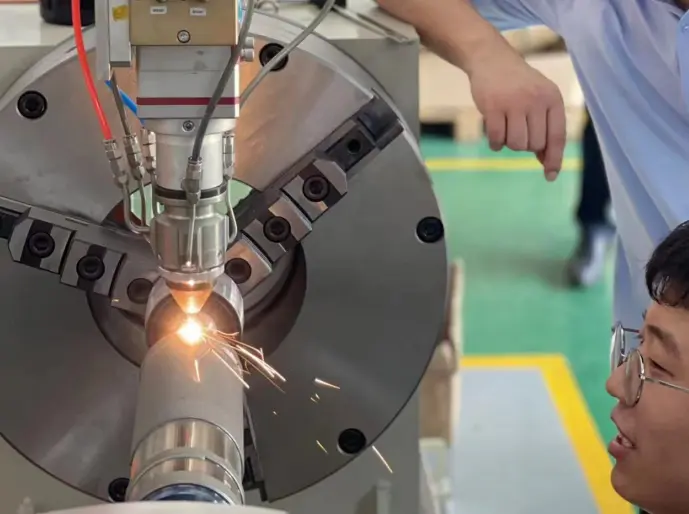
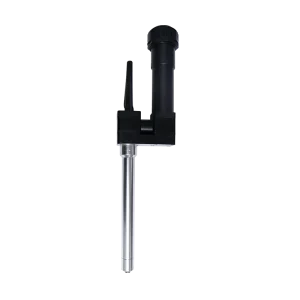
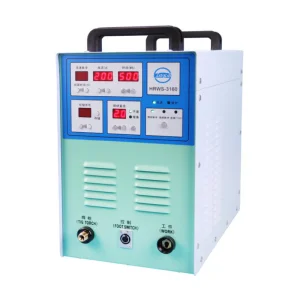
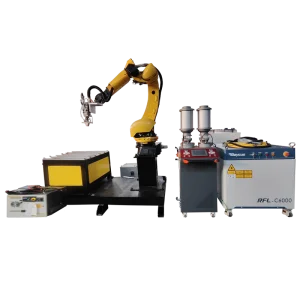
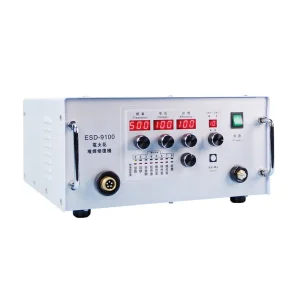
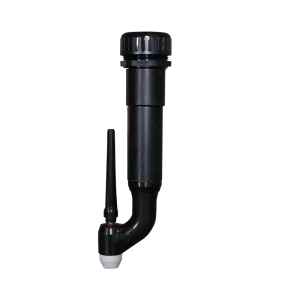
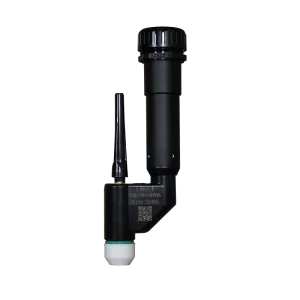
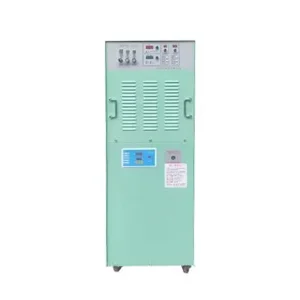
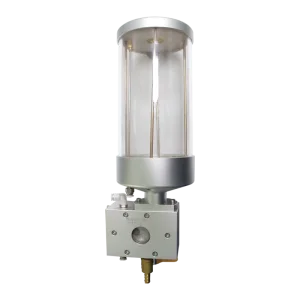
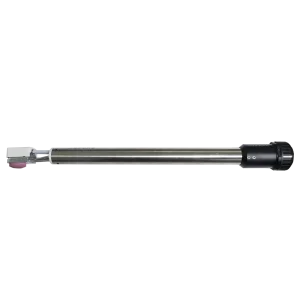
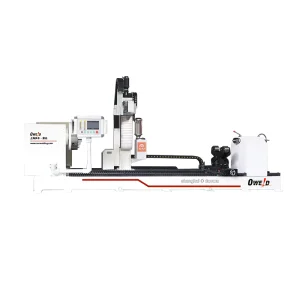
Our independent R&D team specializes in developing plasma cladding machine equipment that maintains efficient long-term operation. The welding machines we produce offer stable performance, supporting large-scale remanufacturing projects. We provide complete sets of industrial equipment solutions, from manual precision torches to intelligent robotic cells.
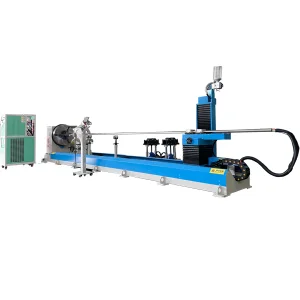
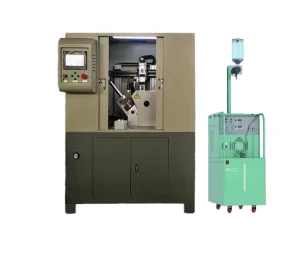
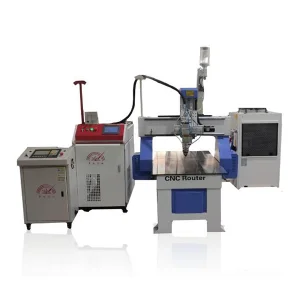
Customization Capability: We provide automatic laser cladding equipment, intelligent robot cladding, and industry-specific machines like hydraulic rod or valve cladding units tailored to specific metallurgical needs.
The shift towards circular economy and carbon neutrality is driving the demand for laser cladding as a primary tool for remanufacturing and lifecycle extension.
Reducing heat-affected zones (HAZ) is the new frontier. EHLA allows for coating speeds up to 100 times faster than conventional methods, making it viable for large-scale cylindrical repairs in the hydraulic industry.
Our latest machines feature real-time monitoring of melt pool temperature and morphology, using AI to auto-adjust parameters for 100% defect-free overlays.
Compared to traditional hard chroming, laser cladding is an environmentally friendly alternative that eliminates toxic waste while providing superior wear and corrosion resistance.

Enhancing the lifespan of plows, tillers, and harvesting blades operating in highly abrasive soil conditions.

Precision repair of turbine blades and landing gear components using high-fidelity laser cladding systems.

Cladding of drill bits, mud pump valves, and stabilizers to resist sand erosion and chemical corrosion.
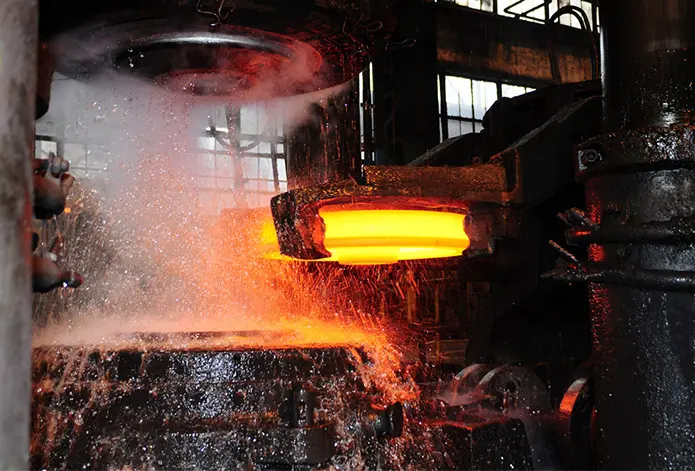
Hardfacing of rolling mill rollers and continuous casting molds to withstand extreme thermal fatigue.
Purchasing from a China-based manufacturer like Shanghai Duomu doesn't mean compromising on local service. We offer:
"In Plasma Transferred Arc (PTA) hardfacing, achieving a high-quality overlay is not only about selecting the right alloy powder or optimizing parameters. The dilution rate is critical..."
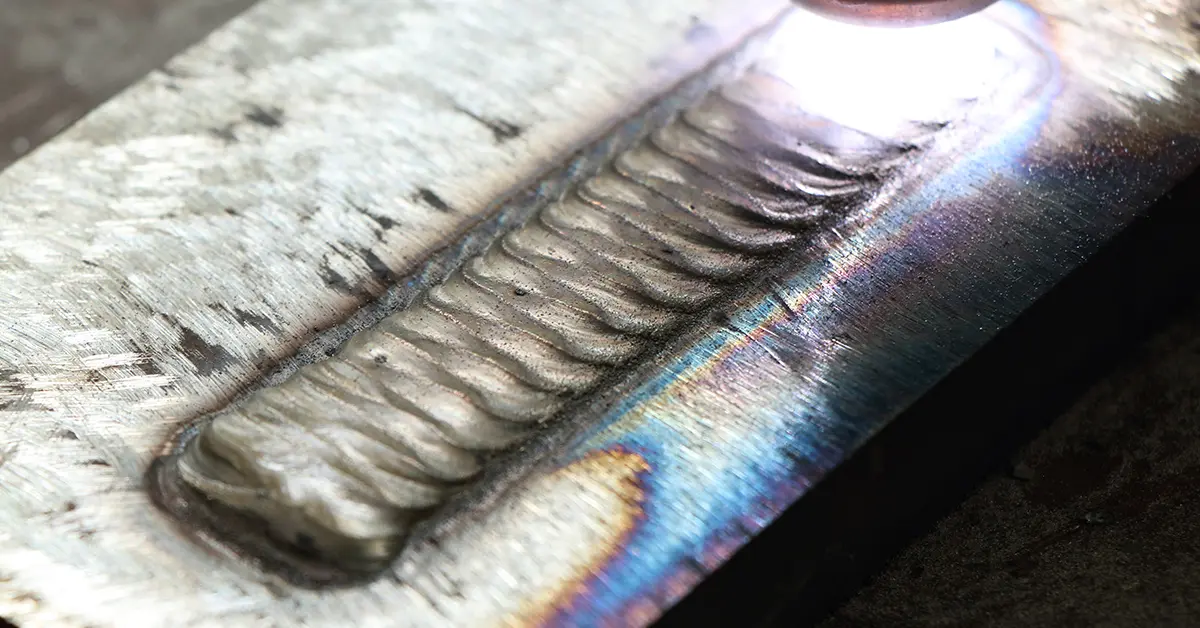
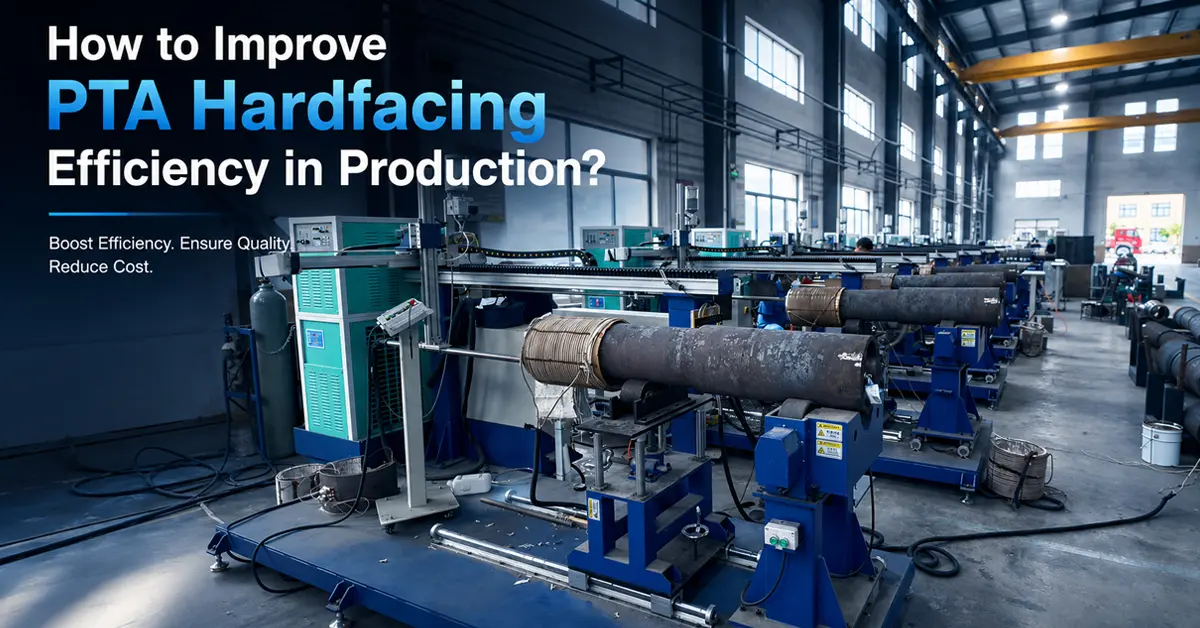
"Improving PTA hardfacing efficiency is about process stability. Real efficiency depends on the system's ability to maintain arc consistency over 24-hour shifts..."
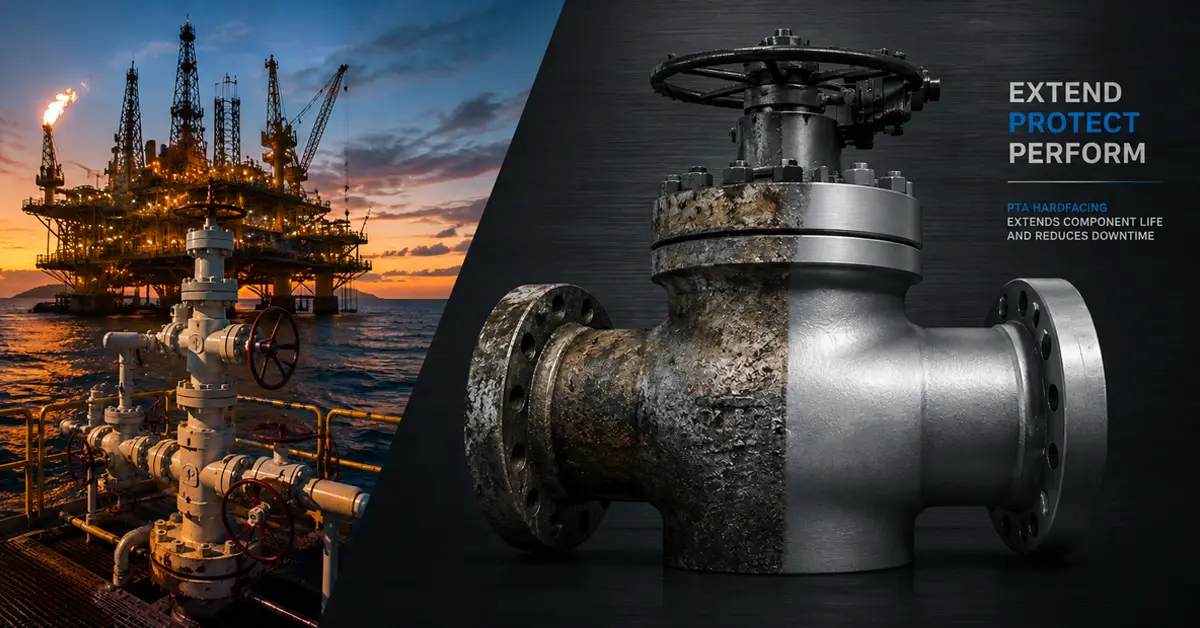
"In Oil & Gas, the real cost is downtime. When a choke valve fails, the traditional response was replacement. Laser cladding allows for rapid, on-site remanufacturing..."
PTA uses a plasma arc as the heat source and is generally more cost-effective for thicker overlays, whereas Laser Cladding uses a concentrated laser beam, providing a smaller heat-affected zone and superior precision for thin coatings.
Every machine undergoes a 72-hour continuous operation test and metallurgical analysis of the test samples before shipping. We provide a comprehensive FAT (Factory Acceptance Test) report for international buyers.
Depending on complexity, standard systems ship in 4-6 weeks, while fully integrated 6-axis robotic cladding cells typically take 10-12 weeks.
Yes, our materials science department provides specific recipes based on your base material (e.g., 4140 steel) and the intended wear environment (abrasion, impact, or corrosion).





Unit 2, No.615 Feng Deng Road, Jiading District, Shanghai, China

Subscribe to get technical whitepapers and equipment updates.