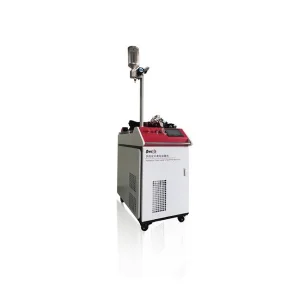
In the modern industrial landscape, the longevity and performance of critical components determine the profitability of entire operations. Traditional methods of repair and surface hardening are being rapidly superseded by Laser Clad Welding. As a premier Chinese manufacturer, we provide the metallurgical expertise and robotic precision required to meet the stringent demands of the "Industry 4.0" era.
Laser cladding, a form of Direct Energy Deposition (DED), offers a superior alternative to thermal spraying and traditional arc welding. By utilizing a high-intensity laser beam to melt both the substrate and the coating material (usually in powder or wire form), it creates a high-performance metallurgical bond with minimal dilution and a small Heat Affected Zone (HAZ).
Density
Dilution Rate
Wear Life
Cost Saving
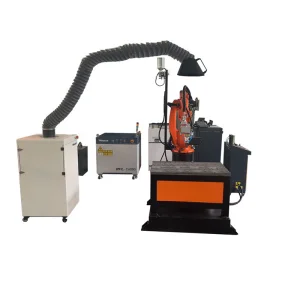
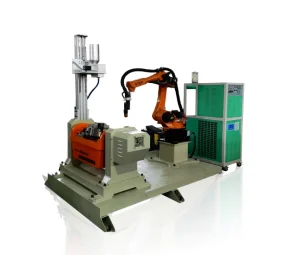
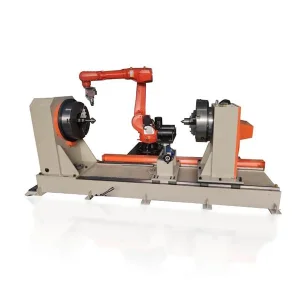
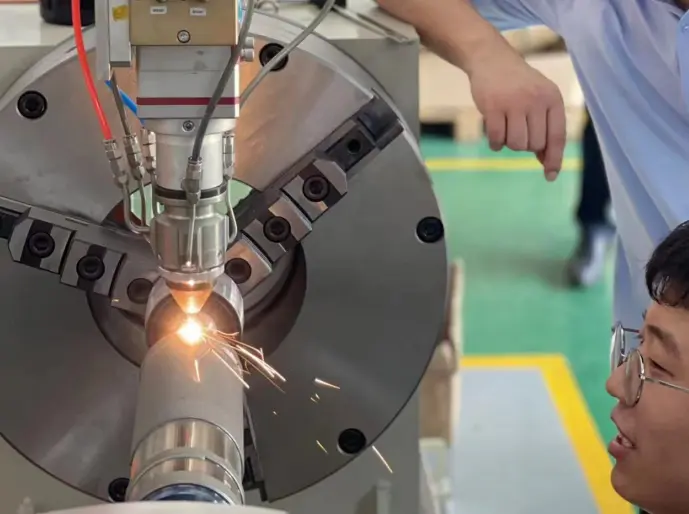
Transitioning from manual welding to AI-driven robotic systems. Our latest DH1440-B06 robots integrate 3D scanning and real-time melt pool monitoring to ensure zero-defect surfacing.
Development of specialized alloy powders including Stellite, Colmonoy, and Tungsten Carbide matrices tailored for extreme corrosive and abrasive environments.
The "Green Manufacturing" trend. Laser cladding enables the reuse of massive components (shafts, valves, turbines), reducing carbon footprints by 80% compared to new part production.
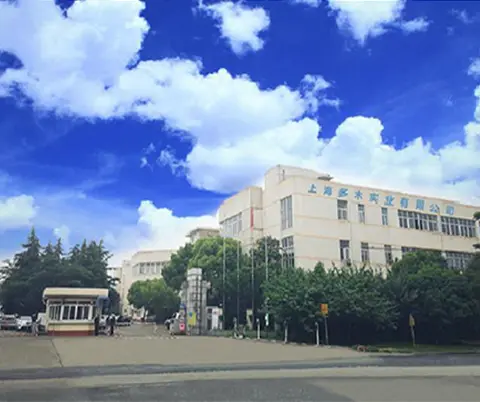
The procurement landscape is shifting toward suppliers who offer Integrated Solutions rather than just hardware. Shanghai Duomu has positioned itself at the center of this shift by offering:
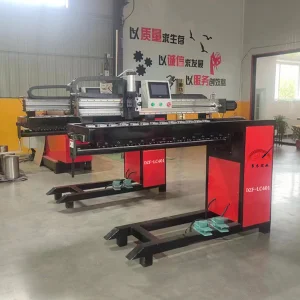
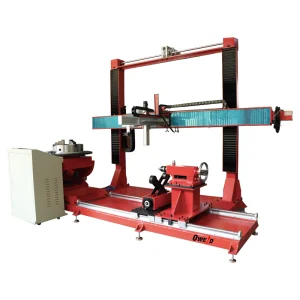
We provide complete sets of industrial equipment solutions, from independent R&D to final localized support.
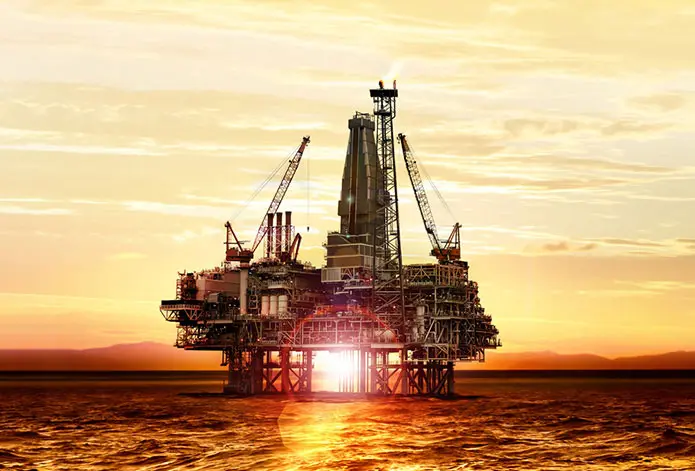
Protection of mud pump liners, drill bits, and valve seats against sand erosion and H2S corrosion. Our cladding machines extend the service life of downhole tools by 300%.

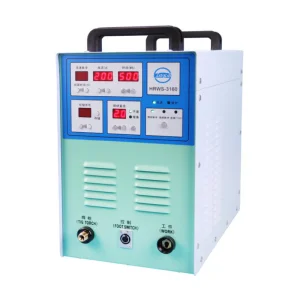
Precision repair of turbine blades and engine casings using our HRWS precision repair welding systems. Maintaining structural integrity while minimizing thermal distortion.
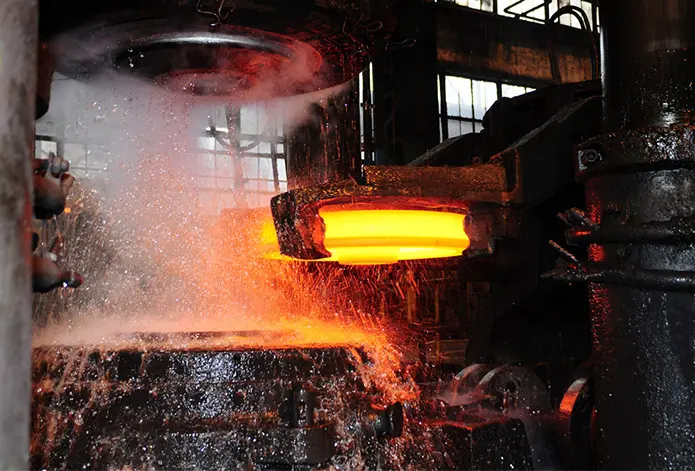
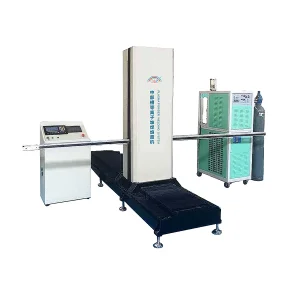
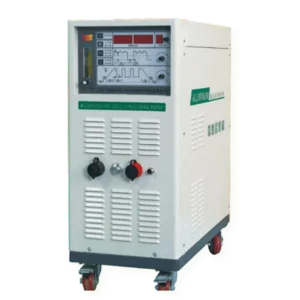
Heavy-duty surfacing for continuous casting rollers and forging dies. Our robotic plasma surfacing systems provide high-efficiency deposition for large-scale industrial wear parts.
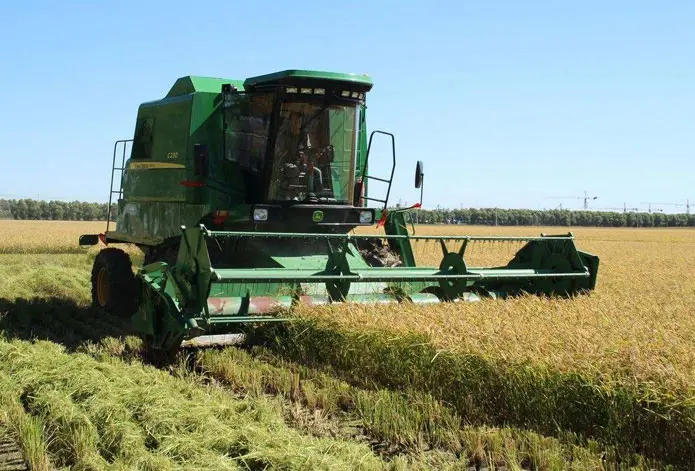
Improving the abrasive wear resistance of plowshares and harvesters. Hardfacing solutions designed for the high-impact environments of modern farming.
As a leading supplier, we don't just sell machines; we provide the Decision Matrix. While Plasma Transferred Arc (PTA) is renowned for high deposition rates and low equipment costs, Laser Cladding offers unparalleled precision.
Laser Cladding Advantages:
Our technical department, led by an independent R&D team, ensures that every equipment configuration is optimized for the client's specific alloy-substrate combination.
Power Range: 1kW - 10kW
Deposition Rate: Up to 5kg/hr (Laser) / 12kg/hr (PTA)
Cladding Thickness: 0.5mm - 5mm per pass
Material Compatibility: Ni-based, Co-based, Fe-based, WC
Shanghai Duomu provides a 24-hour touch-point guarantee. For inquiries about products or pricelists, our engineering team provides rapid-response consulting.
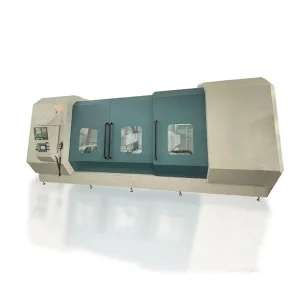
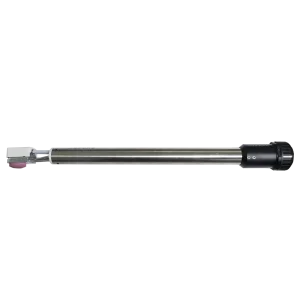
We provide customized hydraulic rod cladding machines, pick cladding machines, and valve cladding systems tailored to regional industrial standards.
Exporting to over 50 countries with comprehensive documentation for customs and safety compliance, ensuring your equipment arrives ready for operation.
Most industrial clients see a full return on investment within 12 to 18 months through reduced component replacement costs and minimized downtime. In the oil and gas sector, the "Real Cost Is Downtime," and laser cladding mitigates this significantly.
Yes, while these materials have high reflectivity and thermal conductivity, our specialized DFC-WSME550 and high-power fiber laser systems are designed to handle non-ferrous metals with appropriate parameter control.
PTA generally has a dilution rate of 5-10%, whereas Laser Cladding can achieve less than 3%. Lower dilution means the coating retains its intended chemical properties even in the first layer.
Absolutely. We provide comprehensive training packages covering hardware maintenance, software programming for robots, and metallurgical parameter optimization.