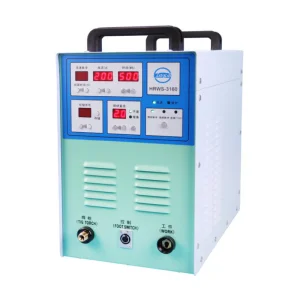
Deploying robust, multi-functional technology designed for hardfacing, surfacing, and micro-restoration across aerospace and heavy manufacturing hubs.
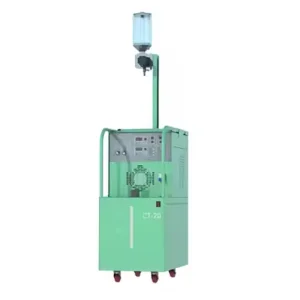
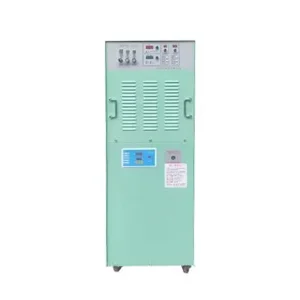
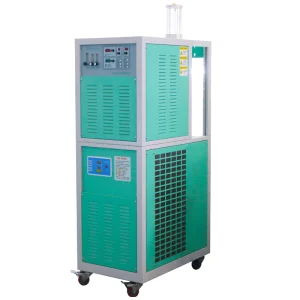
Singapore stands as one of the world's most sophisticated logistics, marine, and high-tech manufacturing hubs. Given its strategic maritime coordinates and rapid adoption of Industry 4.0 paradigms, the demand for highly reliable, wear-resistant surface treatments has scaled exponentially. Critical machinery working under harsh saltwater environments, extreme drilling temperatures, and precise semiconductor manufacturing setups require durable overlays. This is where advanced Plasma Transferred Arc (PTA) cladding and laser-assisted surface technologies become vital.
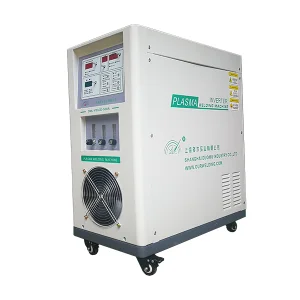
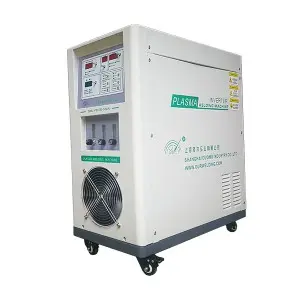
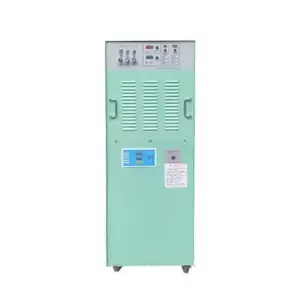
Local refineries on Jurong Island, aerospace maintenance, repair, and overhaul (MRO) facilities in Seletar Aerospace Park, and global marine developers operating in Singapore require industrial-grade power modules that deliver stable welding arcs. Fluctuations in electric power lines can cause variations in cladding penetration, which in turn spikes the dilution rate, compromising the alloy structure. Our specialized plasma power supplies are engineered to provide unmatched arc consistency and micro-processor controlled feed rates, maintaining cladding integrity under tropical, high-humidity manufacturing conditions.
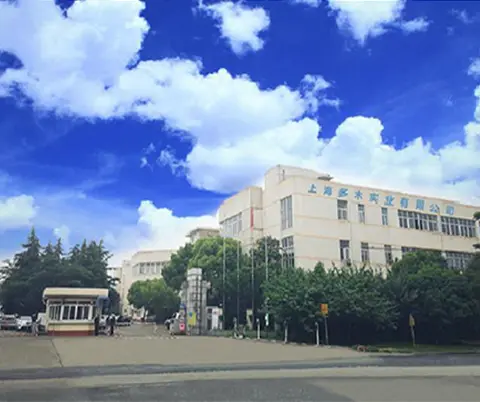
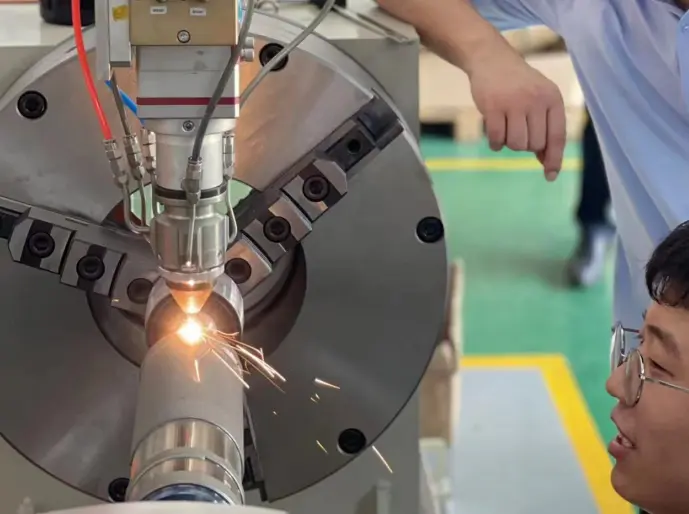
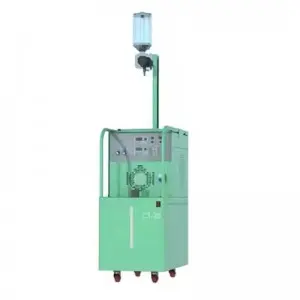
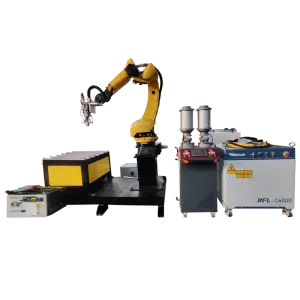
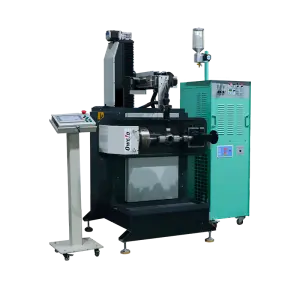
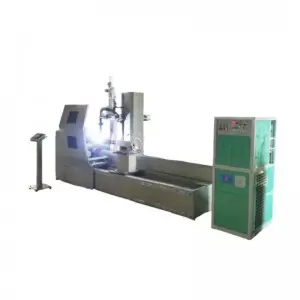
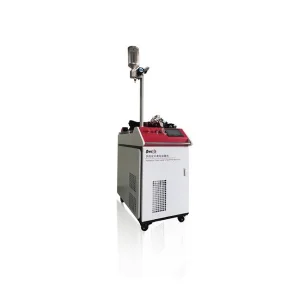
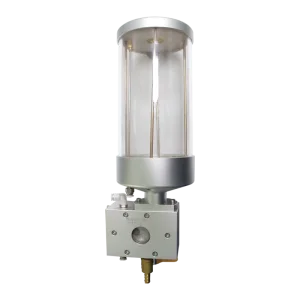
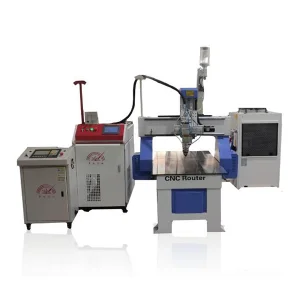
For more than ten years, Shanghai Duomu has acted as a premier manufacturer and exporter of PTA cladding machinery and Laser cladding integration suites. Supported by an independent research and development department, our operations are dedicated to advancing surface engineering technologies. We build and supply robust plasma power units, integrated powder feeders, and fully automated robotic systems engineered to handle continuous production cycles.
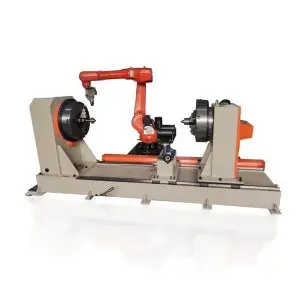
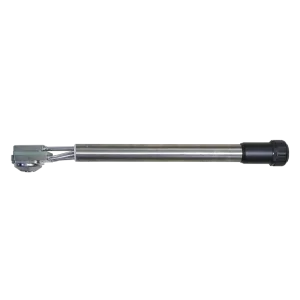
Our technical background enables us to deliver complete, automated industrial equipment solutions. Whether you operate a custom repair workshop in Tuas or a massive turbine refurbishing line, our technologies are scaled to lower dilution rates, prevent substrate distortion, and boost structural lifecycle metrics. We prioritize custom configuration, building tailor-made cladding gantries, multi-axis robotic tables, and specialized bore welding torches to solve complex material wear challenges.
Integrating plasma cladding technology within high-stakes industrial systems globally to combat extreme operational wear and environmental corrosion.
Refurbishing hot-section turbine components, turbine blade tips, and seal rings using premium nickel-based superalloys (such as Inconel 718) and cobalt-based hardfacing. Our high-precision plasma power supplies assure minimal Heat Affected Zone (HAZ) and distortion, ensuring aircraft safety and compliance with international MRO standards.
Components such as mud pumps, drill stabilizers, ball valves, and valve seats undergo severe abrasion and corrosion. Applying tungsten carbide matrix overlays using PTA cladding systems provides an impenetrable barrier against sand erosion and acidic crude oils, saving operations millions in unscheduled downtime.
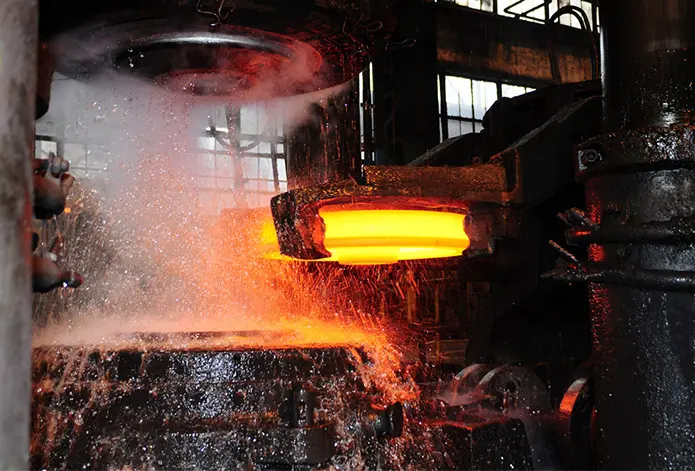
Forging dies, rolling mill guides, extruders, and concrete screws require robust wear protection. Automated cladding systems optimize the deposition of tool steels and cobalt alloys, extending tool life by up to 300% and maintaining vital geometries under cyclic thermo-mechanical stress.
From heavy agriculture to military aerospace, our systems deposit high-performance overlays that optimize component life cycles.
In Plasma Transferred Arc (PTA) hardfacing, control over the dilution rate is paramount. Dilution measures how much elements from the base metal migrate into the deposited alloy layer. High dilution compromises the wear and corrosion characteristics of expensive hardfacing powders. Our digital plasma power supplies feature highly calibrated pilot-arc parameters and precise cooling adjustments, ensuring a strong metallurgical bond while keeping dilution rates under 5% to maintain the overlay's metallurgical properties.
Our core R&D is focused on high-precision electronic arc control, automated powder transport, and AI-assisted cladding feedback loops.
Utilizing high-frequency IGBT inverter units to stabilize currents down to ±0.5A. This constant current capability is vital when cladding miniature industrial components or executing delicate edge cladding on turbine components.
Digital gas mass-flow controllers manage the shielding, plasma, and carrier gases independently. Constant pressure values eliminate powder sputtering, yielding clean, pore-free, and uniform weld tracks.
Full integration capability with industrial robotic arms (including ABB, KUKA, Fanuc) via EtherNet/IP, Profinet, or Modbus protocol, turning basic manual welding setups into full-scale robotic workcells.
Explore our specialized industrial catalog, tailored to meet the demanding parameters of modern production lines.
Aligning high-power welding and robotic units with Singapore's industrial safety codes and compliance pathways.
Operating in Singapore requires adherence to stringent environmental regulations and safety policies. This includes compliance with the Workplace Safety and Health (WSH) Act and meeting specific electrical standards such as those set by the Energy Market Authority (EMA). Our plasma power supplies are manufactured in alignment with CE directives, ISO 9001 quality metrics, and appropriate safety structures. They are configured to prevent electromagnetic interference (EMI) on adjacent electronics and precision instrumentation.
Additionally, we guarantee rapid service support for our clients in industrial districts like Tuas, Jurong East, and Woodlands. Through virtual diagnostic portals, we provide direct calibration assistance and parameter optimization for your cladding projects. We supply wear-resistant spare parts, specialized nozzle sizes, gas cups, and precision powder-feeding accessories directly, preventing downtime and maintaining production consistency.
Integrating components to establish complete industrial cladding, repair, and surface protection platforms.
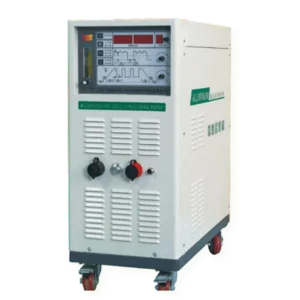
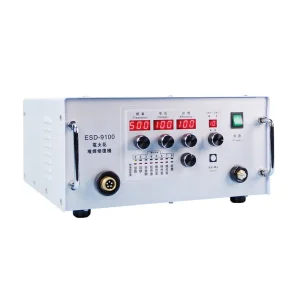
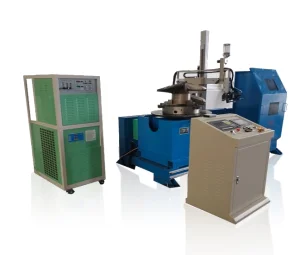
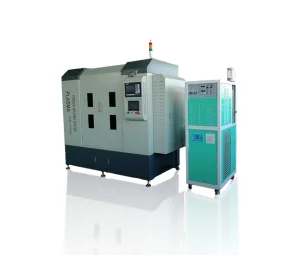
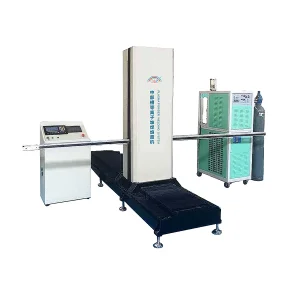
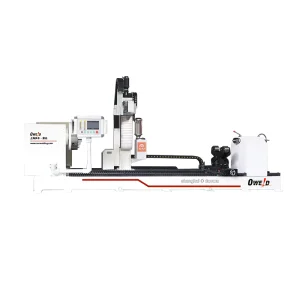
Hear from international production teams and MRO facilities utilizing our integrated cladding systems.
"In Plasma Transferred Arc (PTA) hardfacing, achieving a high-quality overlay is not only about selecting the right alloy powder or optimizing welding parameters. One of the most critical factors that directly affects overlay performance is the dilution rate. Shanghai Duomu's equipment gave us absolute control."
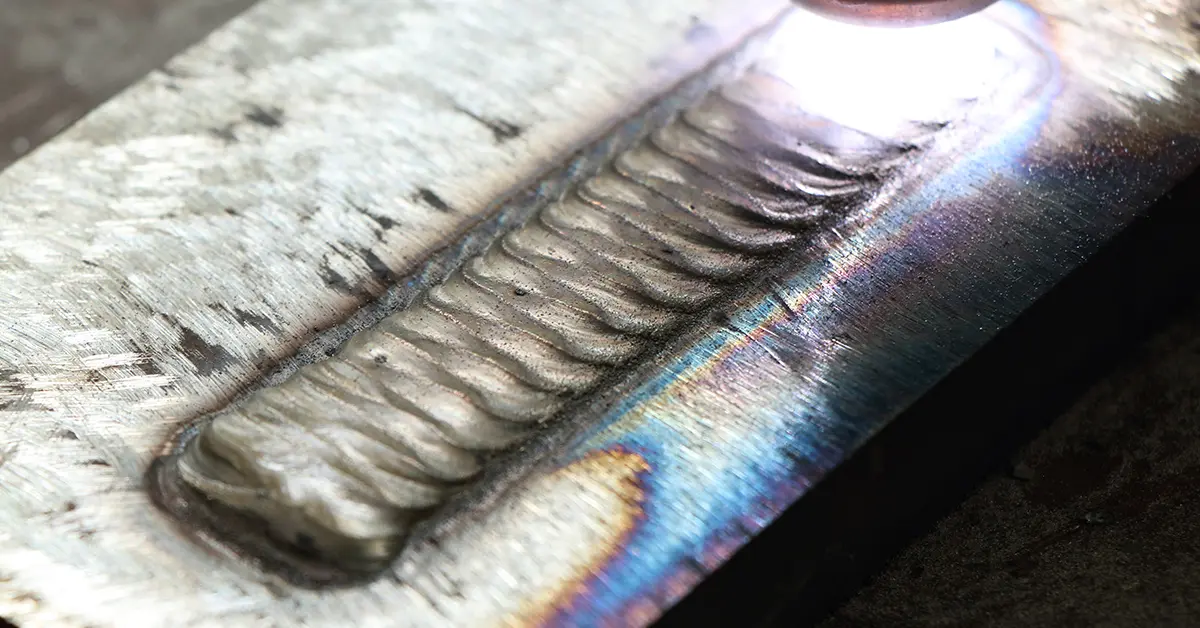
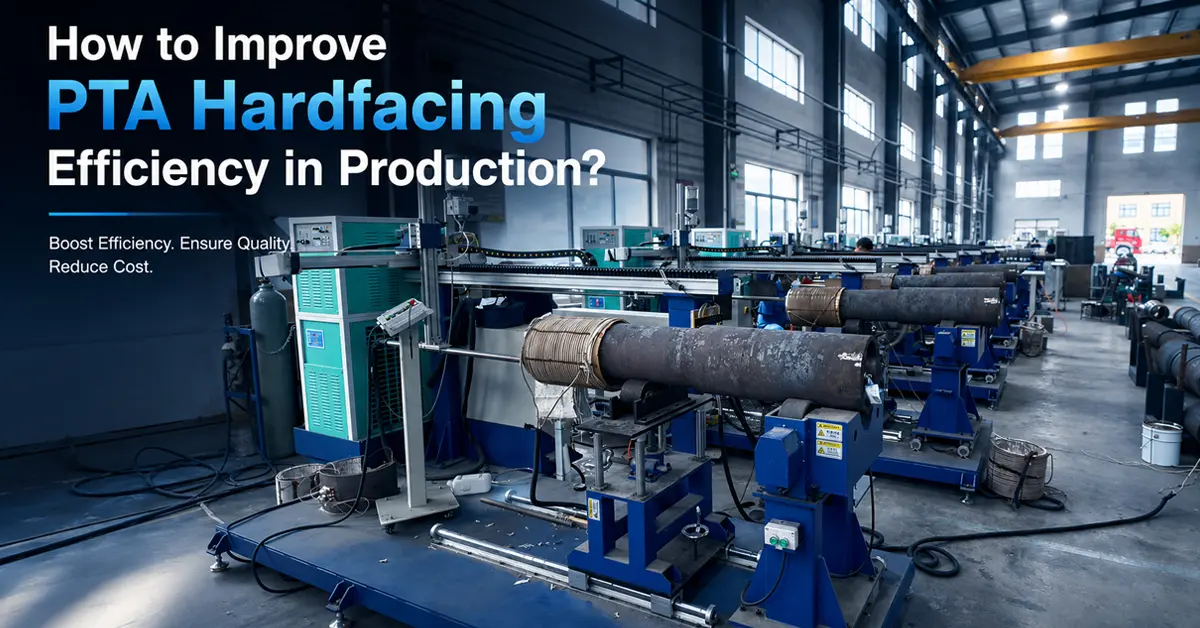
"Improving PTA hardfacing efficiency is not simply about increasing welding speed or depositing more alloy within a shorter time. In industrial production, the real efficiency of a Plasma Transferred Arc (PTA) hardfacing process depends on the consistency of the power supply unit. We have seen zero arc-drift since deploying the DML-V03CD."
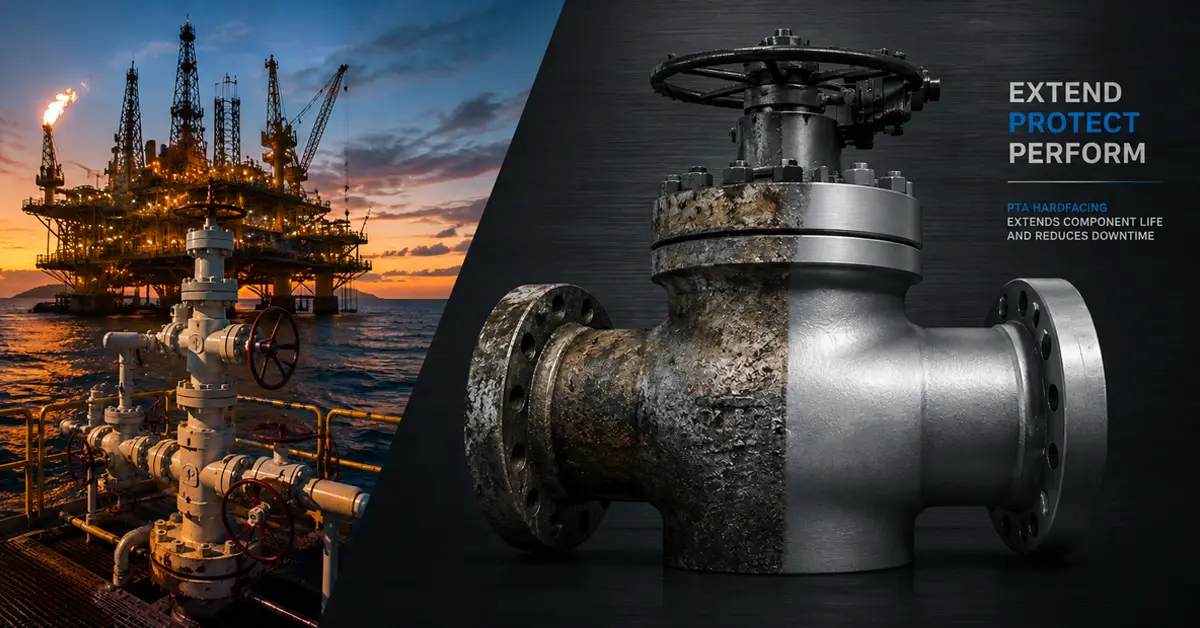
"In Oil & Gas, the Real Cost Is Downtime—Not the Component. When a choke valve fails due to sand erosion, a mud pump valve seat wears beyond tolerance, or a drill stabilizer reaches the end of its service life, the traditional response was replacing it. Duomu's PTA cladding extended our lifecycle by 3x."
Our equipment is integrated worldwide across major automotive, energy, and metallurgical processing operations.







Expert insights on deposition efficiency, thermal inputs, and choosing the right power supplies for complex cladding tasks.
PTA (Plasma Transferred Arc) cladding uses a constricted plasma arc to melt both the substrate surface and the metal powder feed, creating a highly reliable metallurgical bond with a slightly higher thermal input. Laser Cladding uses a focused laser beam, resulting in a narrower Heat Affected Zone (HAZ), lower overall distortion, and extremely low dilution rates (down to 1-2%). PTA is highly economical for heavy-duty, thick-layer hardfacing, while Laser Cladding is ideal for high-precision components and thinner layers.
Dilution refers to the blending of the base metal into the clad overlay. If the welding current fluctuations occur, the heat intensity varies, leading to uneven penetration. A highly regulated plasma power supply ensures consistent current delivery (down to ±0.5A deviation), which prevents excessive melting of the substrate, keeping the dilution rate below the target 5% threshold.
Yes, our systems are optimized to deposit cobalt-based alloys (Stellite), nickel-based alloys (Inconel 625), iron-based alloys, and composite materials like Tungsten Carbide (WC-Co) matrices. The powder feeders are engineered with specialized heating and anti-clogging mechanisms to handle dense and spherical metal powders without disruption.
Absolutely. Our power supplies and automated cladding systems include modern communication protocols (Modbus, Profinet, EtherNet/IP). This allows industrial robots to dynamically control parameters like welding speed, voltage, powder feed rate, and gas flow rates from a central CNC panel.
High relative humidity can lead to internal condensation within industrial power supplies, potentially causing electrical faults. Our export-oriented power units feature conformal-coated circuit boards, tropicalized insulation protection, and optimized fan-forced cooling cycles to operate reliably in tropical environments without degradation.