The global manufacturing landscape is undergoing a radical shift from manual welding to automated additive surfacing. While traditional Tungsten Inert Gas (TIG) processes have been the backbone of precision welding for decades, the industry is rapidly transitioning toward Plasma Transferred Arc (PTA) and Laser Cladding for heavy-duty industrial applications.
In high-stakes sectors like aerospace and nuclear power, the demand for low dilution rates and superior metallurgical bonds has pushed manufacturers to adopt integrated robotic systems. Shanghai Duomu, with over a decade of technical heritage, stands at the forefront of this evolution, bridging the gap between traditional craftsmanship and Industry 4.0 automation.
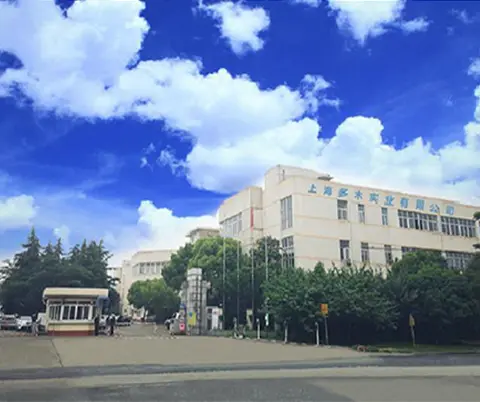
To provide true Information Gain for industrial buyers, one must understand the critical variables in cladding performance. The "TIG Process" in a modern factory context is no longer just about joining metals; it's about functional surfacing.
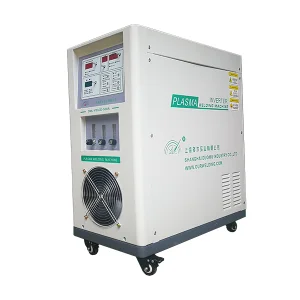
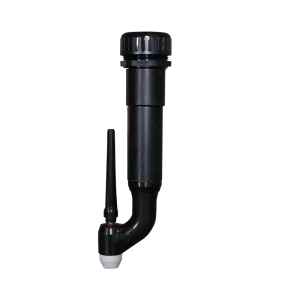
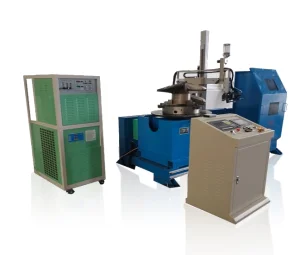
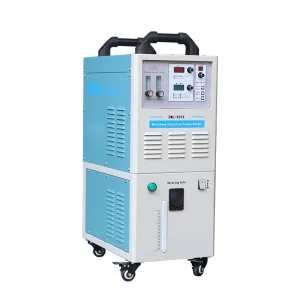
In PTA hardfacing, the dilution rate (the percentage of base metal mixed into the overlay) determines the final hardness. Our DML-V series machines achieve dilution rates as low as 5%, ensuring the expensive alloy powder retains 100% of its wear-resistant properties.
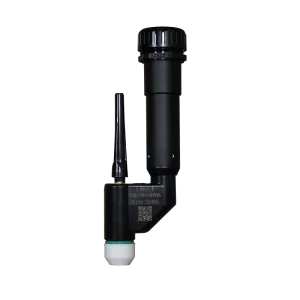
Unlike traditional TIG which can cause significant Thermal Distortion, our Plasma and Laser systems use concentrated energy streams. This minimizes the Heat Affected Zone (HAZ), crucial for maintaining the structural integrity of precision components like turbine blades.
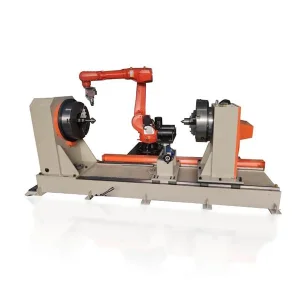
Modern factories are moving away from linear cladding. We integrate 6-axis robots with our power sources to handle complex geometries—essential for the "High-Quality" certification required in military and aerospace applications.
Real-time data feedback from the powder feeder and arc voltage control allows for a "Self-Healing" welding process, where the machine adjusts parameters mid-weld to compensate for surface irregularities.

Hardfacing solutions for plowshares and harvesters to extend service life by 300% in abrasive soil conditions.

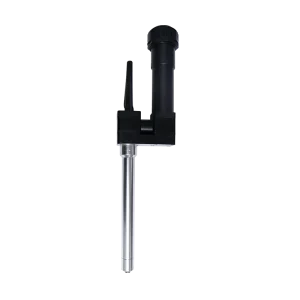
Precision micro-plasma welding for aero-engine components, meeting stringent NADCAP quality standards.
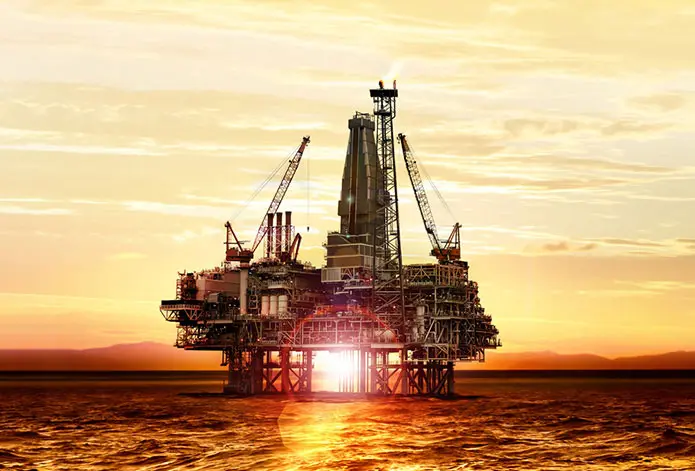
Internal bore cladding for valve seats and mud pumps to resist hydrogen sulfide corrosion and sand erosion.
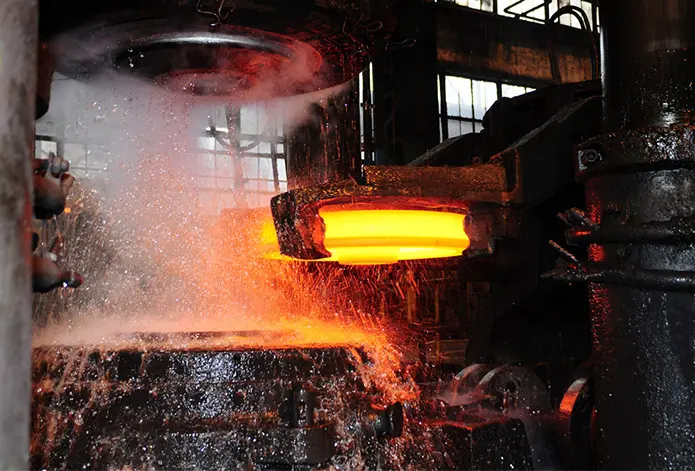
Large-scale remanufacturing systems for continuous casting rollers and heavy-duty forging dies.
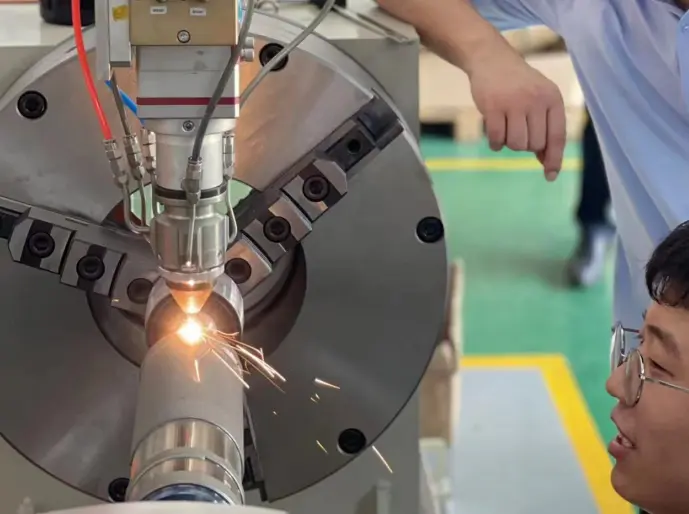
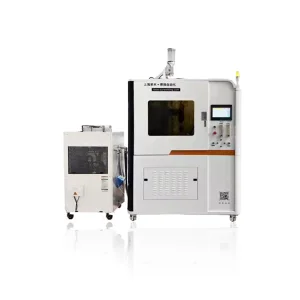
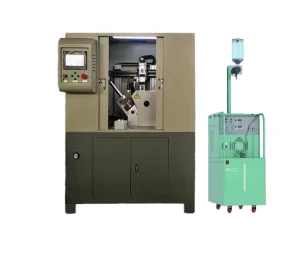
Our independent R&D team doesn't just build machines; we develop welding ecosystems. Whether it's the DJC-LC305 automatic laser cladding system for coal mine picks or the FB-200P automatic plasma valve welder, we focus on stability and long-term ROI.
In North America and Europe, the "Right to Repair" movement is driving a surge in remanufacturing. Our systems allow local factories to restore worn parts to "better than new" status, reducing supply chain dependency.
We are integrating AI vision systems that scan a worn component and automatically generate the cladding path, removing the need for manual programming by highly skilled welders.
PTA and Laser processes are significantly more energy-efficient than traditional submerged arc welding, aligning with global carbon reduction targets for the 2030 industrial roadmap.
While TIG uses a non-consumable tungsten electrode and separate filler, PTA (Plasma Transferred Arc) uses a constricted arc to melt powder. PTA offers higher deposition rates, better control over dilution, and higher precision for hardfacing.
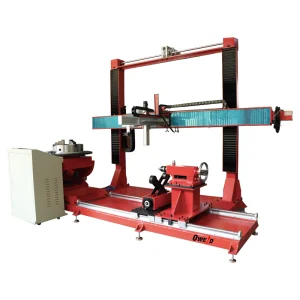
Yes, our DLM-LC501 Double column gantry systems are designed specifically for large-scale industrial components, providing high-load capacity and stable movement over long distances.
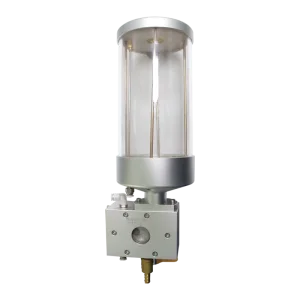
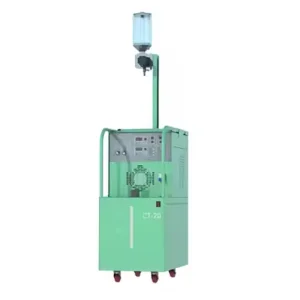
Our feeders are compatible with a wide range of spherical and non-spherical powders, including Nickel-based alloys, Cobalt-based alloys (Stellite), and iron-based powders with carbide reinforcements.
Absolutely. We provide comprehensive technical documentation, video training, and onsite commissioning services to ensure your team can operate the equipment at peak efficiency.
Unit 2, No.615 Feng Deng Road, Jiading District, Shanghai, China