


Introduction: The Evolution of Plasmaschweißen in Modern Industry
Plasma welding, or Plasmaschweißen, represents the pinnacle of arc welding technology. By utilizing a constricted arc through a fine-bore copper nozzle, the process achieves energy densities that far surpass traditional TIG (WIG) welding. As global manufacturing pivots toward Industry 4.0, understanding the Vor- Und Nachteile (pros and cons) of this technology is essential for procurement officers and engineering leads.
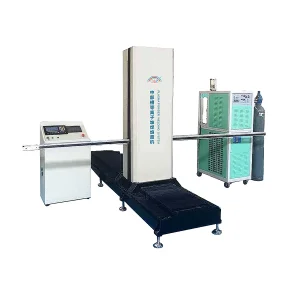
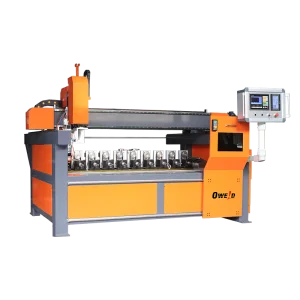
At Shanghai Duomu, we have spent over a decade refining Plasma Transferred Arc (PTA) and Laser Cladding systems, providing "Information Gain" to our partners by bridging the gap between theoretical physics and workshop floor reality.
Detailed Analysis: Plasmaschweißen Vor- Und Nachteile
📈Advantages (Vorteile)
- High Energy Density: The constricted arc allows for deeper penetration and higher welding speeds compared to GTAW.
- Minimal Thermal Distortion: Due to the focused heat source, the Heat Affected Zone (HAZ) is significantly reduced, preserving the base metal's integrity.
- Arc Stability: The plasma arc is less sensitive to variations in torch-to-work distance, ensuring consistent weld quality.
- Keyhole Capability: Enables single-pass welding of thick plates (up to 10mm) without complex joint preparation.
⚠️Disadvantages (Nachteile)
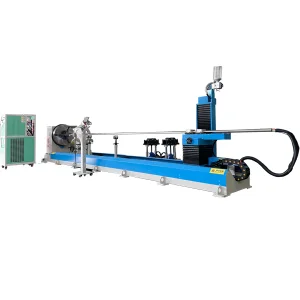
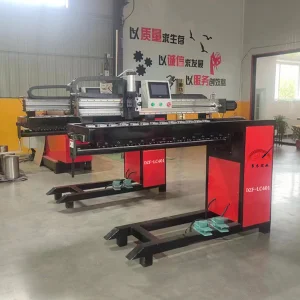
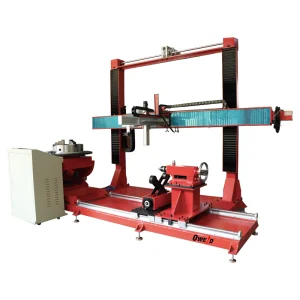
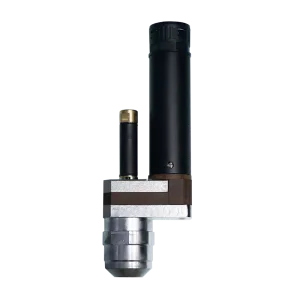
- Equipment Complexity: PTA systems require specialized power sources, cooling units, and precise gas control.
- Higher Initial Investment: Compared to standard MIG/TIG setups, the capital expenditure for a high-quality plasma system is higher.
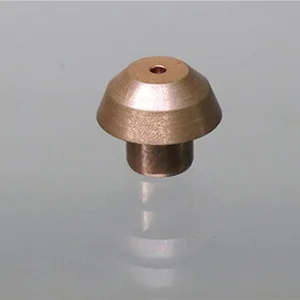
- Consumable Wear: The orifice nozzle and tungsten electrode require frequent monitoring due to the extreme heat concentration.
- Technical Expertise: Operators require higher levels of training to master parameters like plasma gas flow and arc constriction.