In the current global industrial landscape, the oil and gas sector faces unprecedented challenges. Extraction environments are moving toward "High Pressure, High Temperature" (HPHT) and deep-water frontiers. In these zones, traditional material science reaches its limits. Laser Cladding technology has emerged not merely as a repair tool, but as a critical strategic asset in life-cycle management.
Global demand for high-performance drilling tool protection is projected to grow by 8.5% CAGR through 2030. Industry leaders are pivoting from "replacement-based" maintenance to "remanufacturing-based" sustainability. This shift is driven by the need to reduce carbon footprints and the rising cost of high-alloy base metals. Our laser cladding solutions provide a metallurgical bond that is significantly superior to thermal spraying, offering a dilution rate of less than 5% and extreme wear resistance.
Hardfacing of drill stabilizers, mud motor rotors, and PDC bit bodies. Our equipment ensures Tungsten Carbide (WC) particles are evenly distributed without melting, maximizing abrasion resistance in sandy formations.
Enhancing the durability of plowshares, harvesting blades, and crushing hammers. In local farming economies, this technology extends tool life by 4-5 times in abrasive soil conditions.
Precision repair of turbine blades and engine components. High-energy density laser beams minimize the Heat Affected Zone (HAZ), preserving the structural integrity of expensive superalloys.
Cladding of hydraulic roof supports and conveyor screws. Our systems provide a corrosion-resistant layer that withstands the acidic and humid environments of underground mines.
Restoration of hot forging dies and rolling mill rolls. Using cobalt-based alloys, we provide thermal fatigue resistance that prevents premature cracking at extreme temperatures.
Protection of hydraulic rods for dam gates and heavy machinery. Laser cladding replaces traditional chrome plating, offering better impact resistance and being environmentally friendly.
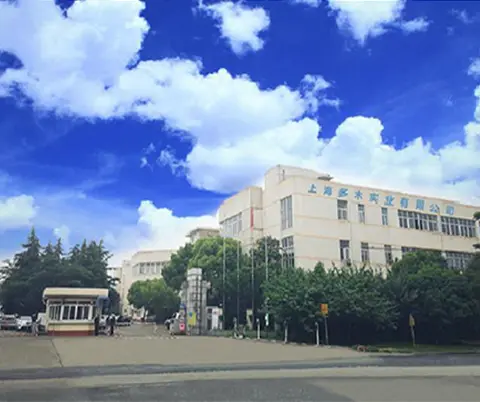
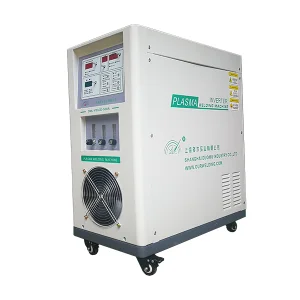
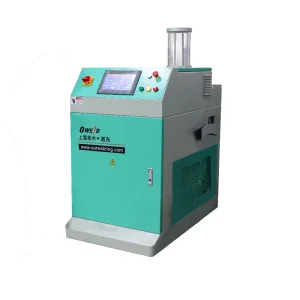
Shanghai Duomu has been a leading manufacturer and exporter of PTA cladding machine and Laser cladding machine for more than ten years with a strong technical background. Our independent R&D team develops, produces, and sells plasma cladding machine equipment with stable performance for efficient long-term operation.
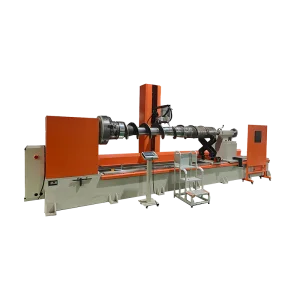
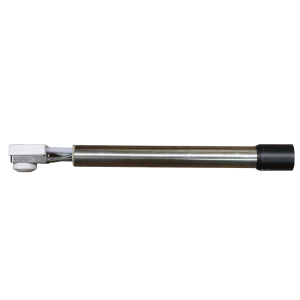
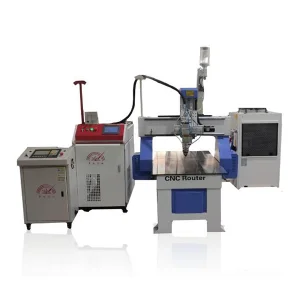
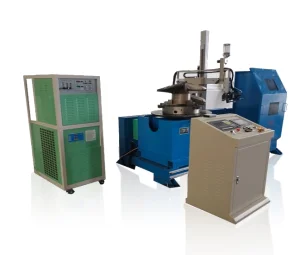
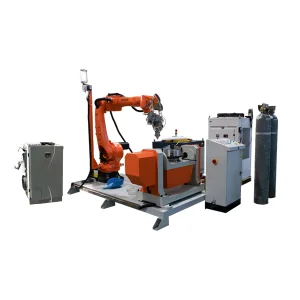
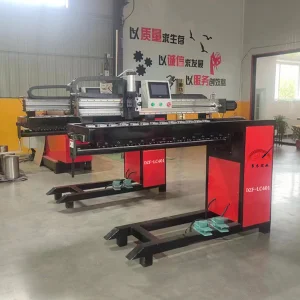
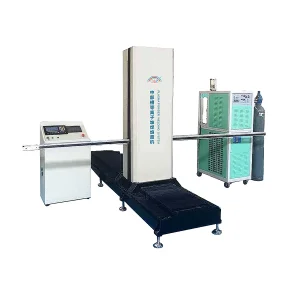
Our laser cladding equipment effectively supports large-scale remanufacturing projects. We have mature technological means to provide complete sets of industrial equipment solutions, including special equipment like hydraulic rod cladding machines, pick cladding machines, and valve cladding machines.
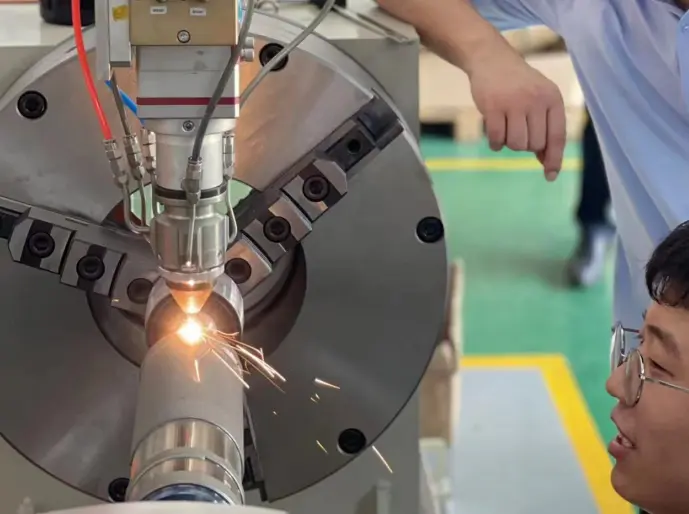 Technical Department Expertise: Mature technological means for industrial equipment solutions and independent R&D capability.
As a premier Chinese manufacturer, we leverage the world's most robust industrial ecosystem to provide our global clients with a unique competitive advantage. Our factory in Shanghai integrates the entire value chain—from source software development and numerical control system design to high-precision hardware assembly.
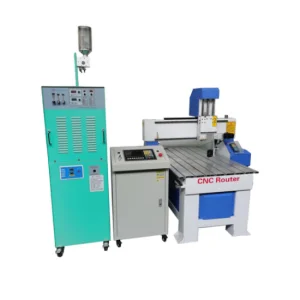
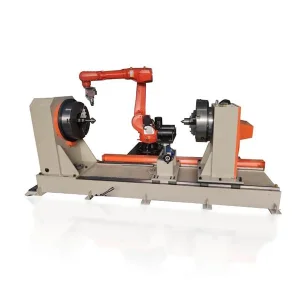
We can transition from customer requirements to a full-scale customized cladding system (e.g., Gantry or Robot-integrated) in 40% less time than European competitors.
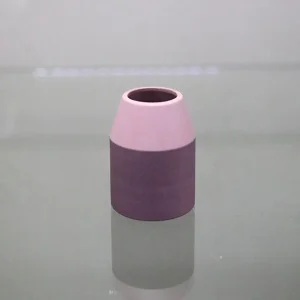
By optimizing the internal supply of plasma torches and laser heads, we pass on a 30-50% TCO (Total Cost of Ownership) saving to our end users without compromising on micron-level precision.
Integration of AI-driven melt pool monitoring systems that automatically adjust laser power and powder feed speed to ensure zero-defect cladding layers.
Combining 5-axis CNC machining with high-speed laser cladding (EHLA) to achieve surface finishing and additive growth in a single setup.
Development of portable, ultra-low energy laser systems for on-site repair in remote offshore oil rigs, drastically reducing logistical carbon emissions.
Laser Cladding uses a high-density laser beam as a heat source, resulting in a smaller Heat Affected Zone (HAZ) and lower dilution (1-5%), making it ideal for high-precision components. PTA uses a plasma arc, which is more cost-effective for thick, heavy-duty layers on larger components where a slightly higher dilution (5-10%) is acceptable.
Yes. Our numerical control systems and robotic cladding units are designed with open-architecture PLC protocols, allowing seamless integration with existing factory automation and MES (Manufacturing Execution Systems).
Absolutely. We offer comprehensive remote diagnostic support 24/7 and can dispatch engineering teams for on-site installation, commissioning, and staff training to ensure your team achieves API-standard results.
Our systems are compatible with a wide range of alloy powders, including Nickel-based, Cobalt-based (Stellite), Iron-based, and Tungsten Carbide composites, tailored to specific wear or corrosion requirements.
Get a customized quote or technical consultation for your specific industrial challenges.