The global shipbuilding industry is undergoing a paradigm shift towards "Green Shipping" and "Zero-Emission Vessels." In this context, Laser Cladding has emerged not just as a repair technique, but as a critical manufacturing standard for enhancing the longevity of marine components. Harsh maritime environments—characterized by high salinity, extreme pressure, and constant mechanical friction—demand materials that exceed standard alloy capabilities.
Propellers and rudder systems suffer from relentless cavitation erosion. Our laser cladding systems apply cobalt-based or nickel-based superalloys with metallurgical bonding, reducing downtime by up to 60% compared to traditional thermal spraying.
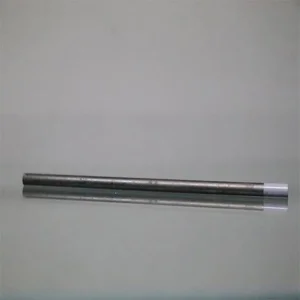
Instead of scrapping worn crankshafts, cylinder liners, or piston rods, our technology allows for high-precision additive restoration, returning components to OEM specifications with improved surface hardness.
By extending the "Time Between Overhauls" (TBO), we contribute to the maritime industry's decarbonization goals, reducing the carbon footprint associated with the smelting and manufacturing of new large-scale steel components.
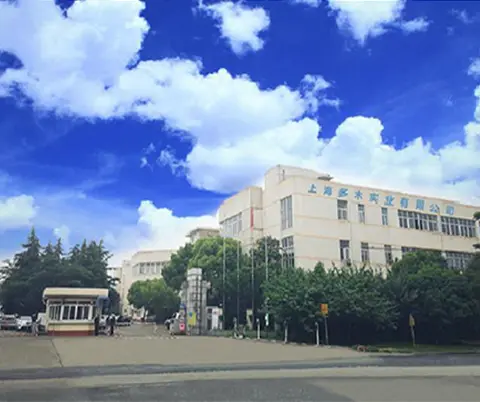
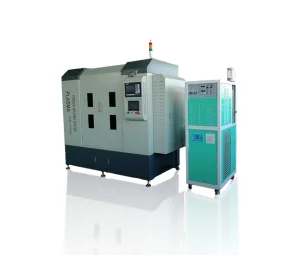
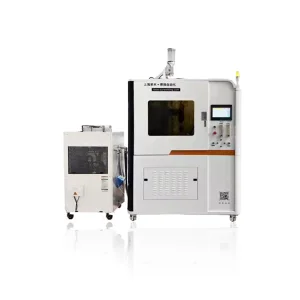
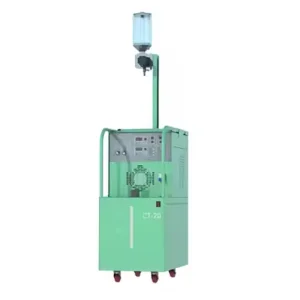
Shanghai Duomu has been a leading manufacturer and exporter of PTA cladding machine and Laser cladding machine for more than ten years with a strong technical background. Our penetration into aerospace, nuclear power, and petrochemical industries has equipped us with the rigor required for the stringent standards of the shipbuilding sector.
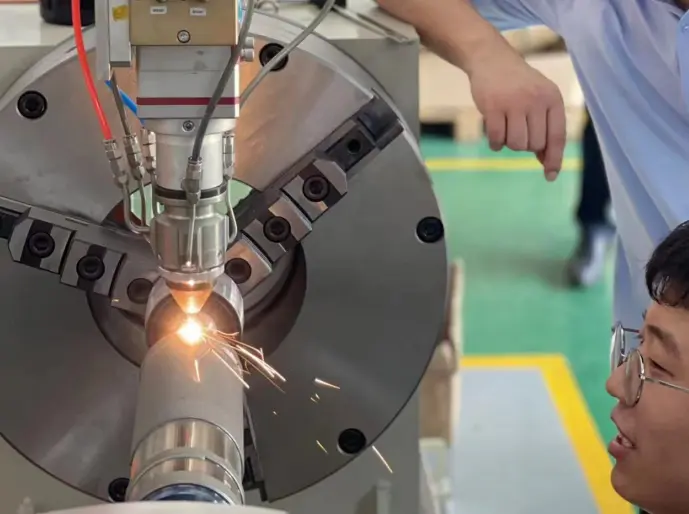
Our independent R&D team develops equipment that maintains efficient, long-term operation under industrial stress. For maritime applications, the Information Gain lies in our control of the Dilution Rate. While traditional welding results in 10-20% dilution with the base metal, Shanghai Duomu's laser cladding maintains it below 5%, ensuring the purity and performance of the cladding alloy is not compromised.
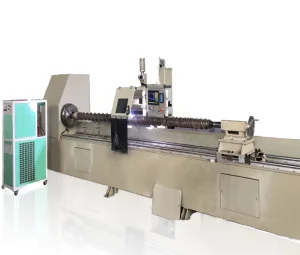
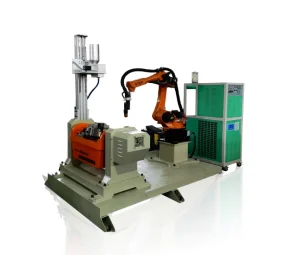
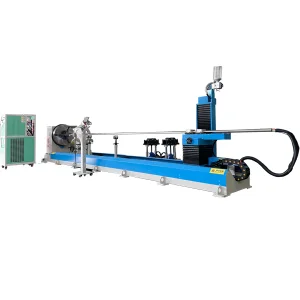
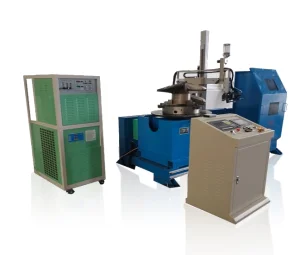
We provide complete sets of industrial equipment solutions, including specialized hydraulic rod cladding machines and valve cladding systems designed specifically for the hydraulic controls and engine rooms of modern vessels.
Our equipment and processes are designed to align with Lloyd's Register, ABS (American Bureau of Shipping), and DNV GL requirements, ensuring that remanufactured parts are seaworthy and insurable.
With a global supply chain, we provide localized installation, calibration, and training. Our "Digital Twin" remote diagnostic system allows Shanghai engineers to support shipyard operations in real-time across European and Southeast Asian ports.
We assist shipowners in meeting environmental compliance by providing data on material savings and energy efficiency gained through our "Repair over Replace" technology framework.
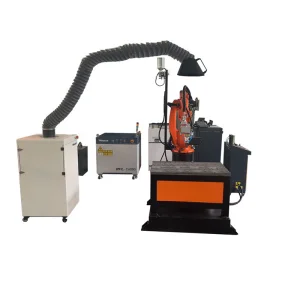
Ship propeller shafts and stern tubes often experience abrasive wear. Our Robot Laser Cladding System applies a stainless steel or bronze layer with zero distortion, maintaining the critical structural integrity of the shaft.
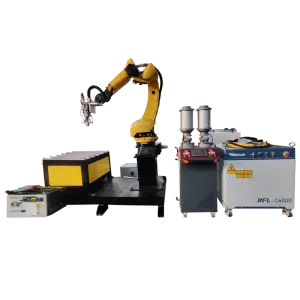
Marine engines run on heavy fuel oil, causing high-temperature corrosion in exhaust valves. Our PTA and Laser machines apply Stellite alloys that resist oxidation up to 800°C.
Beyond Shipbuilding, Shanghai Duomu’s technology is battle-tested in high-stakes environments:

Agricultural Machinery

Aerospace Military
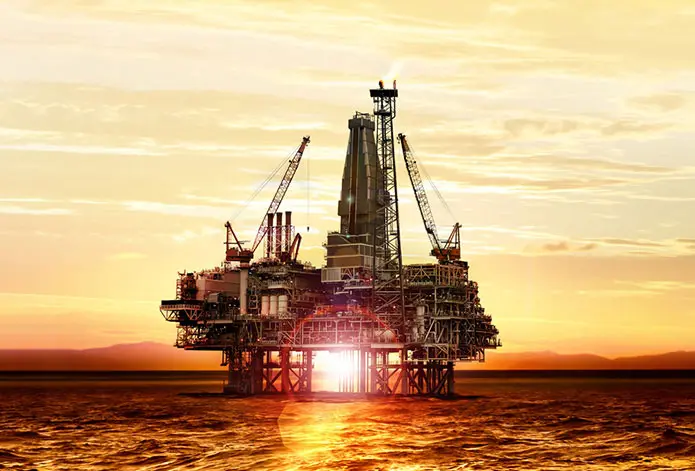
Petroleum Machinery
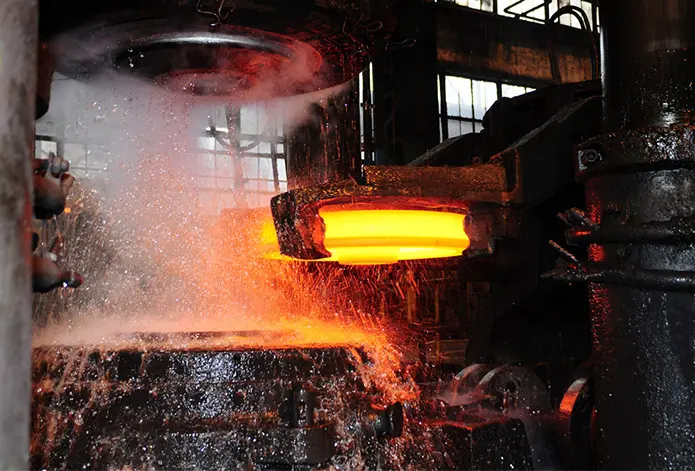
Metallurgy Casting
Development of portable, high-stability laser cladding units that can perform repairs on-board during transit, reducing the need for dry-docking.
Integration of real-time spectral analysis to adjust laser power and powder feed rates instantaneously, achieving "Zero-Defect" cladding layers.
Cladding parts with varying alloy compositions to provide both core ductility and surface hardness in a single additive pass.
"In Plasma Transferred Arc (PTA) hardfacing, achieving high-quality overlay is about the dilution rate. Whether you are in Oil & Gas or Shipbuilding, the cost of downtime is the real enemy."
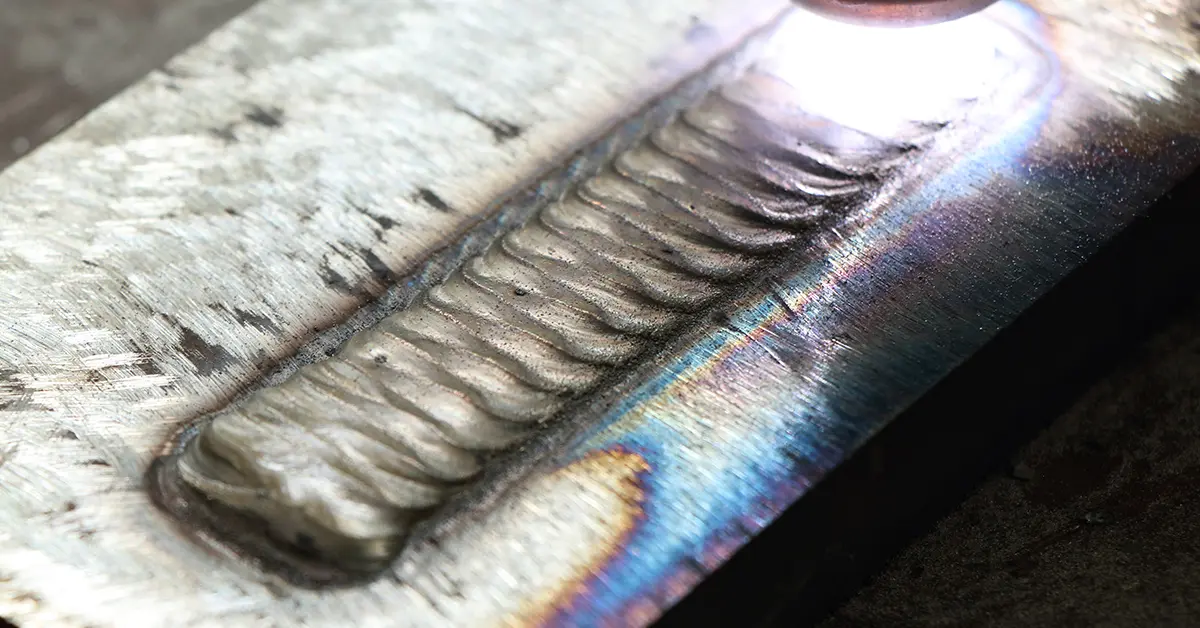
"Choke valves or mud pump valve seats—when they fail, the traditional response is replacement. Our cladding strategy saves up to 70% of material costs."
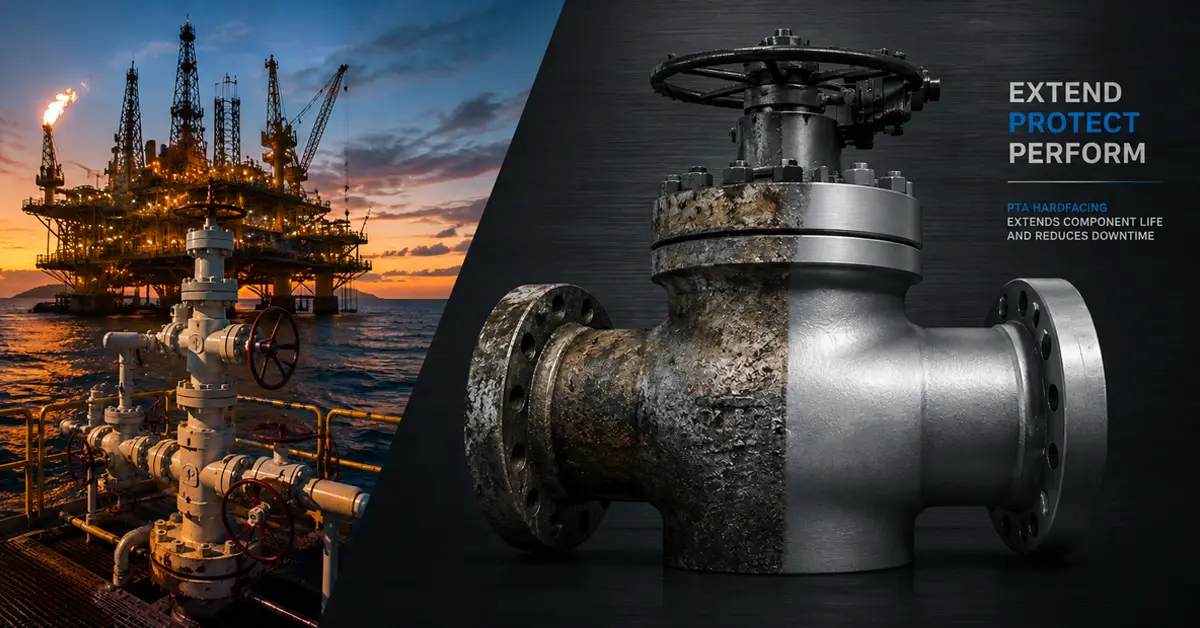
"Screw conveyors are frequent causes of unplanned downtime. Hardfacing these with specialized alloys ensures continuous production in biomass and chemical plants."
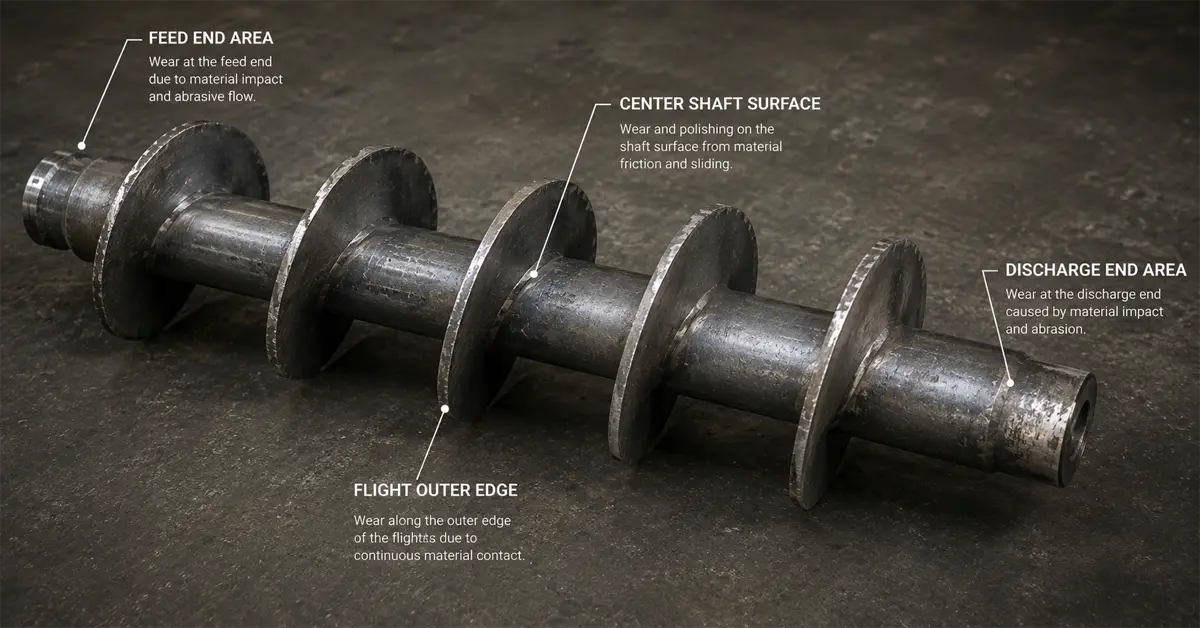
A: Laser cladding offers a much smaller Heat Affected Zone (HAZ), which prevents the warping or structural weakening of the shaft. The metallurgical bond is superior to thermal spraying, ensuring no delamination under high-torque maritime operations.
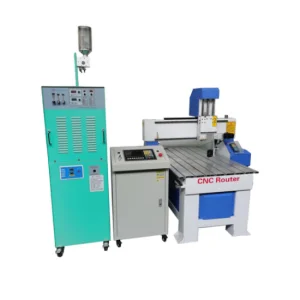
A: Yes, our systems utilize standard industrial communication protocols (Profinet/Ethernet) and can be mounted on CNC gantry systems or 6-axis robotic arms for seamless integration.
A: We typically recommend Nickel-based alloys (Inconel 625) or Cobalt-based (Stellite 6) for parts exposed to seawater and high-temperature exhaust gases.
Have a technical inquiry or need a quote? Reach out to our Shanghai headquarters for 24-hour support.