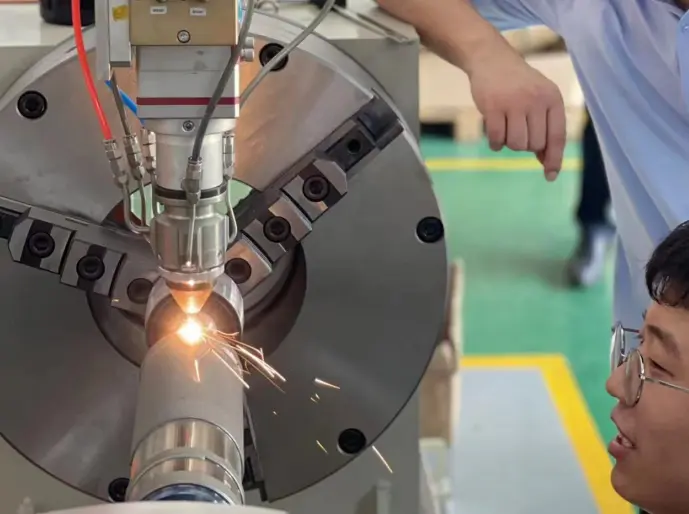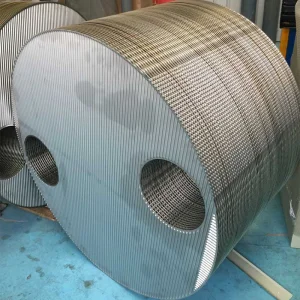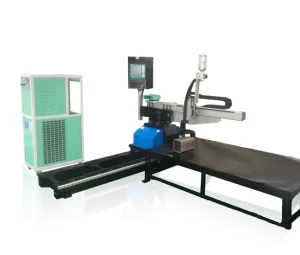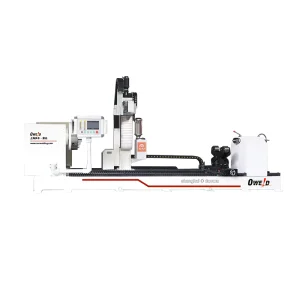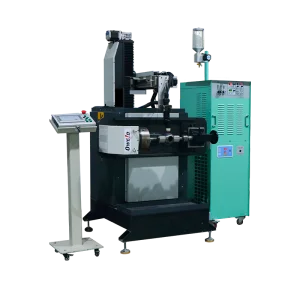
Clad welding, also known as cladding or hardfacing, is a surface engineering process where a layer of high-performance material is deposited onto a base metal (substrate) to enhance specific surface properties. Unlike traditional welding meant to join two pieces, cladding is about Information Gain in the metallurgical sense—adding value to the surface without altering the core properties of the bulk material.
At Shanghai Duomu, we define high-quality clad welding through the lens of precision and durability. It involves advanced technologies like Plasma Transferred Arc (PTA) and Laser Cladding to create a metallurgical bond that is significantly stronger than thermal spray or plating. This process is essential for components facing extreme abrasion, corrosion, and high temperatures.
The global market for cladding is currently undergoing a paradigm shift. With the rise of the Circular Economy, industries are moving away from the "buy-break-replace" model toward "repair-strengthen-reuse." The global cladding services market is projected to grow substantially as sectors like Oil & Gas, Mining, and Power Generation seek to minimize downtime.
North American and European markets are increasingly focusing on Laser Cladding due to its low heat input, while Asian markets, led by China, are dominating the PTA (Plasma Transferred Arc) segment due to its cost-effectiveness and high deposition rates for heavy-duty industrial applications.
As a leading Clad Welding Manufacturer and Factory in Shanghai, China, Duomu leverages a unique ecosystem of technical innovation and supply chain efficiency. Our advantage isn't just cost; it's System Integration.
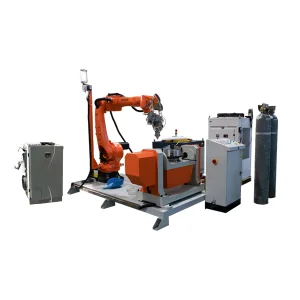
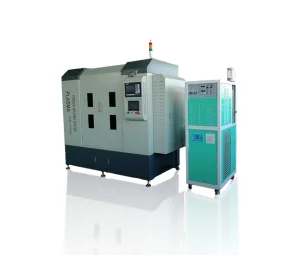
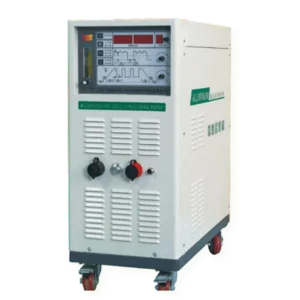
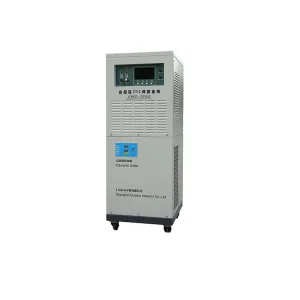
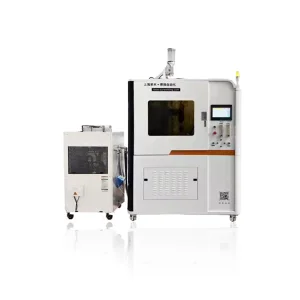
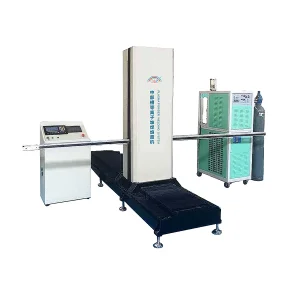
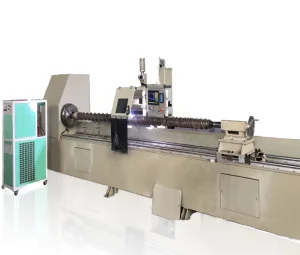
Shanghai Duomu has been a leading manufacturer and exporter of PTA cladding machines and Laser cladding machines for more than ten years. We have mature technological means to provide complete sets of industrial equipment solutions. Our machines, such as the DML-V03CD, represent the pinnacle of integrated plasma powder welding technology, offering stable performance for efficient long-term operation.
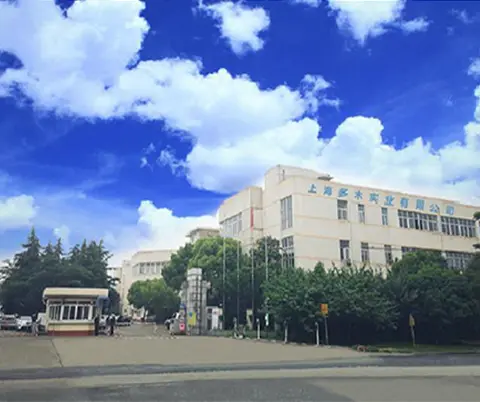
Clad welding is not a one-size-fits-all solution. Its success depends on localized environmental factors.

In high-grit soil environments, components like plowshares and harvester blades undergo extreme abrasive wear. Our PTA cladding extends life cycles by 3-5x.

High-temperature oxidation resistance for turbine blades and aerospace engine parts using precision laser cladding to ensure minimal heat-affected zones (HAZ).
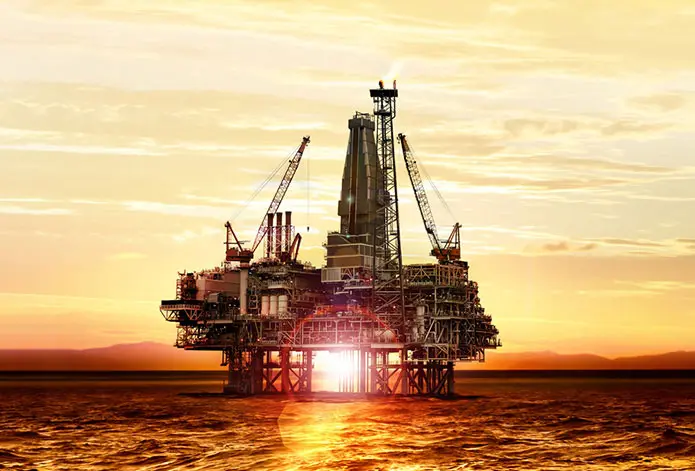
Drill stabilizers and mud pump valves in the Oil & Gas sector require corrosion and erosion protection. Cladding is the industry standard for these high-stakes components.
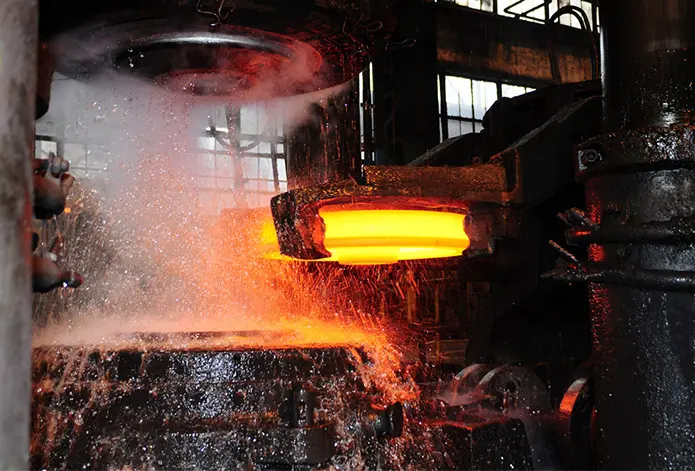
Rolling mills and forging dies operate under intense thermal fatigue. Our specialized cladding solutions restore dimensions while improving thermal shock resistance.
1. AI-Driven Optimization: The integration of AI to monitor melt pool stability in real-time is becoming standard. This reduces defects and ensures a perfect metallurgical bond every time.
2. Hybrid Manufacturing: Combining additive manufacturing (cladding) with subtractive manufacturing (CNC milling) in a single setup to produce complex parts from scratch.
3. Green Manufacturing: Cladding is recognized as a sustainable technology because it allows for the reclamation of massive steel components that would otherwise be scrapped, reducing the carbon footprint of heavy industry.
For international buyers, the focus has shifted from "cheapest machine" to "total cost of ownership." Key procurement requirements now include:
In Plasma Transferred Arc (PTA) hardfacing, achieving a high-quality overlay is not only about selecting the right alloy powder. One of the most critical factors is the dilution rate. If the base metal mixes too much with the cladding layer, the hardness and corrosion resistance are diluted. Our machines are engineered to maintain dilution rates below 5%, ensuring the overlay retains 100% of its intended properties.
Improving efficiency isn't just about speed; it's about deposition yield. In industrial production, the real efficiency of a PTA process depends on the consistency of the powder feed and the stability of the arc. Our DYY-LC501 systems utilize specialized powder feeders that ensure zero-waste and uniform distribution, even in vertical or overhead cladding positions.
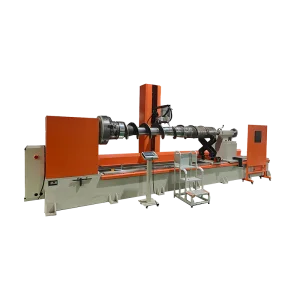
I have an independent R&D team which develops, produces, and sells plasma cladding machine equipment. The welding machine has stable performance and can maintain efficient long-term operation. In addition, the laser cladding equipment sold by the company can effectively support large-scale remanufacturing projects. We have mature technological means to provide complete sets of industrial equipment solutions.
Contact us today for a technical consultation:
Unit 2, No.615 Feng Deng Road, Jiading District, Shanghai, China
Phone: +86 15021996700
Email: [email protected]