In the contemporary energy landscape, the extraction of oil and gas is increasingly pushing the boundaries of material science. As drillers reach deeper, higher-temperature, and more corrosive reservoirs, the Total Cost of Ownership (TCO) for downhole tools has become a critical metric. Conventional hardfacing techniques, such as PTA (Plasma Transferred Arc) and thermal spray, are now being augmented or replaced by Laser Cladding (Laser Metal Deposition).
Laser cladding represents a paradigm shift. Unlike traditional welding, it utilizes a high-energy laser beam to melt a precise amount of alloy powder and a thin layer of the substrate material. The result is a metallurgical bond with minimal dilution (often <5%) and a significantly reduced Heat Affected Zone (HAZ). For manufacturers and factories specializing in oil drilling tools, this technology is the key to producing components that survive thousands of meters underground where failure costs exceed millions of dollars per hour.
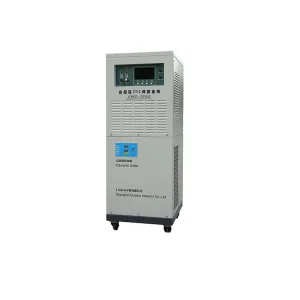
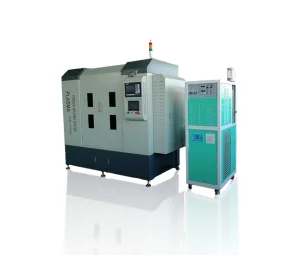
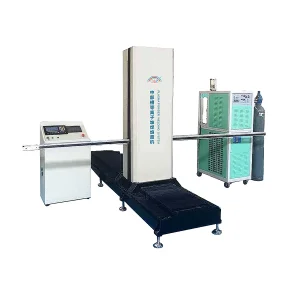
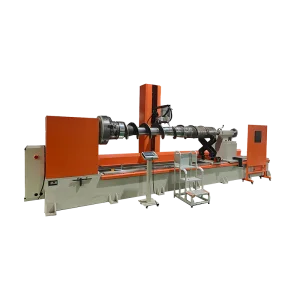
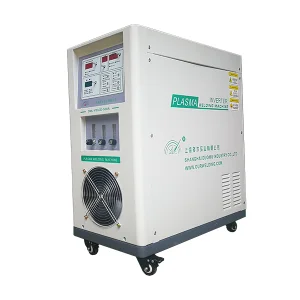
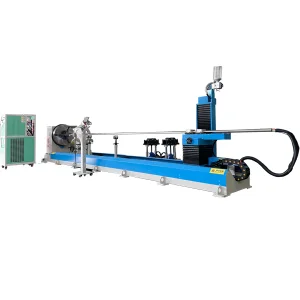
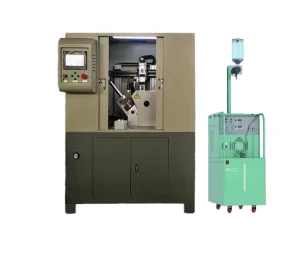
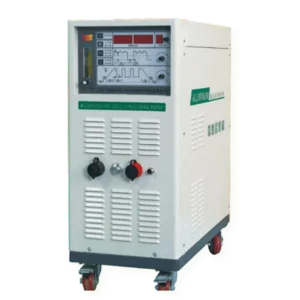
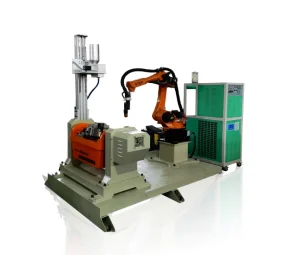
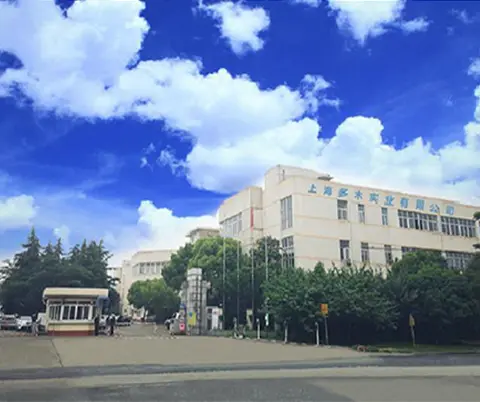
Shanghai Duomu has been a leading manufacturer and exporter of PTA cladding machines and Laser cladding machines for more than ten years. With a strong technical background, we don't just sell equipment; we provide comprehensive metallurgical solutions. Our independent R&D team develops, produces, and sells plasma cladding equipment that maintains efficient, long-term operation under industrial stress.
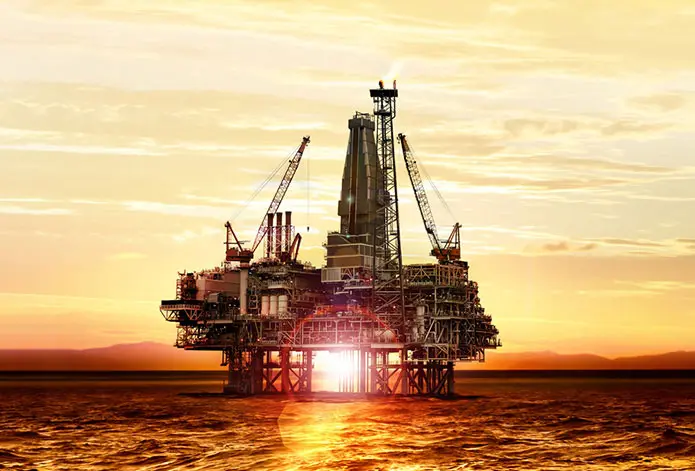
Application of high-hardness WC-Co overlays to prevent abrasive wear against sandstone and granite formations.
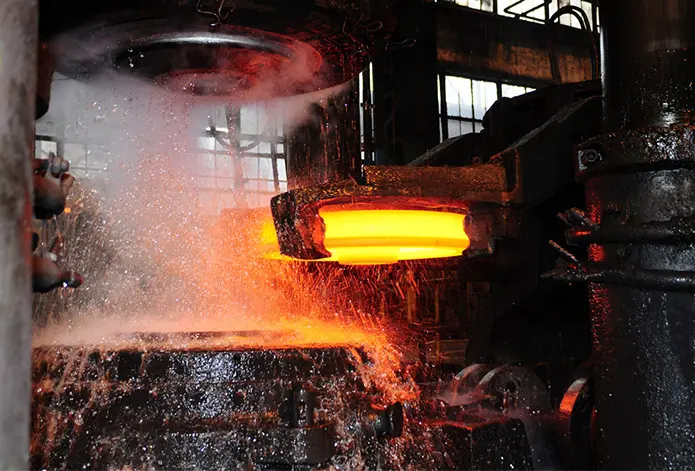
Laser cladding of Stellite alloys on valve seats to ensure bubble-tight shutoff in corrosive H2S environments.

Hard-facing of hydraulic rods and pump liners to resist the erosive nature of drilling mud circulation.
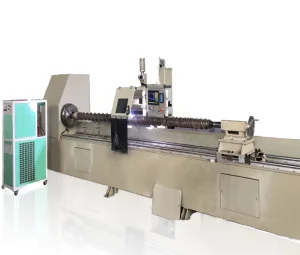
Global procurement teams are shifting toward EHLA for large cylindrical components like drill pipes and hydraulic cylinders. EHLA allows for deposition rates up to 500 meters per minute, drastically reducing manufacturing lead times while maintaining superior surface finishes that require minimal post-machining.
Environmental, Social, and Governance (ESG) goals are forcing oil giants to move away from "throwaway" culture. Laser cladding enables the repair of worn stabilizers and shafts to "better-than-new" condition, reducing carbon footprints by avoiding the energy-intensive process of forging new base metals.
The next generation of Duomu machines integrates real-time melt pool monitoring. By using AI to adjust laser power and powder flow in milliseconds, we ensure 100% repeatability, a non-negotiable requirement for offshore drilling components where a single crack can lead to catastrophic failure.
Our equipment and cladding processes are engineered to meet API (American Petroleum Institute) standards, ensuring that every tool treated in your factory meets international safety benchmarks.
We provide not just the hardware, but a consistent supply of proprietary alloy powders, ensuring your production line never stops due to raw material shortages.
Global localized support: Our engineers provide on-site installation, training, and 24/7 remote diagnostics to ensure your ROI is maximized from day one.
Integrating functionally graded materials (FGM) where the base layer provides toughness and the outer layer provides extreme hardness.
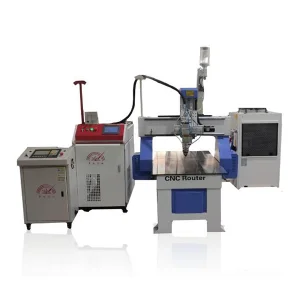
Combining laser cladding with CNC milling in a single workspace to produce finished parts without manual handling.
Virtual simulation of thermal stresses to predict and prevent distortion in large-scale oilfield components.
A: While PTA is cost-effective for thick coatings, Laser Cladding offers much lower dilution, meaning you need less expensive alloy powder to reach the desired surface properties. It also creates a much smaller HAZ, preserving the mechanical properties of the high-strength steel used in drill collars.
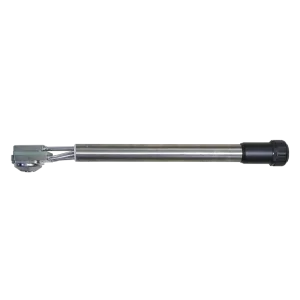
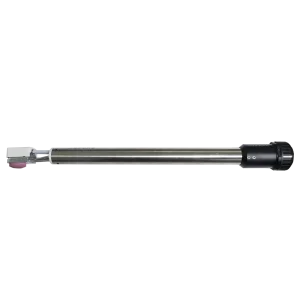
A: Yes. Our specialized internal bore torches (like the DNPT series) are designed to reach deep into narrow cylinders to apply corrosion-resistant overlays to mud motor housings and pump liners.
A: Most oilfield service factories see a full ROI within 12-18 months through a combination of reduced powder waste, faster throughput, and the ability to charge a premium for high-performance coatings.
For inquiries about our cladding systems, alloy powder compatibility, or to request a feasibility study for your specific drilling tool components, please reach out to our technical department.
Unit 2, No.615 Feng Deng Road, Jiading District, Shanghai, China
[email protected] | +86 15021996700