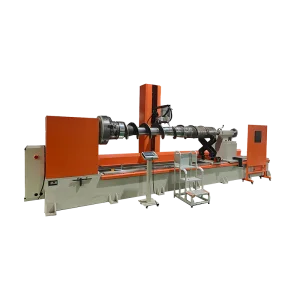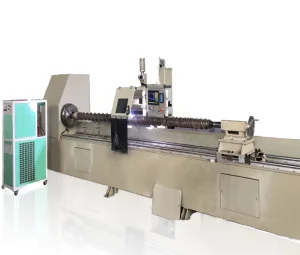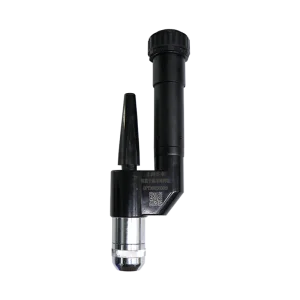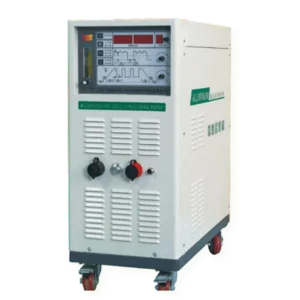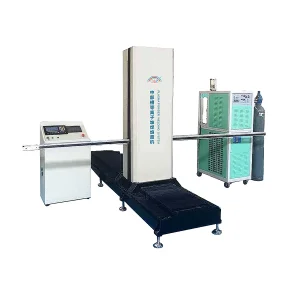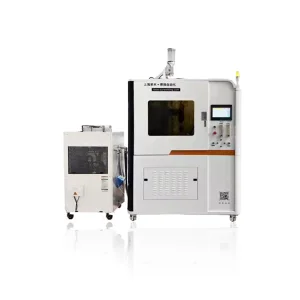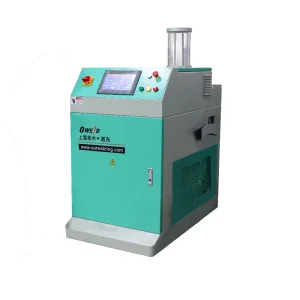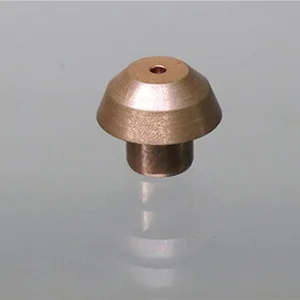
Explore our elite configurations of precision laser cladding, PTA hardfacing, and robotic surface conditioning equipment
In contemporary heavy manufacturing, surface degradation caused by rust, oxidation, and abrasive wear remains one of the largest vectors of unscheduled downtime and component retirement. Globally recognized as the modern gold standard of surface preparation, Laser Rimuovi Ruggine (Laser Rust Removal) systems utilize high-frequency, short-pulsed laser light to ablate contaminants without inducing thermal stress or mechanical deformation in the underlying substrate.
From European aerospace facilities conforming to strict environmental regulations to heavy infrastructure sites in North America, industrial entities are rapidly transitioning away from abrasive sandblasting, chemical etching, and manual scouring. The mechanics of pulsed fiber laser cleaning provide a zero-emission, contact-free solution that vaporizes metal oxides within microseconds. By adjusting laser fluence, repetition rate, and beam profile, operators can target rust layers down to the micron level with unmatched precision.
As a prominent OEM/ODM global supplier, Shanghai Duomu integrates this surface treatment capability with advanced metallurgical restoration processes—such as Laser Cladding and Plasma Transferred Arc (PTA) hardfacing—to deliver a comprehensive lifecycle defense for critical industrial components.
Maximizing component lifetimes by pairing advanced cleaning with state-of-the-art additive resurfacing
By tuning the laser's peak power density, our systems achieve rapid sublimation of iron oxides without crossing the damage threshold of the base metal. This ensures zero micro-cracking and maintains the structural integrity of aerospace alloy components.
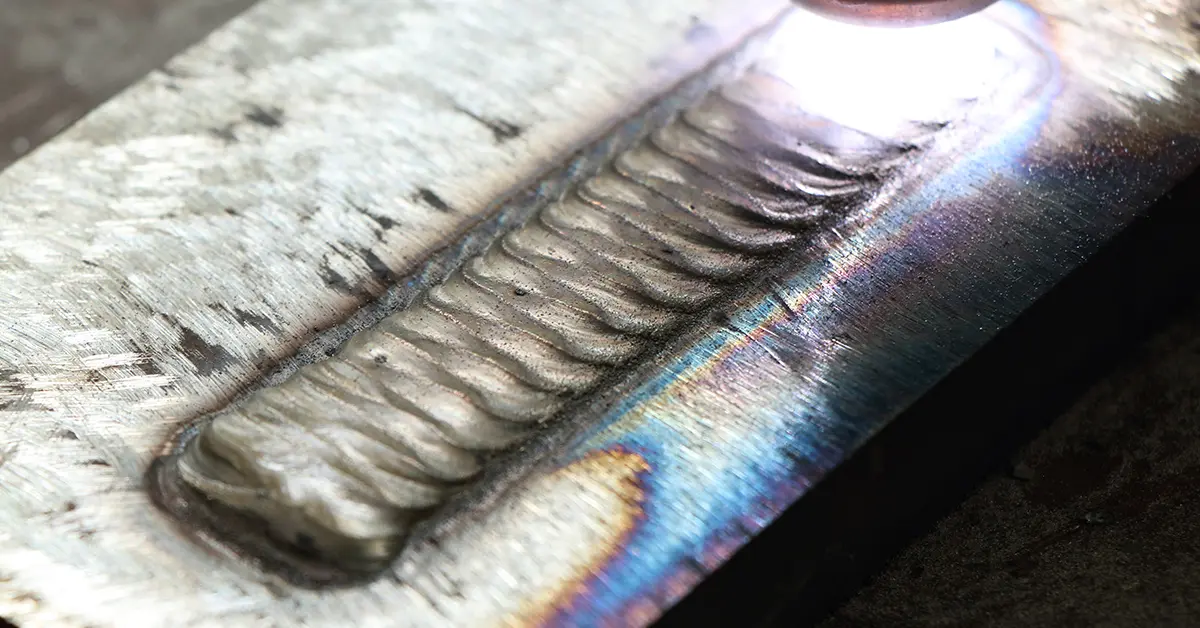
In Plasma Transferred Arc (PTA) and Laser Cladding, control of the dilution rate is paramount. Minimal dilution ensures that the deposited hardfacing layer retains its pure chemical composition and wear-resistant properties, free from contamination by the substrate metal.
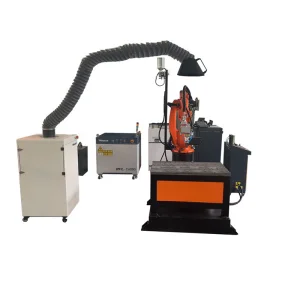
Integrating cleaning laser heads and cladding torches with 6-axis articulated robots allows for the seamless treatment of complex geometries, such as pump impellers, oil stabilizers, and turbine blades.
| Parameter / Capability | Laser Rust Ablation | Laser Cladding Additive | PTA Powder Surfacing |
|---|---|---|---|
| Primary Objective | Substrate cleaning and micro-texturing | High-precision metallurgical cladding | Heavy-duty alloy overlay & reinforcement |
| Heat-Affected Zone (HAZ) | Negligible (microscopic scale) | Extremely low, minimal thermal stress | Controlled, moderate dilution |
| Process Feedstock | None (Contactless photonic energy) | Fine metal powder / wire | PTA alloy powders (Cobalt, Nickel, Fe-based) |
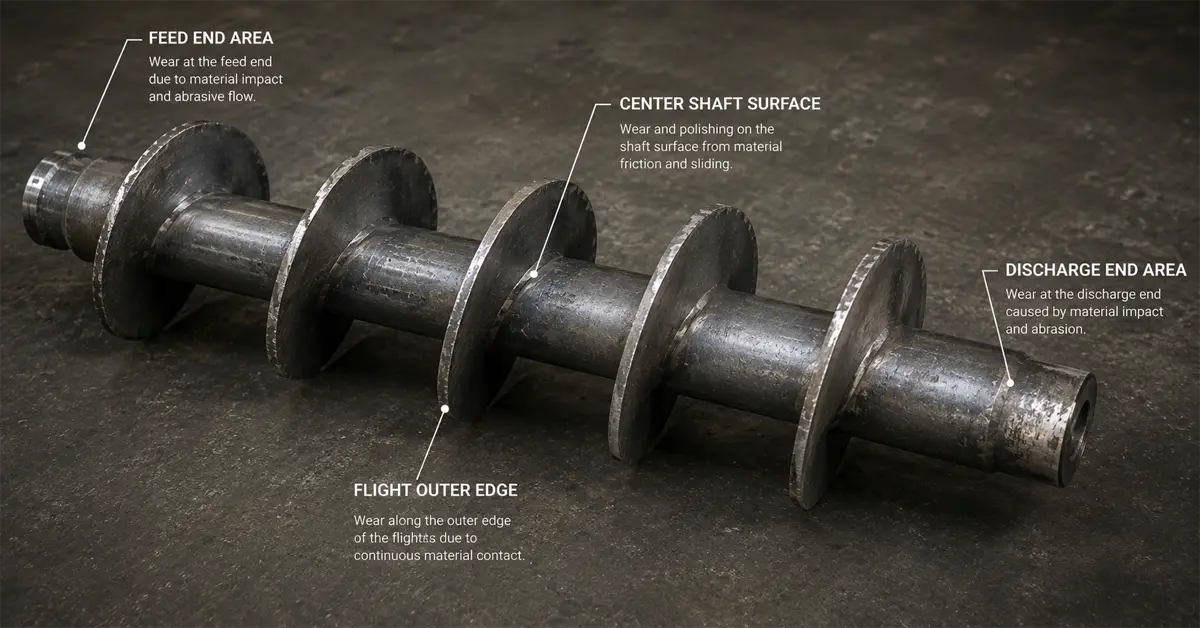
| Typical Industrial Applications | Pre-weld preparation, oxide removal | Blade repair, shaft rebuilding | Valve seats, screw conveyors, mining picks |
Shanghai Duomu's precision machinery has successfully penetrated complex high-performance markets worldwide

Protecting tillage tools, conveyor screws, and heavy harvest gears from severe abrasive soil friction.

Precision cladding of engine blades and missile housings under extreme quality standards.

Mitigating erosion on valve seats, mud pump parts, and downhole stabilizer blades.
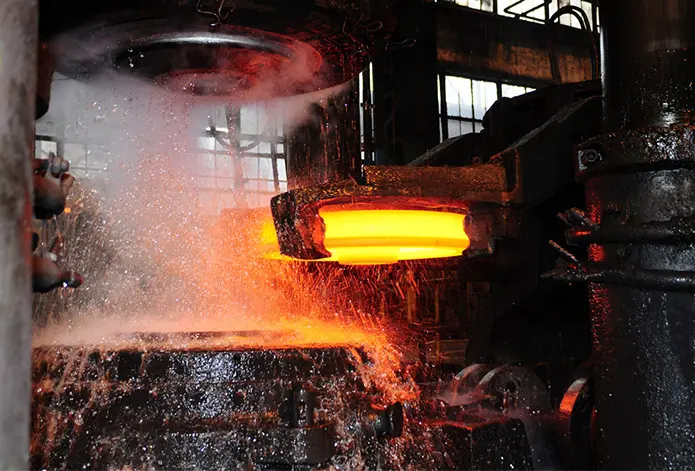
Restoring expensive rolls and continuous casting molds with highly wear-resistant alloys.
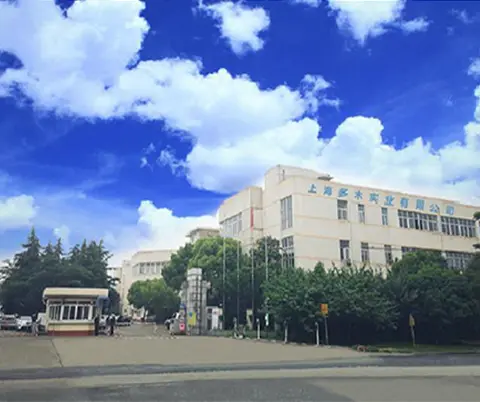
Shanghai Duomu has been a leading manufacturer and exporter of PTA cladding machines and Laser cladding machines for more than ten years with a strong technical background. Our corporate headquarters are located in the Jiading District of Shanghai, enabling direct access to top-tier academic research institutions and industrial supply chains.
We host an independent, dedicated research and development team, driving breakthroughs in plasma power supply stability, laser transmission optics, and integrated automated software. Our operations extend globally, offering complete industrial surface preparation and cladding solutions to customers across Europe, Asia, the Americas, and the Middle East.
Sourcing equipment from Shanghai Duomu yields profound strategic benefits. Our factory achieves high integration across all manufacturing phases—from component CNC machining and transformer winding to optoelectronics calibration and software debugging. This cohesive workflow lowers production cycles by 30-40% compared to Western competitors while guaranteeing strict adherence to ISO 9001 and CE certification standards. We enable complete custom configuration to meet local operational requirements, supplying robust equipment suited for long-term, high-intensity industrial duties.
Engineered to meet specific mechanical specifications, from manual units to heavy-duty automated cells
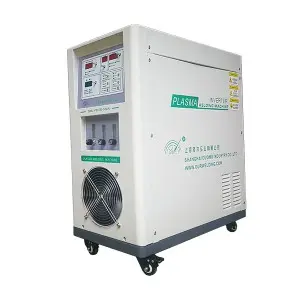
Designed for high-stability overlay welding of valves and tooling with uniform metallurgical bonding.
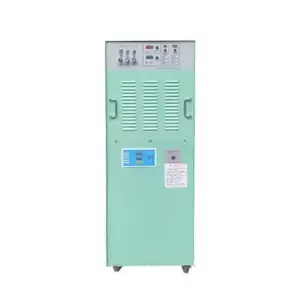
A highly integrated space-saving cladding solution that supports multi-process surfacing applications.
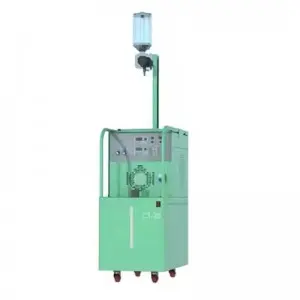
Flexible settings designed for complex industrial component repair and alloy reinforcement.
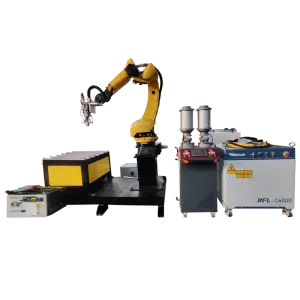
Ultra-precise laser additive system tailored for thermal recovery of turbine blades.
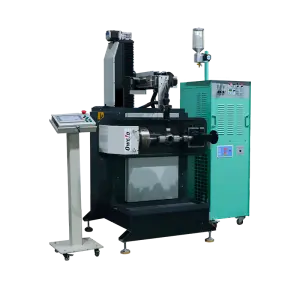
Specialized multi-axis CNC machine designed specifically for ball valve hardfacing.
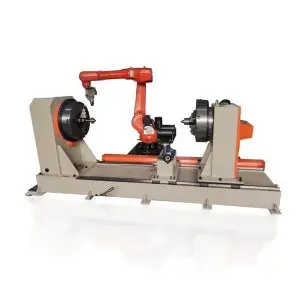
Articulated robotic arm configured for localized surface hardening heat treatments.
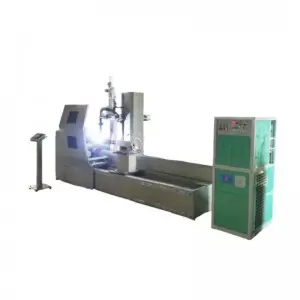
High efficiency overlay welding system designed specifically for hydraulic shafts and cylinders.
Our engineering facility features an independent research and development laboratory staffed by material scientists, roboticists, and control software engineers. We focus on developing, producing, and distributing advanced plasma cladding and laser clean technology solutions.
Through consistent investment in research, we have achieved critical patents in closed-loop temperature control, dual-hopper precision powder feeders, and high-frequency pulsed power modules. The welding machines we manufacture have stable, reliable performance profiles designed for continuous 24/7 heavy industrial applications. Additionally, our high-power laser cladding equipment easily supports large-scale industrial remanufacturing projects.
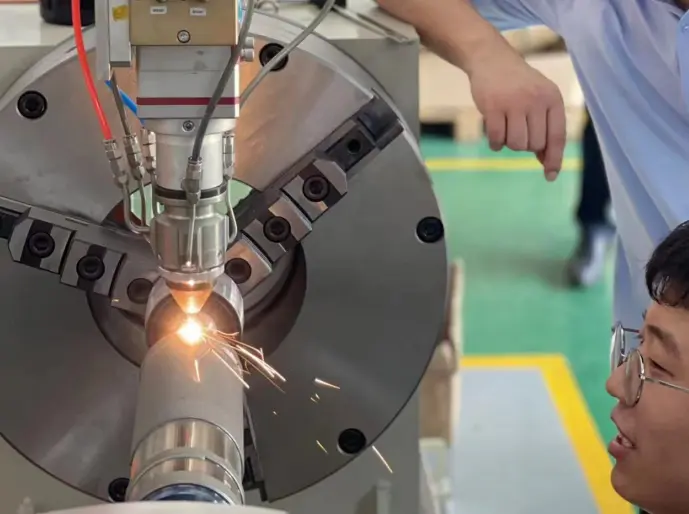
Gain insights from our metallurgy laboratory and industrial application case studies
In Plasma Transferred Arc (PTA) hardfacing, achieving a high-quality overlay is not only about selecting the right alloy powder or optimizing welding parameters. One of the most critical factors that directly affects overlay performance is the dilution rate...
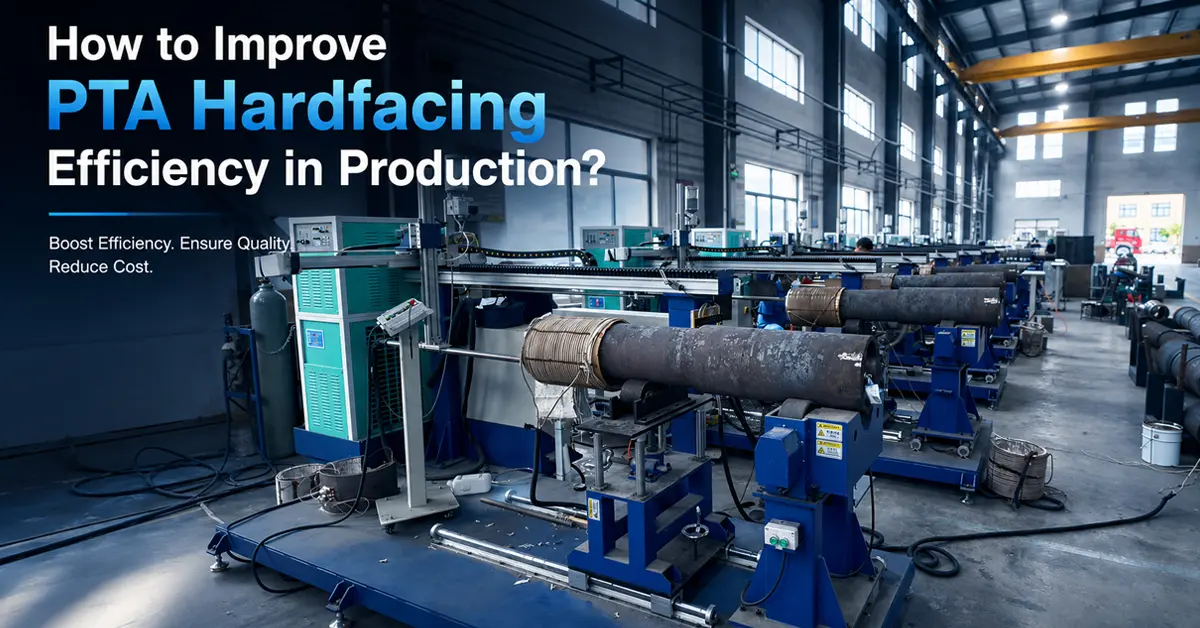
Improving PTA hardfacing efficiency is not simply about increasing welding speed or depositing more alloy within a shorter time. In industrial production, the real efficiency of a Plasma Transferred Arc (PTA) hardfacing process depends on optimization...
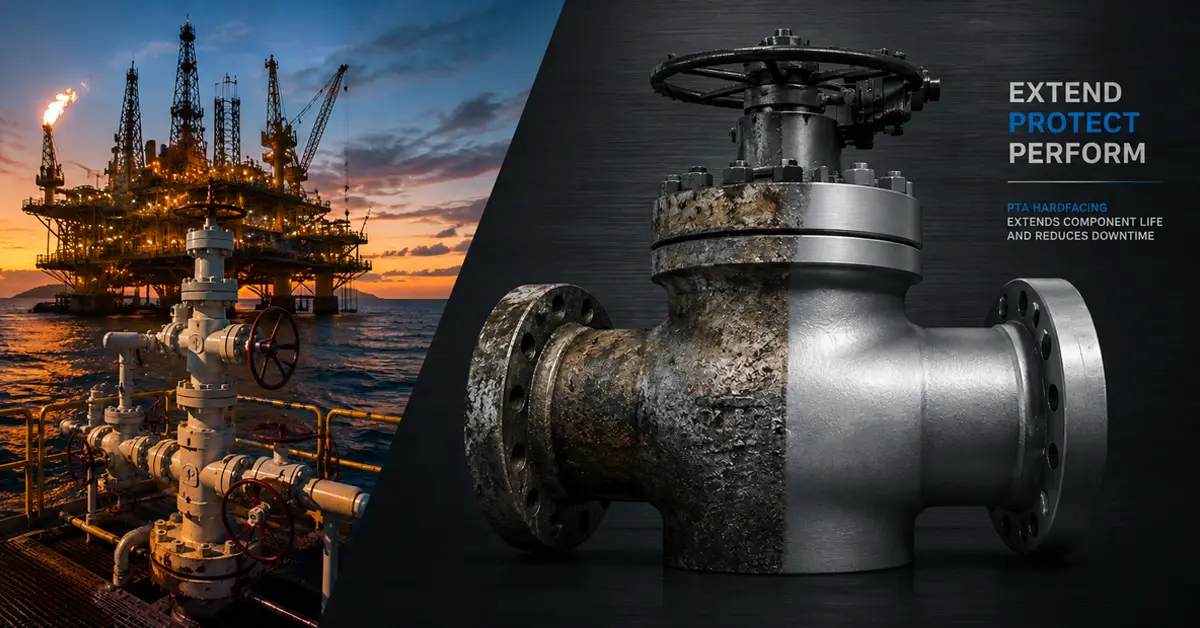
In Oil & Gas, the Real Cost Is Downtime—Not the Component. When a choke valve fails due to sand erosion, a mud pump valve seat wears beyond tolerance, or a drill stabilizer reaches the end of its service life, the traditional response is challenged...
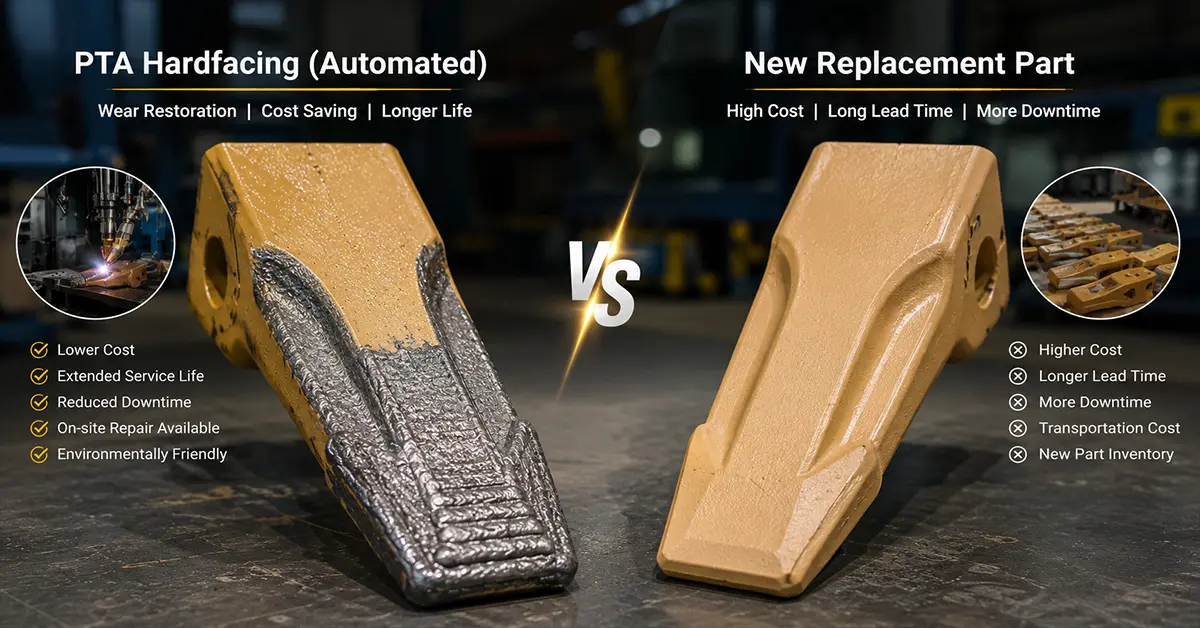
For industrial equipment operating in abrasive, erosive, corrosive, or high-temperature environments, wear is inevitable. The real challenge is not preventing wear altogether but choosing the most cost-effective maintenance strategy once wear occurs...
In industries such as mining, cement, power generation, steelmaking, chemical processing, and biomass energy, screw conveyors are often regarded as auxiliary equipment. However, maintenance data shows that they are among the most frequent causes...







Critical engineering answers for plant managers, procurement teams, and quality control professionals
Discover more professional-grade surfacing parts, welding controls, and high-durability accessories
For inquiries about our laser rust removal equipment, customized laser cladding integration, or technical parameter specifications, send us your requirements. Our materials science and engineering team will provide a comprehensive solution design and price quote within 24 hours.
Get custom quotes and cycle-time analysis from our system design engineers.
Submit Request