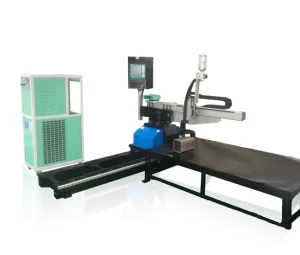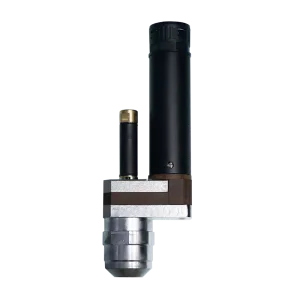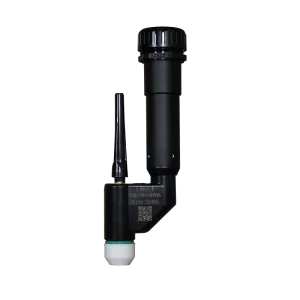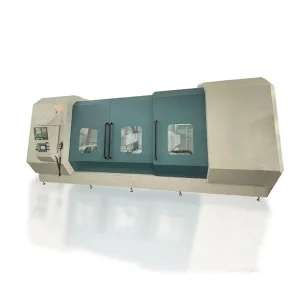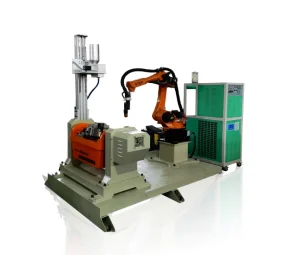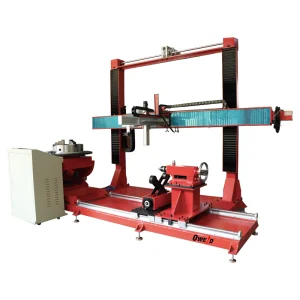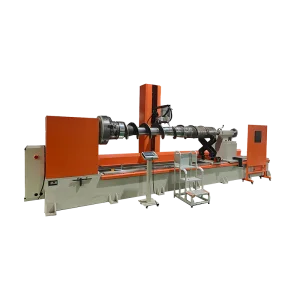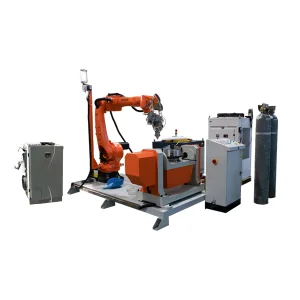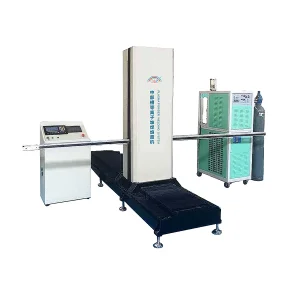
Explore our flagship automation machinery, customized welding torches, and high-precision cladding units designed for extreme component life extension.
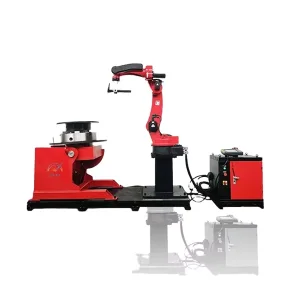
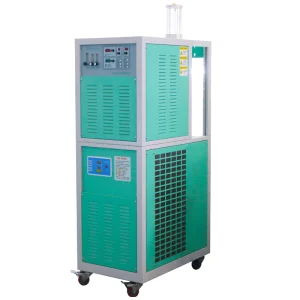
A comprehensive whitepaper overview of Direct Energy Deposition (DED) surface hardening, metallurgical bonding, and the transition from traditional thermal spraying.
Unlike thermal spraying or chromium plating, laser cladding produces a genuine metallurgical bond with the substrate. This results in superior shear strength, zero peeling or delamination under high mechanical loads, and dilution rates typically under 5%.
Laser cladding technology employs a concentrated, coherent light source to precisely melt alloy powders onto the parent material. This local heat input restricts the Heat-Affected Zone (HAZ), reducing structural distortion and preserving base substrate properties.
Engineers can utilize nickel-based superalloys, cobalt-based alloys (Stellite), iron-based powders, or complex metal matrix composites containing tungsten carbide (WC). This tailored design meets specific wear, corrosion, and high-temperature requirements.
Heavy industrial operators across the Americas, EU, and APAC are seeking long-term wear protection. Traditional methods like hard chromium plating are increasingly phased out due to environmental regulations (such as REACH in Europe). Modern supply chains demand clean, energy-efficient solutions like Laser Cladding and Plasma Transferred Arc (PTA) systems.
Procurement teams require custom additive manufacturing configurations that integrate seamlessly into automated production lines. Systems must support 6-axis robotic articulation, closed-loop powder feeding, and real-time melt pool monitoring. This allows operators to repair large-scale hydraulic shafts, mining machinery stabilizers, and energy turbines efficiently.
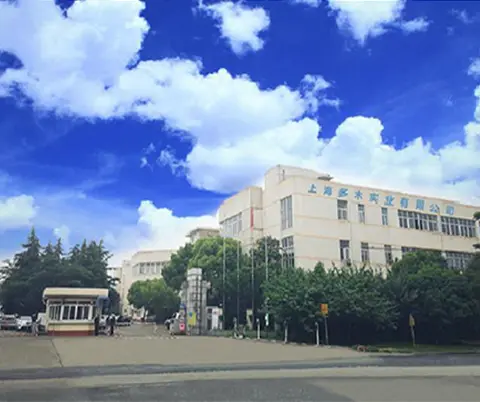
About Shanghai Duomu: Shanghai Duomu has been a leading manufacturer and exporter of PTA cladding machines and Laser cladding machines for more than ten years with a strong technical background. Our globally compliant systems help operations reduce downtime and support the transition to circular engineering.
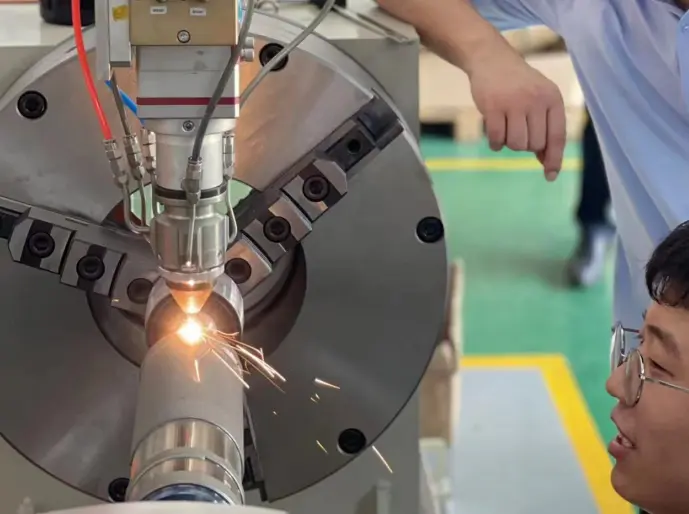
Chinese manufacturing has evolved from basic assembly to advanced Factory 4.0 production. Integrating smart manufacturing platforms, high-precision CNC multi-axis positioners, and state-of-the-art solid-state fiber lasers enables the fabrication of complex cladding systems at scale.
Shanghai Duomu operates an independent R&D team that designs, produces, and sells plasma cladding and laser cladding systems. By managing the supply chain in-house—from mechanical design to PLC programming and custom optics—we ensure reliability, component compatibility, and timely delivery of complex systems.
Our welding machines maintain stable performance and support efficient, long-term operation. Additionally, our laser cladding equipment is designed for large-scale remanufacturing projects. We offer mature technological solutions to provide complete industrial equipment systems tailored to your production demands.
Our cladding solutions are deployed across heavy industries worldwide, proving resilient under high stress, abrasive environments, and corrosive conditions.


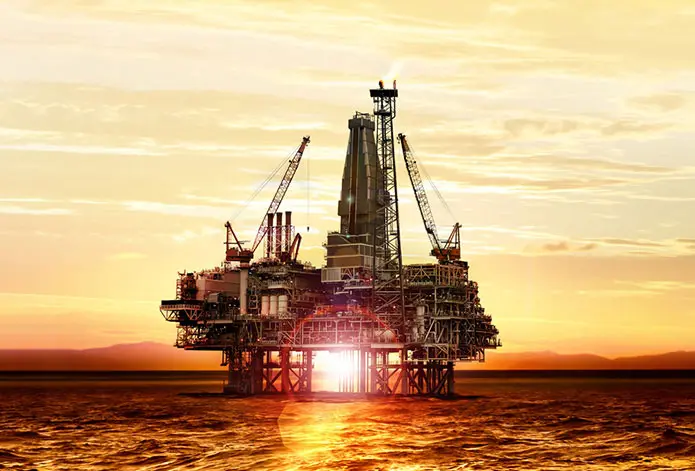
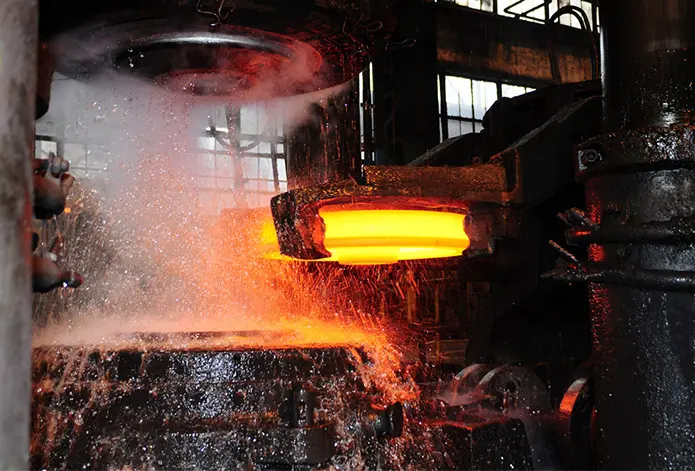
We provide customized machinery, automatic laser and plasma cladding systems, and intelligent robotic equipment tailored to specific industrial requirements, such as hydraulic rods, excavation picks, and valves.
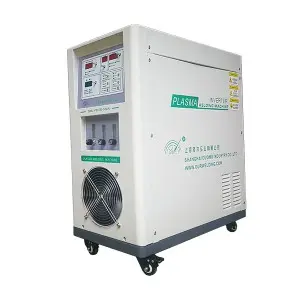
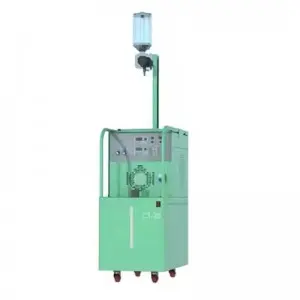
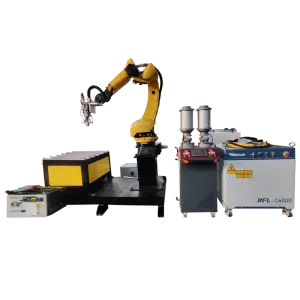
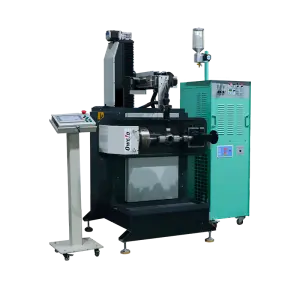
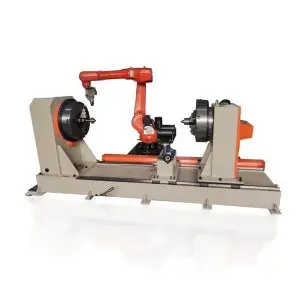
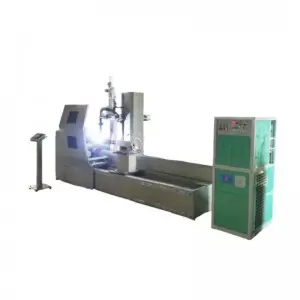
Read about hardfacing optimization, dilution rate control, downtime reduction, and industrial maintenance strategies.
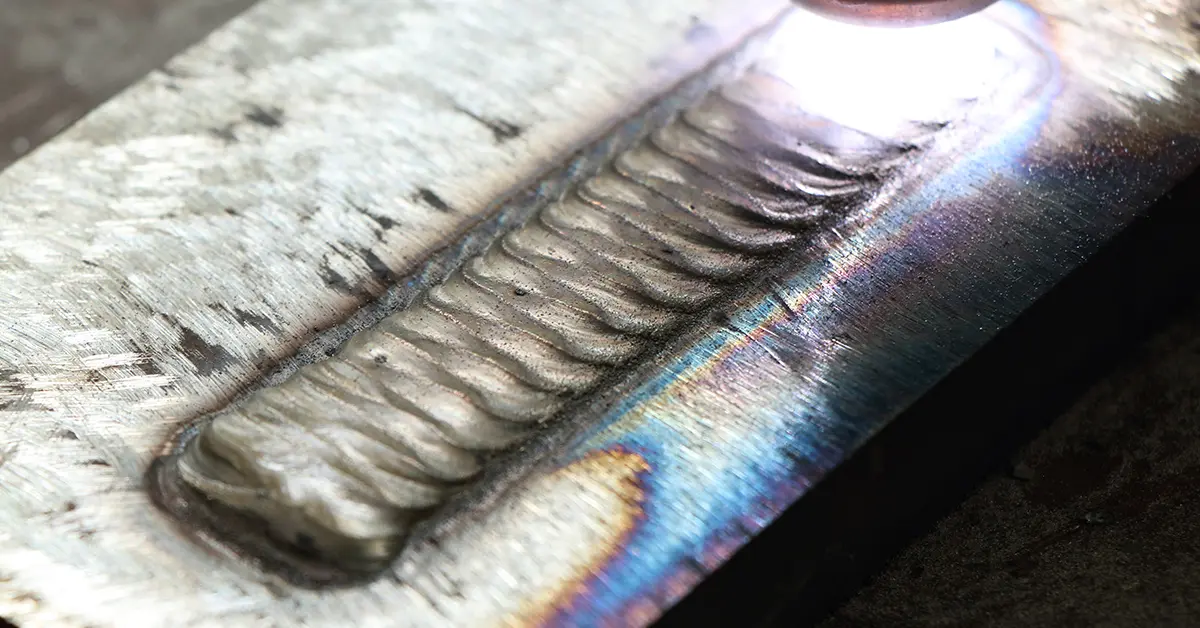
In Plasma Transferred Arc (PTA) hardfacing, achieving a high-quality overlay depends on selecting the right alloy powder and optimizing welding parameters. A critical factor affecting overlay performance is the dilution rate. Dilution determines how much of the substrate melts into the clad layer, directly influencing hardness, wear resistance, and crack susceptibility.
Read Full Study →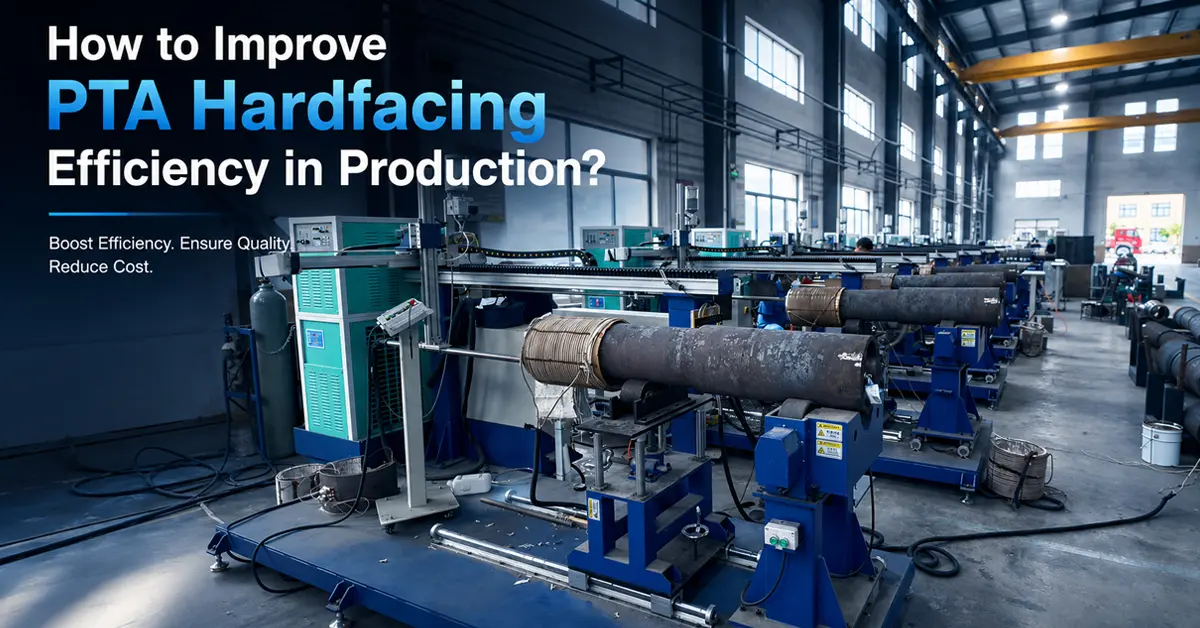
Improving PTA hardfacing efficiency involves more than increasing welding speed or depositing alloy faster. In industrial production, real efficiency in Plasma Transferred Arc (PTA) hardfacing requires balancing deposition rate, energy input, consumable wear, and minimizing post-weld machining.
Read Full Study →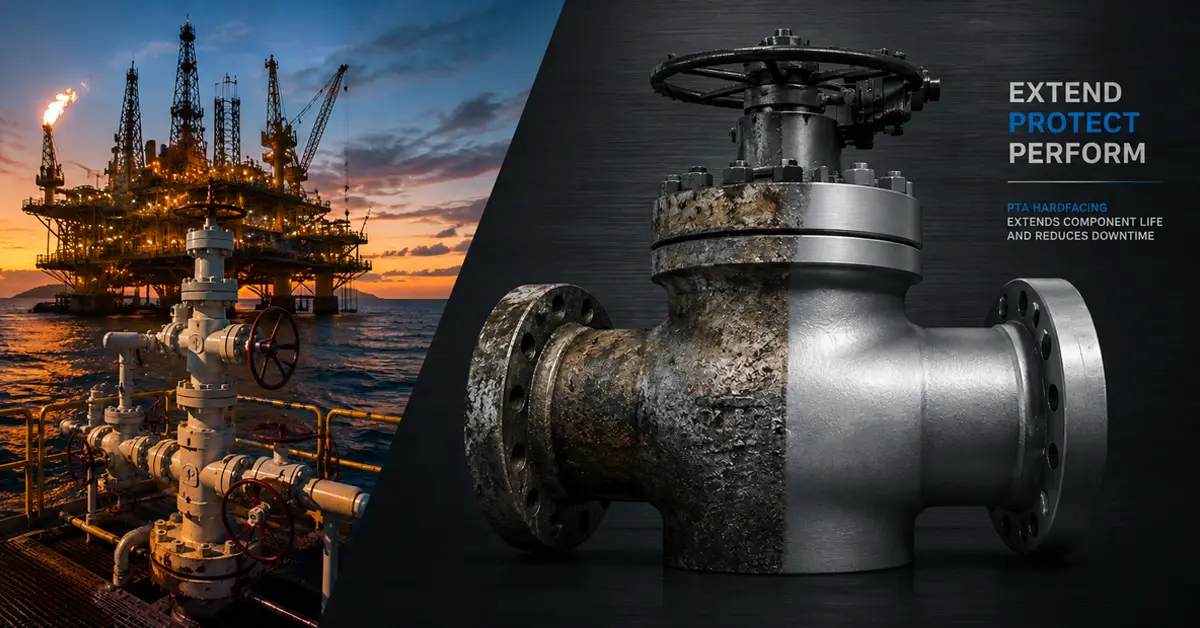
In the Oil & Gas sector, the primary cost factor is downtime rather than component pricing. When a choke valve fails from sand erosion, a mud pump valve seat wears beyond tolerance, or a drill stabilizer reaches the end of its service life, the associated production stop costs far exceed replacement expenses. Laser cladding provides high-quality wear layers that extend maintenance intervals.
Read Full Study →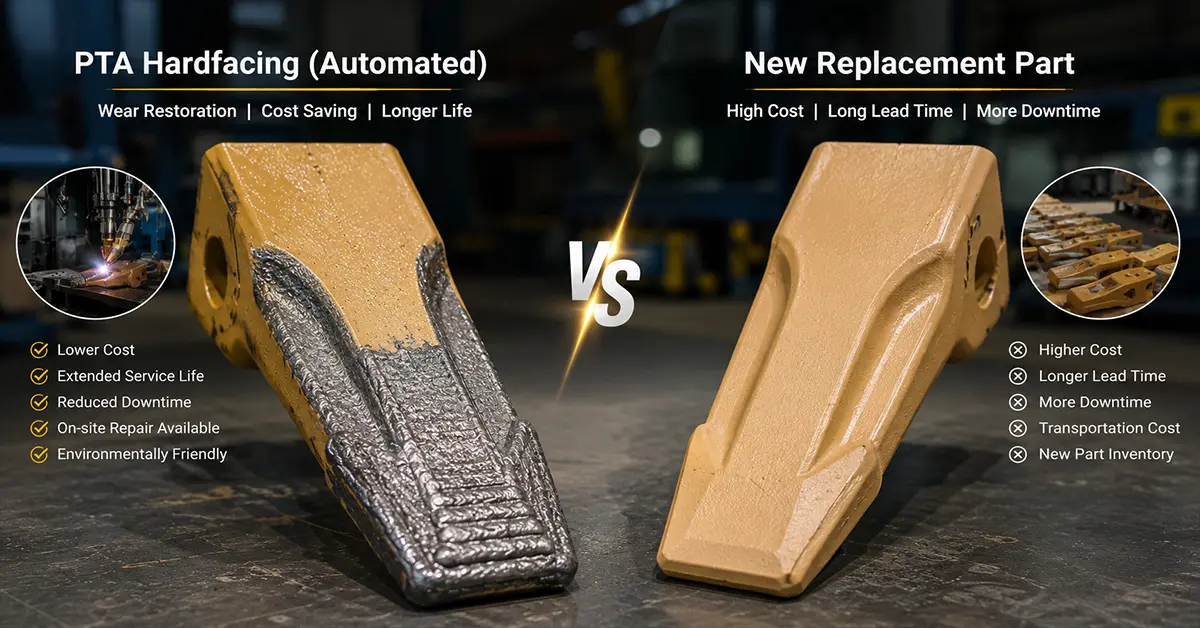
For industrial equipment operating in abrasive, erosive, corrosive, or high-temperature environments, wear is inevitable. The challenge lies in choosing a cost-effective maintenance strategy. Laser cladding and PTA rebuilding offer sustainable solutions to restore worn components to OEM specifications.
Read Full Study →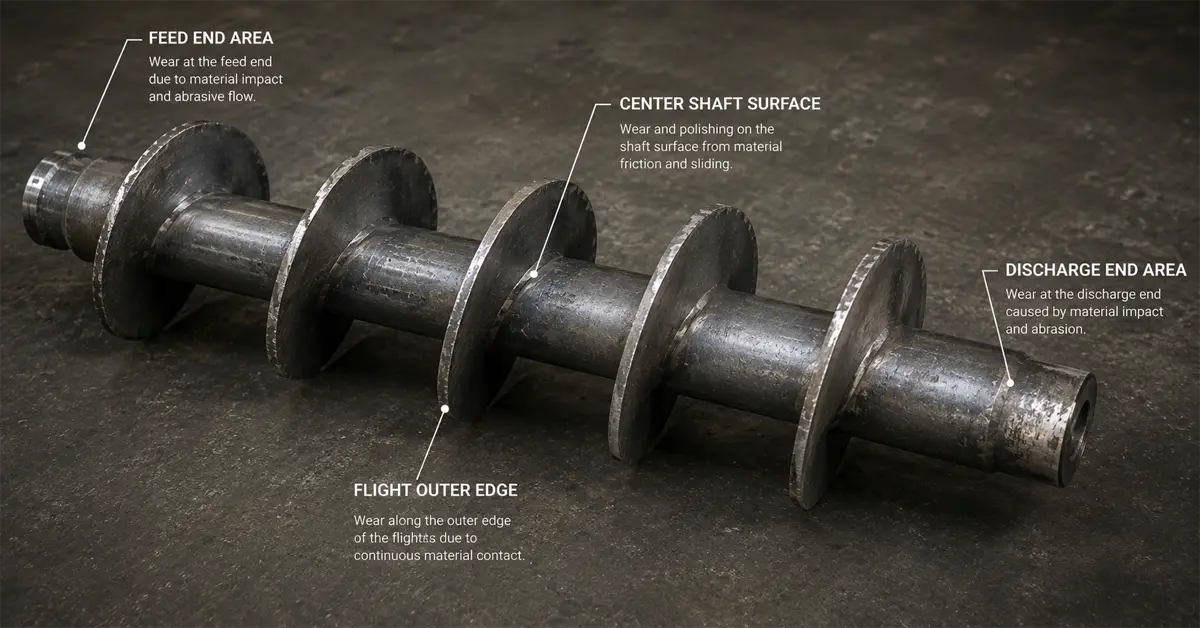
In mining, cement, and chemical processing, screw conveyors are vital for material transport. Due to continuous contact with abrasive media, screw flights degrade rapidly. Hardfacing with tungsten carbide-enhanced alloys using automated PTA or laser cladding systems helps prevent premature failures and unplanned production stops.
Read Full Study →Get answers to common questions about laser cladding technology, PTA hardfacing, processing parameters, and alloy applications.
Laser Cladding uses a concentrated laser beam as the heat source, creating a narrow Heat-Affected Zone (HAZ), low dilution (under 5%), and minimal thermal distortion. PTA uses a plasma arc, which provides higher deposition rates and is cost-effective for thicker cladding layers, though it introduces more heat into the substrate.
Unlike thermal spraying processes that create mechanical bonds, laser cladding melts both the coating powder and a thin layer of the substrate. This creates a true metallurgical bond with high shear strength, preventing delamination under impact or high-stress conditions.
Common options include Cobalt-based alloys (e.g., Stellite for high-temperature wear and corrosion), Nickel-based alloys (for corrosion and oxidation resistance), Iron-based alloys (for cost-effective wear resistance), and Metal Matrix Composites containing Tungsten Carbide (WC) for severe abrasive environments.
Yes, laser cladding is suitable for remanufacturing. Worn surfaces can be built up with matching or superior alloys and then machined back to original print tolerances, extending component service life at a lower cost than purchasing new parts.
With optimized parameters, automated laser cladding typically achieves dilution rates between 1% and 5%. This low dilution ensures that the clad layer retains its designed properties without excessive mixing with the base metal.
Because the laser energy is highly focused and applied rapidly, the thermal cycle is short. This results in a Heat-Affected Zone that is significantly smaller than that of traditional arc welding methods, reducing the risk of base metal tempering or distortion.
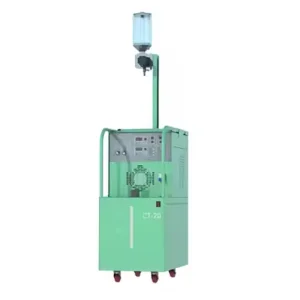
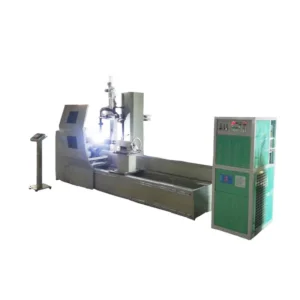
Explore our specialized range of automatic cladding systems, powder feeders, and gantry welding setups designed for high-capacity production facilities.









Submit your component specifications, CAD drawings, base materials, and target wear conditions. Our engineering team will review your application and respond with a detailed technical proposal and quotation within 24 hours.
For inquiries about our products, parameters, or custom equipment configurations, leave us a message. We will respond within 24 hours.
Request a Technical Quote