From traditional chrome plating to high-velocity laser cladding, the surface engineering landscape is undergoing a revolutionary transformation driven by environmental regulations and performance demands.
Globally, the hydraulic rod market is shifting away from Hard Chrome Plating due to the stringent REACH and EPA regulations regarding Hexavalent Chromium (Cr6+). Laser cladding has emerged as the premier "Green" alternative, offering 3-5x the service life in corrosive environments such as offshore drilling and deep-shaft mining.
Unlike traditional welding, laser cladding provides a metallurgical bond with minimal dilution (typically <5%). This ensures that the high-performance alloy properties (like Stellite or Inconel) are maintained at the surface, providing unparalleled wear resistance and impact toughness for hydraulic pistons and telescopic rods.
Shanghai Duomu leverages China's highly integrated industrial ecosystem. Our proximity to high-purity alloy powder manufacturers and advanced robotic integrators allows us to maintain shorter lead times and cost efficiency that localized Western manufacturers often struggle to match, ensuring global clients stay operational.
Our cladding solutions are engineered for the world's most demanding environments.
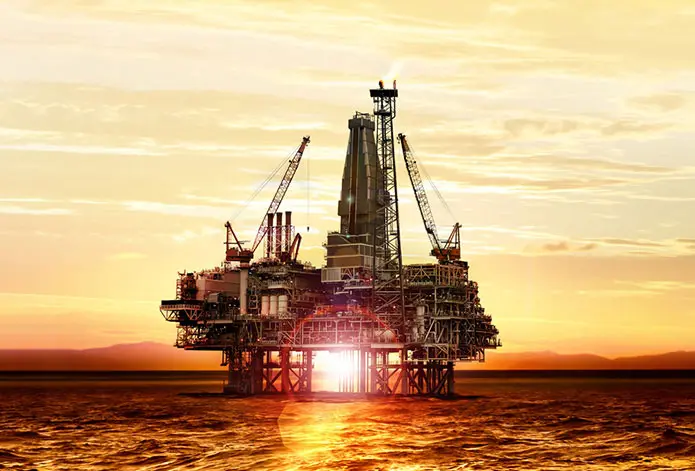
Hydraulic rods in offshore rigs face extreme salt spray corrosion. Our Ni-based alloy cladding provides a barrier that outperforms stainless steel 316L, reducing maintenance intervals by 40%.
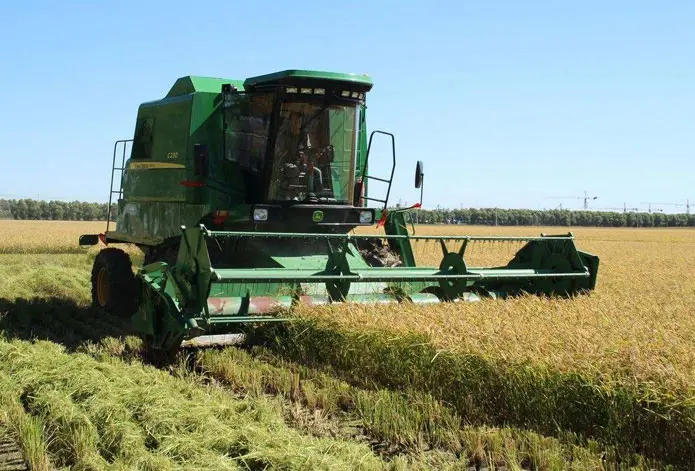
Dust, soil abrasion, and chemical fertilizers degrade standard rods. Cladding with Tungsten Carbide (WC) composites ensures loaders and harvesters operate through the peak season without hydraulic seal failure.

Weight reduction and ultra-high reliability are paramount. Our laser cladding systems allow for the use of lightweight base materials with localized surface hardening, meeting stringent AS9100-level quality standards.
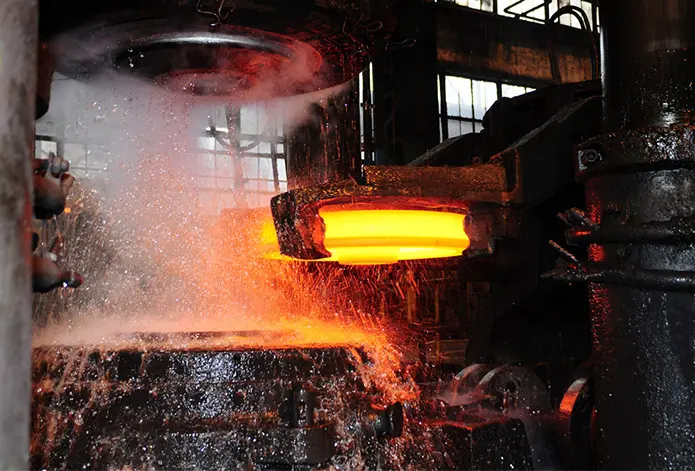
In hot strip mills, hydraulic cylinders are exposed to extreme heat and scale. We provide Fe-based martensitic cladding that retains hardness at temperatures exceeding 500°C.
The evolution of Shanghai Duomu's cladding technology towards Industry 4.0.
| Phase | Technology Focus | Key Performance Metric | Application Focus |
|---|---|---|---|
| Present (Generation III) | High-speed Laser Cladding (EHLA) | Cladding Speed: 50-100m/min | Large-scale Hydraulic Rod Production |
| Short-term (Generation IV) | AI-driven Parameter Optimization | Zero-defect Melt Pool Stability | Precision Valve & Deep-hole Cladding |
| Future (Generation V) | Multi-material Gradient Cladding | Custom Elastic Modulus matching | Space Exploration & Nuclear Core Components |
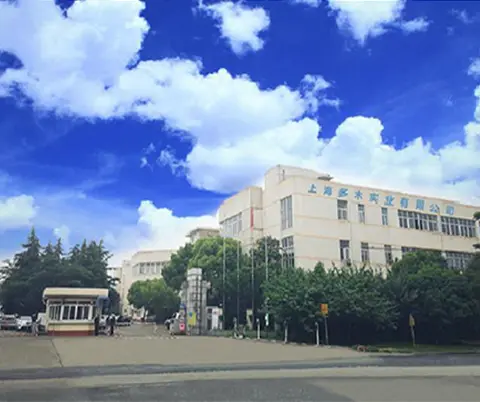
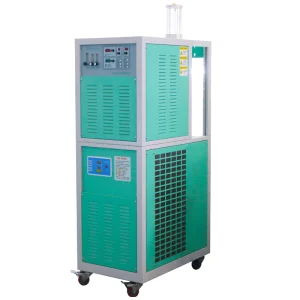
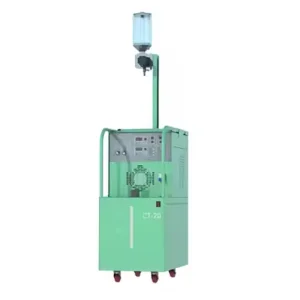
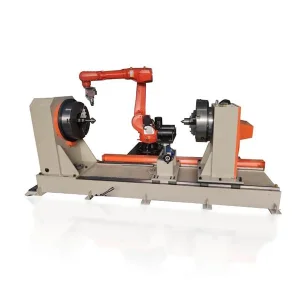
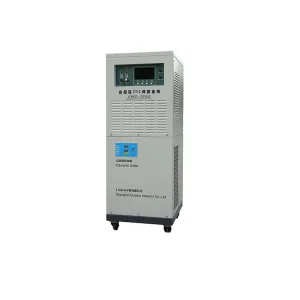
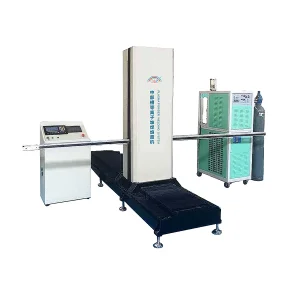
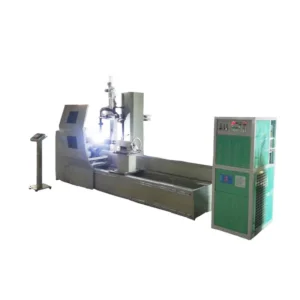
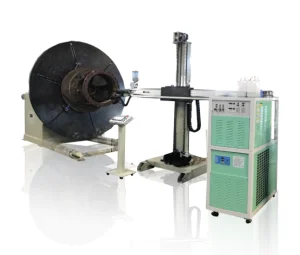
Shanghai Duomu has been a leading manufacturer and exporter of PTA cladding machines and Laser cladding machines for more than ten years. With a strong technical background and an independent R&D team, we develop, produce, and sell equipment that defines "Made in China" quality.
Our welding machines offer stable performance for efficient long-term operation, supporting large-scale remanufacturing projects with mature technological means.
Learn More About Our TeamExplore our specialized equipment designed for the most challenging surfacing tasks.
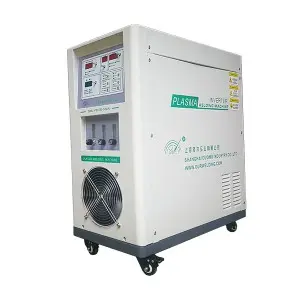
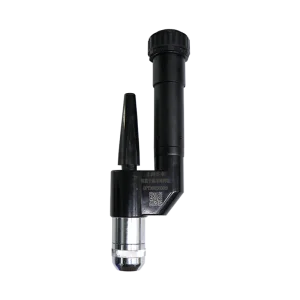
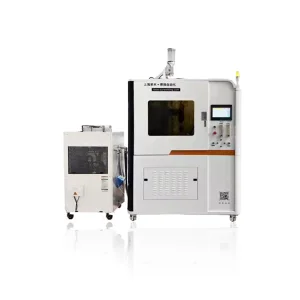
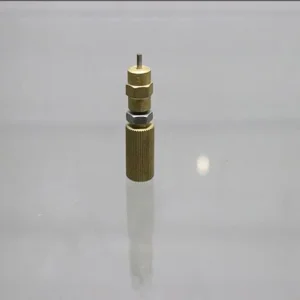
High-efficiency surfacing for valves and small rods.
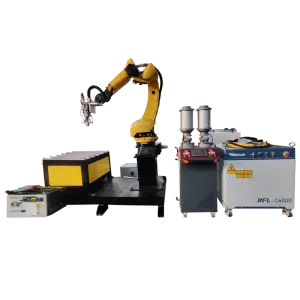
Specialized for turbine and aero-engine blade repair.
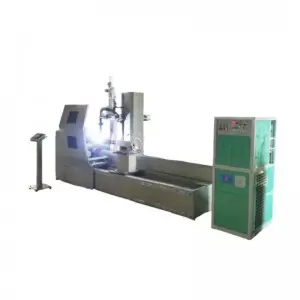
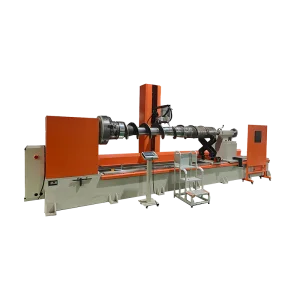
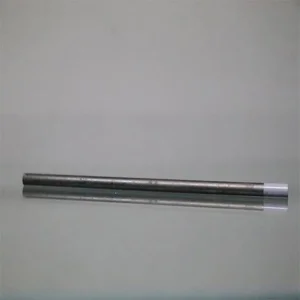
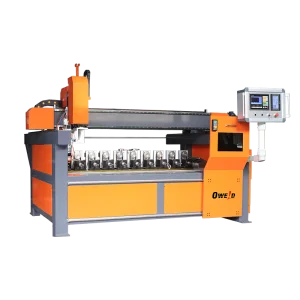
Tailored for high-throughput hydraulic cylinder manufacturing.
Providing Information Gain for engineers and procurement managers.
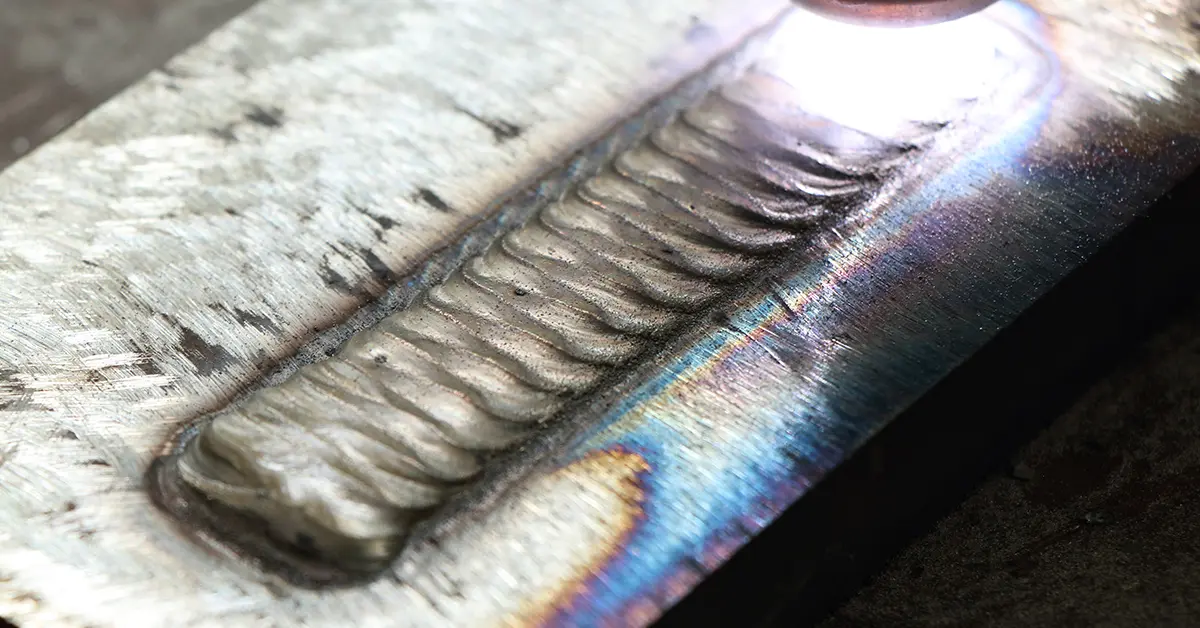
In our advanced laser cladding process, the dilution rate is typically between 3% and 5%. This is significantly lower than PTA or traditional arc welding (which can be 15-30%), ensuring the surface alloy maintains its pure chemistry and hardness from the very first layer.
While the initial cost of laser cladding is higher, the Total Cost of Ownership (TCO) is lower. Clad rods last 3-5 times longer, eliminate the risk of "chrome peeling," and avoid the massive environmental compliance costs associated with hexavalent chromium disposal.
Absolutely. It is the gold standard for remanufacturing. We can strip the old coating, use laser cladding to build up the undersized area with an even better material than the original, and then grind it back to OEM specifications, effectively giving the component a second life at a fraction of the cost of a new rod.
Because of the high energy density and localized nature of the laser beam, the Heat Affected Zone (HAZ) is extremely narrow. This prevents thermal distortion and ensures the bulk properties (strength and ductility) of the rod's core steel remain unaffected.
"In Plasma Transferred Arc (PTA) hardfacing, achieving a high-quality overlay is not only about selecting the right alloy powder. One of the most critical factors is the dilution rate..."
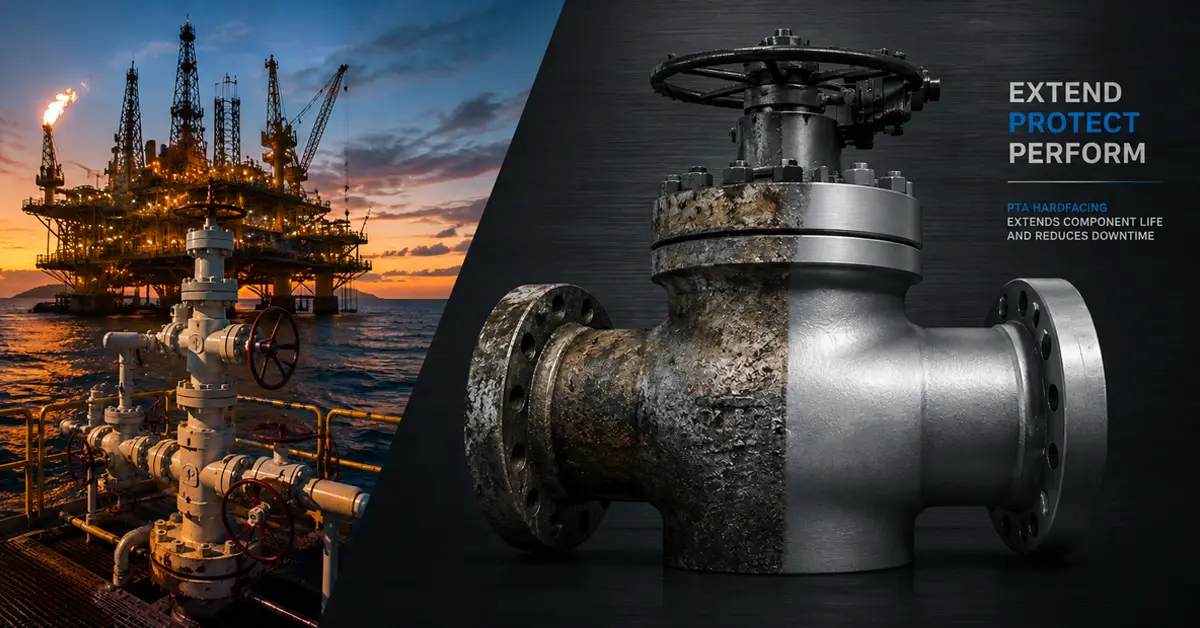
"In Oil & Gas, the Real Cost Is Downtime—Not the Component. When a choke valve fails, the traditional response was replacement. Cladding has changed that paradigm..."
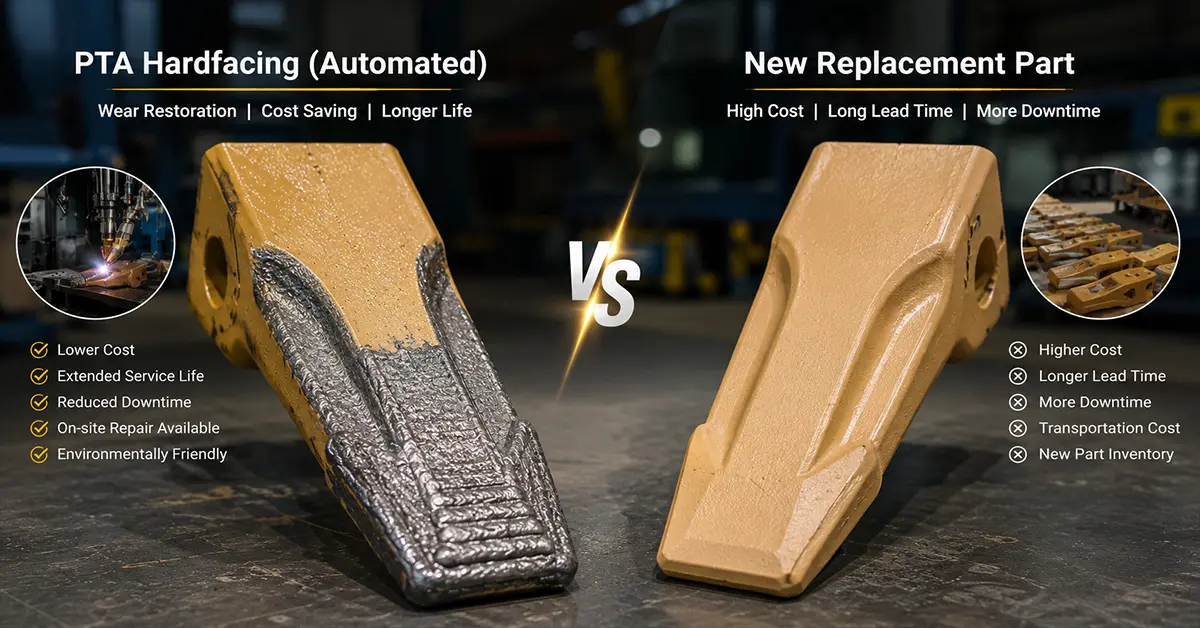
"For industrial equipment operating in abrasive environments, wear is inevitable. The challenge is choosing the most cost-effective maintenance strategy..."
Ready to upgrade your surface engineering? Get in touch with our technical experts today.
We adhere to international manufacturing standards including ISO 9001. Our machines are designed to meet the technical requirements of high-end industries such as Nuclear Power, Petrochemical, and Aerospace military sectors.