
Industrial-grade machinery designed for precision surface overlaying, component repair, and wear-resistant coatings.
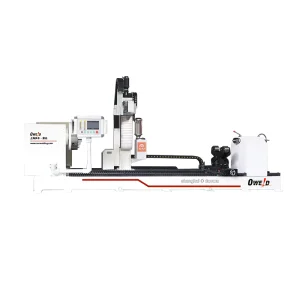
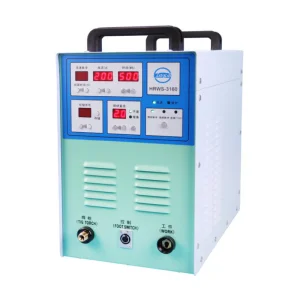
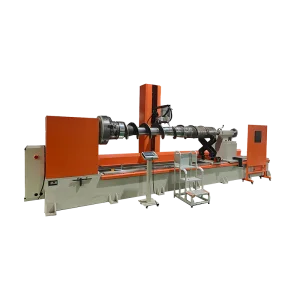
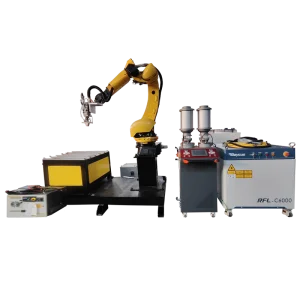
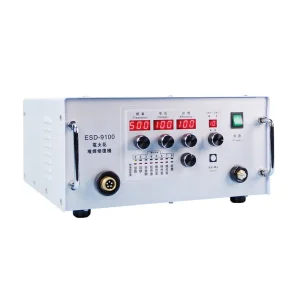
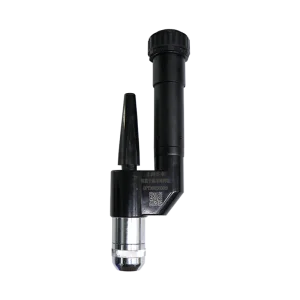
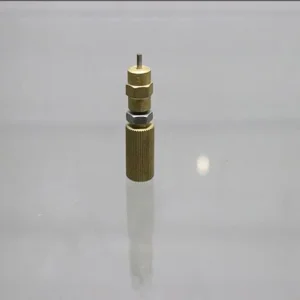
In modern industrial engineering, surface degradation via wear, corrosion, erosion, and thermal fatigue remains the leading cause of premature failure in mechanical assemblies. Historically, operations relied on traditional thermal spraying, hard chrome electroplating, and arc welding hardfacing to restore dimensions and enhance surface properties. However, environmental concerns (such as Hexavalent Chromium restrictions) and technical limits (high dilution rate, micro-cracks, and weak mechanical bonds) have expedited the shift to advanced surface technologies.
Today, Industrial Laser Cladding stands at the forefront of the additive manufacturing and remanufacturing revolution. Using high-power laser sources (diode, fiber, or YAG), the process melts alloy powders or wire feeds onto a substrate material to form a metallurgical bond with exceptionally low dilution rates (typically < 5%) and minimal Heat-Affected Zones (HAZ). Globally, the laser cladding equipment market is expanding rapidly, driven by the demand for extended component lifetimes in intensive environments like deep-sea oil extraction, aerospace turbine engines, coal mining transport lines, and heavy metal stamping.
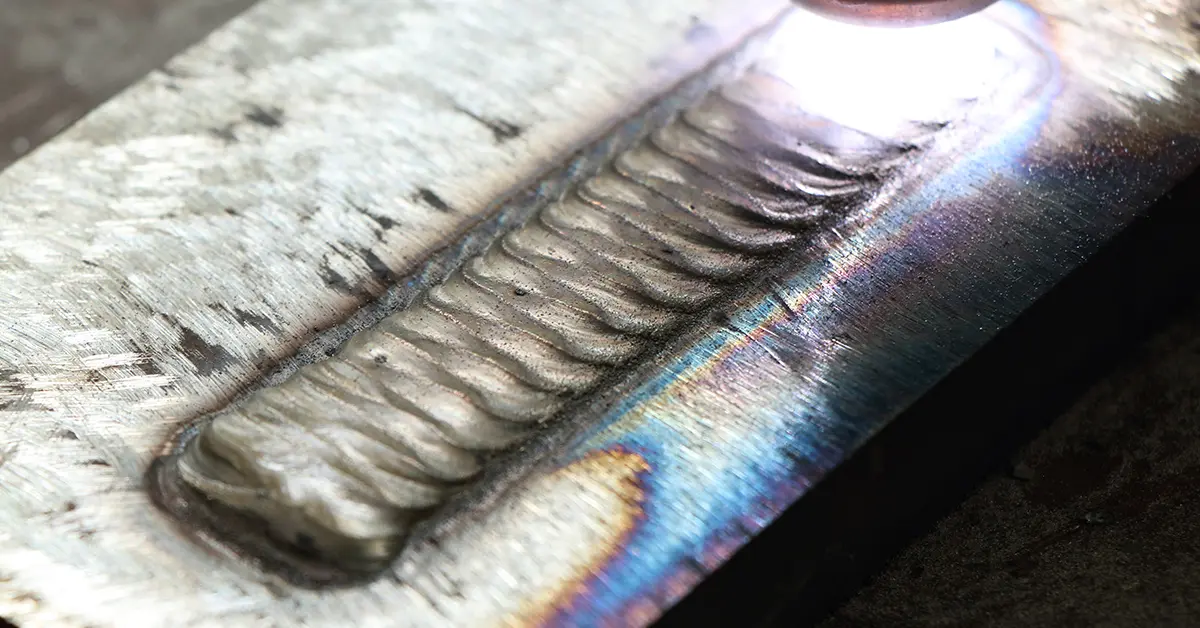
Unlike conventional arc welding, laser cladding reduces dilution down to 1-3%, preserving the pure material properties of the target superalloy (Stellite, Inconel, or Tungsten Carbides) in the first deposited layer.
Rapid heating and cooling cycles preserve the bulk mechanical properties of the base substrate, eliminating structural distortion and minimizing metallurgical phase changes in the heat-affected zone.
Repairing wear-damaged large shafts, industrial screws, and hydraulic cylinders yields savings of up to 60-80% compared to purchasing new replacements, drastically reducing downtime.
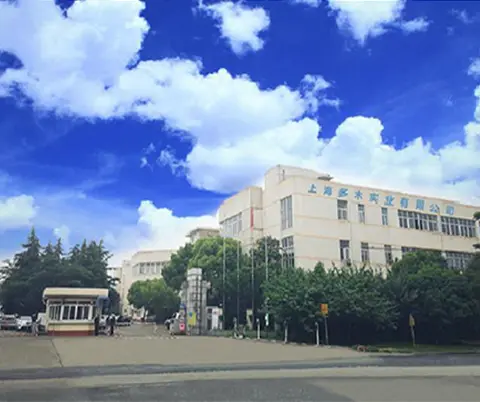
With more than a decade of research, development, and manufacturing excellence, Shanghai Duomu has established itself as an authoritative leader and premier exporter of Plasma Transferred Arc (PTA) cladding and laser cladding machinery. Our independent R&D team covers the entire spectrum of surface modification technology, providing engineered systems that are reliable, robust, and capable of sustained industrial operation.
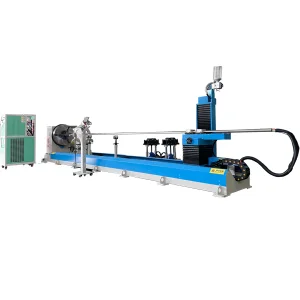
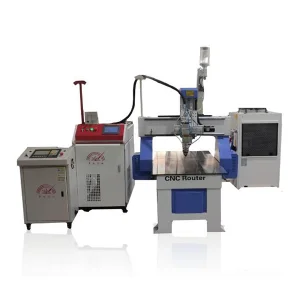
Our technical division houses advanced testing facilities to validate deposition rates, microstructural properties, and bond strengths. From automated screw welding units to heavy-duty gantry-style laser cladding setups, we supply turn-key solutions tailored to modern industrial remanufacturing demands.
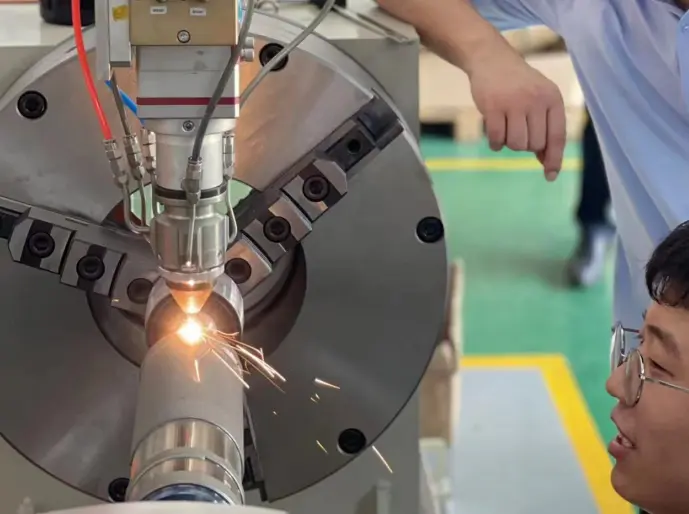
Our dedicated Technical Department focuses on the physics of the melt pool, powder feed dynamics, and optical systems design. Our welding systems and laser cladding components are engineered to deliver precise heat profiles and constant powder flow. This enables smooth overlays and reliable metallurgical bonds across various substrates.
We work directly with engineering partners to develop specialized software modules, automated robotic integrations, and closed-loop process monitoring systems. This technical depth allows us to customize machinery for unique geometric requirements, such as internal bores, intricate double-cone extruders, or multi-axis turbine blades.
Choosing the correct surface modification process is critical to balancing operation speed, thermal distortion budget, and material performance. The comparison matrix below outlines how Laser Cladding and Plasma Transferred Arc (PTA) compare across key parameters.
| Performance Parameter | Laser Cladding (Systems like DYY-LC501) | Plasma Transferred Arc (PTA) Hardfacing |
|---|---|---|
| Energy Source | High-Power Industrial Laser Beam (Diode/Fiber) | Transferred Plasma Arc (Tungsten Electrode) |
| Dilution Rate | Very Low (1% - 3%) | Low to Moderate (5% - 10%) |
| Heat-Affected Zone (HAZ) | Extremely Narrow (0.2mm - 0.8mm) | Narrow (1.0mm - 2.5mm) |
| Deposition Precision | Extremely High (±0.1mm accuracy) | High (±0.5mm accuracy) |
| Metallurgical Bond Strength | > 400 MPa (Excellent cohesive fusion) | > 350 MPa (Excellent fusion) |
| Substrate Distortion | Minimal to None (Excellent for thin-walled parts) | Slight to Moderate (Requires pre/post heating) |
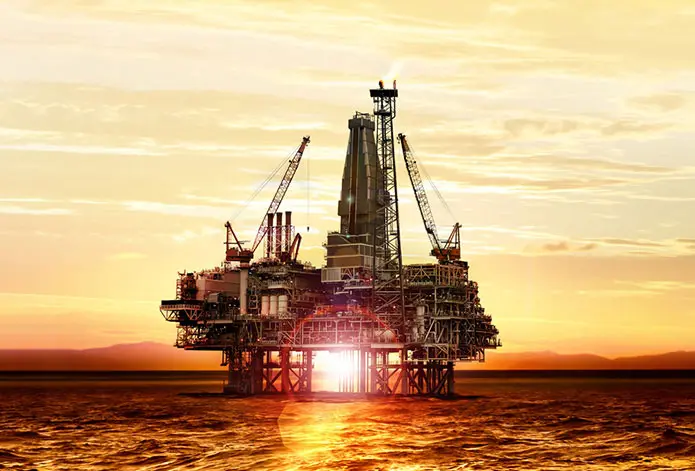
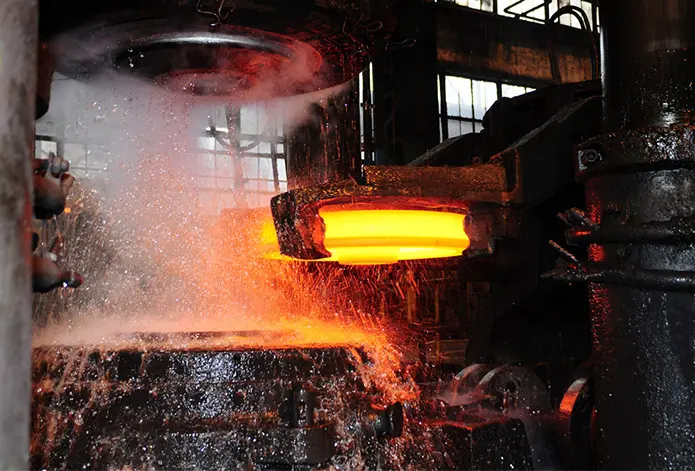
Our tailored cladding systems have been integrated into heavy industries worldwide, where wear resistance and material reclamation are vital to operations.


In Plasma Transferred Arc (PTA) and Laser Cladding processes, the dilution rate is a critical metric for overlay performance. Dilution refers to the percentage of the substrate alloy that melts and mixes into the deposited cladding layer. High dilution rates dilute the chemical composition of the hardfacing alloy, requiring multiple overlay passes to achieve the desired wear or corrosion resistance.
Shanghai Duomu's laser systems utilize high-density optical profiles to melt a thin layer of the substrate, achieving metallurgical bonding with minimal dilution. This ensures the first clad layer retains the chemistry and hardness of the original powder alloy, reducing material waste, processing time, and production costs.
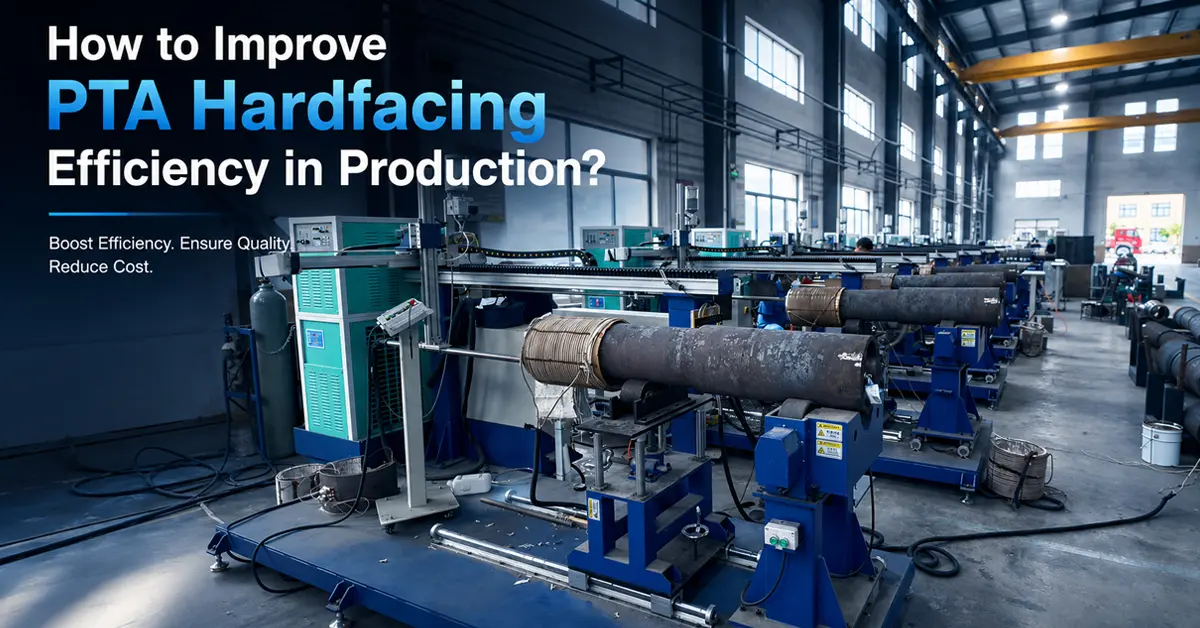
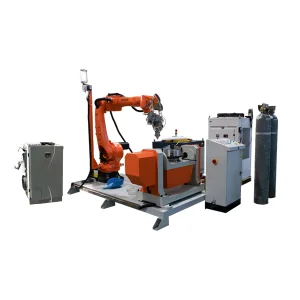
Real-world production efficiency is determined by deposition rate, powder utilization factor, and setup automation. Our integrated multi-functional systems combine robotic manipulators and continuous powder feeders to achieve up to 90% powder catchment rates. Additionally, automated trajectory planning reduces cycle times and increases consistency compared to manual operations.
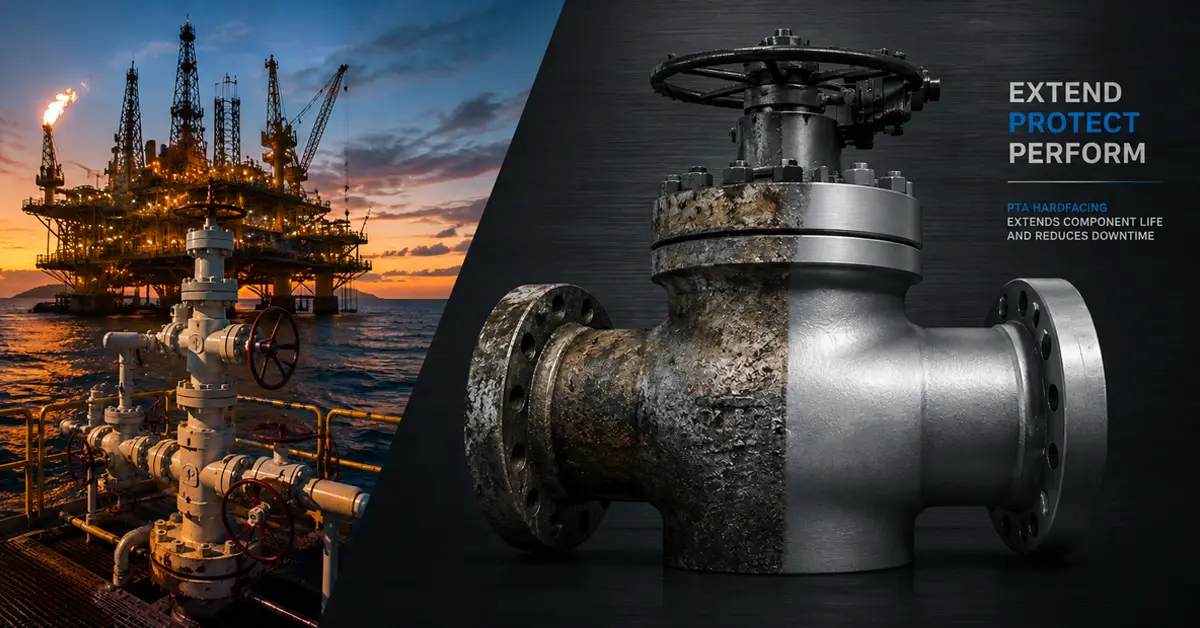
In industries like Oil & Gas, mining, and power generation, the primary cost of component failure is not the part itself—it is the associated system downtime. A failed mud pump valve or a worn conveyor screw can halt operations, resulting in significant hourly financial losses.
Using our custom automated cladding systems, local maintenance teams can reclaim components directly, restoring worn parts to OEM dimensions. Applying high-performance alloy overlays, such as cobalt-based Stellite or tungsten carbide matrices, often extends component service life beyond that of new OEM equivalents, providing a reliable long-term maintenance solution.
As industry standards evolve toward smart manufacturing and decarbonization, surface engineering is advancing through several key developments:
EHLA melts the cladding powder within the laser beam path before it contacts the substrate. This increases deposition speeds from 1-2 m/min to over 100 m/min, making it a viable, high-efficiency replacement for traditional hard chrome plating.
Our research focuses on integrating real-time infrared cameras and pyrometers. This allows the system to monitor thermal fluctuations in the melt pool and dynamically adjust laser power output, ensuring uniform clad structures and preventing defect formation.
Advanced feeding systems enable real-time variation of powder composition during deposition, allowing designers to create functionally graded material properties that transition from a ductile interior to an ultra-hard, wear-resistant exterior.
Maximizing PTA Hardfacing Efficiency: In industrial production, real efficiency depends on balancing deposition rate, minimal dilution, and high weld consistency. Utilizing automated positioning tables and precise powder feed units allows operators to maximize deposit thickness in a single pass while preventing overlay defects.
Tackling Slurry Wear in Mining: Excavation machinery and pump components exposed to harsh abrasives suffer from rapid surface degradation. Applying tungsten carbide overlays using our specialized PTA systems improves service life compared to standard carbon steel parts, reducing replacement costs.
Valve Overlay Reclamation: Reclaiming valve components used in high-temperature petrochemical pipelines requires clean overlays and a low heat-affected zone to prevent warping. Using automated cladding stations allows operators to achieve consistent metallurgical bonding, meeting API 6A standards.
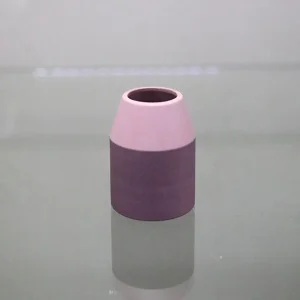
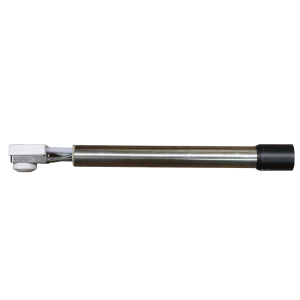
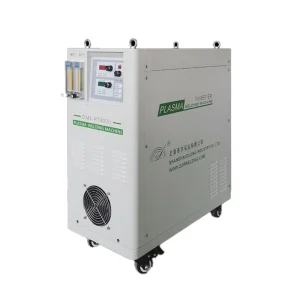
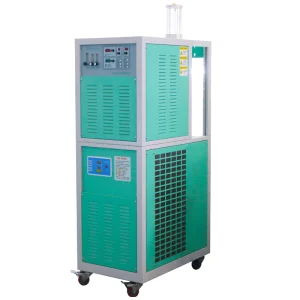
Additional systems, torches, and custom configurations for advanced industrial applications.



Contact Shanghai Duomu's engineering specialists to discuss your application parameters, request a technical feasibility review, or receive a project quote.