Select our precision engineered plasma surfacing machines, laser cladding units, and highly integrated components designed to extend structural wear lives.
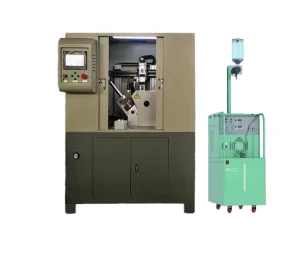
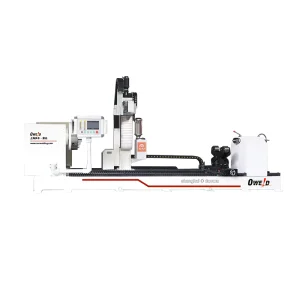
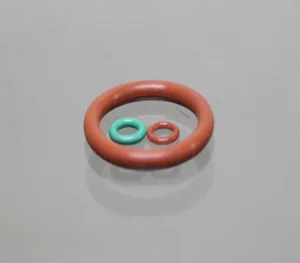
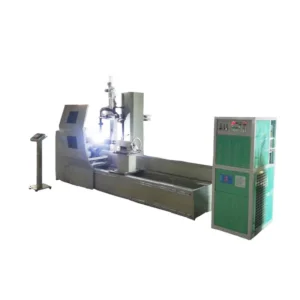
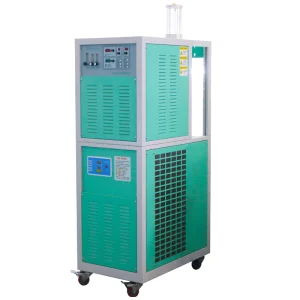
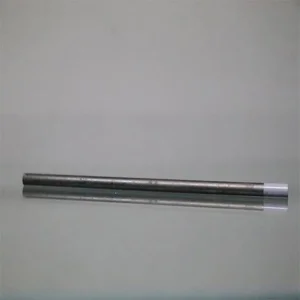
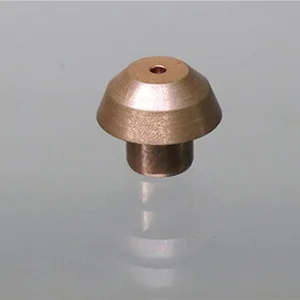
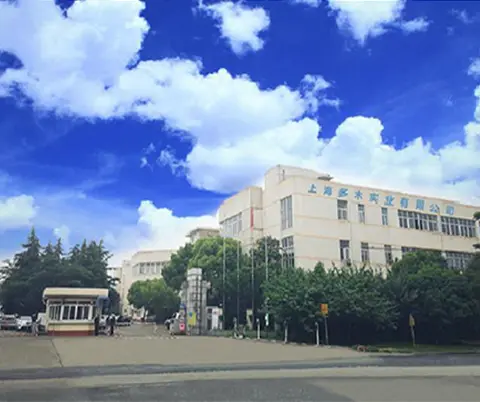
Shanghai Duomu has been a leading manufacturer and exporter of PTA cladding machine and Laser cladding machine for more than ten years with a strong technical background. We pride ourselves on pushing the limits of surface engineering, ensuring that critical industrial parts can resist intense thermal, abrasive, and corrosive degradation.
Through combining robust manufacturing values with modern design methodologies, we offer standard and completely custom setups. Our production footprint in China supports massive infrastructure projects across multiple continents, offering specialized surface modifications to dynamic components.
In modern industrial procurement, selecting a "Schweißsystem" (welding and cladding system) goes beyond purchasing hardware. Heavy industrial sectors face complex challenges related to downtime, metal fatigue, and corrosive wear. Finding the right manufacturer in China requires analyzing technical capability, long-term metallurgical stability, and system integration options.
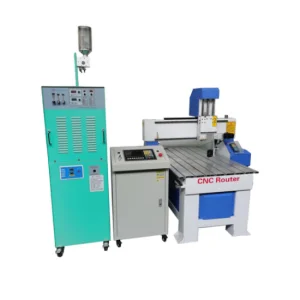
Whether sourcing a custom CNC-driven Laser cladding setup or an integrated PTA hardfacing system, procurement teams must prioritize the equipment's operational lifecycle. High performance relies on minimal dilution rates, narrow heat-affected zones (HAZ), and reliable powder feeder designs. Systems built with integrated PLC controllers and real-time process monitoring allow operators to achieve metallurgical bonds that prevent premature delamination under thermal or shock stress.
In Plasma Transferred Arc (PTA) cladding, keeping the dilution rate between 3% to 8% is essential. Dilution measures how much base material melts and blends into the applied protective layer. Keeping this rate low ensures that the cladding retains its targeted wear resistance, hardness, and corrosion-resistant properties without requiring thick, multi-layer overlays.
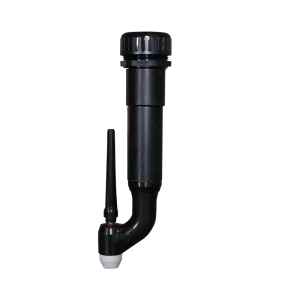
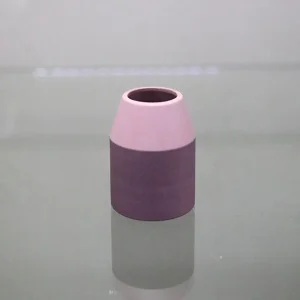
Furthermore, standardizing components like tungsten electrodes, gas shield covers, and robust PTA nozzles guarantees simple maintenance schedules. Global industries require Chinese suppliers to provide clear documentation, CE safety compliance, and robust English-language control interfaces. This structural integration ensures smooth deployment on the production floor.
At present, the company's products have penetrated into many fields such as aerospace military industry, nuclear power, petrochemical industry, coal mines, metallurgy and forging, agriculture, water conservancy and electric power.

Our solutions apply tungsten carbide overlays to tillage tools, subsoilers, and harvesting components, extending their service life in high-abrasion soil conditions.

Provides micro-precision PTA and high-power laser cladding systems for turbine blade rebuilding, compressor parts, and structural aerospace components.

Protects drilling stabilizers, mud pump rotors, and valve seats against severe downhole erosion and chemical wear in sour well environments.
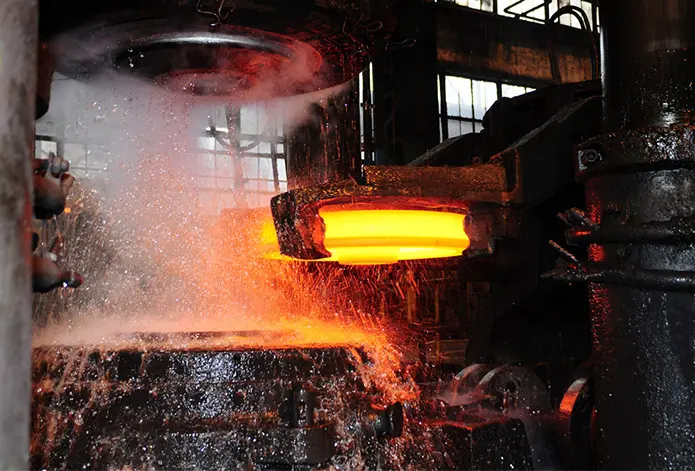
Applies thermal barriers and wear-resistant layers to hot rolls, extrusion shafts, and forging dies to withstand cyclic thermal loading.
Our technical department features an independent R&D team that designs, builds, and optimizes our entire range of plasma cladding machines. This focused research ensures that our Schweißsystem designs offer high stability, duty cycle reliability, and thermal control over long shifts.
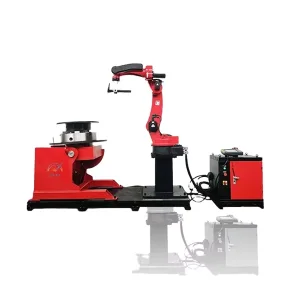
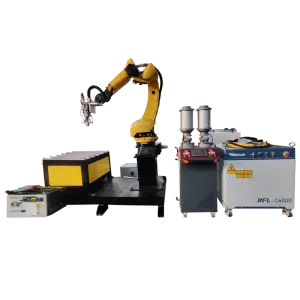
Additionally, our commercial laser cladding equipment is engineered to support demanding industrial remanufacturing projects. With established manufacturing setups, we supply complete industrial equipment packages, including robotic positioners, smart powder feeders, and optical sensors.
Our recent laser systems use coaxial powder injection configurations. This structure introduces powder stream vectors directly into the optical beam path, providing consistent, multi-directional cladding results regardless of the motion path.
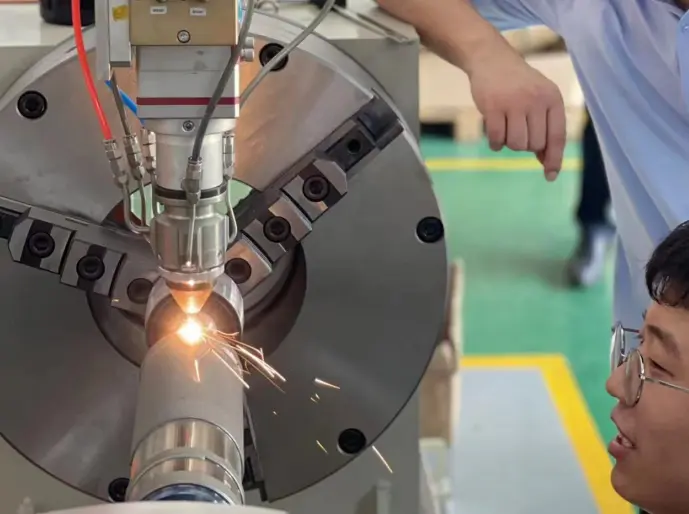
A look into how we integrate automated hardware, advanced software, and smart control loops to drive productivity.
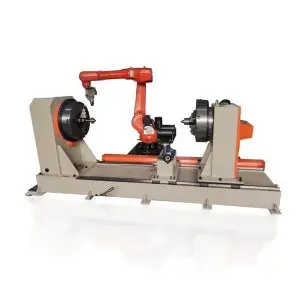
Linking 6-axis robotic arms with coordinated rotary tilt tables to clad complex geometries like screw flights, impeller vanes, and oilfield stabilizers.
Real-time melt pool temperature sensing adjusts laser power or arc current instantly, maintaining overlay consistency and reducing micro-cracks.
Pressurized dual-hopper powder feeders with precision feedback control feeding rates down to ±0.5g/min, minimizing alloy waste.
Learn how Duomu surface modifications improve component lifecycles in real-world scenarios.
In Plasma Transferred Arc (PTA) hardfacing, achieving a high-quality overlay is not only about selecting the right alloy powder or optimizing welding parameters. One of the most critical factors that directly affects overlay performance is the dilution rate. Keeping the dilution rate low ensures the cladding layer maintains its intended wear and corrosion properties without mixing too much base metal into the deposit.
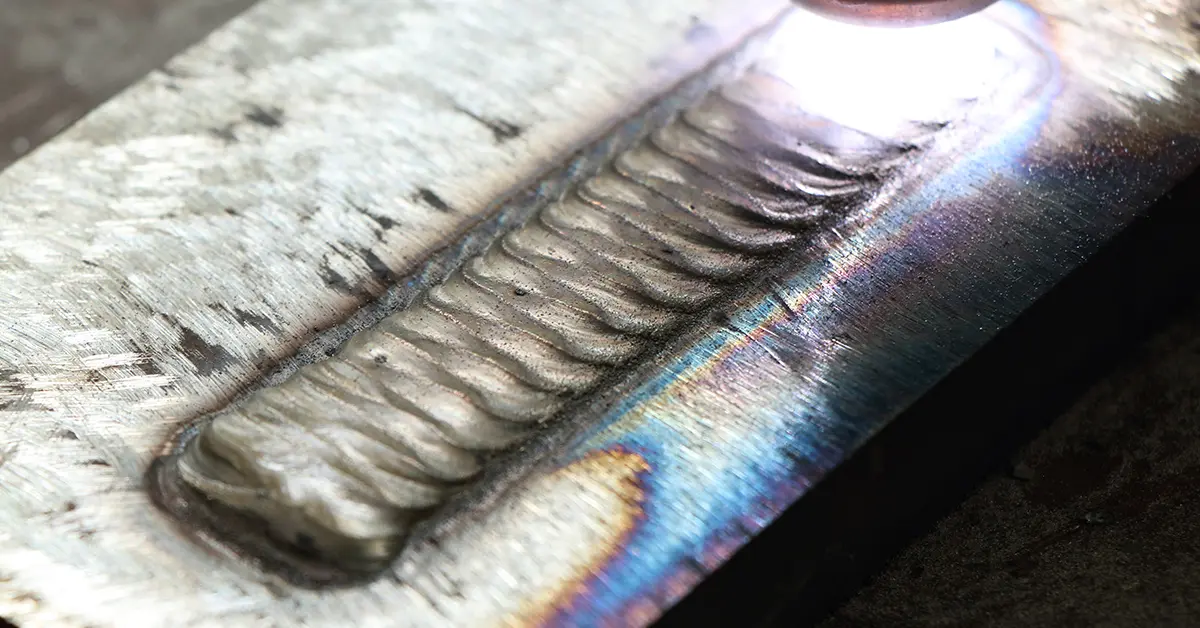
Improving PTA hardfacing efficiency goes beyond increasing feed rates or depositing more alloy within a shorter window. True efficiency depends on thermal balance, gas optimization, and selecting the correct PTA nozzles. Our technical field guide details how proper nozzle geometry minimizes tungsten electrode wear, ensuring consistent production runs.
In midstream and downstream oil and gas applications, high downtime costs make component lifetime critical. Applying cobalt-base or nickel-base alloys to choke valves, mud pump seats, and stabilizer surfaces using automated cladding protects parts against severe abrasive sand wear and sour gas corrosion.
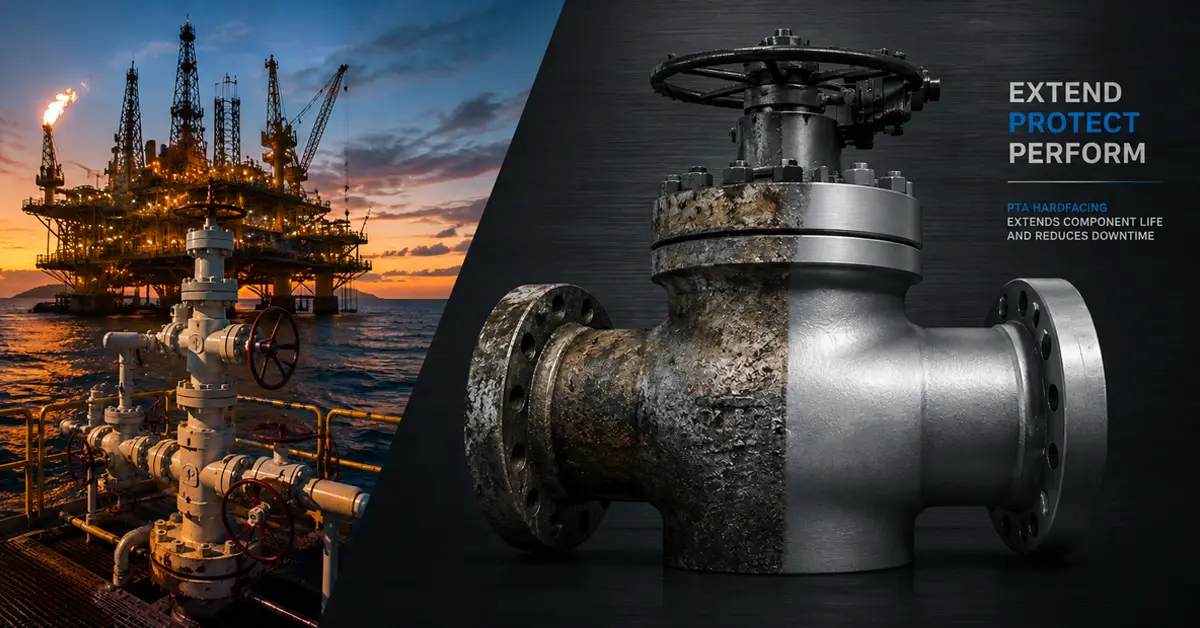
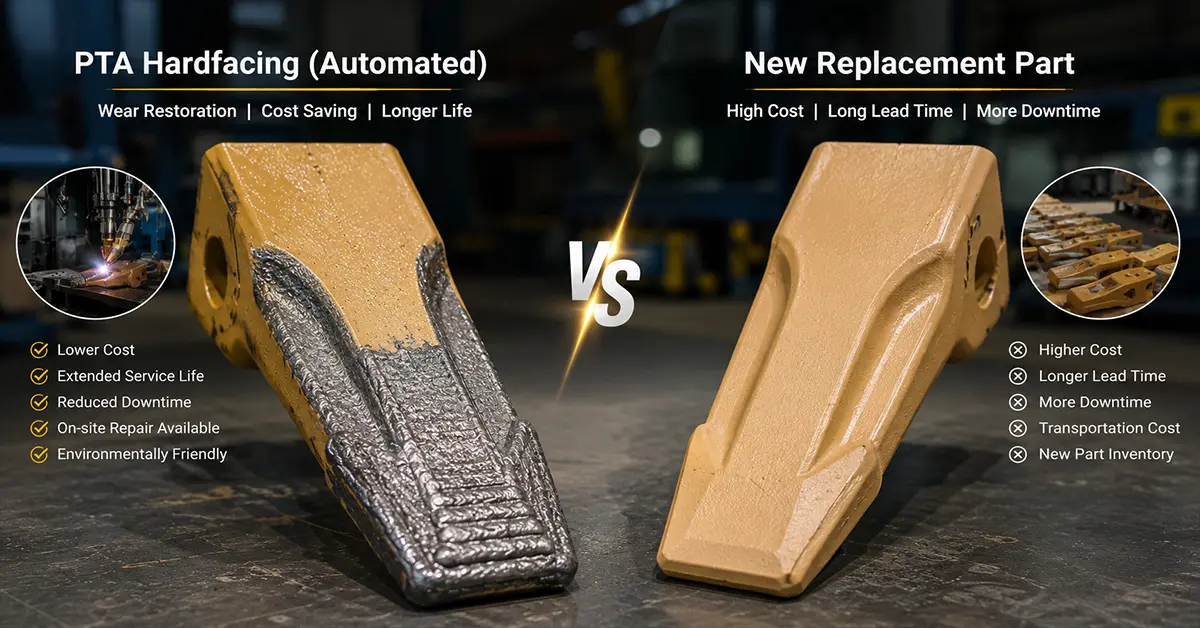
For industrial equipment operating in abrasive, erosive, corrosive, or high-temperature environments, wear is inevitable. The real challenge is not preventing wear altogether but choosing the most cost-effective maintenance strategy once wear occurs. Many maintenance teams are turning to automated PTA and laser cladding to repair worn surfaces, restoring parts to their original dimensions at a fraction of the cost of buying new ones.
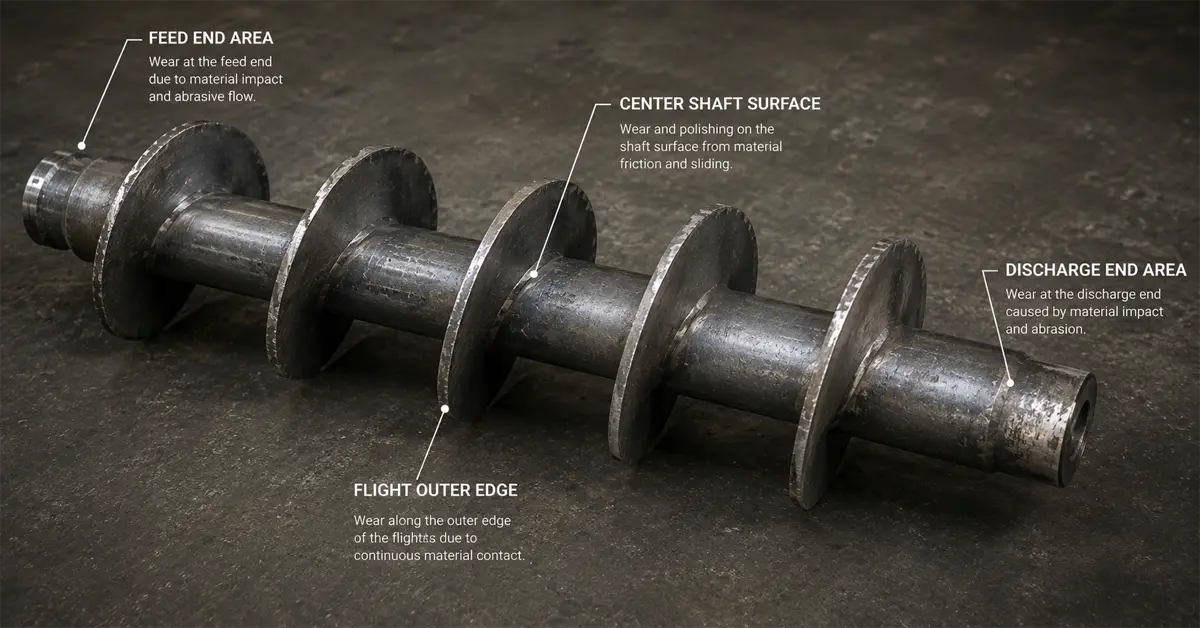
Screw conveyors are critical components in mining, cement, and power generation. However, processing coarse, abrasive minerals can quickly wear down their flights. Using our custom cladding systems, plants can apply a continuous wear layer along the outer flight edges, significantly reducing wear and extending maintenance intervals.
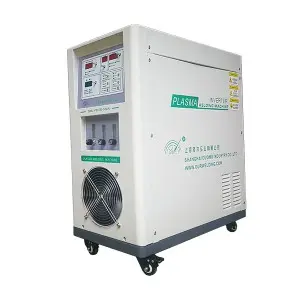
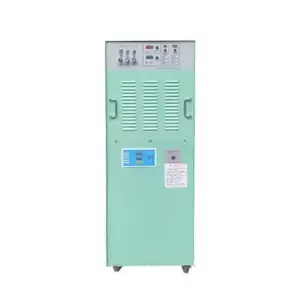
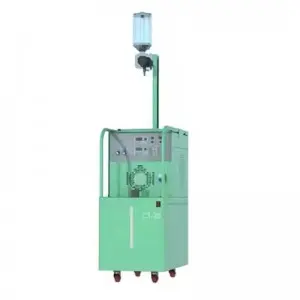
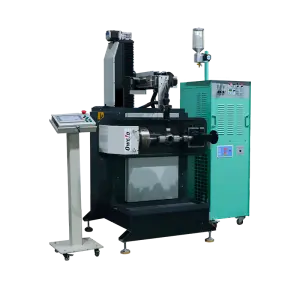
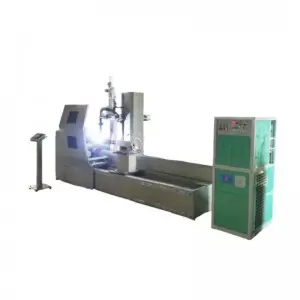
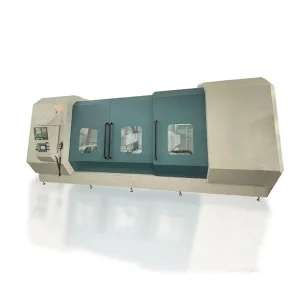
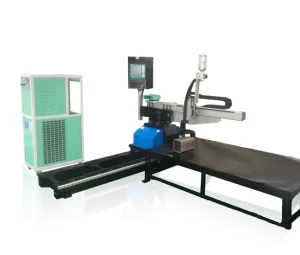
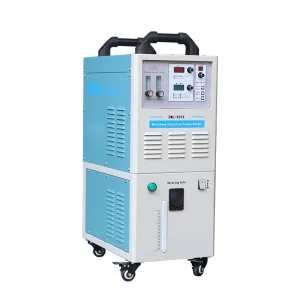
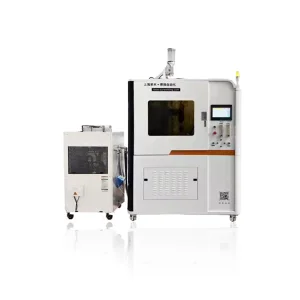
We provide customized equipment, automatic laser cladding equipment, automatic plasma cladding equipment, intelligent robot cladding equipment, and more, configured to match specific client requests. This includes specialized, industry-focused machinery such as hydraulic rod cladding machines, pick cladding machines, and valve cladding systems.
By assessing parameters like component weight, geometry, base material composition, and expected hourly production output, our engineering team constructs modular hardfacing workstations. These systems integrate smoothly into existing manufacturing cells with minimal modification.
Clear answers to technical and operational questions regarding Plasma Transferred Arc and Laser Cladding systems.
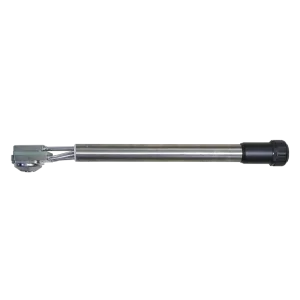
Explore our specialized torches, micro-plasma systems, and cantilever surfacing units built for robust manufacturing processes.





Our technical engineering team responds to inquiries, technical drawing reviews, and custom quotes within 24 hours.