
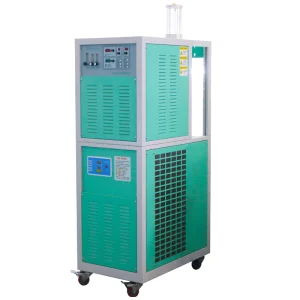
 China High Integration Plasma Powder Welding Machine (DML-V03BD)
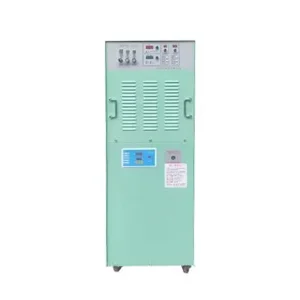 Multifunctional Plasma Powder Welding Machine (DML-V03AD)
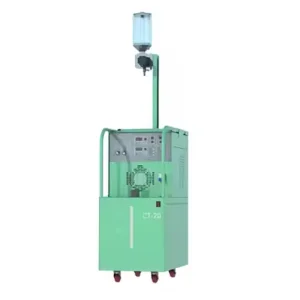 High-Quality Multifunctional Plasma Powder Welding Machine (DML-V02BD)
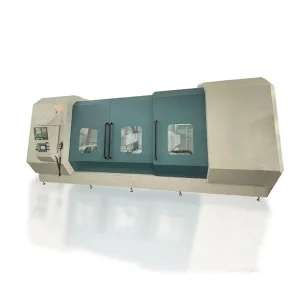 Custom Laser Cladding Equipment for Hydraulic Rods
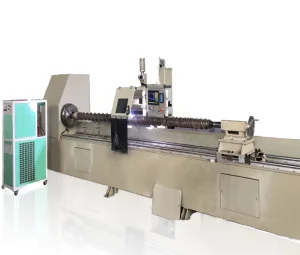 DLG-NC401 Automatic Screw Welding Machine
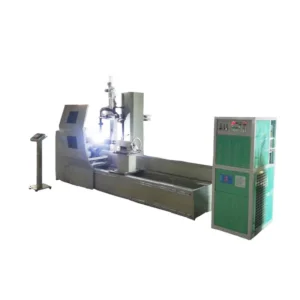 DYY-LC501 Hydraulic Rod Automatic Plasma Cladding
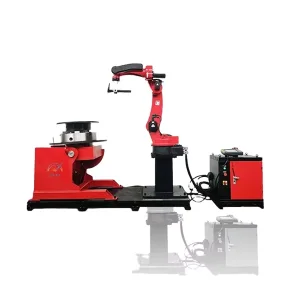 Automatic 6 Axis Robot Arm Robotic Welding Machine
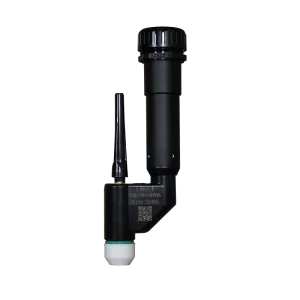 Affordable Plasma Transfer Arc Surfacing Torch 160
In the realm of high-precision industrial surface engineering, プラズマ溶接 (Plasma Welding), specifically Plasma Transferred Arc (PTA) cladding, is renowned for its high energy density and metallurgical bonding capabilities. However, a professional procurement and engineering strategy must address the デメリット (demerits) to maximize ROI.
1. Thermal Impact: Historically, the high heat input of plasma welding compared to laser cladding could lead to a larger Heat Affected Zone (HAZ). Shanghai Duomu mitigates this via integrated pulsed plasma controllers that precisely manage cooling rates.
2. Complexity of Operation: Traditional systems required highly skilled manual intervention. Modern Chinese factories have revolutionized this by integrating AI-driven PLC control systems and 6-axis robotics, transforming a "disadvantage" into a programmable asset.
3. Equipment Cost vs. Output: While the initial investment in high-quality PTA systems is significant, the Information Gain in analyzing the lifecycle cost shows that PTA's powder utilization rate (up to 95%) far exceeds TIG or MIG processes.
Download Technical Whitepaper
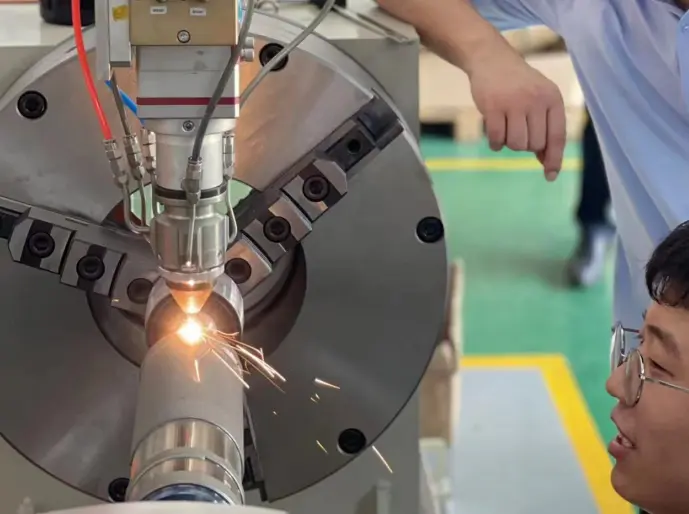
The global shift toward Chinese manufacturing in the welding sector is driven by Agile Innovation and Vertical Integration. Shanghai Duomu exemplifies these strengths:
The integration of machine vision to automatically identify wear patterns and adjust plasma arc intensity in real-time.
Reducing carbon footprints by repairing multi-million dollar components rather than scrapping them. PTA is the core technology for this ESG shift.
Combining PTA with Laser Cladding to create "Double Shield" protection for components in extreme corrosive environments like subsea oil extraction.
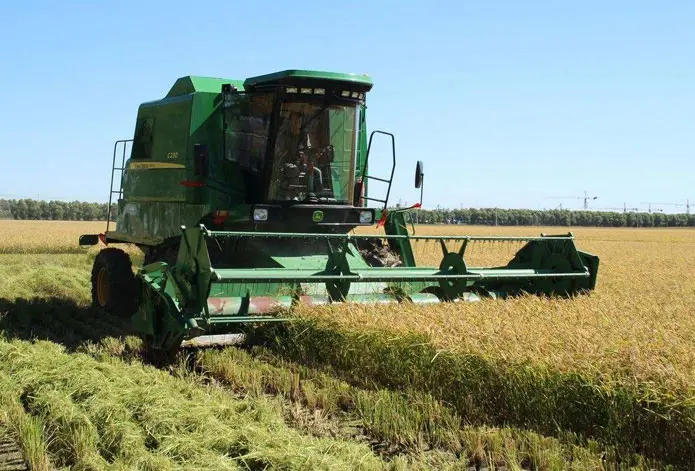
Hardfacing of soil-engaging tools for 5x longer service life.

Precision repair of turbine blades and high-stress landing gear components.
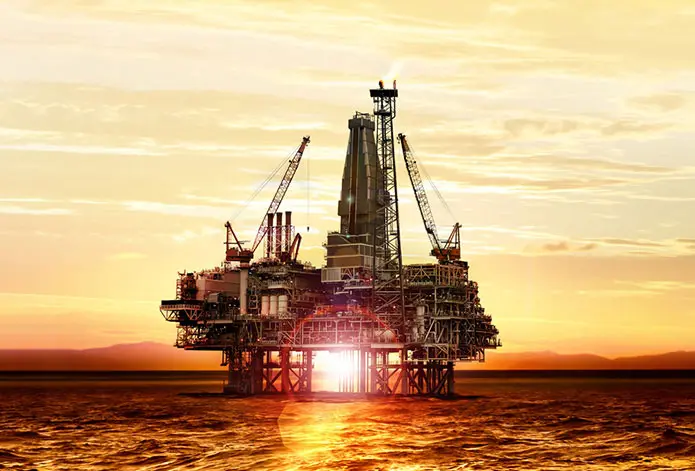
Corrosion-resistant overlays for drill stabilizers and valves.
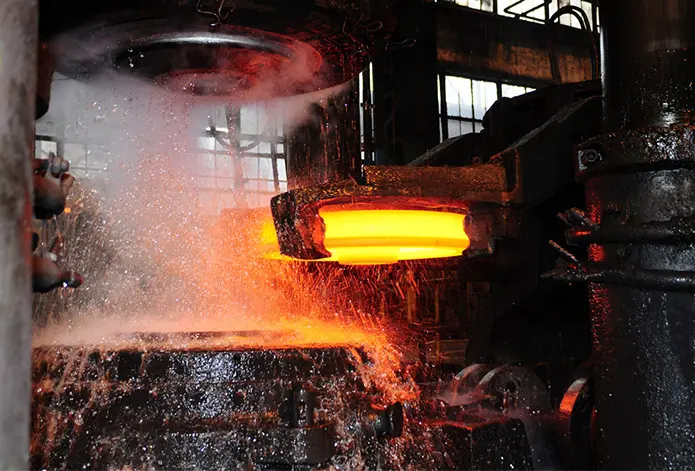
Thermal fatigue resistance for continuous casting rollers.
For multinational corporations, procurement isn't just about the machine; it's about the Solution Ecosystem. Shanghai Duomu provides a "Turnkey" approach to plasma welding challenges:
Our systems are CE and ISO certified, ensuring that a production line in Germany or Brazil operates with the same precision as in Shanghai.
Customized powder feeding parameters for Stellite, Colmonoy, and Tungsten Carbide alloys to ensure zero-porosity outcomes.
Our DML-V03 series utilizes a patented high-frequency switching power supply that allows for "Cool Plasma" cladding, reducing the total heat input by 30% compared to standard PTA systems.
Most clients report full equipment payback within 8-12 months due to the dramatic reduction in downtime and the ability to reuse expensive substrate materials.
Yes, we offer specialized 120A deep-hole welding torches capable of cladding pipes with IDs as small as 80mm and depths up to 1000mm.
We offer 24/7 remote diagnostic support via integrated IoT modules on our machines, plus on-site training and local service partners in over 20 countries.
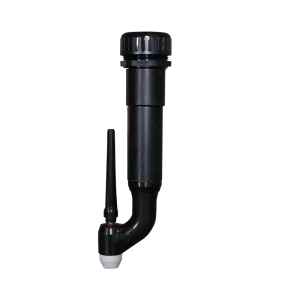 China Plasma Torch 100A Factory
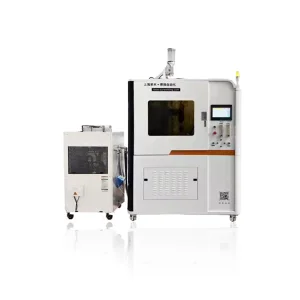 DJC-LC305 Automatic Laser Cladding Equipment
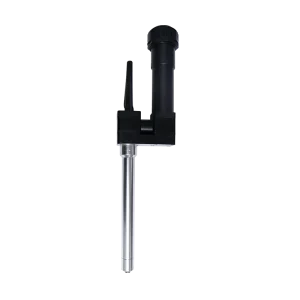 120A Deep Hole Welding Torch
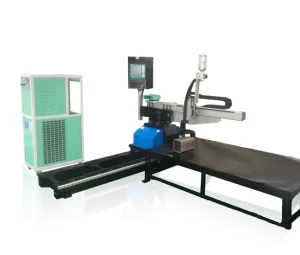 DXB-NC301 Cantilever Plasma Surfacing System
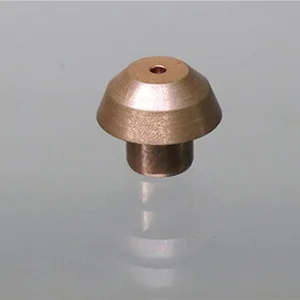 Robust Nozzle with Firm Plasma Transferred Arc
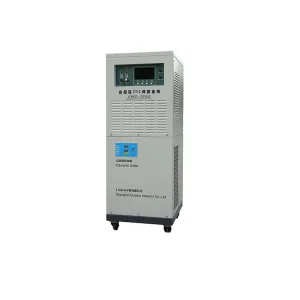 China SWS1000 S-TIG Welding Machine
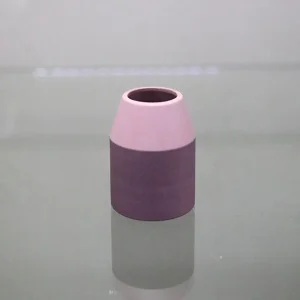 High-Quality Gas Shield Cover
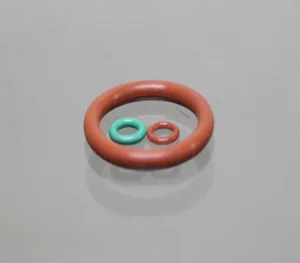 Rubble Ring for Plasma Torch Manufacturers
Get a consultation on optimizing your surface engineering workflow and overcoming technical demerits.
📍 Unit 2, No.615 Feng Deng Road, Jiading District, Shanghai, China