 China Robotic Laser cladding System for blades Supplier
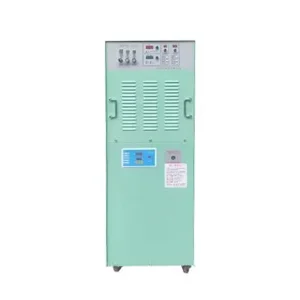 Integrated multifunctional plasma powder welding machine
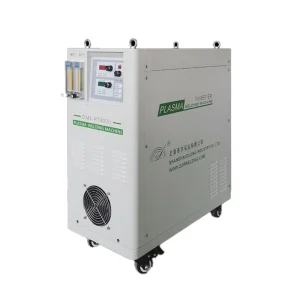 Custom DM-PT4000 Plasma arc welding machine
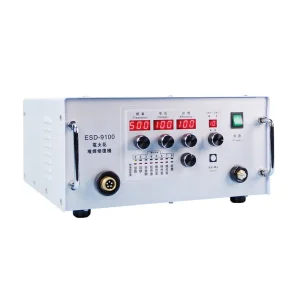 Intelligent EDM cladding repair machine ——ESD-9100
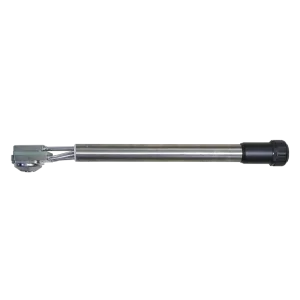 High-Quality Plasma Bore Welding Torch DNPT50019-HQ
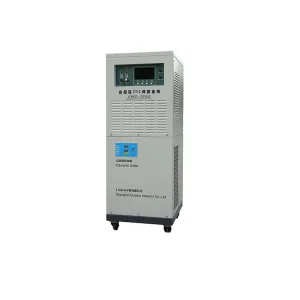 China SWS1000 S-TIG welding machine Supplier
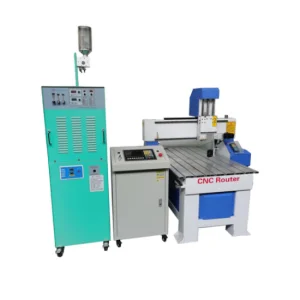 China DNC2000 Planar plasma surfacing system
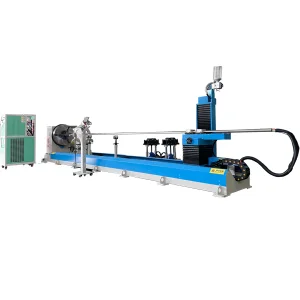 Custom DSL-LC401 Double cone injection molding cladding
In the current era of Industry 4.0, the role of a High-Quality Automated Cladding Supplier has evolved from a simple equipment vendor to a strategic partner in material science and lifecycle management. Automated cladding—incorporating Laser Transferred Arc and Plasma Transferred Arc (PTA) technologies—represents the pinnacle of surface hardening, corrosion resistance, and component remanufacturing.
As global industries pivot toward a Circular Economy, the ability to restore high-value components rather than replacing them has become a critical competitive advantage. Automated systems ensure repeatable, high-precision metallurgical bonding that manual processes simply cannot match, reducing dilution rates and maximizing the performance of expensive alloy powders.
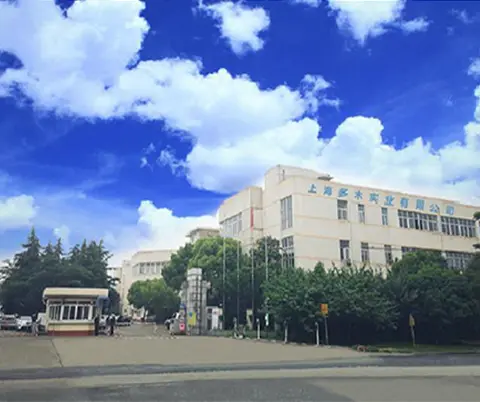
Our dedicated technical department comprises metallurgical experts and software engineers focusing on low-dilution PTA systems and high-speed laser deposition. This enables a stable, efficient long-term operation for massive industrial scale.
From aerospace turbines to coal mine hydraulic supports, our solutions are engineered to withstand extreme abrasive, corrosive, and high-temperature environments.
Integrating 6-axis robotic arms with real-time melt pool monitoring ensures that every micron of the cladding layer meets rigorous nuclear and military-grade standards.
Our penetration into niche markets proves our versatility as a leading supplier. We don't just provide a machine; we provide a calibrated solution for specific metallurgical challenges.
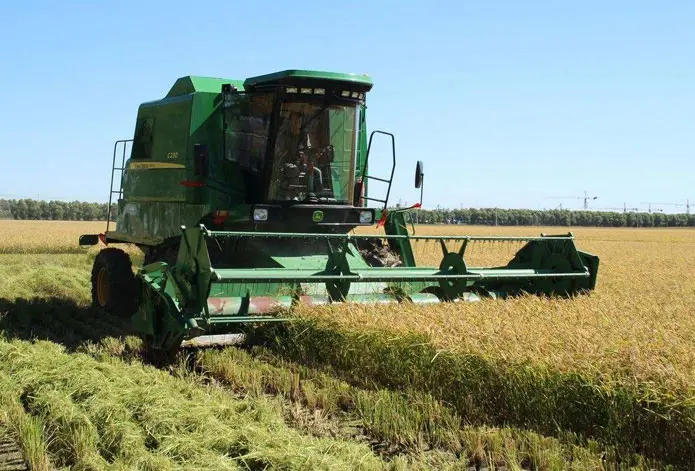

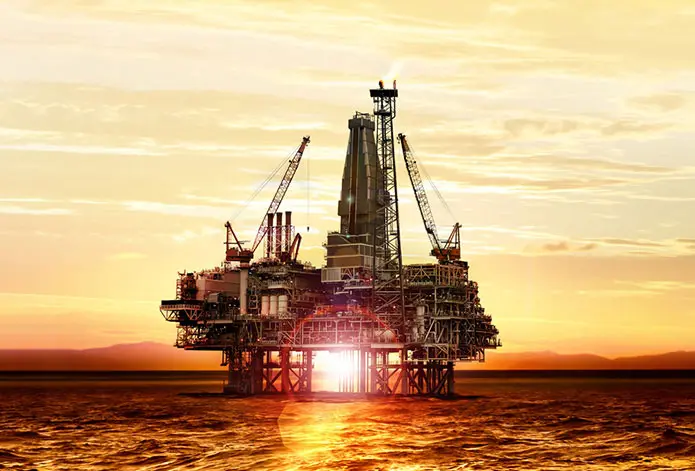
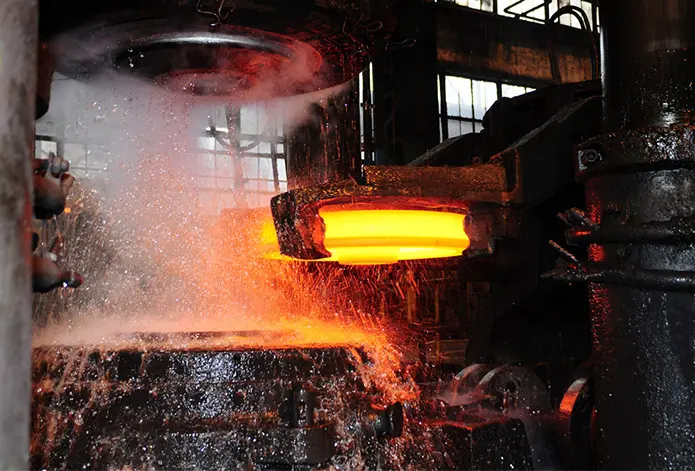
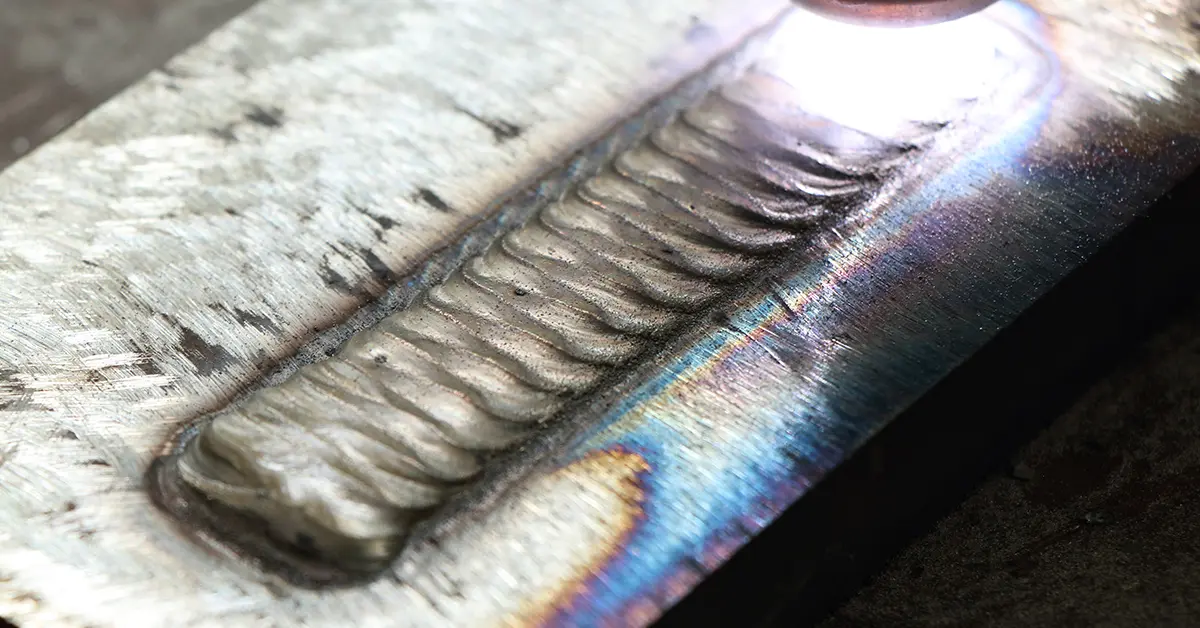
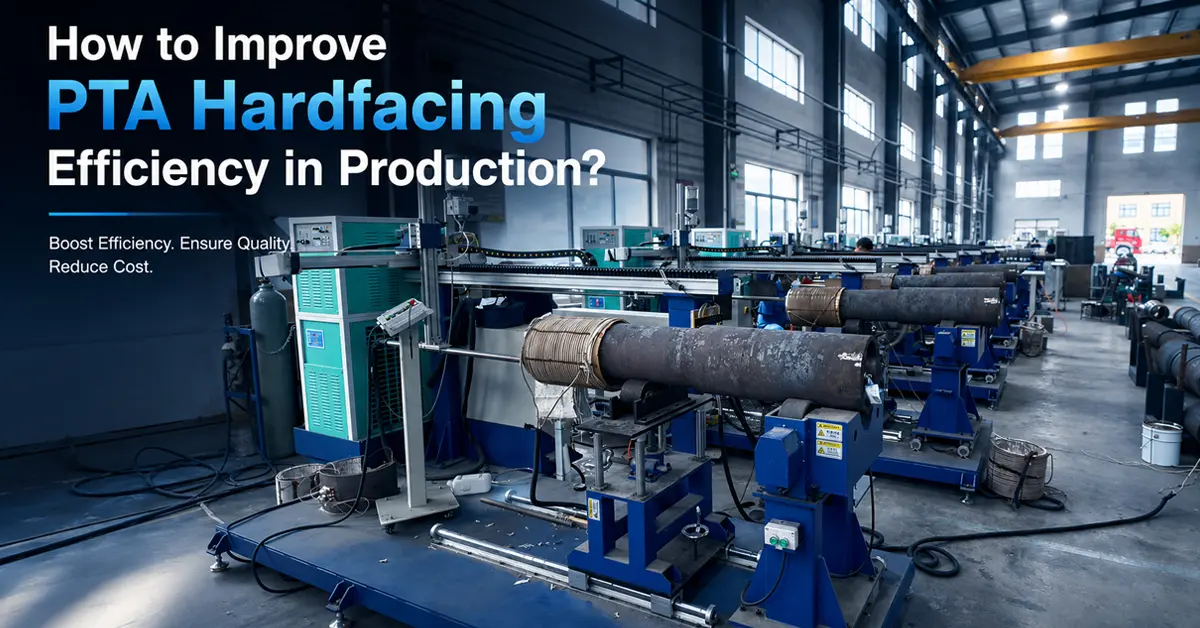
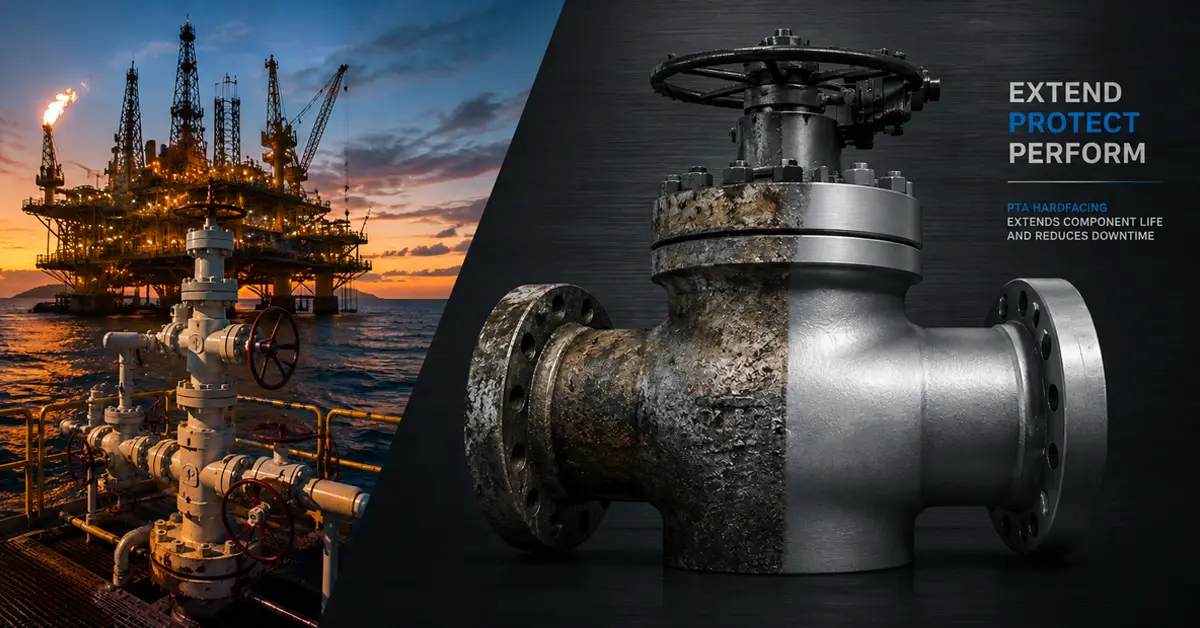
In Plasma Transferred Arc (PTA) hardfacing, achieving a high-quality overlay is not only about selecting the right alloy powder. One of the most critical factors is the dilution rate. High-quality automated systems from Shanghai Duomu allow for precise control over the heat input, ensuring the properties of the surfacing alloy are not compromised by the base metal. This is vital for mud pump valve seats, drill stabilizers, and screw conveyors which are frequent causes of unplanned production downtime.
We are moving toward creating digital replicas of the cladding process, allowing for predictive maintenance and virtual stress testing before the physical arc even ignites.
Our upcoming generation of feeding systems is designed to handle advanced nano-structured powders, providing wear resistance that exceeds traditional stellite alloys by 300%.
Understanding regional standards (ASME, CE, ISO) is at the core of our export strategy. We provide full localized support, ensuring that our machines integrate seamlessly into existing production lines in North America, Europe, and Southeast Asia.
Automated cladding offers superior consistency, lower dilution rates (often under 5%), and significantly higher deposition rates. It eliminates human error, ensuring every part meets the same metallurgical specification.
Yes, our specialized bore welding torches (like the DNPT50019-HQ) are designed specifically for the inner walls of hydraulic rods and injection molding barrels.
Laser cladding provides a smaller Heat Affected Zone (HAZ) and is ideal for thin-walled components or parts where thermal distortion must be minimized. PTA is generally more cost-effective for thick, high-wear protective layers.
Absolutely. We specialize in custom equipment for hydraulic rods, picks, ball valves, and more, tailored to the specific geometry and material requirements of our clients.



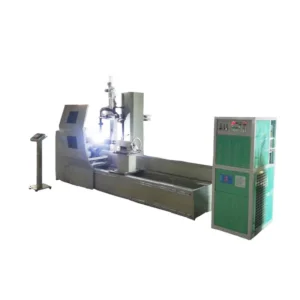 DYY-LC501 Hydraulic rod automatic plasma cladding machine
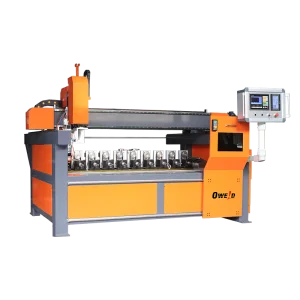 Gantry Laser Cladding Machine for Small Components
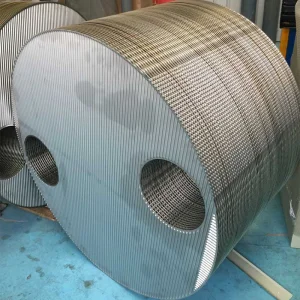 DMMP-01 Numerical control welding machine
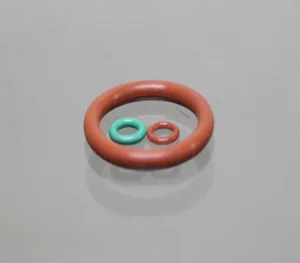 High-Quality Rubble Ring For Plasma Torch Manufacturers
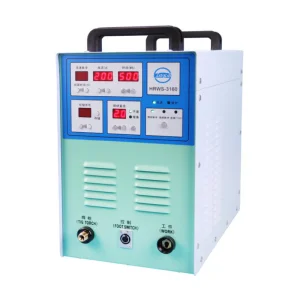 High-Quality HRWS Precision Repair Welding Machine
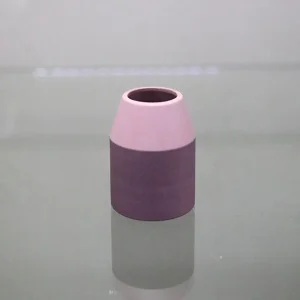 China Gas shield cover Suppliers, Factories
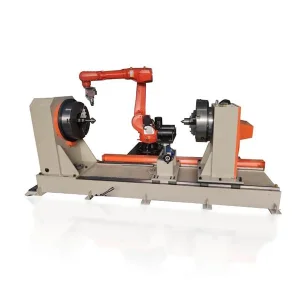 China Laser hardening robot Supplier, Suppliers
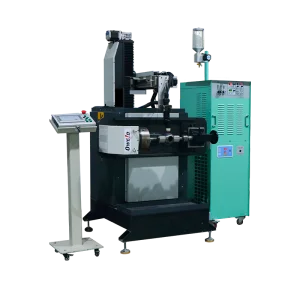 Custom Ball Valve Automated Welding Equipment DQF-LC602