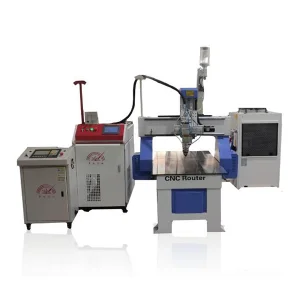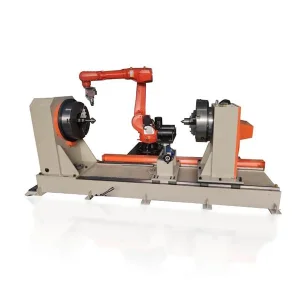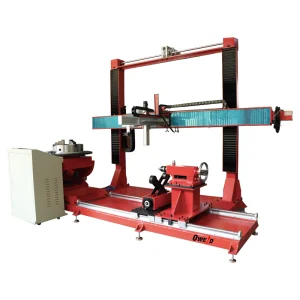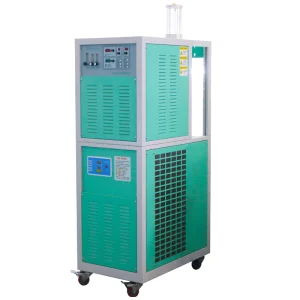
Beyond standard welding, modern industrial "Soldadura" (Welding) requires a semantic understanding of metallurgical fusion, dilution control, and automated precision. In the era of Industry 4.0, TIG and Plasma Transferred Arc (PTA) technologies are no longer just tools—they are the backbone of component life-extension and high-performance manufacturing.
Enterprises are shifting from "initial cost" procurement to "Life Cycle Value" (LCV) strategies. In sectors like oil and gas or mining, the focus is on reducing downtime through advanced PTA hardfacing. Sourcing from a factory that integrates R&D with manufacturing ensures that the equipment can handle specific alloy powders like Tungsten Carbide or Stellite.
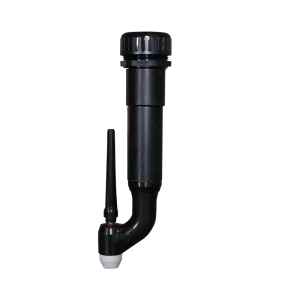
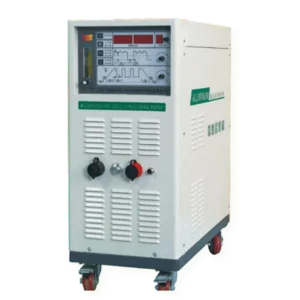
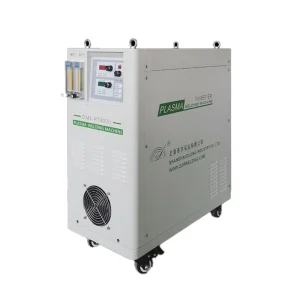
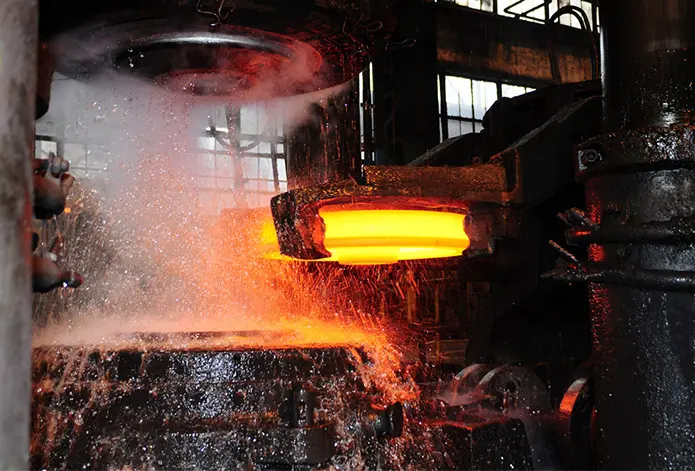
Traditional TIG welding provides clean results but lacks the speed for large-scale industrial cladding. Plasma Transferred Arc (PTA) technology fills this gap by providing a concentrated energy source that achieves a dilution rate of less than 5%, significantly lower than traditional arc welding. This preserves the properties of the surfacing material.
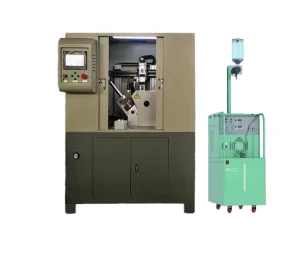
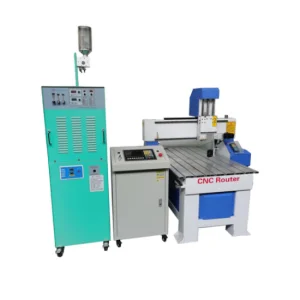
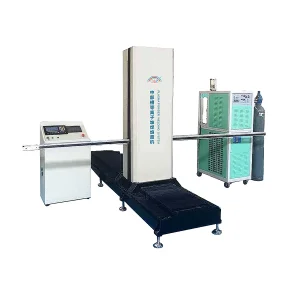
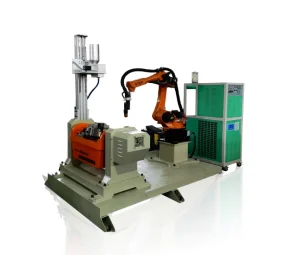
The integration of numerical control (NC) and robotic arms into welding systems represents the next frontier. Machines like the DMMP-01 or DH1440-B06 surfacing robot allow for repeatable, high-precision results that are independent of human welder fatigue, addressing the global skilled labor shortage.
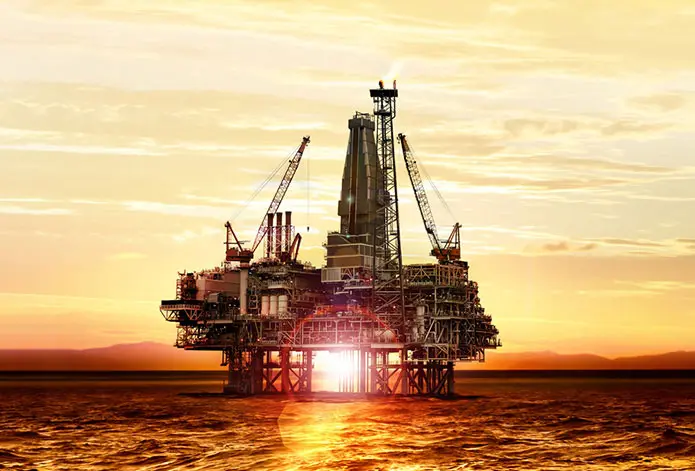
Shanghai Duomu's technology is deployed across high-stakes environments where failure is not an option.


Shanghai Duomu has been a leading manufacturer and exporter of PTA cladding machines and Laser cladding machines for more than ten years. With a strong technical background and an independent R&D team, we don't just sell equipment; we provide complete industrial ecosystems.
Our technical roadmap focuses on "Precision Surfacing & Intelligent Control." From the early days of manual TIG welding to our current AI-integrated robotic surfacing systems, we have consistently pushed the boundaries of how alloy layers are deposited onto base metals.
Years Experience
Independent Lab
Response Guarantee
In the global circular economy, remanufacturing is key. Our laser cladding equipment supports large-scale restoration of turbine blades, hydraulic rods, and valves, reducing material waste by up to 80% compared to new component manufacturing.
We provide specialized equipment such as hydraulic rod cladding machines and valve cladding machines tailored to the client's specific workpiece geometry and metallurgical requirements.
Our roadmap includes the integration of IoT sensors to monitor welding parameters in real-time, feeding data into AI models to predict weld quality and prevent defects before they occur.
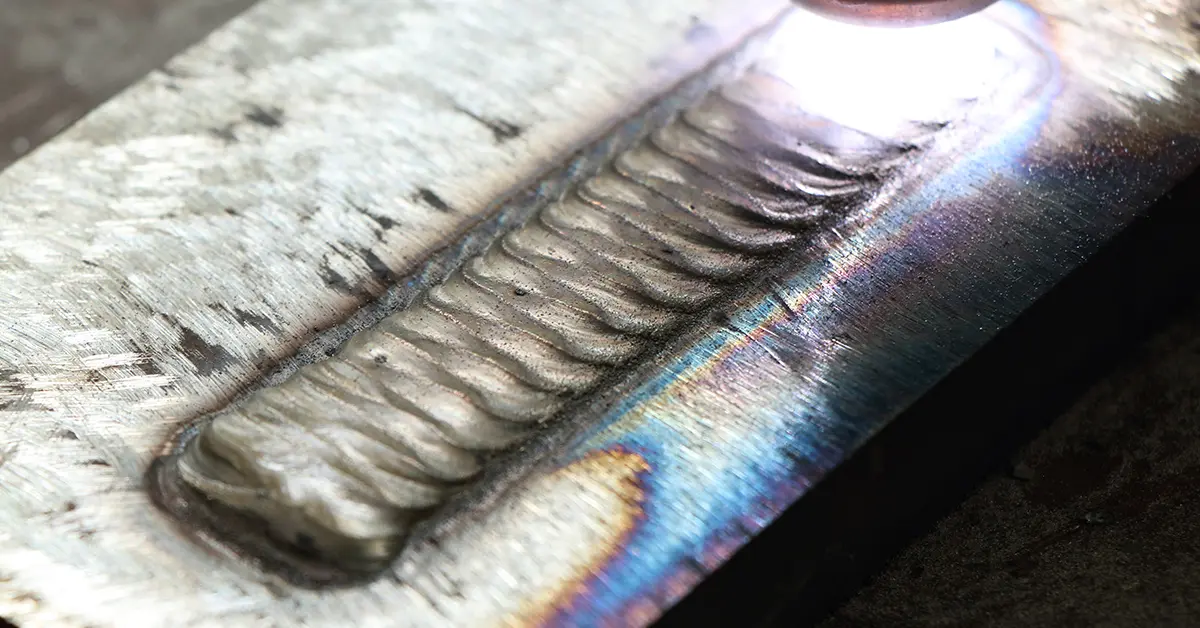
In Plasma Transferred Arc (PTA) hardfacing, achieving a high-quality overlay is not only about selecting the right alloy powder... one of the most critical factors is the dilution rate.

Improving PTA hardfacing efficiency is not simply about increasing speed. It involves optimizing parameters to deposit more alloy within a shorter time without compromising structural integrity.

In Oil & Gas, the Real Cost Is Downtime—Not the Component. When a choke valve fails due to sand erosion, advanced surfacing is the only viable economic solution.
Operating in international markets requires more than just high-quality machines; it requires adherence to strict standards.
With exports spanning the globe, we offer technical documentation and interface languages customized for regional operators.
Our equipment complies with CE and ISO standards, ensuring safety and reliability in any industrial setting.
We provide remote diagnostics and on-site support to minimize downtime for our global partners.
PTA (Plasma Transferred Arc) offers a higher energy density and a much lower dilution rate (often <5%) compared to TIG. This means the properties of the expensive alloy powder are not "watered down" by the base metal, resulting in superior wear resistance.
Yes, we specialize in custom-built gantry systems and robotic integrations. Whether you are cladding small valve seats or 10-meter hydraulic rods, we can engineer a solution.
Our systems are designed to work with a wide range of alloy powders, including Cobalt-based (Stellite), Nickel-based, Iron-based, and Tungsten Carbide mixtures.
Laser hardening provides precise, localized heat control, which prevents overall part distortion while achieving extreme surface hardness. It is significantly more energy-efficient and faster than furnace treatments.
Get a professional consultation and custom quote from Shanghai Duomu's technical team today.
📍 Unit 2, No.615 Feng Deng Road, Jiading District, Shanghai, China