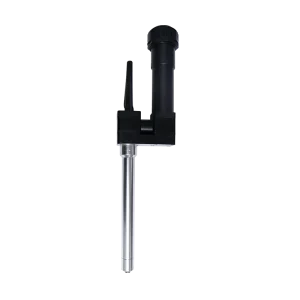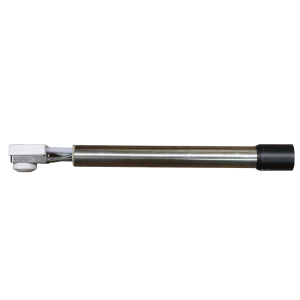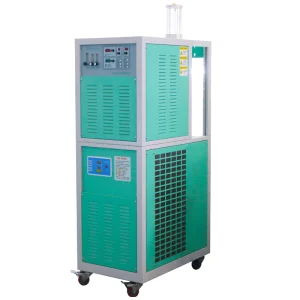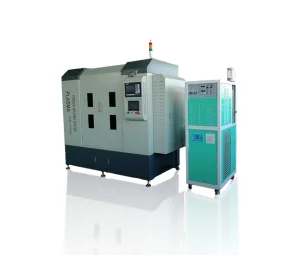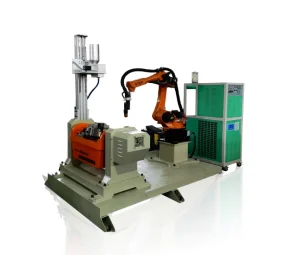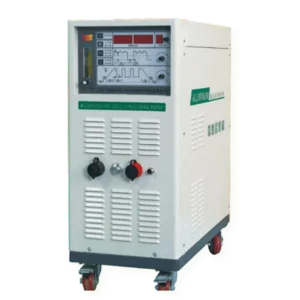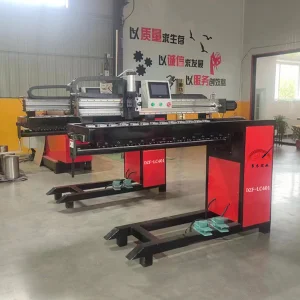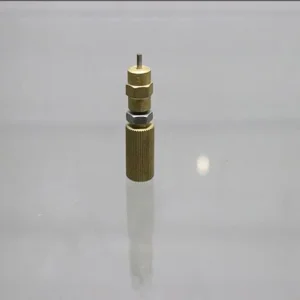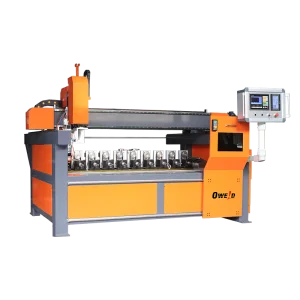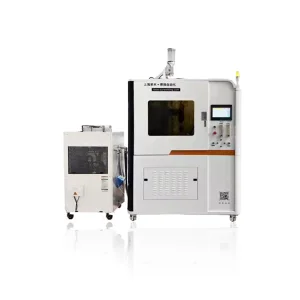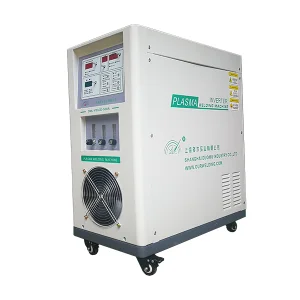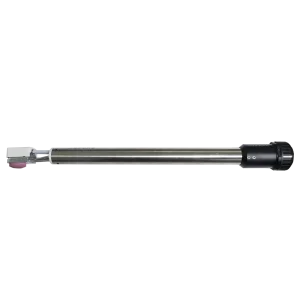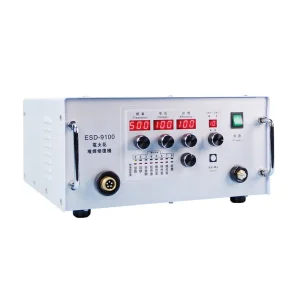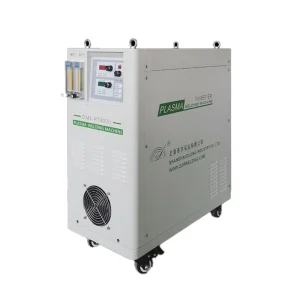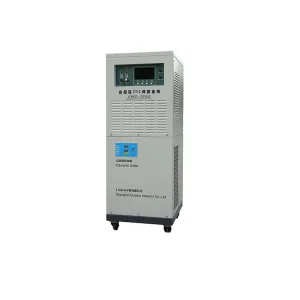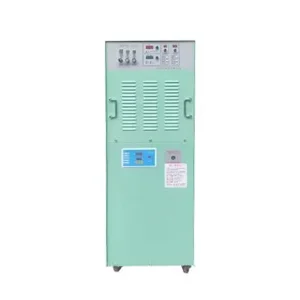
In the modern industrial landscape, where durability and precision are non-negotiable, Plasma Transferred Arc (PTA) welding—often referred to in Eastern European markets as Плазменная Сварка—has emerged as a transformative technology. As a leading manufacturer with over a decade of R&D, Shanghai Duomu (上海多目) specializes in the integration of Plasma and Laser cladding systems designed for high-performance remanufacturing.
Plasma welding is more than just a joining process; it is a surface engineering solution. By utilizing a constrained arc with high energy density, it allows for the deposition of wear-resistant and corrosion-resistant alloys onto base materials with minimal thermal distortion. This white paper explores the profound advantages (преимущества) and limitations (недостатки) of the technology, providing technical insights for global decision-makers in aerospace, nuclear power, and heavy machinery.

Enhancing the wear-resistance of ploughshares and harvesting tools in CIS regions through PTA powder surfacing.

Critical component repair for jet engines and turbine blades, where high-precision heat control is paramount.

Plasma cladding of drill stabilizers and mud pump valves to survive extreme abrasive and corrosive environments.
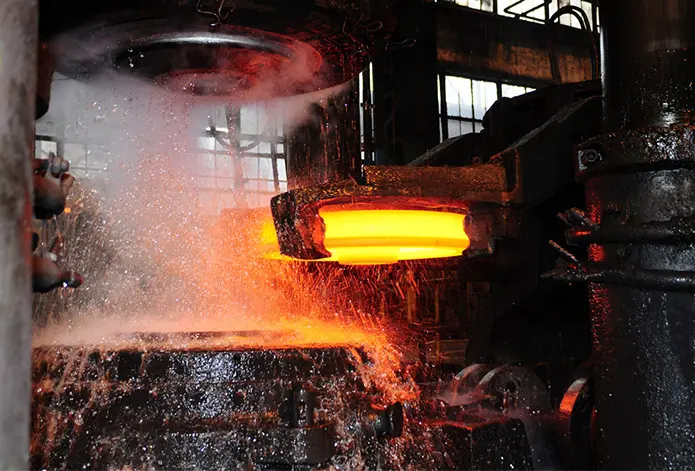
Extending the life of continuous casting rolls and forging dies through automated hardfacing robots.
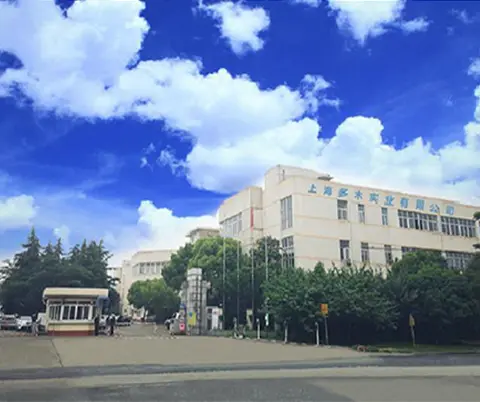
Shanghai Duomu is not just a supplier; we are a technical powerhouse in the field of Plasma and Laser cladding. Our "China Factory" advantage lies in our integrated supply chain efficiency. By controlling the design, manufacturing, and software development of our machines, we offer customized solutions that are often 30-50% more cost-effective than European counterparts without sacrificing performance.
Future plasma systems will integrate real-time spectral analysis of the arc to adjust parameters instantly, ensuring zero-defect cladding.
Combining the high speed of laser with the excellent bonding properties of plasma to create ultra-thick, wear-resistant coatings.
Expanding our field engineering teams to provide on-site compliance and maintenance support across Russia, Kazakhstan, and Uzbekistan.
PTA (Plasma Transferred Arc) uses a gas-shielded arc to melt powder, offering deep metallurgical bonding and higher deposition rates. Laser Cladding uses a laser beam, providing an even smaller heat-affected zone and higher precision for delicate components.
Yes. We specialize in custom solutions such as hydraulic rod cladding machines, valve surfacing systems, and specialized torches for deep-hole applications (up to 120A).
For small enterprises, the primary hurdle is the initial learning curve and the cost of the gas management system. However, the ROI is usually achieved within 12-18 months through reduced component replacement costs.
Our machines are CE-certified and designed to meet the rigorous safety standards of the aerospace and nuclear industries, including advanced shielding and cooling protocols.
Whether you need a full equipment setup or a custom welding torch, our engineers are ready to assist. Leverage our 10+ years of expertise in Plasma Surfacing and Laser Cladding.
For inquiries about our products or pricelist, please contact us and we will be in touch shortly.
Subscribe to Technical Updates