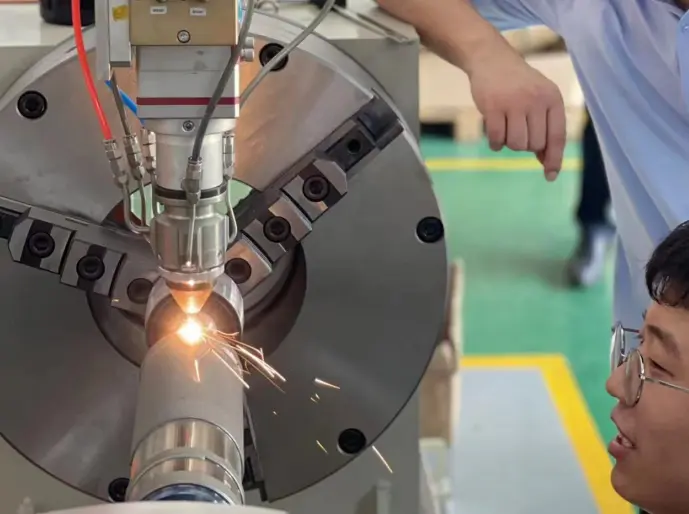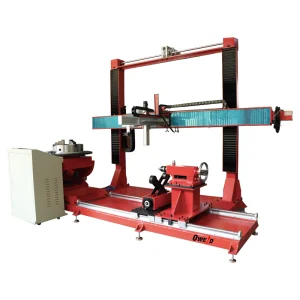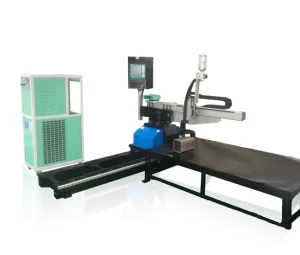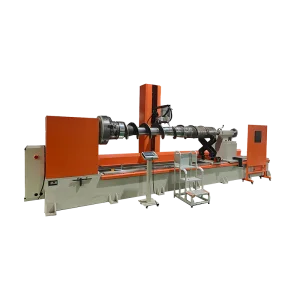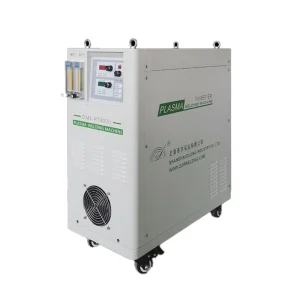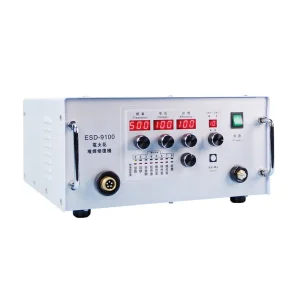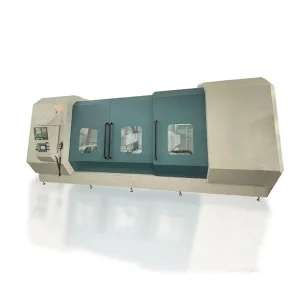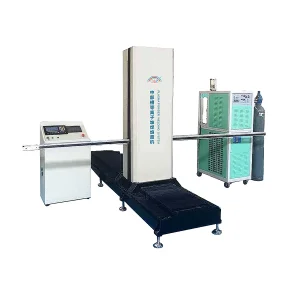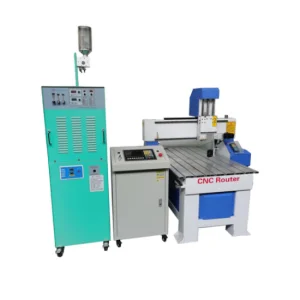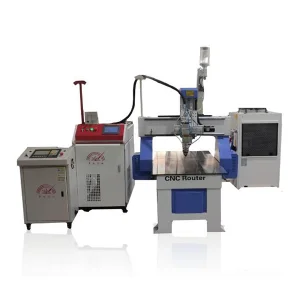
The global demand for Custom Plasma Transferred Arc (PTA) Welding is witnessing a paradigm shift. As industries move towards "Sustainable Manufacturing" and "Circular Economy" models, the focus has shifted from component replacement to life-cycle extension. PTA welding, a thermal surfacing process that produces high-quality metallurgical bonds, stands at the forefront of this revolution. Unlike traditional welding, PTA offers a high-energy density plasma arc that melts both the base metal surface and a filler material (usually metallic powder), creating a highly wear-resistant layer with minimal dilution.
From a Semantic Search perspective, users searching for "PTA Welding Factories" are no longer just looking for a machine; they are seeking reliability, metallurgical precision, and application-specific engineering. The current industrial status shows a heavy reliance on PTA for components operating in extreme environments—ranging from oil-drilling stabilizers in the North Sea to cement rollers in Southeast Asia. The efficiency of a custom PTA factory is measured by its ability to provide Information Gain through data-driven alloy selection and process automation.
Industry Experience in PTA & Laser Cladding
Customized Industrial Solutions Delivered
Reduction in Component Wear Rate
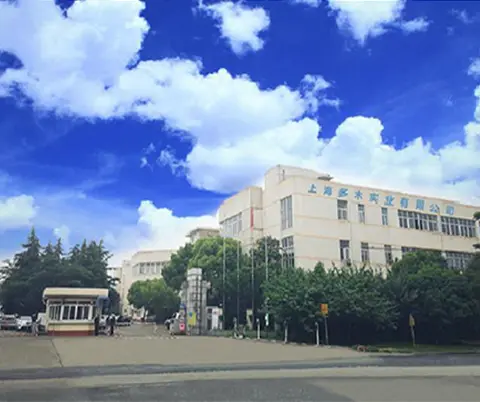
Shanghai Duomu has been a leading manufacturer and exporter of PTA cladding machines and Laser cladding machines for more than ten years with a strong technical background. Our expertise is not just in manufacturing equipment, but in mastering the physics of the plasma arc.
We operate with a core philosophy of E-E-A-T (Experience, Expertise, Authoritativeness, and Trustworthiness). Our R&D team doesn't just build machines; they solve complex metallurgical puzzles. Whether it is reducing the dilution rate in nickel-based alloys or optimizing powder flow for tungsten carbide deposits, our team provides the depth of knowledge required for high-stakes industrial applications.
Adapting PTA Technology to Global Regional Requirements
In high-intensity farming regions, soil abrasion destroys plowshares and harvesters. Our localized PTA solutions provide tungsten carbide overlays that extend part life by 400% in sandy or rocky soils.

Precision is non-negotiable. We utilize automated plasma surfacing for turbine blade edges and landing gear components, meeting stringent military-grade metallurgical standards.

Drill collars and stabilizers face extreme corrosion and erosion. Our PTA systems are optimized for Stellite and Nickel-alloy powders, ensuring stability in deep-sea environments.

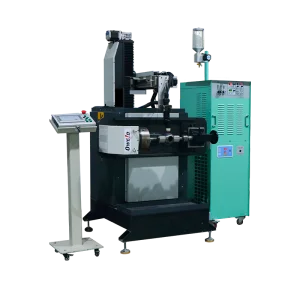
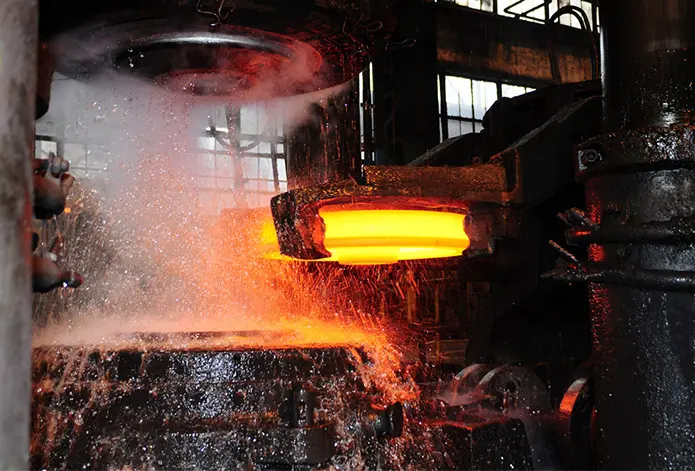
Continuous casting rolls and forging dies require thermal fatigue resistance. Our gantry-style PTA systems allow for large-scale surfacing of heavy industrial rolls.
Leveraging China's mature industrial ecosystem, Shanghai Duomu provides a "Factory-to-Client" advantage. We control the entire value chain—from torch design to software development—reducing overhead costs by 30-50% compared to European counterparts while maintaining identical performance metrics.
Our proximity to the world’s largest raw material and electronic markets allows us to iterate designs in weeks, not months. A "Custom Plasma Transferred Arc Welding Factory" in Shanghai means you get bespoke engineering tailored to your specific workpiece geometry.
We provide full compliance with international standards (CE, ISO). With localized support teams, we ensure that the technical roadmap of your installation is future-proofed against evolving regional regulations.
Integration of AI-driven sensors that adjust arc voltage and powder feed rates in real-time, compensating for surface irregularities on worn components.
Combining PTA with Laser Cladding (PTA-L hybrid) to achieve the high deposit rates of PTA with the ultra-low heat input of laser technology.
Remote monitoring and predictive maintenance, where the factory can diagnose machine health across the globe, ensuring zero unplanned downtime.
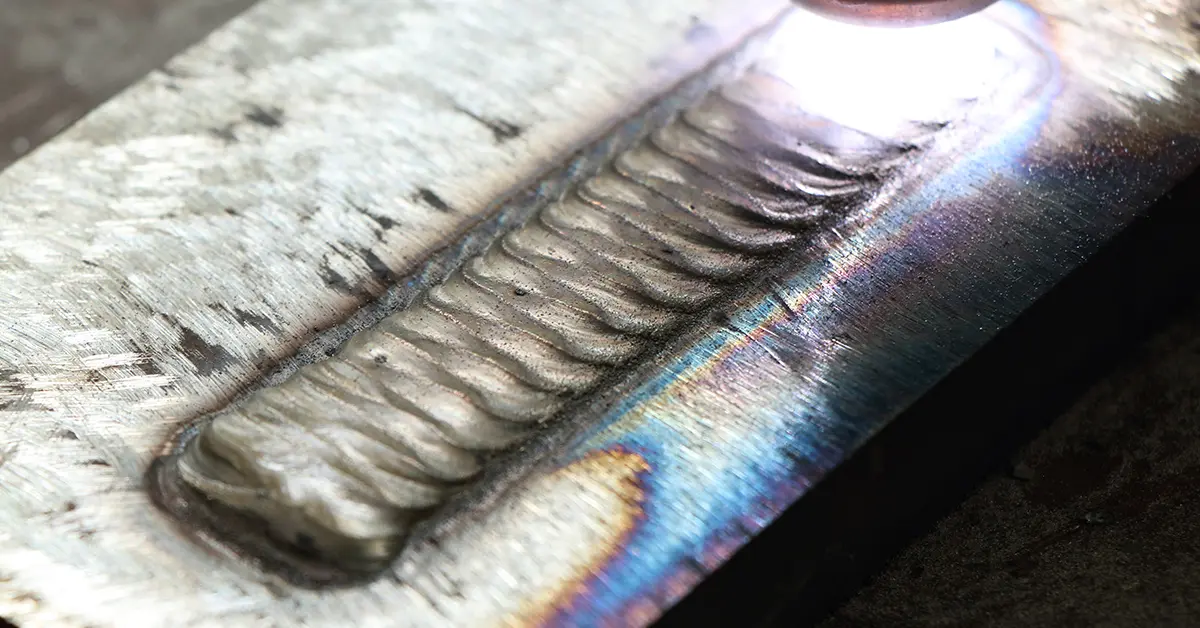
One of the most critical factors in PTA hardfacing is the dilution rate. In many traditional welding processes, the base metal mixes significantly with the cladding alloy, degrading the properties of the overlay. A high-quality PTA factory focuses on achieving a dilution rate between 3% and 8%. This ensures that the first layer of cladding already possesses the full hardness and corrosion resistance intended by the alloy design.
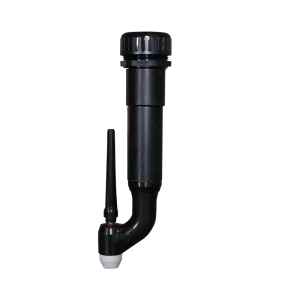
Our Technical Department has developed proprietary torch geometries that stabilize the constricted arc, allowing for a "Soft Arc" mode. This mode is essential for cladding thin-walled components, such as valve seats and hydraulic rods, where excessive heat input could lead to catastrophic distortion.
Managing Dilution Rates: How we helped a valve manufacturer achieve zero-defect overlays on Cobalt-based alloys.
Read Full Report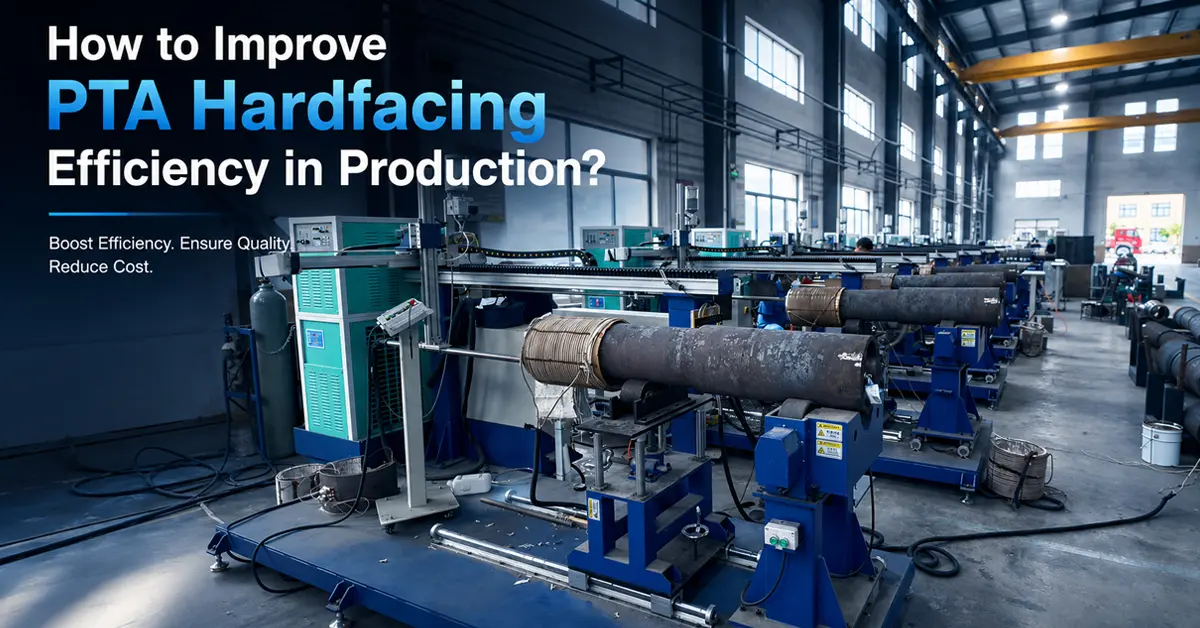
Efficiency in Hardfacing: Increasing deposition rates to 12kg/h without compromising bead quality.
Read Full Report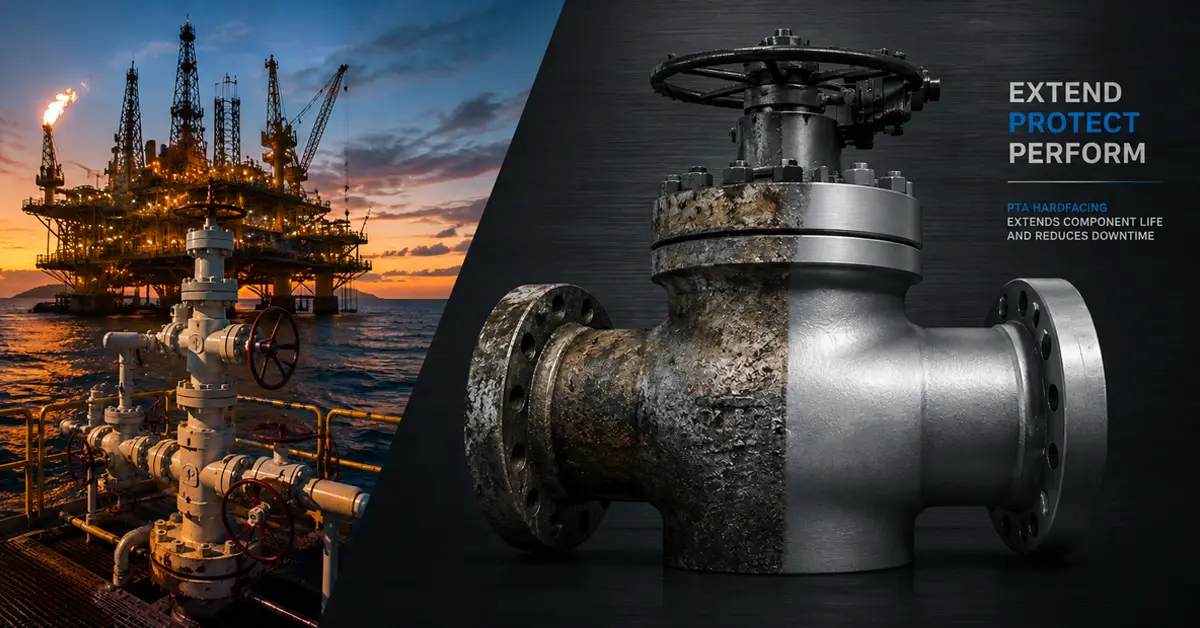
Oil & Gas Downtime: A study on how PTA surfacing saved $2M annually in component replacement costs.
Read Full ReportWhile Laser Cladding offers lower heat input, PTA is significantly more cost-effective for high-volume deposition and thick-layer hardfacing. PTA also handles a wider variety of powder particle sizes and is generally more robust for heavy industrial environments like mining and cement production.
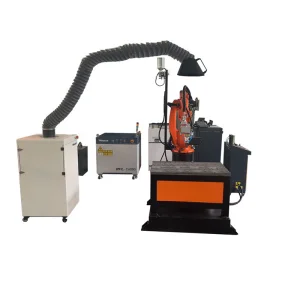
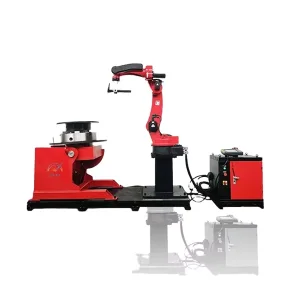
Yes. As a custom factory, we specialize in building 6-axis robotic systems and gantry systems designed for specific parts like internal bores, screw conveyors, or large hydraulic cylinders. We provide the hardware, the software, and the process parameters.
We use high-grade international components (Siemens PLC, Schneider electrics) and our machines are CE certified. We also offer factory acceptance testing (FAT) via high-definition video or in-person visits to Shanghai.
Our systems are compatible with Cobalt-based, Nickel-based, and Iron-based alloys, as well as complex Tungsten Carbide (WSC) mixtures for extreme abrasion resistance.
Our engineering team is ready to discuss your specific wear challenges and provide a detailed PTA roadmap.