In the high-stakes world of industrial manufacturing, the choice between TIG (Tungsten Inert Gas) and MIG (Metal Inert Gas) welding is not merely a technical preference—it is a strategic business decision that dictates production efficiency, material integrity, and long-term durability. While both are arc welding processes, their "차이" (differences) in application, cost, and skill requirements are profound.
MIG Welding (GMAW): Known for speed and versatility. It utilizes a continuous solid wire electrode fed through a welding gun. The process is semi-automatic, making it the preferred choice for high-volume production lines and thicker structural components.
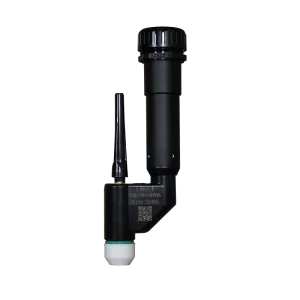
TIG Welding (GTAW): The pinnacle of precision. It employs a non-consumable tungsten electrode to produce the weld. The operator manually feeds filler rod into the weld pool, allowing for extreme control over heat input and weld aesthetics. This is critical for thin materials and exotic alloys used in aerospace and nuclear sectors.
| Feature | MIG Welding (GMAW) | TIG Welding (GTAW) |
|---|---|---|
| Deposition Rate | High (Fast production) | Low (Detailed precision) |
| Difficulty Level | Moderate (Easier to learn) | High (Requires significant skill) |
| Material Thickness | Thick to Medium | Thin to Medium |
| Cleanliness | Moderate (Some spatter) | Extreme (No spatter, clean finish) |
| Cost (Equipment/Gas) | Lower Initial Cost | Higher Cost / Specialized Gases |
The global welding market is shifting toward robotic TIG/MIG integration. China's factories are now leading in AI-driven parameter adjustment, where sensors detect material variance and adjust arc voltage in real-time, reducing waste by up to 15%.
Sustainability is driving the development of low-emission shielding gases and energy-efficient inverter power sources. Modern suppliers are prioritizing TIG processes for electric vehicle (EV) battery casing due to its low heat-affected zone (HAZ).
Beyond traditional TIG/MIG, Plasma Transferred Arc (PTA) and Laser Cladding are emerging as the preferred "macro solutions" for surface hardening. These processes offer superior metallurgical bonding compared to standard arc welding.
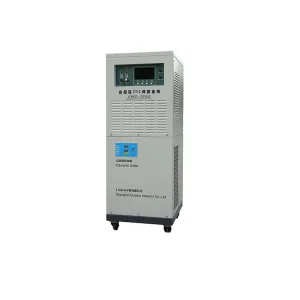
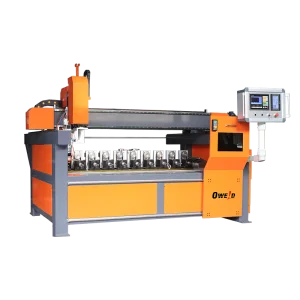
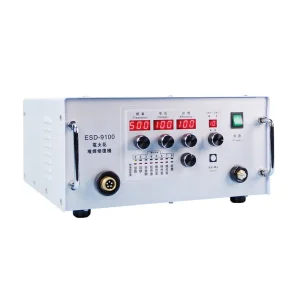
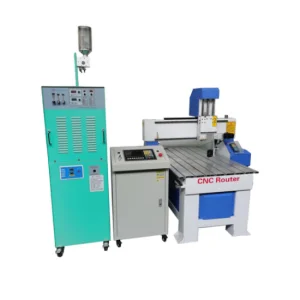
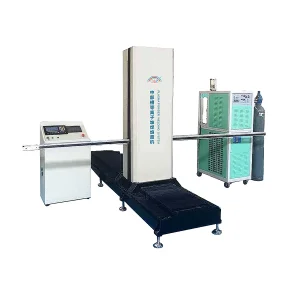
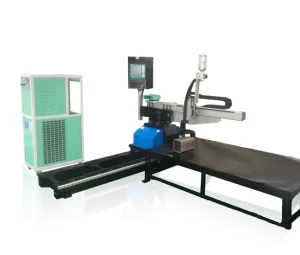
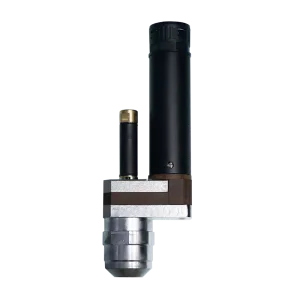
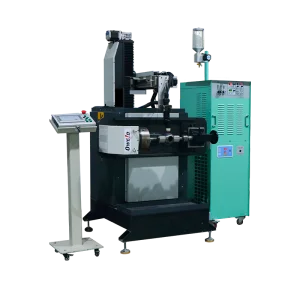
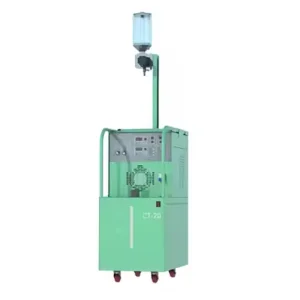
Shanghai Duomu has been a leading manufacturer and exporter of PTA cladding machine and Laser cladding machine for more than ten years with a strong technical background. Our expertise bridges the gap between traditional TIG/MIG differences and advanced surfacing technology.

We possess an independent R&D team focusing on plasma cladding machine equipment. Our welding machines exhibit stable performance and efficient long-term operation, supporting large-scale remanufacturing projects globally.
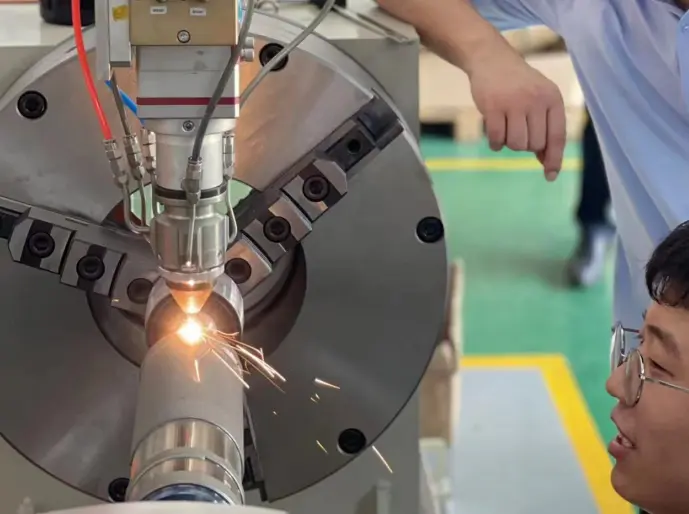
Our products have penetrated into vital fields including:
The future of welding in China and globally lies in Hybrid Systems. By combining the speed of MIG with the concentrated heat of a laser, manufacturers are achieving weld speeds 5x faster than manual TIG while maintaining surgical precision. As a premier supplier, Shanghai Duomu is at the forefront of this evolution, developing automated plasma systems that redefine the "티그 미그 용접 차이" by merging the benefits of both.
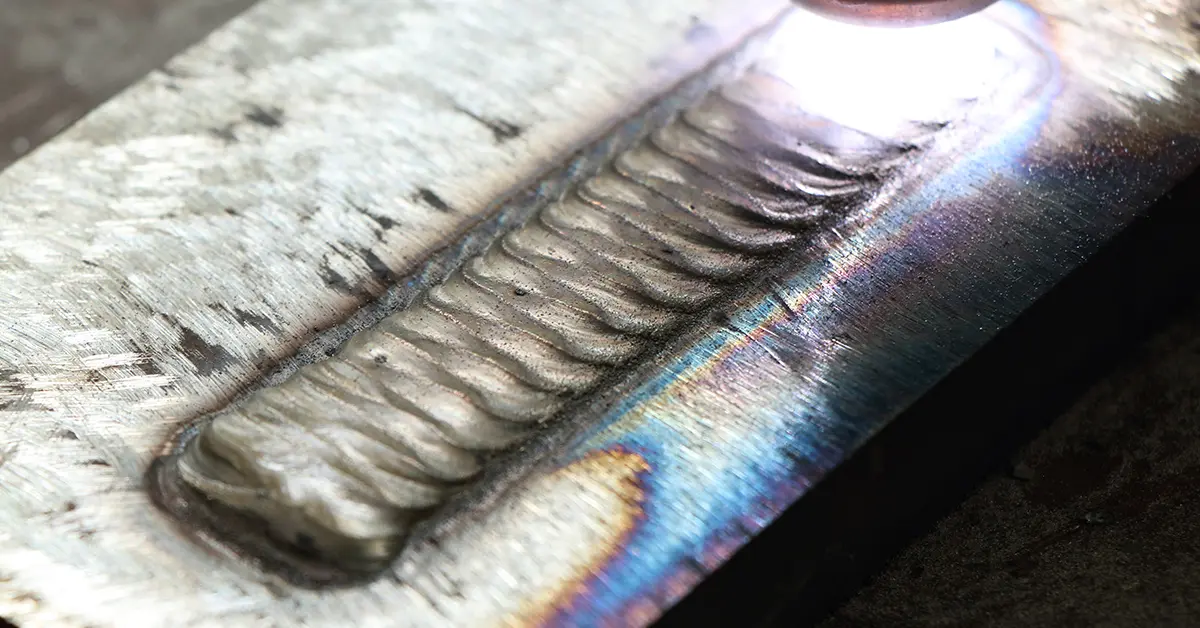
Hardfacing Dilution Rates: In Plasma Transferred Arc (PTA) hardfacing, achieving a high-quality overlay depends on optimizing welding parameters to control dilution.
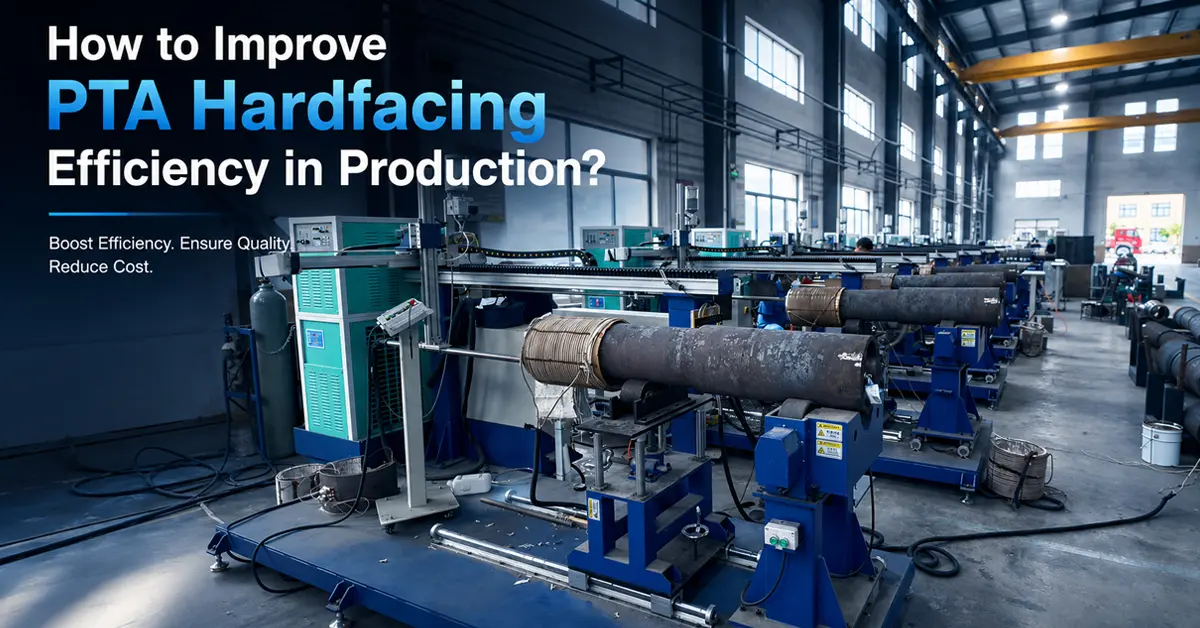
Efficiency Optimization: Improving PTA efficiency isn't just about speed; it's about the deposition rate and material utilization in industrial production.
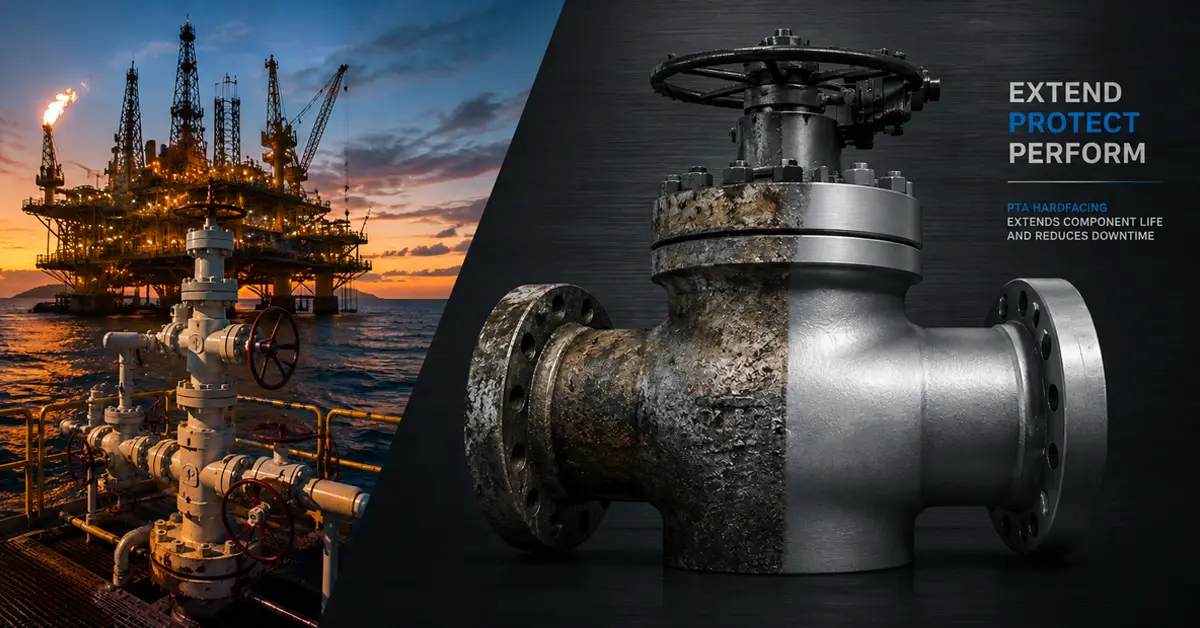
Oil & Gas Solutions: Choke valve failure due to erosion is a major cost factor. PTA cladding offers a superior lifecycle extension over traditional TIG/MIG.
A: The main difference is the electrode. TIG uses a non-consumable tungsten electrode and manual filler, offering precision. MIG uses a continuous consumable wire, offering speed.
A: Chinese suppliers like Shanghai Duomu offer a unique blend of cost-efficiency and high-tech R&D, particularly in specialized fields like plasma and laser cladding.
A: Yes, but it is slow. For heavy surfacing, we recommend Plasma Transferred Arc (PTA) systems, which provide TIG-like quality with much higher deposition rates.
Ready to optimize your production? Contact our technical experts today for a customized solution.