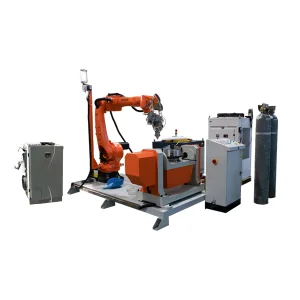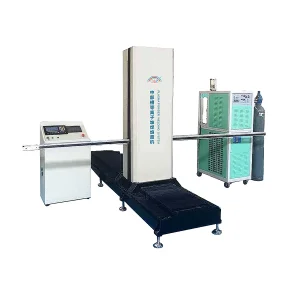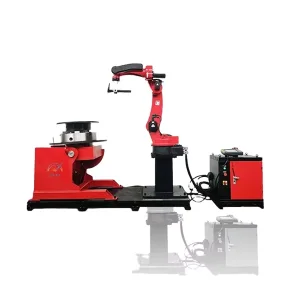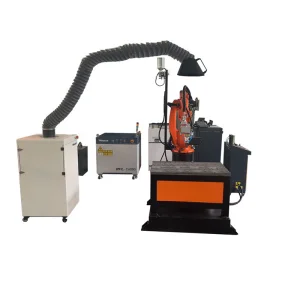
Engineered to comply with EU safety guidelines, our top-tier systems deliver high repeatability for robotic production lines.
The Czech Republic remains one of Europe's most vital industrial hubs. With a manufacturing heritage deeply rooted in precision machinery, automotive assembly, and heavy steel production, Czech enterprises face an accelerating need for component lifecycle extension. Industries spanning from the automotive heartlands of Central Bohemia to the metallurgical centers in Moravia-Silesian Region require cutting-edge surface technologies like Laser Metal Deposition (LMD) and Plasma Transferred Arc Welding (PTAW).
At the center of these cladding procedures lies the critical requirement for precise, pulse-free, and highly repeatable powder feeding. Minor variations in the powder feed rate can cause fluctuations in the dilution layer, resulting in suboptimal hardness, macro-cracking, or reduced wear resistance. As Czech enterprises transition to autonomous Industry 4.0 lines, the demand for smart, digitally integrated powder feeding units has surged.
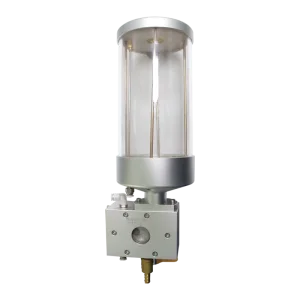
To support this technological migration, Shanghai Duomu provides engineered powder feeding systems characterized by micro-gram dosing accuracy, continuous pressure equalization, and multi-channel configurations. These configurations are ready to integrate directly with Siemens, Beckhoff, or FANUC automation architectures common across Czech factories.
Equipped with load-cell feedback loops that dynamically adjust rotating disk speeds to maintain consistent powder mass delivery, despite variances in powder density or hopper levels.
Active mass flow controller (MFC) regulations prevent gas pressure fluctuations, ensuring a uniform stream of metal alloys (such as Stellite, Colmonoy, or Tungsten Carbide) directly into the melt pool.
Feeding wheels and internal pathways undergo specialized nitriding and diamond-like carbon (DLC) coatings to prevent degradation from abrasive hard-particle powders.
Ensuring seamless integration within European Union industrial frameworks and strict safety standards.
We recognize that high-value additive manufacturing and hardfacing operations cannot tolerate prolonged downtime. To ensure operational security for Czech factories, Shanghai Duomu implements a dual-layered local support approach:
1. Dedicated Remote Technical Desk: Real-time diagnostic interface allowing our engineering team in Shanghai to interface directly with your control PC via secure channels to diagnose PLC feedback anomalies, calibration curves, or configuration files.
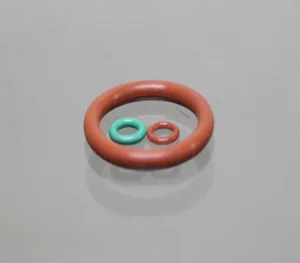
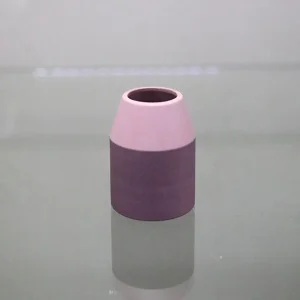
2. Rapid Spare Parts Dispatch: Critical components, including high-precision feeding wheels, carrier gas nozzles, specialized scraper blades, and sealing gaskets, are kept ready for expedited shipping to Czech hubs such as Prague, Brno, Ostrava, and Pilsen.
3. Software Integration Assistance: Our engineers provide remote support to help map the powder feeder's analog (0-10V / 4-20mA) or digital (Profibus, EtherCAT) communication signals into your centralized CNC control panel or robotic controller (KUKA, ABB, FANUC, etc.).
How Shanghai Duomu pairs advanced, in-house R&D with a robust raw material ecosystem to deliver unmatched value.
As a leading developer of Plasma Transferred Arc (PTA) cladding machinery and automated laser cladding stations for more than a decade, Shanghai Duomu operates at the convergence of advanced component sourcing and mature, localized manufacturing. Located in the Jiading District of Shanghai, our factory leverages a highly optimized supply chain to procure high-grade optical paths, robust precision motors, and heavy-duty structural alloys at competitive rates.
Unlike standard trading companies, we operate an independent, dedicated research and development department. This enables complete control over the engineering pipeline—from the raw CAD models to physical assembly and multi-day load testing. By managing the manufacturing lifecycle, we customize components to align with the specific needs of our clients: from custom-engineered feed wheels optimized for sub-15 micron titanium alloys to high-capacity multi-hopper assemblies engineered for gradient coating applications.
Engineered solutions for challenging work environments, keeping your heavy-duty machinery operational.



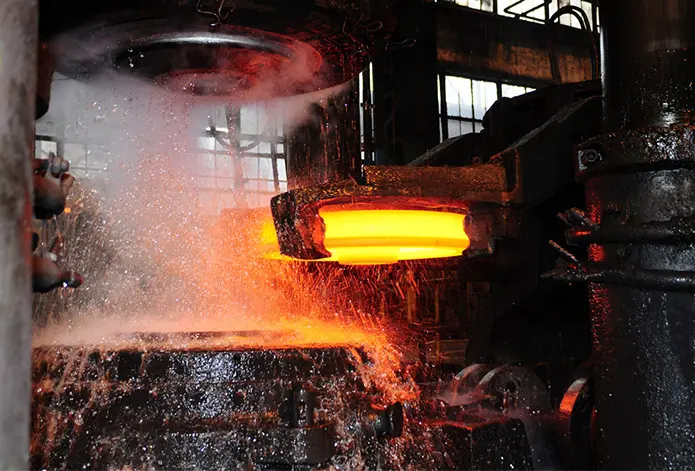
Insights from Shanghai Duomu's engineering archives on material deposition optimization.
In Plasma Transferred Arc (PTA) hardfacing, achieving a high-quality overlay is not only about selecting the right alloy powder or optimizing welding parameters. One of the most critical factors that directly affects overlay performance is the dilution rate. Whether you need to maintain metallurgical bonding while minimizing parent metal infusion, the exact control of powder feedrate relative to plasma current determines the hardness and integrity of the final overlay deposit.
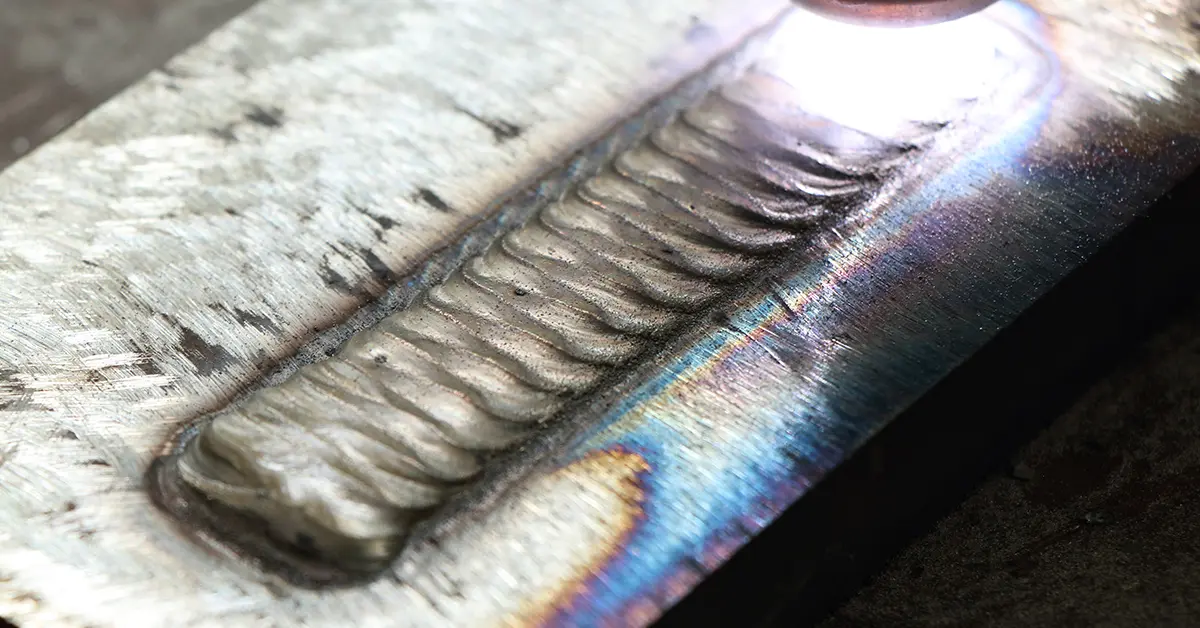
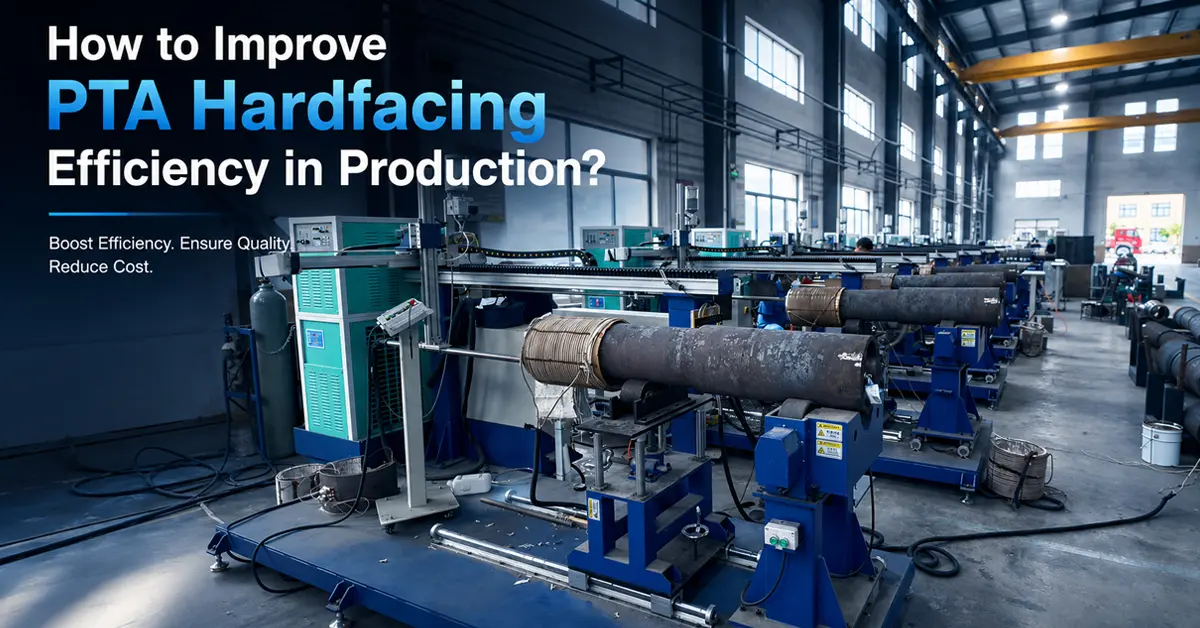
Improving PTA hardfacing efficiency is not simply about increasing welding speed or depositing more alloy within a shorter time. In industrial production, the real efficiency of a Plasma Transferred Arc (PTA) hardfacing process depends on the synchronization between the powder feeder's feed consistency and the thermal output of the torch, reducing downtime caused by nozzle blockage or powder clumping.
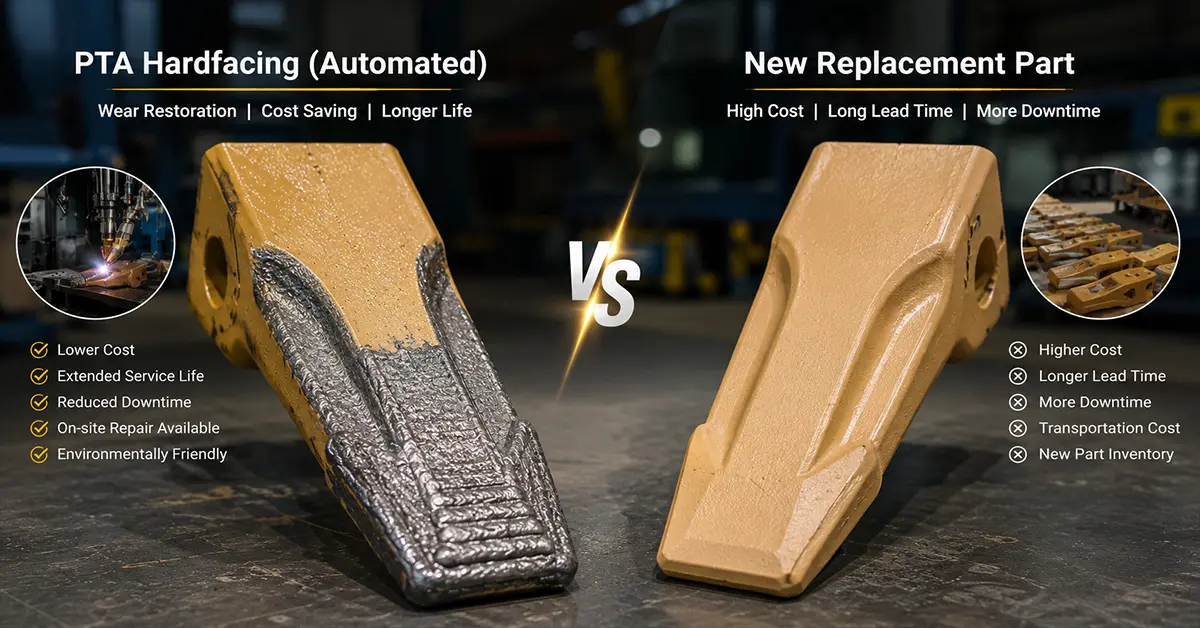
In Oil & Gas, the Real Cost Is Downtime—Not the Component. When a choke valve fails due to sand erosion, a mud pump valve seat wears beyond tolerance, or a drill stabilizer reaches the end of its service life, the traditional response of simple component replacement can lead to substantial economic losses. Automated overlay cladding offers a reliable path to extending component lifespan.
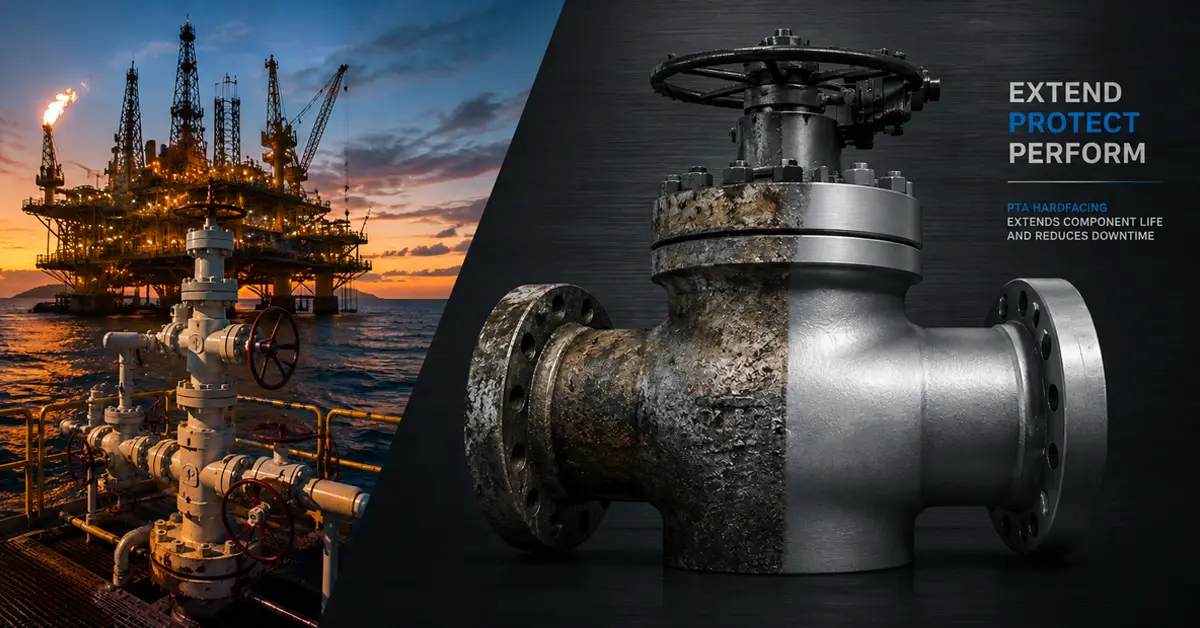
For industrial equipment operating in abrasive, erosive, corrosive, or high-temperature environments, wear is inevitable. The real challenge is not preventing wear altogether but choosing the most cost-effective maintenance strategy once wear occurs. Many maintenance teams are transitioning from component replacement to local laser cladding, which restores dimensions and enhances wear characteristics with high accuracy.
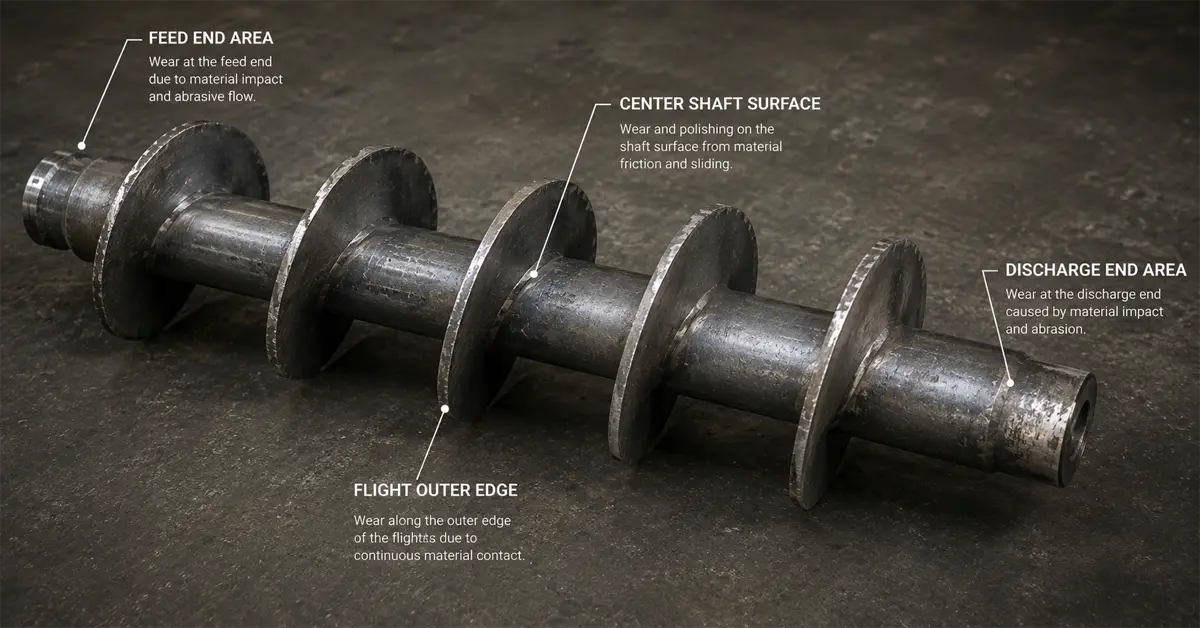
In industries such as mining, cement, power generation, steelmaking, chemical processing, and biomass energy, screw conveyors are often regarded as auxiliary equipment. However, maintenance data shows that they are among the most frequent causes of unplanned production stoppages when flight edges wear thin. Automated PTAW hardfacing with high-carbide powders delivers a wear-resistant surface that extends operational runtimes.
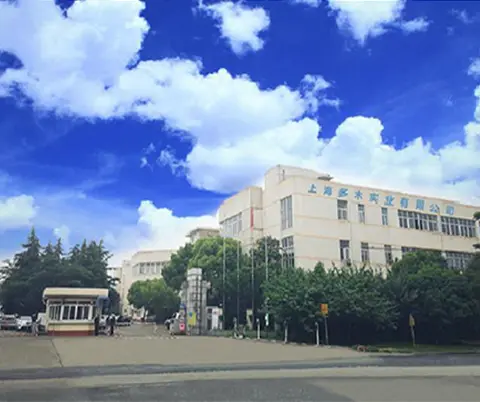
Shanghai Duomu has been a leading manufacturer and exporter of PTA cladding machines and Laser cladding systems for more than ten years, backed by a strong technical foundation. Our systems are deployed worldwide, assisting facilities in reclaiming expensive tools, mitigating wear, and reinforcing components subjected to extreme heat, corrosion, and friction.
Our engineering team focuses on automated system design, incorporating multi-axis CNC gantries, robotic arms, programmable PLC control consoles, and high-performance powder feeder mechanisms. We design systems to align with the evolving production requirements of modern manufacturing facilities, helping companies replace manual, high-heat processes with highly controlled, automated alternatives.
Shanghai Duomu houses an independent research and development team, which develops, produces, and sells plasma cladding machine equipment. Our welding systems are designed for stability, supporting efficient, long-term operation on the shop floor. In addition, the laser cladding equipment sold by the company supports large-scale remanufacturing projects.
We provide complete, integrated packages including laser sources, water chillers, multi-axis motion control software, and high-precision powder feeders. This single-source integration simplifies procurement and reduces implementation challenges, helping your facility begin production with minimal startup delays.
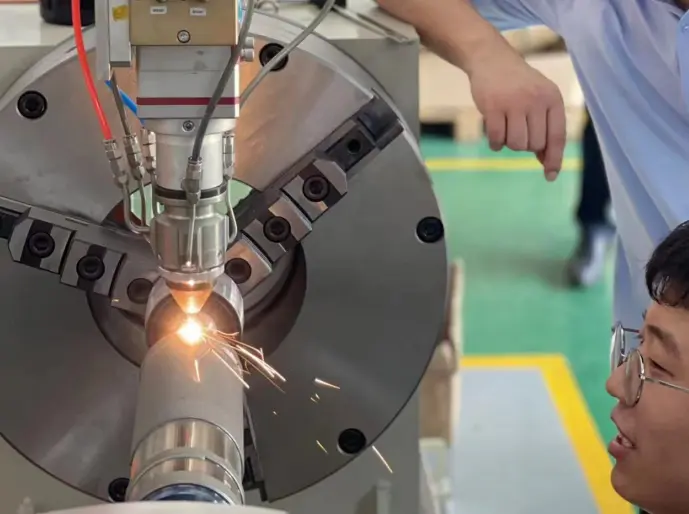
We configure automated cladding systems to match the specific dimensional and metallurgical requirements of your applications.
Depending on your production goals, we can configure customized equipment, automatic laser cladding lines, automatic plasma cladding stations, or intelligent robotic arm integrations. This includes specialized setups tailored for specific components, such as hydraulic rod cladding machines, mining pick cladding systems, and ball valve hardfacing machines.
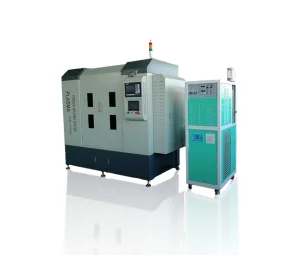
Compact vertical-motion system configured for external cylinder and flat plate PTAW hardfacing applications.
A versatile system capable of both manual operator-controlled setups and automated production runs.
Configured for turbine and impeller blade restoration, incorporating precise powder stream targeting.
Features continuous rotary axis control, optimized for cladding spherical geometries with minimal thermal distortion.
Industrial robotic integration designed for localized surface hardening of dies, tooling, and high-stress points.
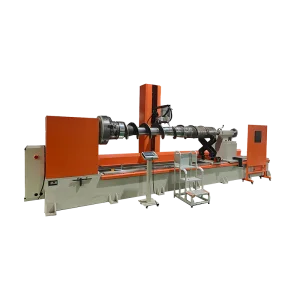
Heavy-duty lathe-bed type system engineered for deposition on long cylinders, rods, and shaft components.
From multi-axis positioning systems to replacement components, our equipment is designed for demanding industrial environments.
Key technical considerations for implementing automated cladding systems on the production floor.
Feedrate accuracy is defined by the constancy of powder weight delivered per unit of time (e.g., grams per minute). We sustain a ±1.0% accuracy tolerance by utilizing a dual-stage scraping mechanism paired with precision-ground volumetric disks and digital motor speed regulation. This prevents material pulsing, which is critical for consistent deposition thickness in automated cladding operations.
Abrasive powders like tungsten carbide can cause rapid wear on standard metal surfaces. To address this, Shanghai Duomu lines all contact surfaces, powder chambers, and feeding scraper edges with hardened ceramic, specialized tool steel, or Diamond-Like Carbon (DLC) coatings. This reduces wear rate and helps prevent alloy contamination.
Our controllers support standard industrial communication interfaces, including 0-10V analog signals, Modbus RTU, and Profinet options. The robot controller sends start/stop and feed speed signals to the powder feeder's PLC, synchronization controls ensure carrier gas flows before the powder disc rotates, preventing line clogging.
Yes. All machines exported to European markets, including the Czech Republic, are configured to comply with the European Machinery Directive (2006/42/EC), Low Voltage Directive (2014/35/EU), and EMC Directive (2014/30/EU). Our pressure hoppers are designed and pressure-tested to satisfy relevant PED guidelines.
Duomu equipment is integrated into manufacturing lines worldwide, supporting diverse industrial applications.




Submit details about your application requirements, and our engineering team will respond within 24 hours.